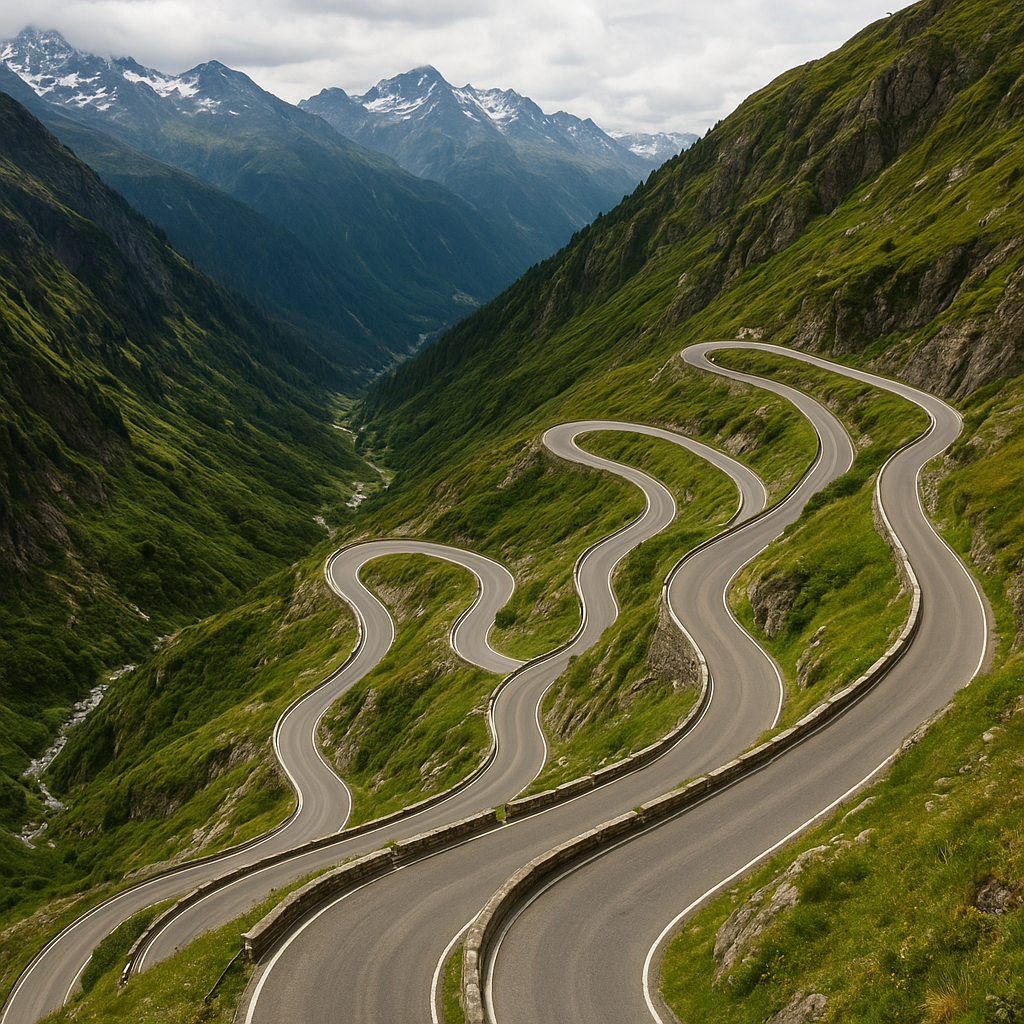
The winding roads high above the valleys of the Alps combine breathtaking beauty with an unmistakable sense of adventure. These mountain tracks have challenged generations of drivers, cyclists, and thrill‐seekers, drawing them to dizzying altitude and vertiginous drops. From historic trade routes to modern engineering marvels, each route weaves through dramatic landscapes, offering a unique blend of danger and awe. In the following sections, explore some of the most spectacular Alpine roads, discover how they were carved into sheer rock faces, and learn what it takes to conquer these high‐altitude arteries safely.
Historic Alpine Pass Routes
Long before paved roads and modern vehicles, merchants, pilgrims, and armies crossed the Passes of the Alps on foot or by mule, braving treacherous snows and avalanches. Many of today’s highways trace those ancient tracks, preserving centuries of travel heritage. Understanding their origins reveals the ingenuity of early engineering and the cultural heritage tied to each pass.
Great St Bernard Pass
At over 2,400 meters, the Great St Bernard Pass connects Switzerland to Italy. The route’s history stretches back to Roman times. Narrow stone walls, originally built by monks for shelter, still line parts of the road. Drivers face steep gradients, frequent snowdrifts, and sharp hairpin turns that demand respect.
Simplon Pass
Linking Brig in Switzerland to Domodossola in Italy, the Simplon Pass was improved in the early 19th century under Napoleon’s orders. Engineers blasted through rock to create tunnels and galleries, making possible one of Europe’s first major road‐tunnel combinations. Today, it remains a vital freight corridor and a favorite among motorcyclists pursuing the ultimate thrill.
Modern Thrills on Dangerous Mountain Roads
Contemporary Alpine roads benefit from advanced construction techniques, yet they still test even the most experienced drivers. Narrow ledges, unpredictable weather, and minimal guardrails combine to create unforgettable—but hazardous—experiences. Below are some of the most renowned.
Stelvio Pass
Often hailed as the king of mountain roads, the Stelvio Pass in Italy features 48 hairpin bends over 20 kilometers. Climbs to 2,757 meters, where fog, ice, and sudden storms can reduce visibility to zero. The ascent from Bormio is especially challenging, with sheer drops and tight curves requiring slow, precise maneuvering.
Grossglockner High Alpine Road
Austria’s Grossglockner route reaches 2,504 meters, meandering through the Hohe Tauern National Park. Its smooth tarmac and well‐guarded edges offer comfort, but the altitude and narrow tunnels test concentration. Summer tourists flock to its viewing platforms for panoramic vistas of glaciers and summits.
Furka Pass
Made famous by classic car chase scenes, the Furka Pass spans 2,429 meters in the Swiss canton of Valais. Loose gravel shoulders and steep slopes can surprise unwary drivers. The cobbled remains of an old carriage road lie adjacent, hinting at the perseverance of early travelers.
- Length: up to 24 kilometers
- Maximum gradient: 12%
- Typical closure: Late October to early June
Preparing for the Alpine Challenge
Conquering these lofty roads requires more than courage. Preparation is crucial to manage unpredictable conditions and steep terrain safely.
Vehicle Readiness
- Inspect brakes, tires, and cooling systems thoroughly.
- Carry snow chains or winter tires during cold months.
- Ensure headlights and taillights are in optimal working order.
Driver Experience
- Practice negotiating hairpins on gentler hill roads first.
- Maintain low speeds and use engine braking to avoid overheating brakes.
- Allow extra time for stops to admire the panorama without rushing.
Weather Awareness
Mountain weather can shift from calm sunshine to blizzard in minutes. Always check updated forecasts and road status reports. Keep a small emergency kit with blankets, water, and food, in case of unforeseen holds or closures.
Cultural and Natural Highlights Along the Routes
Beyond the adrenaline, these Alpine roads traverse landscapes rich in biodiversity and dotted with cultural treasures. The high valleys and scenic overlooks reveal a tapestry of flora, fauna, and historic landmarks.
Alpine Flora and Fauna
Delicate edelweiss and alpine roses cling to rocky slopes. Ibex and chamois navigate seemingly impossible cliffs, while golden eagles soar on thermals above. Stopping at designated viewpoints lets travelers observe these wonders without disturbing their fragile ecosystems.
Mountain Villages and Architecture
Villages like Courmayeur, Zermatt, and Chamonix serve as gateways to the highest peaks. Their stone chalets, wooden balconies, and ancient chapels reflect both the heritage of mountain living and the resilience of communities that endure harsh winters.
Culinary Delights
- Try hearty fondue and raclette in Swiss stopovers.
- Sample speck and apple strudel in Austrian inns.
- Enjoy polenta and local cheeses in Italian refuges.
Each of these roads offers a unique combination of risk and reward. For those who seek both challenge and charm, the Alps deliver an unforgettable journey, carved in stone and sky.