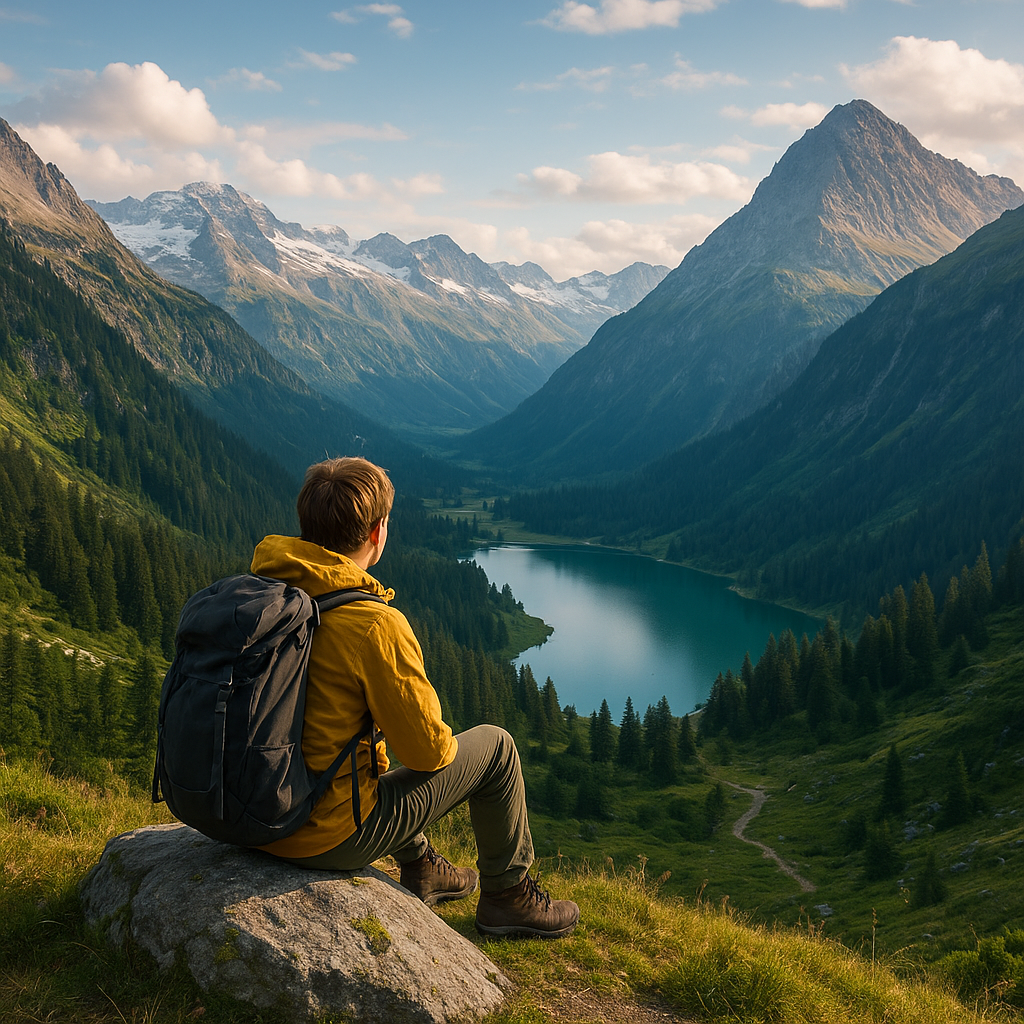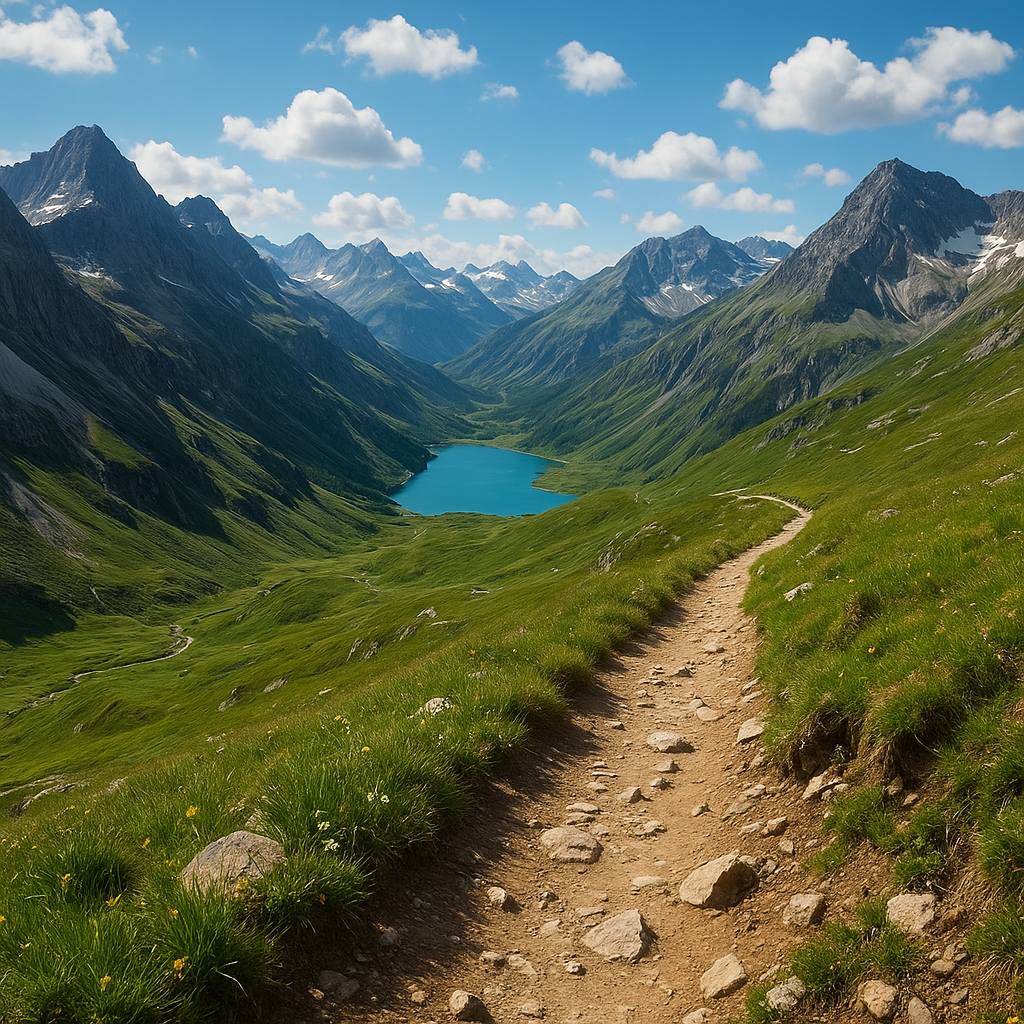
The Alps stand as a testament to Europe’s breathtaking landscapes, where towering peaks meet verdant valleys and ancient traditions intertwine with modern adventure. From the snow-capped ridges of Mont Blanc to the craggy spires of the Dolomites, this mountain range offers some of the world’s most diverse and exhilarating multi-day treks. Whether you’re seeking solitude amidst alpine meadows, testing your endurance on high passes, or savoring the region’s hearty cuisine, the Alps promise an unforgettable journey. This guide explores the most epic routes, essential preparation tips, and the rich culture that awaits any determined hiker.
Alpine Panorama and Hiking Culture
Nestled across eight countries—France, Switzerland, Italy, Austria, Germany, Slovenia, Liechtenstein, and Monaco—the Alps form Europe’s largest mountain chain. Their geological complexity invites explorers to traverse sharp limestone ridges, glaciated valleys, and rolling pastures. Long before today’s trekking enthusiasts mapped out routes, shepherds and traders carved trails through these mountains, forging an enduring relationship between humans and the highland environment. Local villages maintain centuries-old customs, and you’ll often find rustic refuges serving homemade cheese, cured meats, and steaming broths.
Hiking in the Alps isn’t merely a physical endeavor; it’s a cultural immersion. Many trails connect remote hamlets where artisans still craft wooden toys, lace, and traditional Alpine horns. Seasonal festivals celebrate the ascent of cattle to summer pastures, the return of livestock in autumn, and the folkloric tales that echo through mountain chalets. This blend of natural grandeur and deep-rooted tradition makes Alpine trekking a scenery-rich adventure.
Top Multi-Day Trails in the Alps
Tour du Mont Blanc
The Tour du Mont Blanc (TMB) is arguably the most famous long-distance trek in Europe. Spanning about 170 kilometers and 10,000 meters of elevation gain, it circles the Mont Blanc Massif through France, Italy, and Switzerland. Hikers typically complete the loop in 10–12 days, camping or staying in a chain of mountain huts. The trail offers panoramic views of Mont Blanc’s peaks, wildflower-carpeted meadows, and glacier-fed streams.
- Best season: Mid-June to early September
- Difficulty: Moderate to challenging
- Highlights: Col de la Seigne, Lac Blanc, Val Veny
Haute Route (Chamonix to Zermatt)
Linking Chamonix in France with Zermatt in Switzerland, the Haute Route covers roughly 180 kilometers of high-altitude terrain. This glacier-intensive trek demands careful planning, often guided by alpine experts. Traversing glaciers like the Argentière and Moiry, you’ll navigate rocky cols and frozen passes before descending into the shadow of the Matterhorn.
- Best season: Mid-July to mid-August
- Difficulty: Difficult, requires ice axe and crampons
- Highlights: Arolla Glacier, Cabane des Dix, Trient Glacier
Alta Via 1 in the Dolomites
The Dolomites in northeastern Italy shine with pale, jagged peaks that glow rose at dawn. Alta Via 1 spans about 120 kilometers, covering thirteen stages of world-class mountain huts (rifugi). This trek balances spectacular vistas with moderate technical demands, making it accessible for experienced hikers seeking a challenge without extreme alpinism.
- Best season: Late June to September
- Difficulty: Moderate
- Highlights: Cinque Torri, Lago di Braies, Croda da Lago
Via Alpina
The Via Alpina network comprises five color-coded long-distance trails that traverse eight countries. The Red Trail is the most extensive, stretching over 5,000 kilometers. For those lacking months of free time, selected sections—like the Swiss “Alpine Pass Route”—offer a taste of this epic corridor, featuring high mountain passes, historic valleys, and UNESCO World Heritage sites.
- Best season: July to September
- Difficulty: Varies by section
- Highlights: Stelvio Pass, Engadine Valley, Krimml Waterfalls
Planning and Preparation for an Alpine Trek
A successful multi-day hike demands meticulous planning. Start by selecting your route based on fitness level, time constraints, and weather patterns. Mountain weather can shift rapidly; snowstorms have been reported even in summer months above 2,500 meters. Always consult local avalanche bulletins and obtain the latest hut availability information. Preparation also means mapping out water sources and emergency exit points. Many refuges require advance booking, especially on popular trails like the TMB during high season.
Physical conditioning is equally crucial. A training regimen should include uphill and downhill hiking with a fully loaded backpack, strength exercises for the lower body, and cardiovascular workouts. Altitude acclimatization can be critical when ascending passes above 3,000 meters, so consider adding intermediate peaks or rest days to your itinerary.
Essential Gear and Safety on the Trails
Choosing the right gear can make or break your Alpine adventure. Ensure your backpack is fitted correctly and limited to 12–15 kilograms. Key items include:
- Technical footwear with ankle support and durable soles
- Crampons and an ice axe for glaciated sections
- Layered clothing: moisture-wicking base, insulating mid-layer, waterproof outer shell
- Emergency bivouac sack and headlamp
- Navigation tools: map, compass, and GPS device
- High-energy food, water purification tablets, and a portable stove
Safety protocols cannot be overstated. Always inform someone of your planned route and expected return. Monitor weather forecasts daily, and be prepared to reroute in case of storms or heavy snowfall. Mountain rescue services in the Alps are professional but can be time-consuming and expensive, so prevention is your best strategy.
Accommodation and Local Culture Along the Way
One of the joys of Alpine trekking is the network of mountain huts and local guesthouses. Refuge huts range from basic dormitories to cozy lodges with private rooms, showers, and hearty communal meals. Staying at these refuges not only lightens your pack—no need to carry a tent—but also offers an opportunity to connect with fellow hikers and share stories over regional specialties like fondue, polenta, and speck.
Villages along the trails celebrate local culture through artisanal crafts and seasonal festivals. In Switzerland, you might witness the alpmagdalena, a summer cattle procession. In the French Alps, mountain guides offer demonstrations of crevasse rescue techniques. Embrace these encounters—they enrich the trek beyond physical achievement.
Immersive Alpine Adventure
Traversing the Alps is more than ticking off a bucket-list trail; it’s embarking on an odyssey that challenges the body, stimulates the senses, and opens a window to centuries-old alpine heritage. The combination of adventure, stunning vistas, and warm mountain hospitality ensures that each step through this majestic range becomes a lasting memory. Lace up your boots, chart your course, and discover why the Alps remain the ultimate destination for multi-day hiking aficionados.