Embark on an unforgettable journey through the Swiss Alps, where every turn reveals a new canvas of natural wonder. Photographers and travelers alike will find endless inspiration in this alpine realm, from jagged peaks to tranquil lakes and charming villages. Discover the most photogenic spots and learn how to capture their essence with clarity and artistry.
Iconic Alpine Landscapes and Panoramic Vistas
The Swiss Alps are renowned for their dramatic scenery, offering a wealth of breathtaking panoramas that stretch as far as the eye can see. Whether you’re perched atop a mountain summit or standing in a high-altitude meadow, the interplay of light and shadow on rocky ridges creates an ever-changing masterpiece.
Summit Photo Opportunities
- Gornergrat Railway: Provides easy access to a high vantage point near the Matterhorn.
- Jungfraujoch Observatory: Known as the “Top of Europe,” it offers sweeping views of the Aletsch glacier.
- Schilthorn Piz Gloria: Famous for its 360° mountaintop restaurant, featured in a James Bond film.
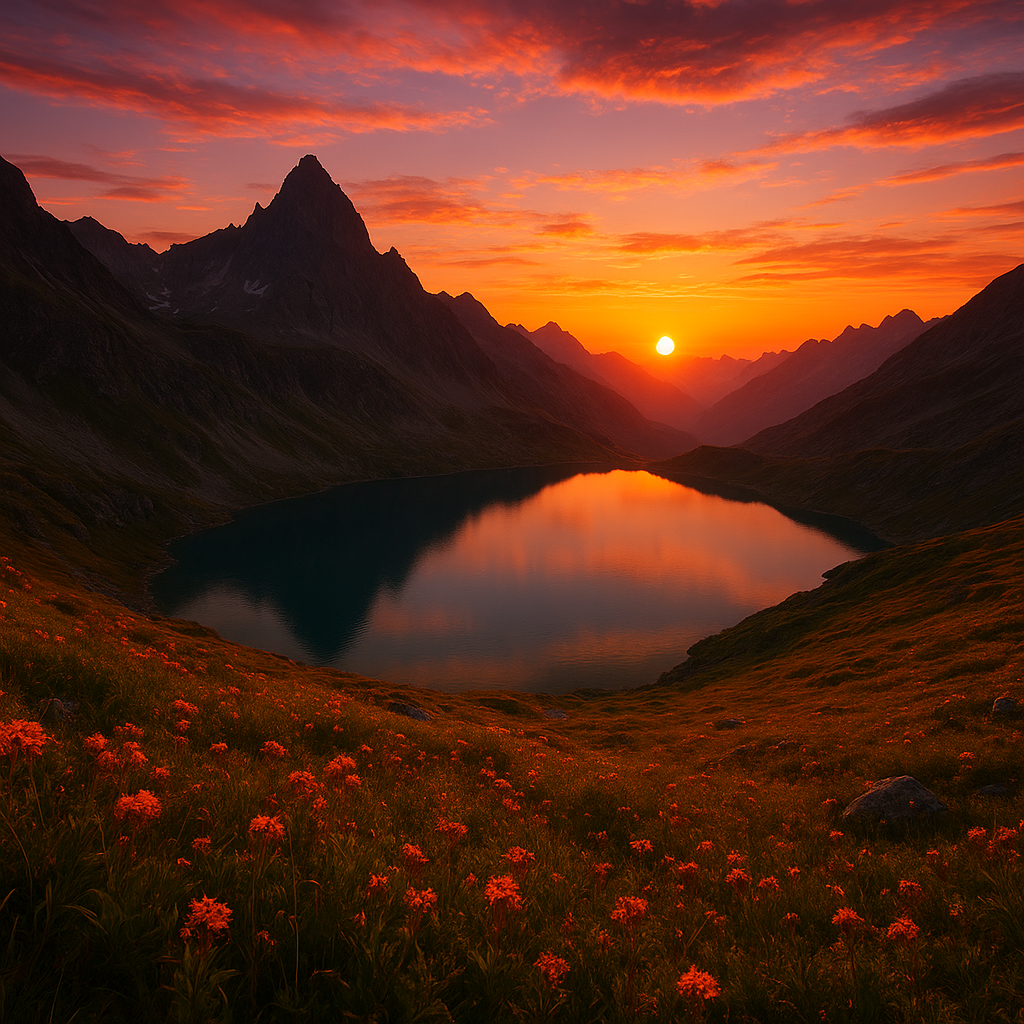
Early morning and late afternoon light will highlight craggy peaks with warm hues, turning rock faces into glistening artworks. Seek out ridgelines that lead the viewer’s eye into the distance, emphasizing depth and scale. A telephoto lens can compress layers of mountains, while a wide-angle lens immerses you in the vastness.
Crystal Clear Lakes and Reflections
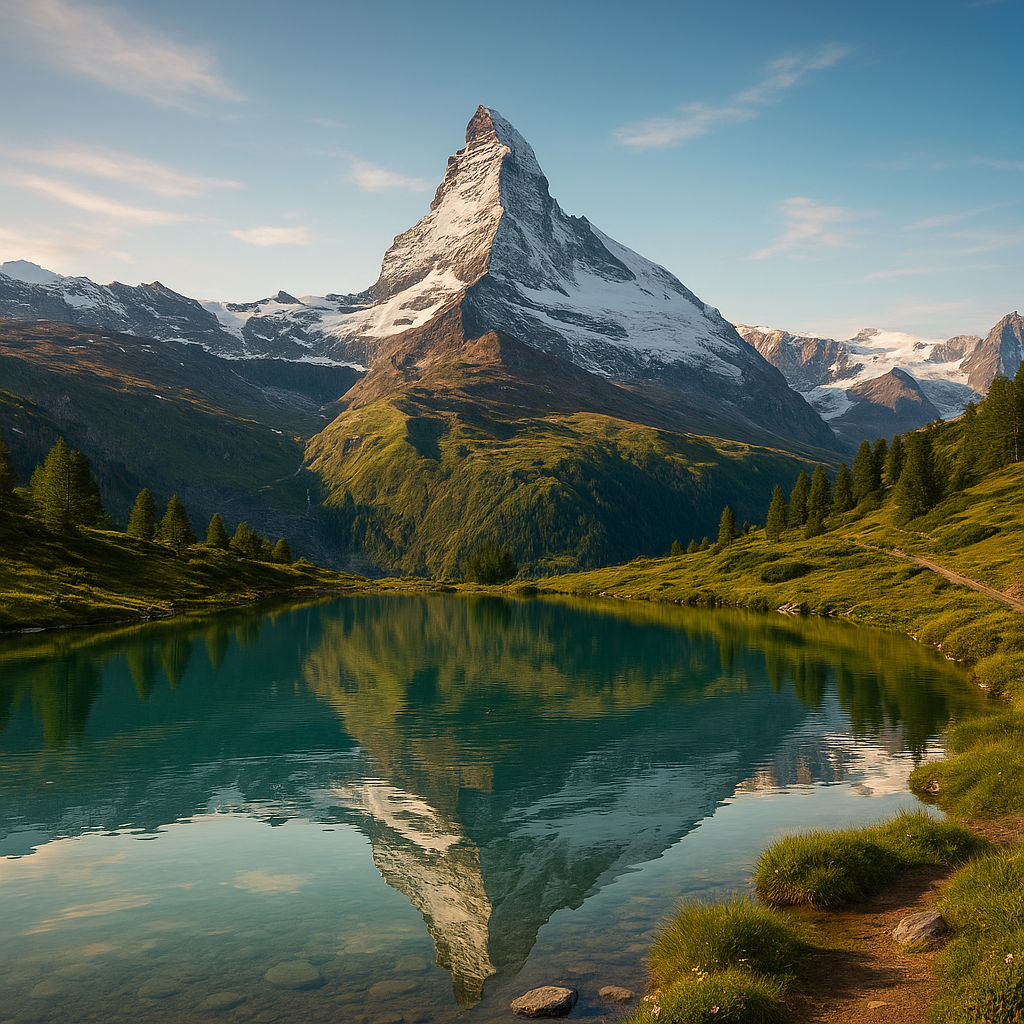
The Swiss Alps are dotted with pristine alpine lakes that mirror towering peaks and vibrant skies. These bodies of water are ideal for capturing turquoise hues and perfect reflections during calm weather. Visit at dawn for the most serene waterscape images, as even the slightest breeze can disrupt the mirror effect.
Must-Visit Lakes
- Lake Oeschinen: Nestled beneath steep rock walls, accessible via Kandersteg cable car.
- Lake Bachalpsee: A short hike from First in Grindelwald, offering iconic Matterhorn reflections.
- Riffelsee: Near Zermatt, famous for its inverted image of the Matterhorn at sunrise.
Use a tripod and a polarizing filter to manage glare and enhance color saturation. Experiment with long exposures to smooth ripples into silky surfaces, accentuating the perfect reflections of alpine peaks. Compose shots that include natural foreground elements like rocks or wildflowers to add context and interest.
Majestic Glaciers and Snow-Capped Summits
Giant rivers of ice carve through remote valleys, creating stark contrasts between white expanses and dark rock. Photographers will marvel at the intricate textures and patterns etched by centuries of movement. Look for crevasses and seracs illuminated by low-angle sun, lending an otherworldly glow to these frozen giants.
Top Glacier Destinations
- Aletsch Glacier: Europe’s largest glacier, spanning over 20 kilometers in length.
- Rhone Glacier: Accessible near the Furka Pass, with an ice grotto tunnel you can walk through.
- Pasterze Glacier: At the foot of the Grossglockner, Austria’s tallest peak, reachable from Heiligenblut.
Capture jagged ice formations with a macro lens for close-up details, or ascend to higher viewpoints for sweeping aerial perspectives. During midday, the glacier’s surface can appear flat; instead, choose early or late hours for deep shadows that define the icy topography. Don’t forget to bracket exposures, as the snow can blow out your highlights if not managed carefully.
Charming Mountain Villages and Alpine Culture
Beyond raw nature, the Swiss Alps are dotted with villages that exude timeless charm. Picture timber chalets perched on hillsides, flower boxes bursting with color, and narrow cobblestone streets winding between stone churches. These settlements offer a glimpse into centuries-old traditions and local lifestyles.
Photogenic Alpine Villages
- Grindelwald: With its backdrop of Eiger’s north face, it’s a favorite among landscape photographers.
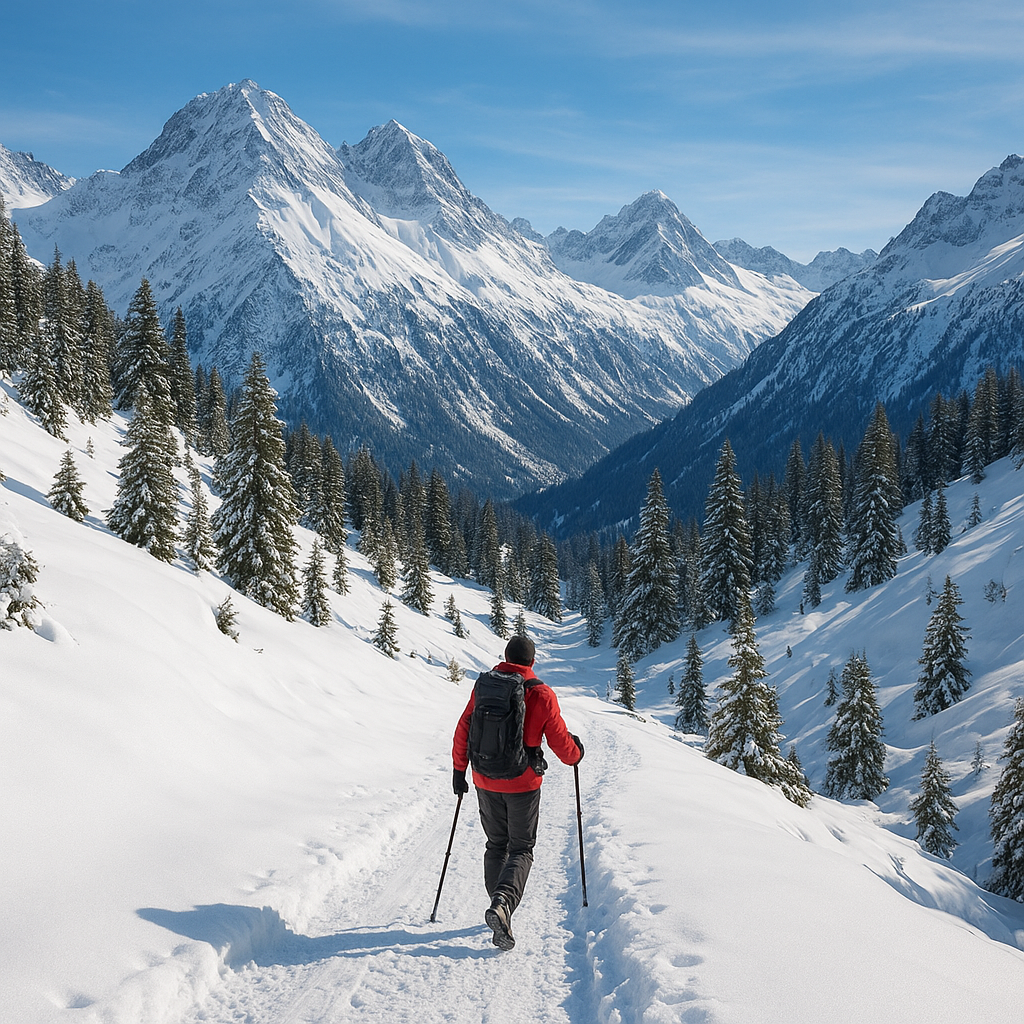
- Wengen: A car-free village accessible by train, perfect for capturing serene winter scenes.
- Appenzell: Known for its vividly painted houses and vibrant folk festivals.
Pay attention to small details: a farmer herding cattle in a meadow, a rustic wooden sign, or local artisans crafting traditional woodwork. These elements bring your images to life, showcasing the heritage and daily rhythms of alpine communities. Use a moderate aperture (f/8–f/11) to keep both foreground and background elements sharp.
Practical Photography Tips for Alpine Shoots
Shooting in high mountain environments presents unique challenges, from rapidly changing weather to unpredictable lighting. Follow these guidelines to ensure you return home with stunning, professional-quality images.
- Weather Awareness: Mountain conditions can shift dramatically. Check local forecasts and watch for cloud buildup or sudden storms.
- Packing Essentials: Bring extra batteries (cold drains power quickly), lens cloths (to wipe dew and snow), and layered clothing to stay warm.
- Tripod Use: A sturdy tripod is crucial for long exposures, low-light conditions, and precise composition.
- Lens Selection: A zoom lens (24-70mm) covers many scenarios, while a wide-angle (16-35mm) captures expansive vistas, and a telephoto (70-200mm) isolates distant peaks.
- Composition Techniques: Apply the rule of thirds, leading lines (such as mountain ridges), and natural frames (archways or overhanging branches) to guide viewers through your image.
- Golden and Blue Hours: Shoot at sunrise and sunset for warm, directional light, and at twilight for soft, cool tones that highlight the alpine atmosphere.
Finally, respect the fragile mountain environment. Stay on marked trails, pack out all waste, and give wildlife their space. By combining responsible travel with thoughtful technique, you’ll uncover the most scenic and rewarding photographic experiences the Swiss Alps have to offer.