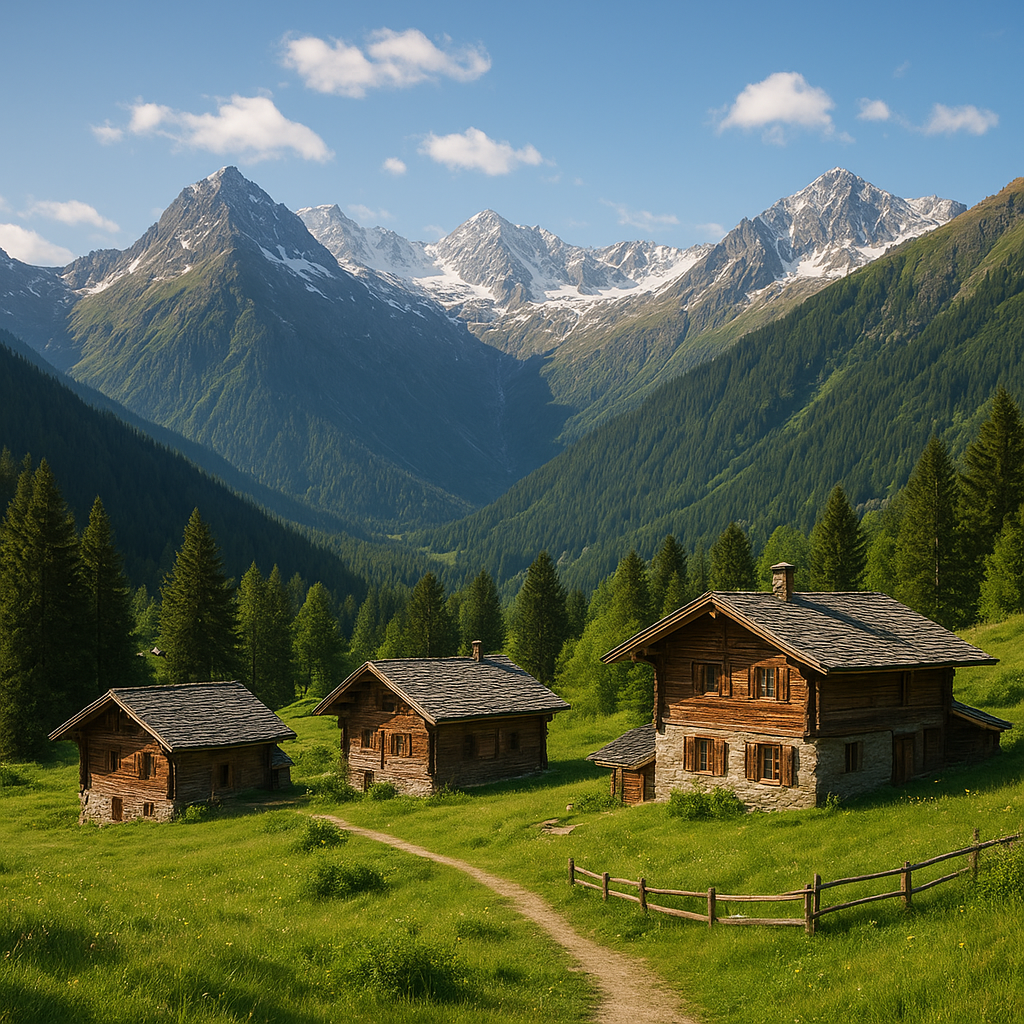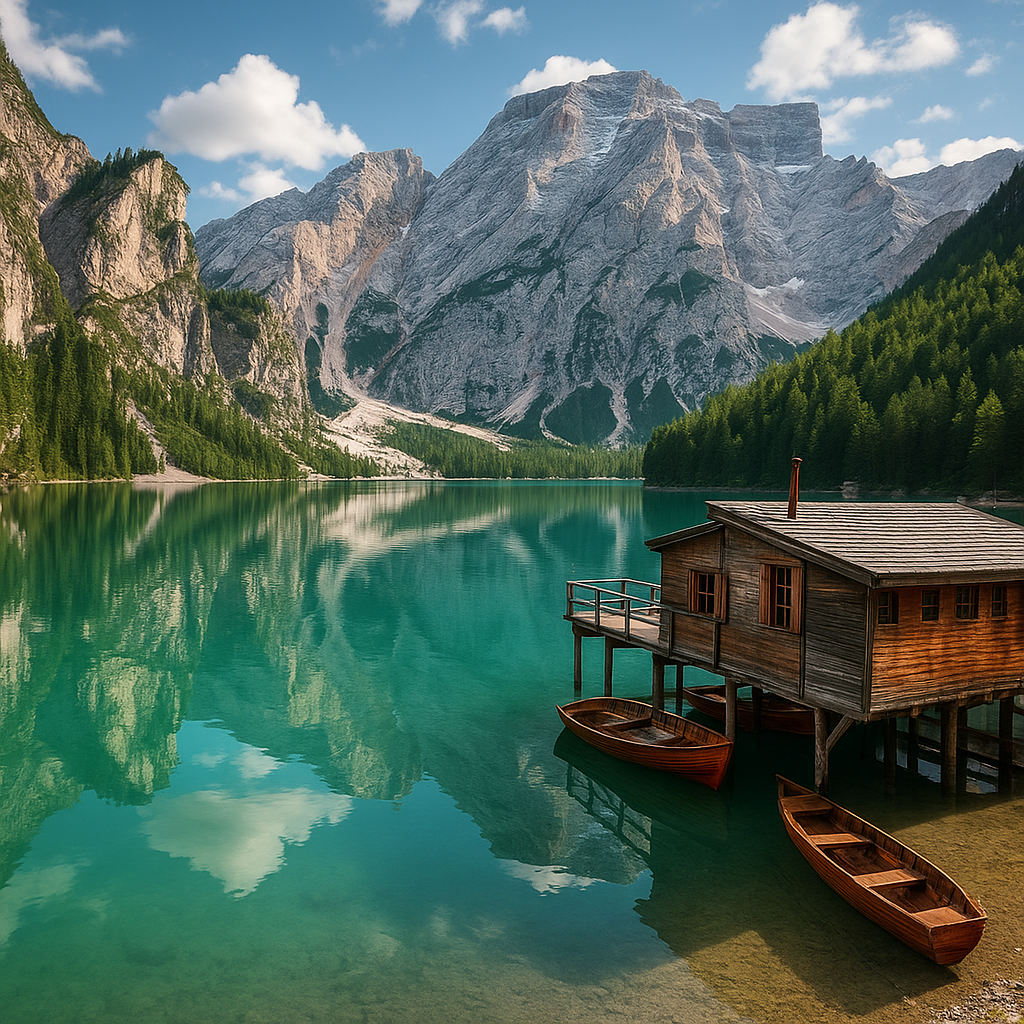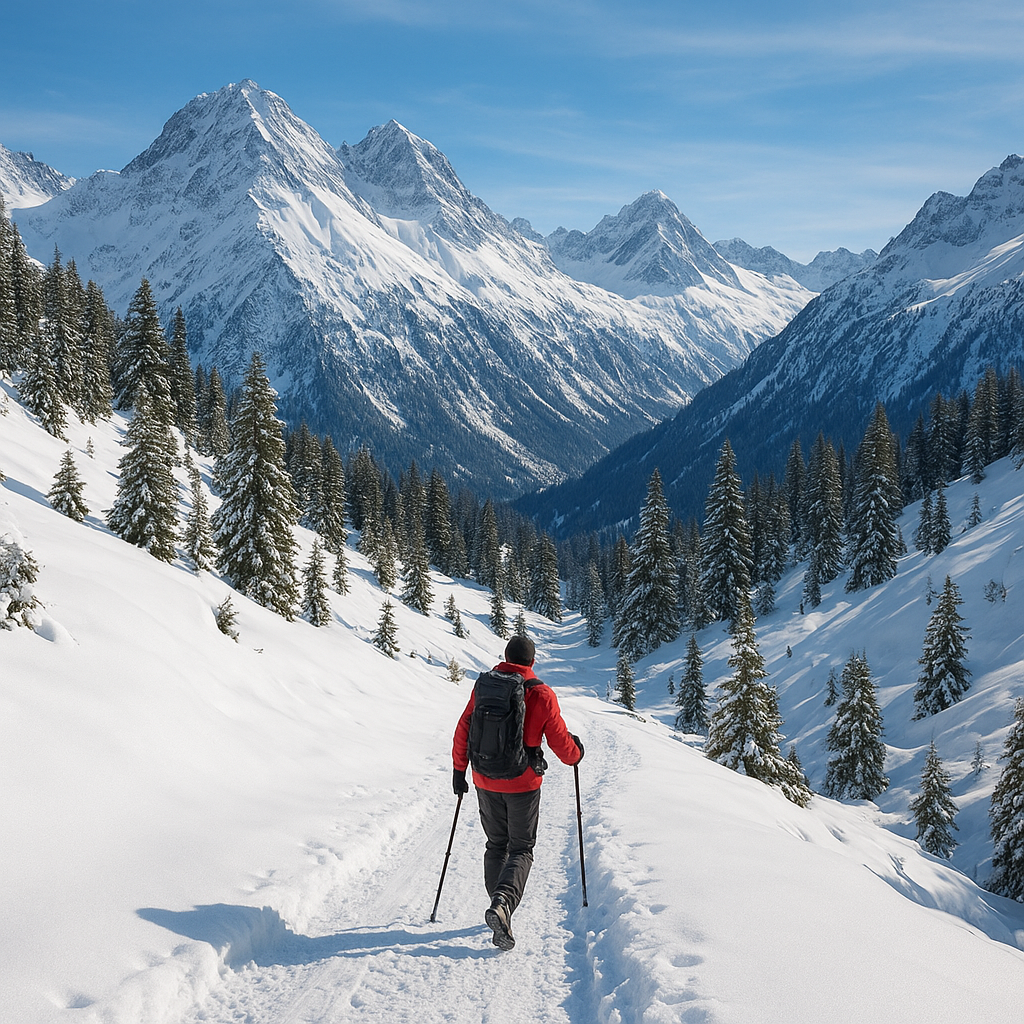
Exploring the snow-clad highlands of the Alps on foot offers an unforgettable blend of natural beauty, cultural charm, and invigorating exercise. From winding paths through dense forests to open ridges with sweeping views, winter hiking reveals a side of these majestic mountains that few seasons can match. Whether you’re an experienced mountaineer or a casual trekker, the Alpine region has something to captivate every outdoor enthusiast. In the following chapters, we delve into the essence of winter hiking in the Alps, present some of the most scenic routes, outline essential gear and safety considerations, and highlight cultural gems waiting along the way.
The Allure of Winter Hiking in the Alps
When frost transforms high-altitude meadows into a pristine white canvas, the Alps take on an otherworldly ambiance. Crisp mountain air, the crunch of fresh snow under your boots, and the hush of nature in slumber create a uniquely serene atmosphere. Winter hiking in this region is not merely a physical activity but a sensory feast: every turn reveals snow-covered peaks shimmering under pale daylight, and each valley echoes with the distant murmur of melting ice.
Beyond the aesthetics, the Alps serve as a backdrop for personal adventure. Traversing frozen slopes and sheltered woodlands demands both mental focus and physical endurance, culminating in moments of pure triumph as you reach a high pass or encounter a frozen waterfall. The promise of panoramic views and the satisfaction of self-powered exploration combine to make winter hiking a profoundly exhilarating pursuit.
Unlike crowded summer trails, winter routes often reward hikers with generous portions of solitude. Ski resorts might buzz with activity, but the more remote footpaths remain tranquil, allowing for intimate encounters with wildlife tracks in the snow and the occasional Alpine chough gliding overhead.
Top Scenic Trails
1. The Chamonix Valley Loop
Starting from the historic town of Chamonix, this loop climbs gradually through pine forests before opening onto the famous Aiguille du Midi panorama. Along the way, hikers cross frozen streams and may spot ibex grazing at higher elevations. The trail’s high point at Brévent offers breathtaking views of Mont Blanc, Europe’s tallest peak. Descend via a different route that skirts the Mer de Glace, where crevasses lie beneath a delicate layer of snow.
- Distance: 15 km
- Elevation gain: 900 m
- Difficulty: Moderate to challenging
2. Zermatt to Riffelalp Ridge
In the shadow of the iconic Matterhorn lies a network of trails perfect for winter exploration. The route from Zermatt to Riffelalp ascends through quiet hamlets, eventually reaching a ridge with panoramic vistas of glaciers and spires. The final stretch features undulating terrain that feels like traversing a frozen sea, culminating at the historic Riffelalp Hotel, an ideal spot for a warming beverage.
- Distance: 10 km
- Elevation gain: 600 m
- Difficulty: Moderate
3. Dolomites’ Path of the Laces (Sentiero delle Farangole)
Although technically in the Italian Alps, the Dolomites deserve mention for their unique geological formations. The Path of the Laces winds around sheer cliffs and through natural gorges, offering glimpses of dramatic pinnacles known locally as “pale mountains.” Winter conditions transform narrow ledges into ribbons of frozen wonder, making this trail a thrilling choice for seasoned hikers equipped with crampons and ice axes.
- Distance: 12 km
- Elevation gain: 750 m
- Difficulty: Advanced (requires technical gear)
4. Swiss Endurance Route: Engelberg to Melchsee-Frutt
For those seeking a day-long trek through diverse terrain, the path from Engelberg leads hikers across high plateaus and through idyllic valleys. The highlight is the ascent to the Melchsee lake, often frozen by winter’s height, offering a picturesque backdrop for rest and reflection. The final descent passes by traditional chalets that glow warmly at dusk.
- Distance: 18 km
- Elevation gain: 1100 m
- Difficulty: Challenging
Essential Gear and Safety Tips
Tackling winter trails requires careful preparation. Appropriate equipment not only enhances comfort but also ensures safety in an environment where conditions can change rapidly.
- Layered Clothing: Start with a moisture-wicking base, add insulating mid-layers, and finish with a waterproof, windproof outer shell.
- Footwear: Insulated, waterproof hiking boots with sturdy traction. Attachments like crampons or microspikes are crucial on icy sections.
- Navigation: Carry a detailed map and a compass, and consider a GPS device or smartphone app with an offline map download.
- Safety Equipment: An avalanche transceiver, probe, and shovel are recommended in high-risk zones. A first-aid kit and emergency bivy sack can be lifesavers.
- Hydration and Nutrition: Cold temperatures can mask dehydration, so drink regularly. Pack high-energy snacks like nuts, dried fruit, and energy bars.
- Sun Protection: Snow reflects UV rays intensely. Sunglasses or goggles and high-SPF sunscreen are mandatory.
Before setting out, always check weather forecasts and avalanche bulletins. Inform someone of your planned route and expected return time. In case of unexpected whiteout conditions or injury, knowing your exact position speeds up rescue efforts.
Cultural Highlights Along the Trails
The Alps are as rich in heritage as they are in natural wonders. Scattered along many hiking paths are centuries-old chapels, rustic mountain huts, and remnants of historic trade routes.
- Mountain Huts: Operated by Alpine clubs, these refuges offer simple dormitories, hearty meals, and a glimpse into traditional hospitality. Some have been welcoming travelers since the 19th century.
- Local Cuisine: Pause for a steaming cup of müesli or indulge in raclette and fondue at valley-side inns. Pair your meal with a regional craft beer or warming herbal tea.
- Folklore and Festivals: Winter markets in towns like Innsbruck or Bolzano brim with crafts, music, and local delicacies. Learn about mountain legends through stories shared by local guides.
- Historic Trails: Routes once used by shepherds, traders, and pilgrims still follow ancient stone pavements. Walking these paths links hikers to centuries of human endeavor against a backdrop of towering peaks.
Connecting with local culture transforms a simple trek into a comprehensive journey through time. Each encounter—whether it’s a chat with a hut warden or discovering a centuries-old inscription—adds depth to the experience.