The majestic peaks of the Alps have captured human imagination for centuries. Nestled between eight European countries, this mountain range is home to the iconic Matterhorn, spectacular valleys, and diverse ecosystems. From ancient legend to modern-day expedition and environmental concerns, the story of the Alps offers a rich tapestry of geology, culture, and adventure.
Geological Origins and Mythical Tales
Formation of the Alps
Rising more than 4,800 meters above sea level, the Alps began forming around 65 million years ago during the collision of the African and Eurasian tectonic plates. This immense geological pressure uplifted layers of rock, creating jagged summits and deep valleys. Over time, glacial movement sculpted the high peaks and carved U-shaped valleys, leaving behind moraines, cirques, and other glacial features.
Ancient Myths and Folklore
Long before scientific explanations emerged, local communities wove stories around alpine phenomena. Villagers spoke of sky-dwelling spirits, hidden treasures beneath ice, and giants shaping the peaks with their colossal hammers. These tales served to explain sudden storms, avalanches, and the haunting echoes that wind through narrow ravines. One popular legend tells of a guardian of the Matterhorn who tested the hearts of climbers, rewarding the courageous and punishing the prideful.
The Matterhorn’s Historical Ascent
First Attempts
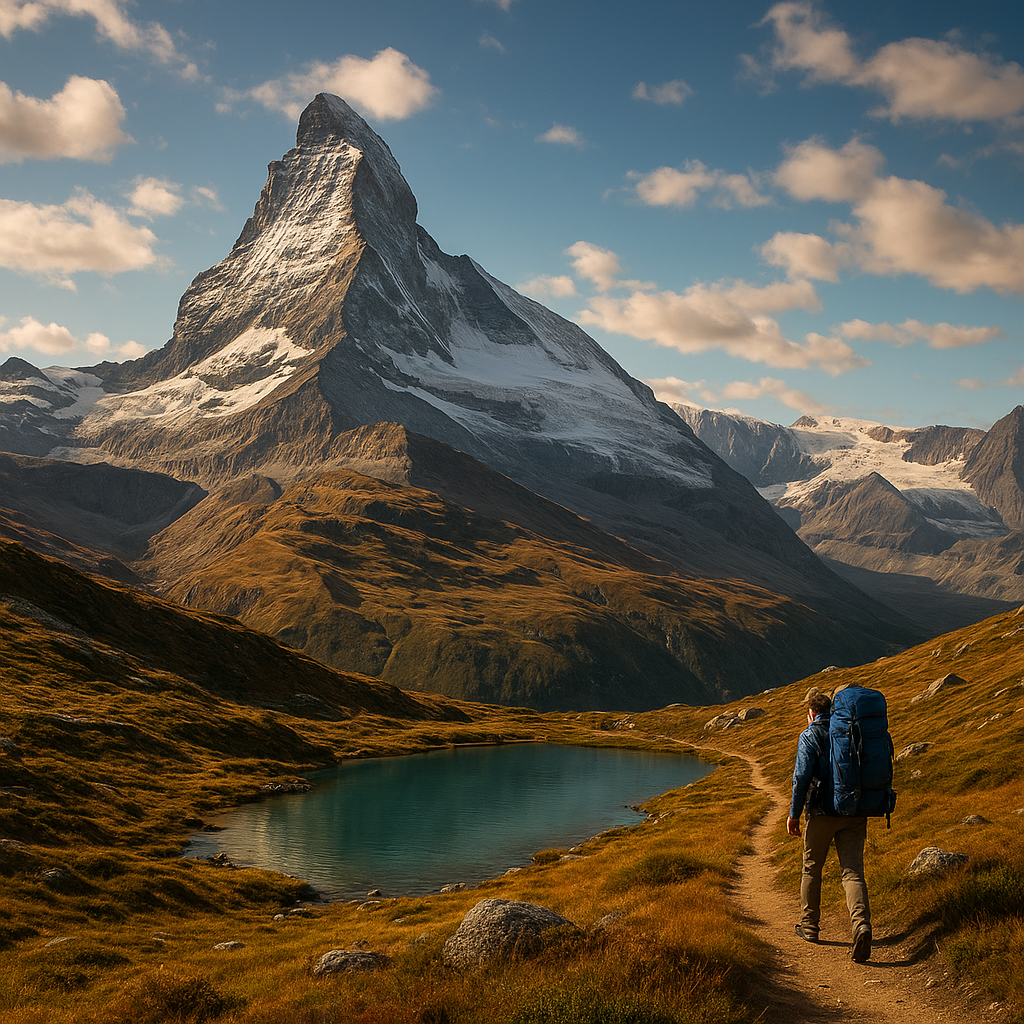
In the early 19th century, interest in alpine exploration grew among European scientists and aristocrats. The Matterhorn, with its almost symmetrical pyramid, became the ultimate symbol of challenge. Multiple teams attempted its summit without success, deterred by treacherous ice, rockfall, and unpredictable weather. Local guides, once hesitant, gradually shared their knowledge of hidden ledges, ridges, and seasons most favorable for climbing.
First Successful Summit
July 14, 1865, marked a turning point in mountaineering history. A British-led team with experienced Swiss guides achieved the first official ascent of the Matterhorn. This expedition ended in tragic descent after strained rope lines caused several climbers to fall to their deaths, reminding the world that triumph often comes hand in hand with danger. The event sparked both celebration and debate, igniting the sport of mountaineering across Europe.
Evolution of Alpine Culture and Alpine Sports
From Pastoral Life to Alpine Villages
For millennia, high-altitude farmers maintained flocks on summer pastures, developing unique agrarian customs. Stone chalets dot the slopes, and centuries-old Alpine cheese-making traditions persist. Seasonal festivals feature yodeling choirs, alphorn performances, and ceremonial cattle drives. Over time, these villages adapted to increased tourism, blending authenticity with modern hospitality.
Rise of Winter Sports
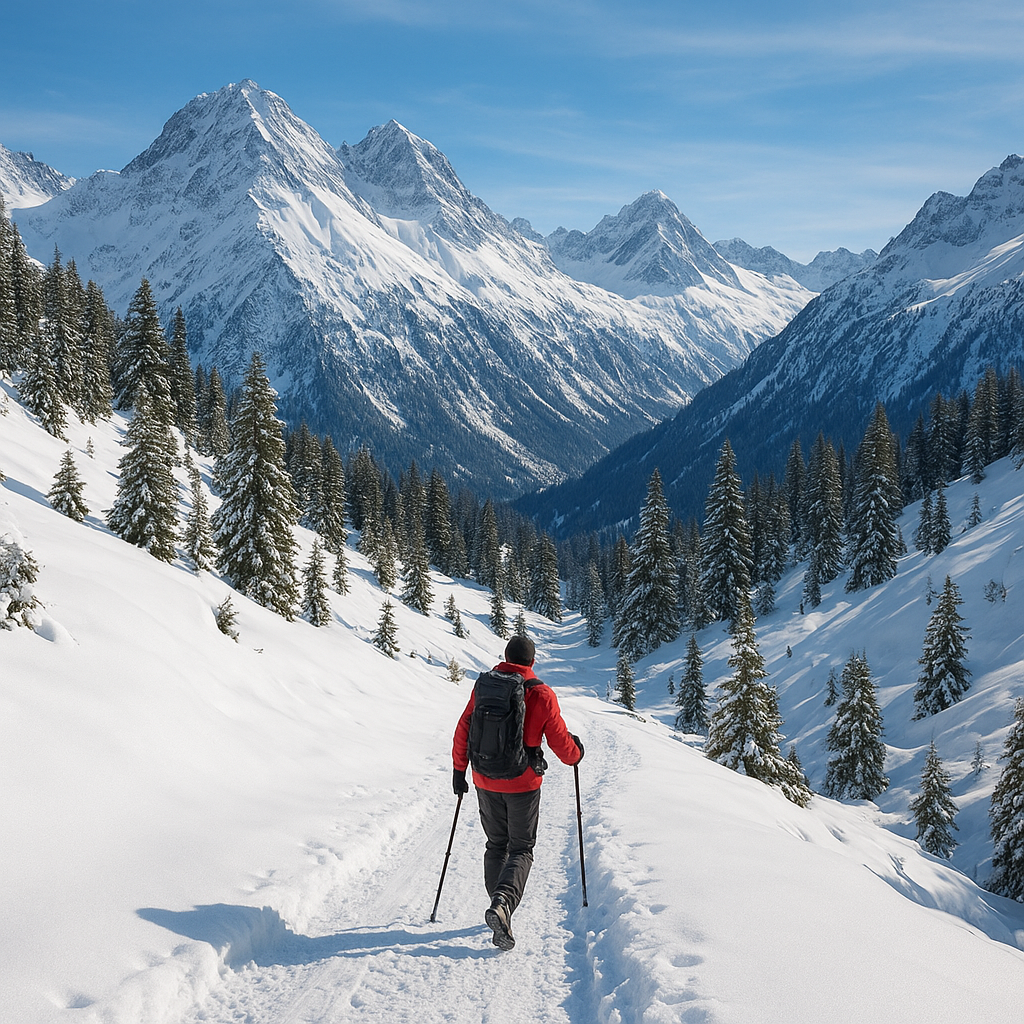
With the advent of rail travel in the 19th century, winter tourism boomed. Skiing transformed from a Nordic necessity to a glamorous sport. Elite resorts emerged in Chamonix, St. Moritz, and Zermatt, offering downhill thrills, ski jumping, and ice skating. The interwar period saw ski lifts and cable cars, making high passes accessible to families and leisure travelers. Today, the Alps host World Cup races, cross-country trails, and winter festivals, attracting millions of enthusiasts annually.
Biodiversity, Conservation, and Modern Challenges
Flora and Fauna
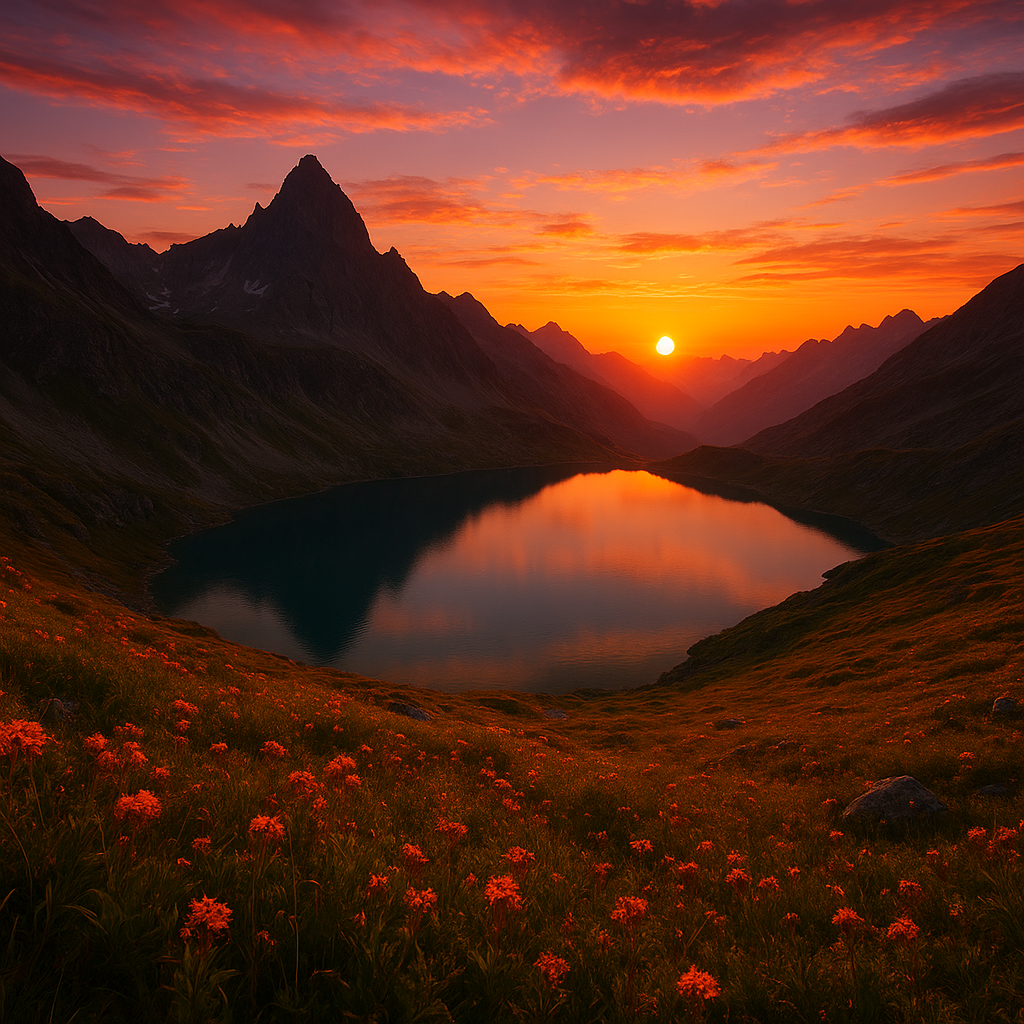
The Alps house remarkable diversity. Alpine meadows burst with edelweiss, gentians, and alpine roses. Forests of spruce, larch, and Swiss pine provide habitat for deer, chamois, and ibex. Predators such as the lynx and golden eagle hunt across ridges. Conservation efforts have led to rewilding projects, reintroducing species once endangered by hunting and habitat loss.
Environmental Pressures
Climate change poses serious threats. Glaciers are retreating at unprecedented rates, altering water supplies for rivers that feed agriculture and hydropower turbines. Rising temperatures cause permafrost thaw, destabilizing steep slopes and increasing rockfall hazards. Alpine communities face challenges in balancing tourism demands with sustainable resource management.
Protection Initiatives
- Creation of cross-border national parks, such as the Swiss National Park and Gran Paradiso Park.
- Strict regulations on construction and waste disposal in protected areas.
- Promotion of low-impact activities: eco-hiking, cycling, and public transport use within the valley network.
- Educational programs emphasizing the value of alpine biodiversity and traditional land stewardship.
Adventures and Cultural Heritage
Iconic Alpine Routes
The Haute Route connects Chamonix to Zermatt, weaving through glaciers, high passes, and alpine huts. The Tour du Mont Blanc offers a circular trek around Europe’s highest peak, introducing hikers to French, Italian, and Swiss cultures. These trails demand endurance, acclimatization, and respect for mountain etiquette. Completing them ranks among the world’s most rewarding achievements.
Modern Mountaineering and Ethical Climbing
Today’s climbers combine technical gear—ice axes, crampons, and GPS navigation—with knowledge of weather patterns. Ethical considerations guide route selection to minimize environmental impact. Many mountaineers join citizen science projects, documenting glacial retreat and wildlife sightings to support research. Climbing schools emphasize Leave No Trace principles and cultural respect for alpine communities.
Preserving Alpine Heritage
Beyond thrilling ascents, the Alps’ heritage resides in its music, cuisine, and craftsmanship. Local artisans carve wooden carvings, handcraft clocks, and weave intricate textiles. Mountain huts offer traditional dishes: fondue, raclette, and Sachertorte. Folk festivals reenact centuries-old legends, reinforcing the bond between people and peaks.
Future of the Alps
Innovation and Sustainability
Scientists explore renewable energy solutions—micro-hydropower, solar installations on mountain huts, and wind turbines in strategic passes. Green corridors aim to connect fragmented habitats, supporting species migration under shifting climate zones. Knowledge-sharing platforms unite researchers, local authorities, and tourists in developing resilient alpine communities.
Adventure Meets Responsibility
The call of the mountains remains strong, yet the path forward demands care. Adventurers learn to navigate melting glaciers, unstable rock faces, and variable weather patterns. Communities cherish their natural and cultural assets while embracing modernity. Together, they strive to ensure that generations to come can experience the awe of the Alps and their crown jewel, the Matterhorn, in all their enduring glory.