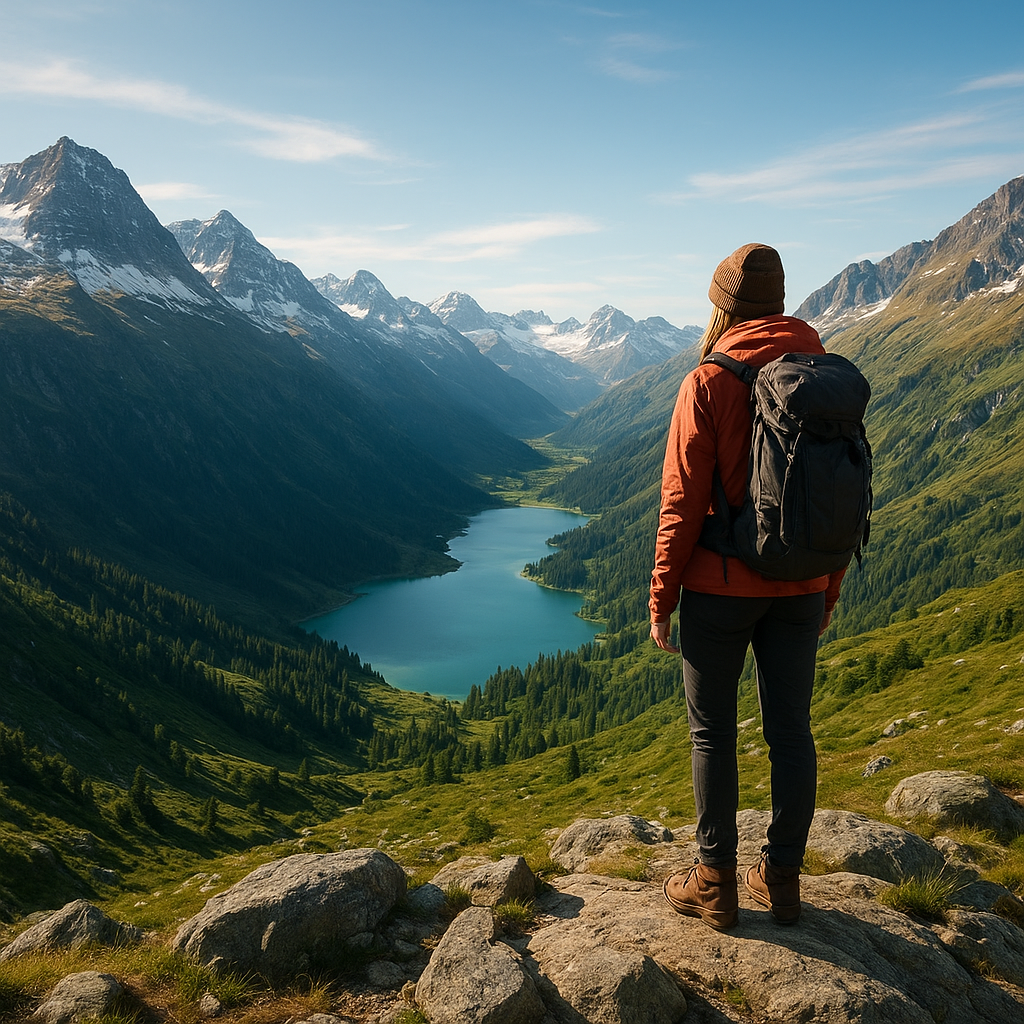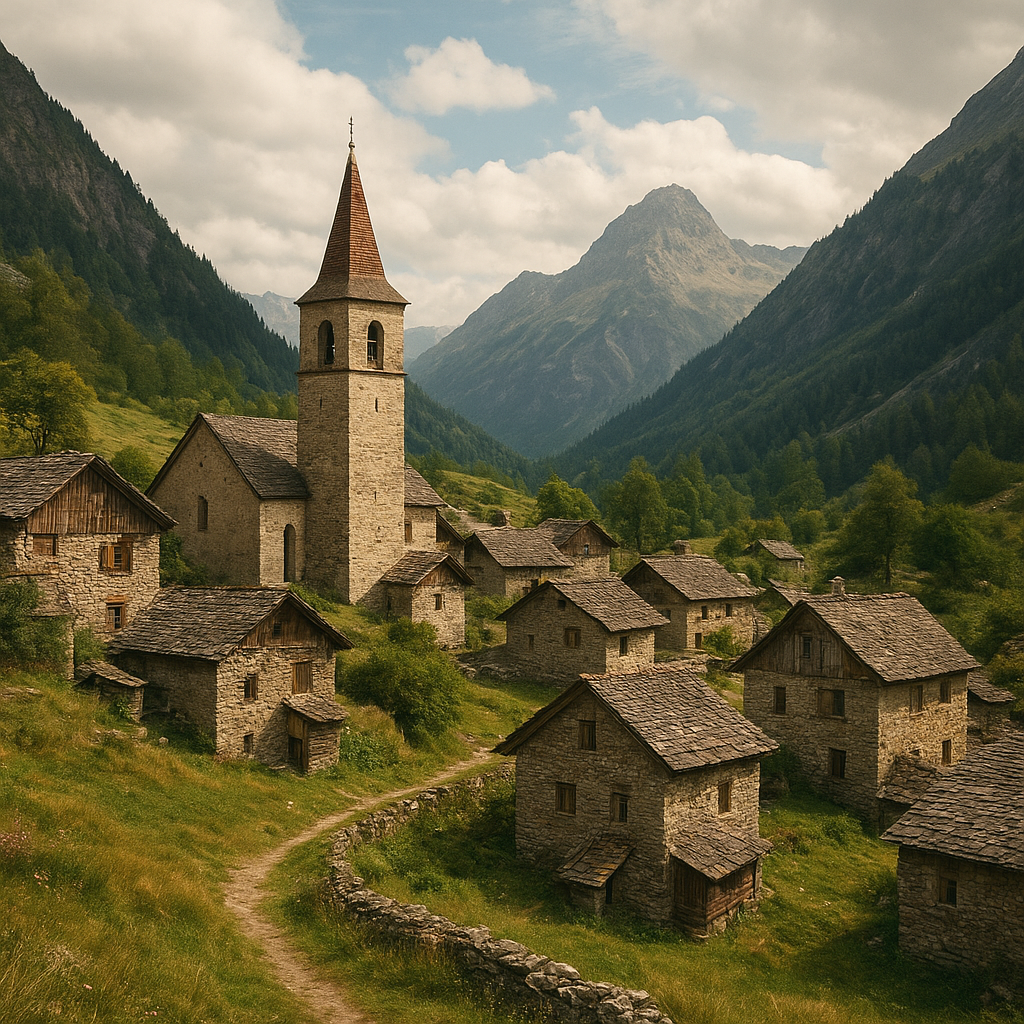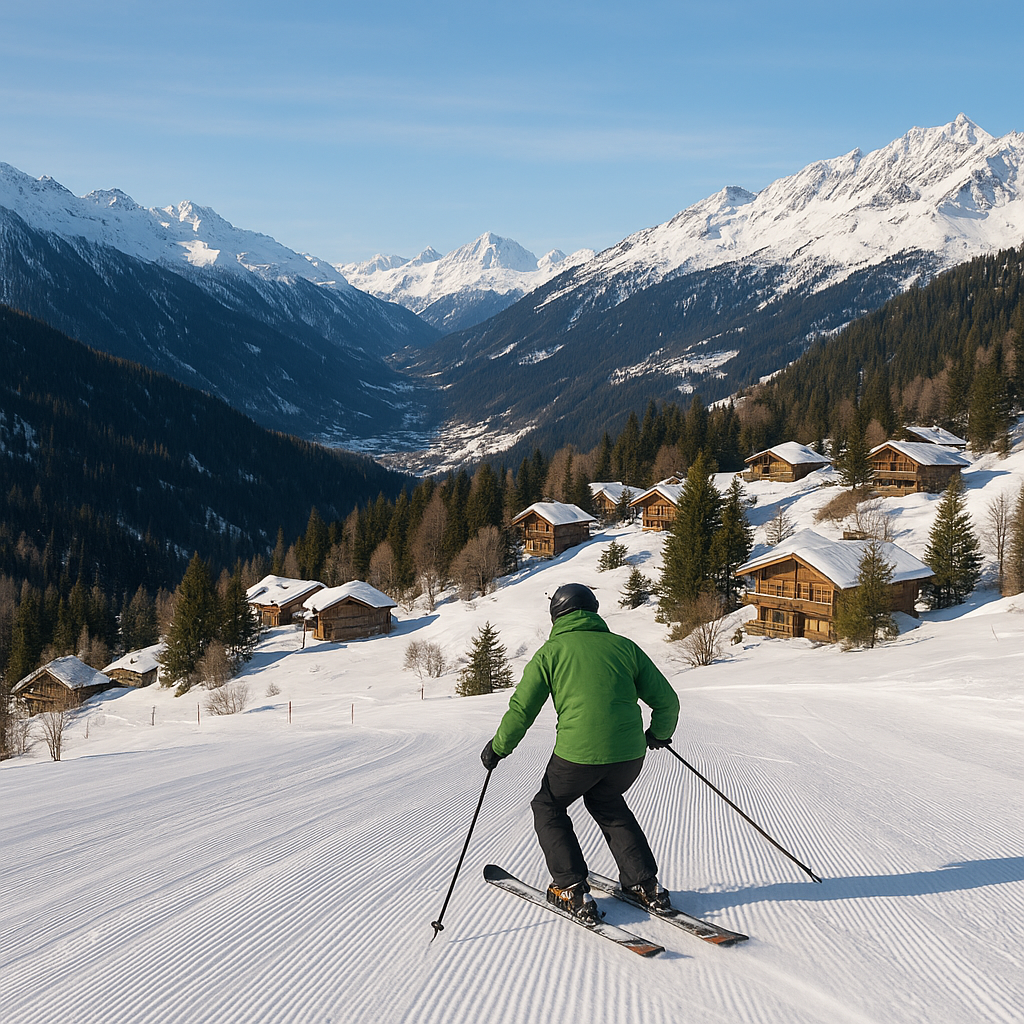
Stretching across eight countries, the Alps stand as one of the most spectacular mountain ranges in Europe. From soaring peaks and glacial valleys to charming villages nestled among pine forests, this region is celebrated for its breathtaking scenery and rich cultural traditions. Yet, as tourism and development accelerate, the need to protect the fragile mountain ecosystem has never been more urgent. In this article, we explore how Alpine communities are embracing sustainability through innovative projects, green infrastructure, and close collaboration with local residents and visitors.
Geography and Biodiversity: A Delicate Balance
The Alpine arc extends from the Mediterranean coastline near Nice in France to the shores of the Adriatic Sea in Slovenia. Its dramatic relief includes some of Europe’s highest peaks, such as Mont Blanc (4,809 m) and the Matterhorn (4,478 m). This diverse topography supports an astonishing array of plant and animal life. Alpine meadows burst into color each summer with rare orchid species, while marmots, ibexes, and golden eagles roam the rocky heights.
Human activity—whether in the form of urban expansion, ski-resort development, or intensive agriculture—can threaten this biodiversity. As a response, numerous protected areas and national parks have been established to preserve vital habitats. The Swiss National Park, for instance, enforces strict conservation rules, prohibiting hunting, logging, and off-trail hiking in order to let nature follow its own course.
Innovative Eco-Friendly Initiatives in Alpine Resorts
Several Alpine resorts have gone beyond mere eco-labels to implement ground-breaking solutions that reduce their environmental impact. Key initiatives include:
- Renewable energy installations: Solar panels on chalet roofs, micro-hydro turbines in mountain streams, and biomass boilers fueled by local woodchips cut down reliance on fossil fuels.
- Green building standards: New hotels and lodges are erected using low-carbon materials, superior insulation, and passive design principles to minimize heating requirements.
- Zero-waste policies: Many resorts encourage guests to sort and recycle waste rigorously; some provide communal refill stations for toiletries to reduce single-use plastics.
- Sustainable water management: Advanced snowmaking equipment employs weather-adaptive systems to conserve water and energy when preparing slopes.
- Carbon-offset programs: Visitors can opt to offset their travel emissions by contributing to local reforestation or renewable energy projects in the region.
Case Study: A Model Resort
In Austria, one mountain village has achieved nearly carbon-neutral status. It sources 100% of its electricity from on-site solar and wind farms, while a network of geothermal heating plants warms public buildings and private homes. To further engage visitors, the resort organizes educational “eco-tours” that showcase the workings of its sustainable infrastructure and the importance of preserving the Alpine heritage.
Transportation: Reducing the carbon footprint in the Mountains
A key challenge for mountain tourism is mitigating the emissions from private vehicles making their way up winding roads. To address this, several solutions have emerged:
- Electric shuttle buses link valley train stations to ski lifts and hotel clusters, ensuring a smooth transit experience without emissions on the final leg.
- Car-free zones: Some pedestrianized villages ban cars altogether during peak seasons, relying solely on electric carts and horse-drawn sleighs for local transport.
- Charging infrastructure: High-capacity charging stations are installed in resort parking lots, making electric vehicles a practical option for day-trippers and long-stay guests alike.
- Rail incentives: Discounted ski passes for train ticket holders encourage the use of public transit, which often runs on renewable energy sources in Alpine countries.
Cultural Preservation and community Engagement
Alpine towns pride themselves on centuries-old customs—be it the ringing of cowbells during summer grazing festivals or artisans crafting wooden ice-skating shoes. Maintaining these traditions helps strengthen the bond between residents and environment. Initiatives include:
- Community workshops where visitors can learn folk dances, traditional cooking methods, or alpine craft techniques directly from local masters.
- Farm-to-table dining experiences that highlight endemic produce, such as mountain cheeses and wild berry preserves, thereby reducing food miles.
- Volunteer programs: Guests can join reforestation drives, trail maintenance crews, or wildlife-monitoring expeditions, fostering a deeper connection with the landscape.
Balancing Growth and Tradition
Major infrastructure projects—like new cable-car lines or expanded ski domains—can boost revenues but also risk eroding the authentic character of Alpine communities. Successful resorts conduct extensive impact assessments and hold public consultations, ensuring that development respects both the environment and local way of life. In Switzerland, for example, zoning laws limit building heights and footprints, resulting in a harmonious blend of modern comforts and time-honored aesthetics.
The Future of Sustainable Alpine Tourism
As global climate patterns shift, the Alps face challenges such as glacial retreat, reduced snowfall, and increased incidence of rockfalls. However, the collective response of mountain stakeholders demonstrates remarkable innovation and resilience. Key trends to watch include:
- Snow-sure alternatives: Summer hiking, mountain biking, and cultural heritage trails are being promoted to balance economic activity across all seasons.
- Smart mountain management: Digital platforms monitor weather, snowpack, and visitor flows in real time to optimize resource use and minimize disturbance to wildlife.
- Collaborative networks: Cross-border alliances share best practices, research findings, and funding mechanisms to advance regional sustainability goals.
Through these and other concerted efforts, the Alps continue to evolve as a living landscape where environmental stewardship, cultural vitality, and economic prosperity go hand in hand. Every winter skier, summer hiker, and mountain enthusiast can play a part in safeguarding this majestic region for future generations.