The Mont Blanc Massif captivates enthusiasts from every corner of the globe with its towering peaks, vast glaciers, and rich cultural tapestry. Nestled between France, Italy, and Switzerland, this region offers a unique blend of natural beauty and human achievement. In this comprehensive guide, you will explore the massif’s stunning geology, trace the evolution of mountaineering triumphs, delve into its vibrant biodiversity, and gather practical advice for planning your own high-altitude expedition. Whether you seek technical climbs or scenic trail walks, the Mont Blanc Massif promises an unforgettable journey.
Geographical Features of the Mont Blanc Massif
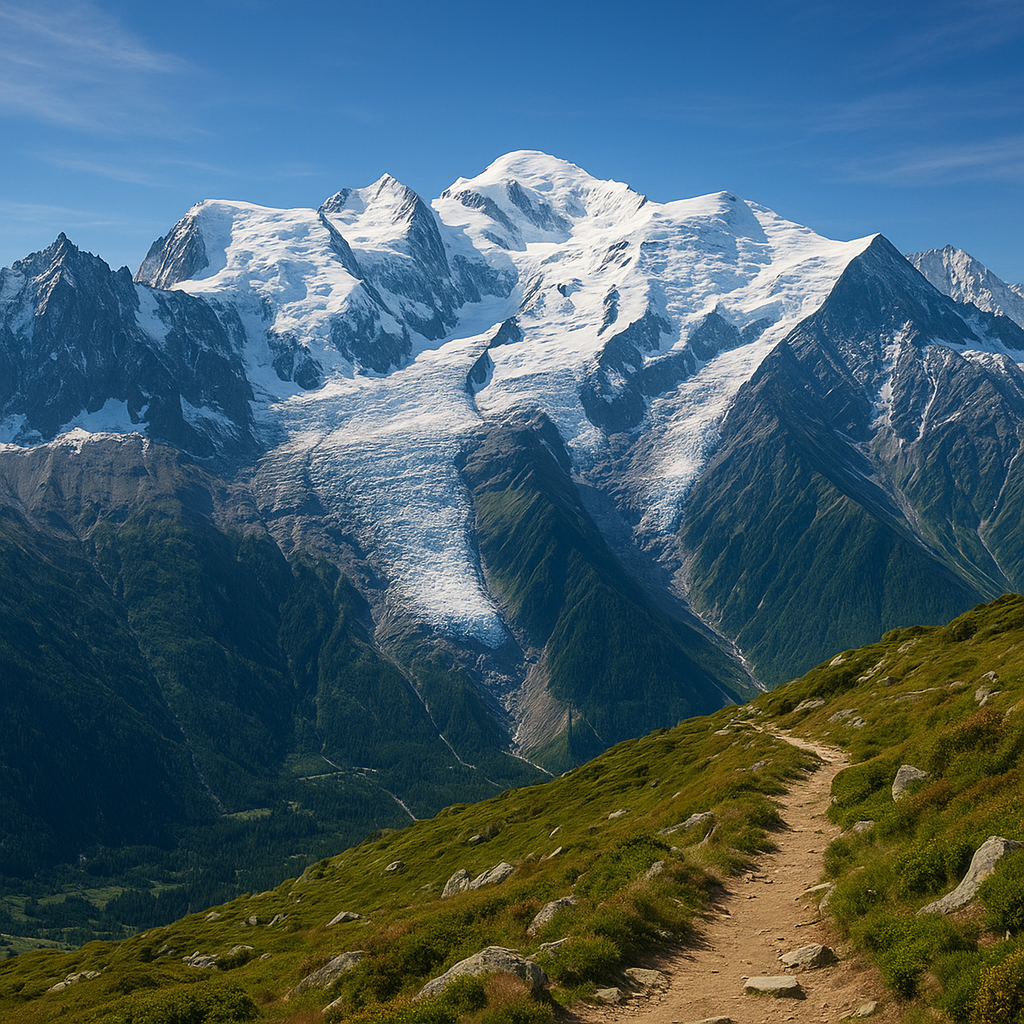
At the heart of the region, the massif spans over 400 square kilometers, boasting more than 20 peaks rising above 4,000 meters. Mont Blanc itself, often called the “Roof of Europe,” reaches a soaring altitude of 4,810 meters, making it the continent’s highest summit. Glacial networks carve deep valleys and dramatic ridges, creating ever-changing landscapes that range from pristine snowfields to jagged rock faces.
Glaciers and Icefields
- The Mer de Glace, France’s largest glacier, extends over 12 kilometers and descends from an altitude of 3,800 meters to 1,500 meters. Its blue crevasses and seracs draw photographers and scientists alike.
- On the Italian side, the Glacier du Pré de Bar offers challenging routes for advanced climbers striving to navigate icefalls and steep icewalls.
- Seasonal melt patterns reveal unique features each year, providing vital data for climate researchers studying glacial retreat and its global impact.
Rock Formations and Valleys
The massif’s varied rock types—granite, gneiss, and schist—create distinct climbing experiences. The famous Aiguille du Midi monolith, composed of solid granite, presents both a technical ascent and a panoramic vantage point. Surrounding valleys such as Chamonix and Val Veny display lush meadows at lower elevations, where glacial runoff nourishes vibrant ecosystems.
History and Mountaineering Achievements
From early local shepherds to modern high-altitude athletes, the Mont Blanc Massif has witnessed centuries of daring exploration. The first documented ascent of Mont Blanc in 1786 marked a pivotal moment in the birth of mountaineering as a recognized pursuit.
Pioneering Climbs
- Jacques Balmat and Michel Paccard achieved the first successful ascent of Mont Blanc on August 8, 1786, using rudimentary equipment. This feat inspired a wave of scientific and recreational expeditions across Europe.
- In the mid-19th century, British climbers like Edward Whymper advanced the sport by completing first ascents on dangerously steep ridges and icefalls, often risking their lives on uncharted routes.
- The Golden Age of Alpinism (1854–1865) saw over 100 first ascents in the massif, including famous peaks like the Grandes Jorasses and the Aiguille Verte.
Modern Mountaineering and Records
Today’s climbers benefit from lightweight gear and precise weather forecasting, pushing the boundaries of alpine speed and style. Notable achievements include:
- Fastest winter ascent of Mont Blanc: a record-breaking solo climb completed in under 5 hours.
- First solo winter traverse of the Argentière Ridge, showcasing exceptional technical skill on mixed ice and rock terrain.
- High-altitude paragliding launches from the summit, combining mountaineering with aerial adventure.
Flora, Fauna, and Conservation
The Mont Blanc Massif supports a remarkable array of life, adapting to harsh conditions from valley floors to glaciated heights. Conservation efforts seek to preserve both the fragile alpine environment and the livelihoods of local communities.
Unique Plant Communities
- Subalpine meadows burst into color each summer with alpine roses, edelweiss, and violet saxifrage, offering important forage for herbivores.
- Higher elevations host lichen-draped granite outcrops, where hardy mosses and cushion plants survive extreme freezing and UV radiation.
- Botanical research stations monitor shifts in plant distribution as temperatures rise, providing early warnings of ecological stress.
Wildlife Adaptations
Mammals like ibex and chamois scale precipitous cliffs, while marmots hibernate through long winters in burrows insulated by snow. Bird species such as the golden eagle and alpine chough navigate strong mountain winds, hunting small rodents or scavenging near climbing routes.
Conservation Initiatives
- Protected zones limit development in sensitive areas, ensuring that human impact on fragile soils and water sources remains minimal.
- Local authorities collaborate on waste management programs, installing eco-friendly toilets and promoting “leave no trace” principles among hikers.
- Educational campaigns engage visitors in preserving high-altitude habitats, emphasizing the massif’s role as a freshwater reservoir for millions.
Practical Information for Modern Explorers
Whether you are planning a leisurely trek or a technical climb, sound preparation is essential for a safe and memorable experience in the Mont Blanc Massif.
When to Visit
- Summer (June–September): Ideal for trekking, via ferrata routes, and non-technical peaks. Daylight hours extend, but afternoon thunderstorms can be frequent.
- Winter (December–March): Ski touring and ice climbing opportunities abound, though avalanche risk demands expert knowledge and reliable forecasts.
- Shoulder seasons (April–May, October–November): Fewer crowds and lower prices, but variable snow conditions require flexibility and local advice.
Essential Gear
- Proper layering system: moisture-wicking base layers, insulating mid-layers, and a waterproof shell to tackle sudden weather changes.
- Technical equipment: crampons, ice axe, harness, helmet, and ropes for glacier crossings and steep ice slopes.
- Navigation tools: reliable topographic maps, GPS device or app, and knowledge of reading alpine terrain and snow conditions.
- Emergency kit: avalanche transceiver, probe, shovel, first aid supplies, and sufficient food and water for unexpected delays.
Local Culture and Cuisine
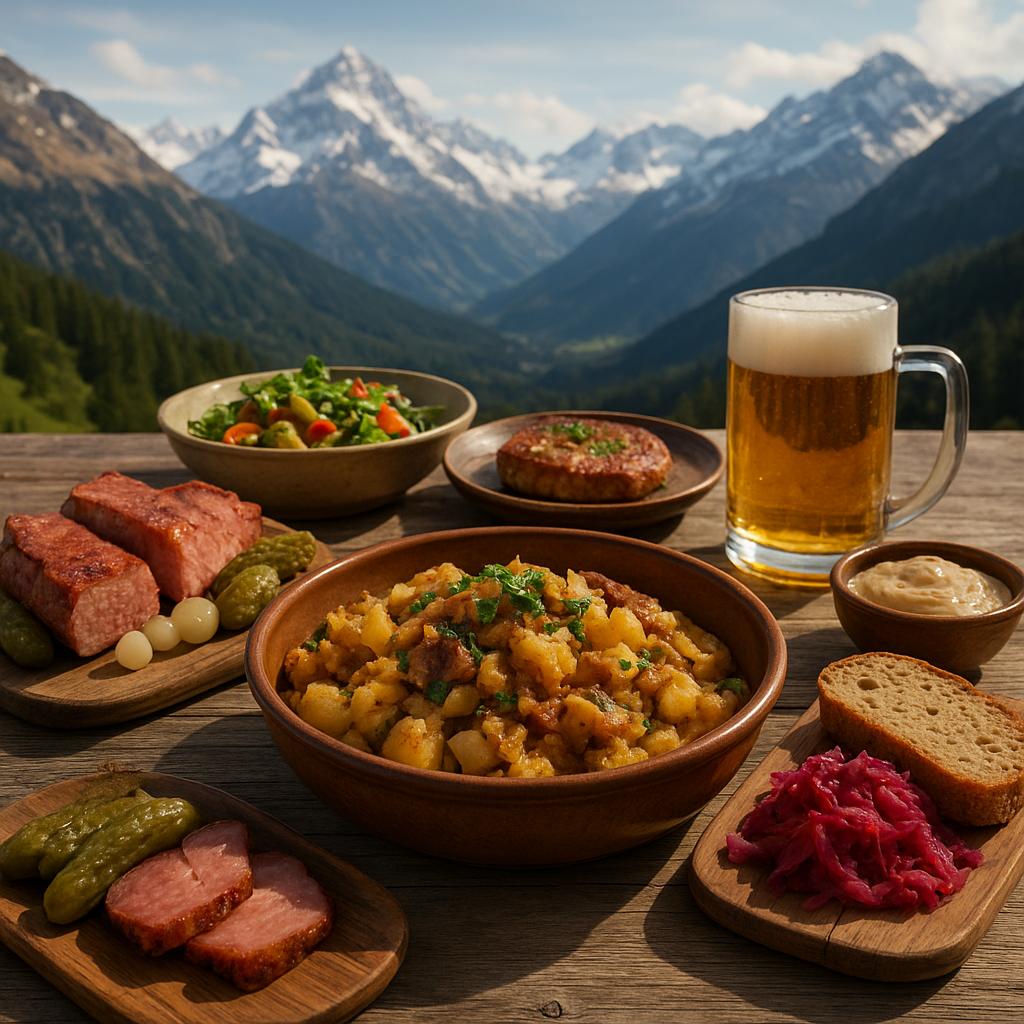
After a demanding day on the slopes or trails, savor regional specialties that reflect the massif’s pastoral heritage. Cheese lovers will delight in fondue, raclette, and the pungent Reblochon, all ideally paired with hearty barley soup or local red wine. Friendly mountain huts welcome climbers and trekkers with warm hospitality, offering dormitory beds and communal meals that foster camaraderie among visitors.
Respecting Mountain Etiquette
- Stay on marked routes to protect fragile vegetation and avoid hazardous terrain.
- Yield right of way: downhill traffic, rope teams, and skiers descending faster should be given priority.
- Dispose of waste responsibly: pack out all trash, and use designated toilet facilities in huts or valley stations.