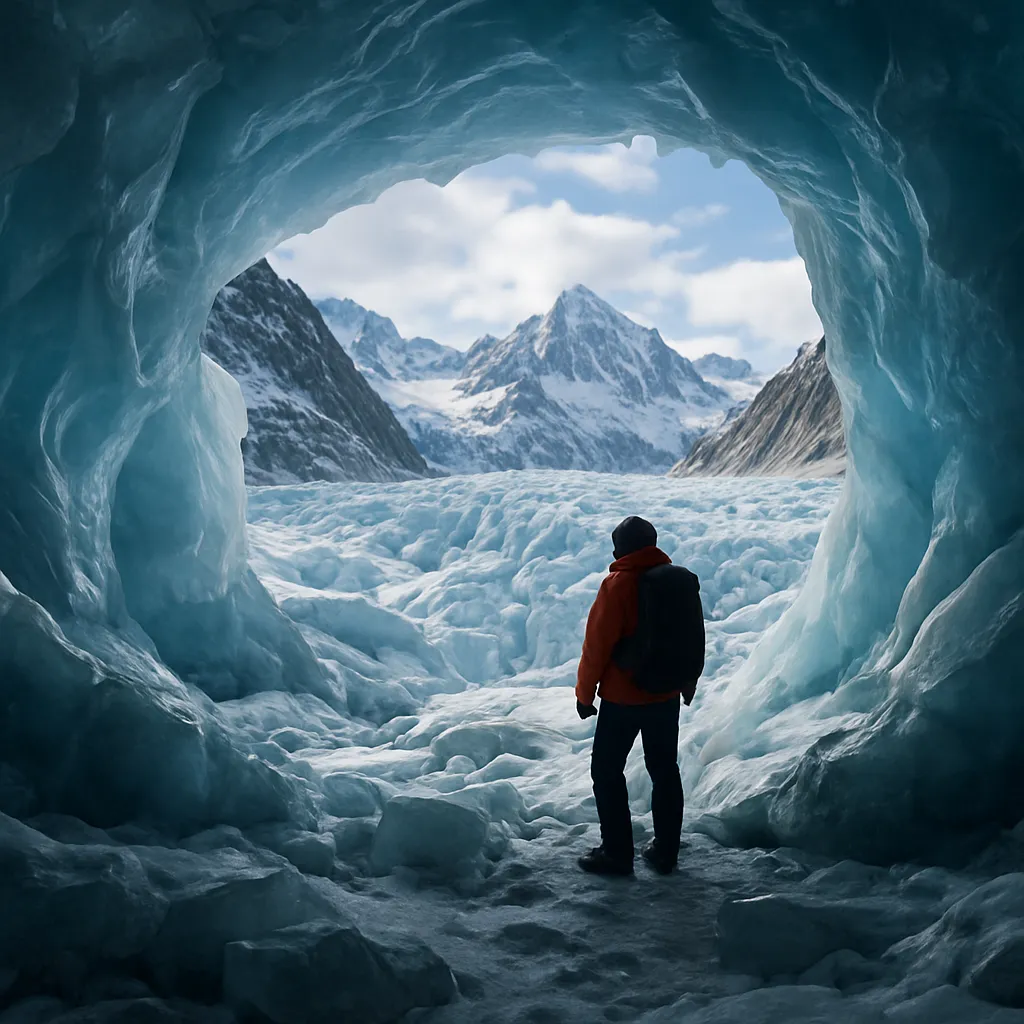
Deep within Europe’s highest mountain range lies a realm of breathtaking vistas, rigorous trails, and timeless alpine tradition. From snow-clad ridges to dramatic stone faces, the Alps offer an unparalleled opportunity to test your endurance and chase the elusive feeling of reaching a grand summit. This guide explores the ten most iconic peaks, the skills and gear required, and strategies to ensure a memorable and safe ascent. Prepare to immerse yourself in an adventure that will redefine your limits and ignite a passion for the alpine world.
Majestic Alpine Summits
- Mont Blanc (4,810 m) – Straddling France and Italy, Mont Blanc reigns as the highest peak in Western Europe. Climbers encounter glaciated slopes, exposed ridges, and unpredictable weather. The classic Gouter Route demands proper acclimatization, solid ice-axe technique, and respect for ever-shifting crevasses.
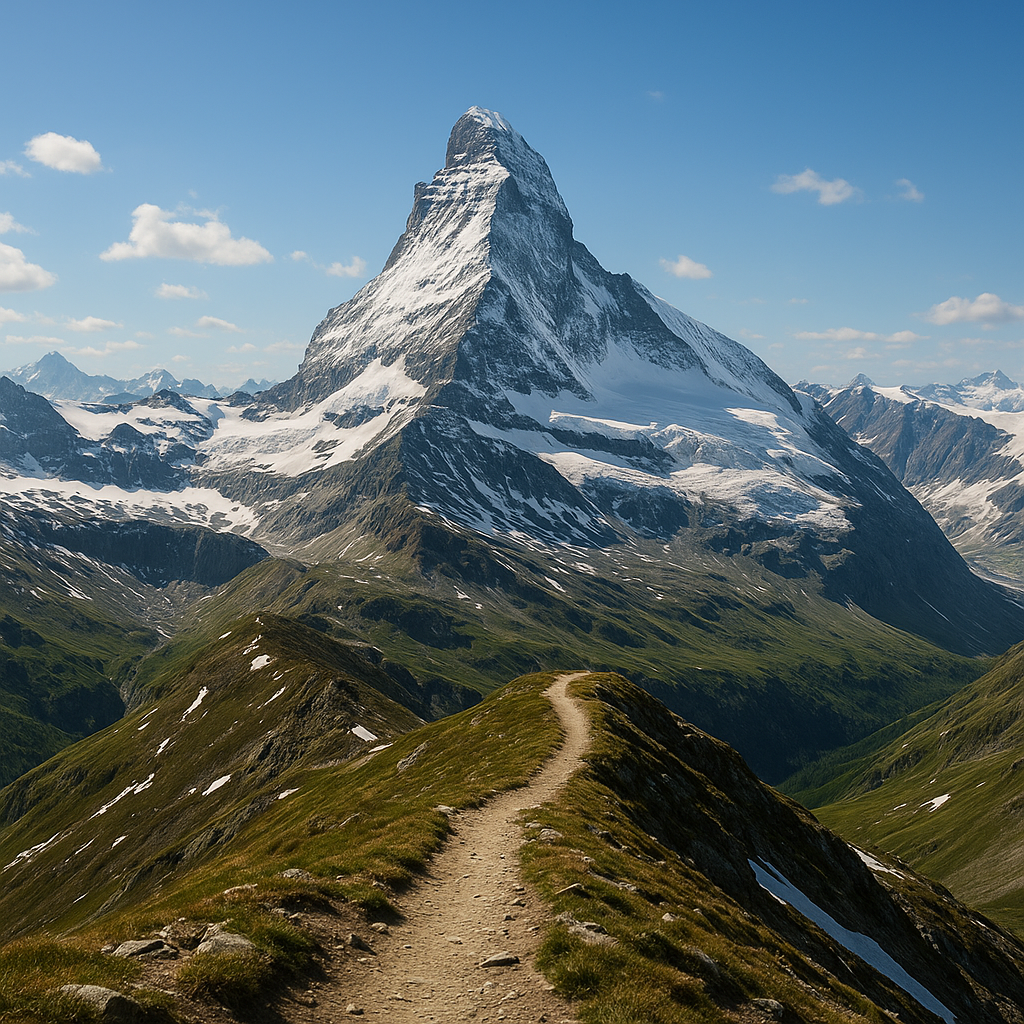
- Matterhorn (4,478 m) – Its distinct, pyramid shape has become the emblem of alpine beauty. Located on the Swiss–Italian border, the Hörnli Ridge route blends rock scrambling with steep snowfields. Strong teamwork and route-finding skills are essential to navigate loose rock and sudden storms.
- Gran Paradiso (4,061 m) – Italy’s only four-thousander entirely within its borders offers a gentler introduction to high-altitude climbing. Expect expansive glaciers, serene woodlands at lower elevations, and a final push marked by a corniced ridge leading to the summit cross.
- Dufourspitze (4,634 m) – The highest point of Switzerland’s Monte Rosa massif. Approaches from the Monte Rosa Hut present steep ice slopes with gradients up to 50°. Climbers must possess solid crevasse-rescue knowledge and the ability to endure long days above 3,500 m.
- Weisshorn (4,506 m) – Often considered the most elegant four-thousander, its sharp ridges and rock towers demand excellent rock-climbing ability. The Schali Ridge route offers classic mixed terrain and panoramic views of nearby giants like the Matterhorn.
- Biancograt (Piz Bernina) (4,049 m) – The Biancograt ridge is renowned for its pure glacial arête, linking knife-edge ice with crevassed slopes. Located in Eastern Switzerland, it provides a thrilling experience for those seeking a blend of ice and rock at lofty heights.
- Grande Casse (3,855 m) – The highest summit of the Vanoise National Park in France. Its Pointe du Lamet route features large seracs, deep couloirs, and panoramic vistas of the Dauphiné Alps. Avalanche awareness is crucial during spring ascents.
- Wildspitze (3,770 m) – Austria’s highest peak rises above Tyrol, accessible via the Taschachferner or Hinterer Brochkogel routes. Crevassed glaciers and steep snowfields set the stage for an unforgettable high-altitude climb within the Ötztal Alps.
- Matterhorn Hornli Ridge – Although the main Matterhorn was already mentioned, the Hornli approach deserves its own praise. It offers a multi-pitch rock climb combined with steep snow gullies, challenging climbers to maintain focus for 800 vertical meters to the summit.
- Gran Zebrù (Königinspitze) (3,851 m) – Known as the Queen’s Peak, this mountain in northern Italy features sweeping ice slopes and narrow ridges. The ascent tests both physical stamina and the ability to adapt to rapidly changing ice conditions, rewarding climbers with expansive views over South Tyrol.
Essential Preparations for Alpine Climbing
Successful ascents begin long before you lace up your boots. A rigorous training plan should focus on cardiovascular fitness, uphill hiking with weighted packs, and altitude acclimatization hikes. Core exercises, stair runs, and glacier-walking practice will develop the muscular strength and proper technique needed for safe progress at high elevation. Joining a mountaineering course or working with a certified guide can sharpen your ice-axe arrests and crampon skills, while advanced crevasse-rescue drills ensure you’re ready for emergencies.
Next, assemble a well-considered gear list:
- Technical backpack (35–45 L) with comfortable harness attachment points
- Mountaineering boots compatible with rigid crampons
- Adjustable crampons and ice axes suited for steep terrain
- Climbing helmet, harness, dynamic rope, carabiners, slings
- Layered clothing system: moisture-wicking base layers, insulated mid-layers, windproof shells
- GPS or reliable alpine map with compass for route-finding
- Emergency bivouac equipment and high-calorie nutrition
- Sun protection: glacier glasses, sunscreen, and lip balm
Proper nutrition and hydration strategies are equally critical. Pack portable meals high in protein, carbohydrates, and electrolytes. During multi-day treks, cache food at higher altitude camps to reduce load and ensure energy replenishment when exhaustion sets in.
Strategies for a Safe and Rewarding Expedition
Weather can change in an instant above the tree line, so monitor forecasts from local alpine services daily. An early start—often before dawn—lets you avoid afternoon storms and reduce objective hazards like rockfall and wet snow. Establish fixed turnaround times, and respect them without exception.
Effective communication within the party enhances safety. Share clear signals for changes in pace, difficulties, or injury. Use radios in conditions of low visibility. By fostering mutual trust and constantly assessing each member’s condition, small groups can maintain steady progress and manage stress more effectively.
Altitude sickness is a silent adversary. Plan for gradual ascents with rest days every 500–700 m gained. If symptoms escalate, descend immediately. Avoid overexertion during the first hours at high camps, and stay attentive to headaches, nausea, or dizziness. A conservative approach often determines the success of your alpine challenge.
Cultural and Natural Wonders of the Alpine Realm
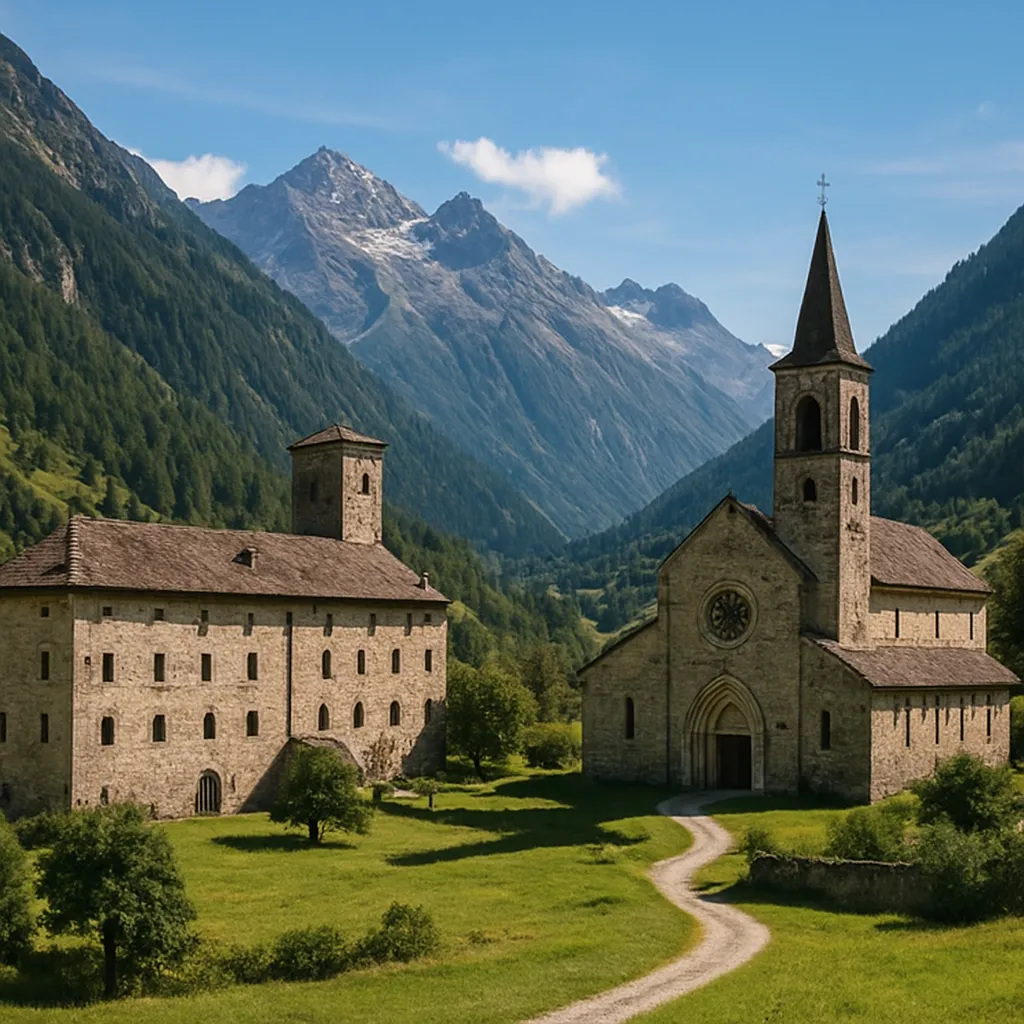
Beyond the thrill of climbing, the Alps are rich in history, ecology, and traditions. Old mountain huts run by local families offer a glimpse into pastoral lifestyles, with hearty regional dishes like fondue, speck, and alpine cheeses sustaining weary climbers. Immerse yourself in cultural festivals celebrating transhumance, where herders guide flocks across high passes each summer.
The diverse alpine landscape supports rare flora and fauna. Marmots whistling from rocky outcrops, chamois grazing on steep ledges, and the fleeting flight of bearded vultures create unforgettable encounters. Conservation areas like the Mercantour and Hohe Tauern National Parks protect glacial lakes, ancient conifer forests, and fragile peatlands, inviting climbers to appreciate the interdependence of human activity and natural processes.
Whether gazing at ice-blue seracs or pausing by a hidden chapel etched into granite walls, the Alps weave a tapestry of natural grandeur and human heritage. Conquering these peaks rewards the body, sharpens the mind, and deepens your connection to a landscape shaped by millennia of geological forces and centuries of alpine culture. Embrace the journey with respect, preparation, and the unwavering spirit of mountaineering safety, and the mountains will reveal their most treasured secrets.