Nestled between France, Switzerland, Italy, Germany, Austria, and Slovenia, the Alps rise as a testament to nature’s enduring power and beauty. From snow-capped peaks to verdant valleys, these mountains have captured the hearts of adventurers, artists, and gourmets for centuries. Beyond their sheer grandeur, the Alps offer a tapestry of ecosystems, cultural traditions, and epic hiking routes that beckon travelers from every corner of the globe. In this article, we’ll explore the Alpine environment, delve into its rich human heritage, highlight essential trail advice, and suggest the perfect post–hike nutrition to help you fully **rejuvenate** after a day of exploration.
Alpine Majesty and Natural Splendor
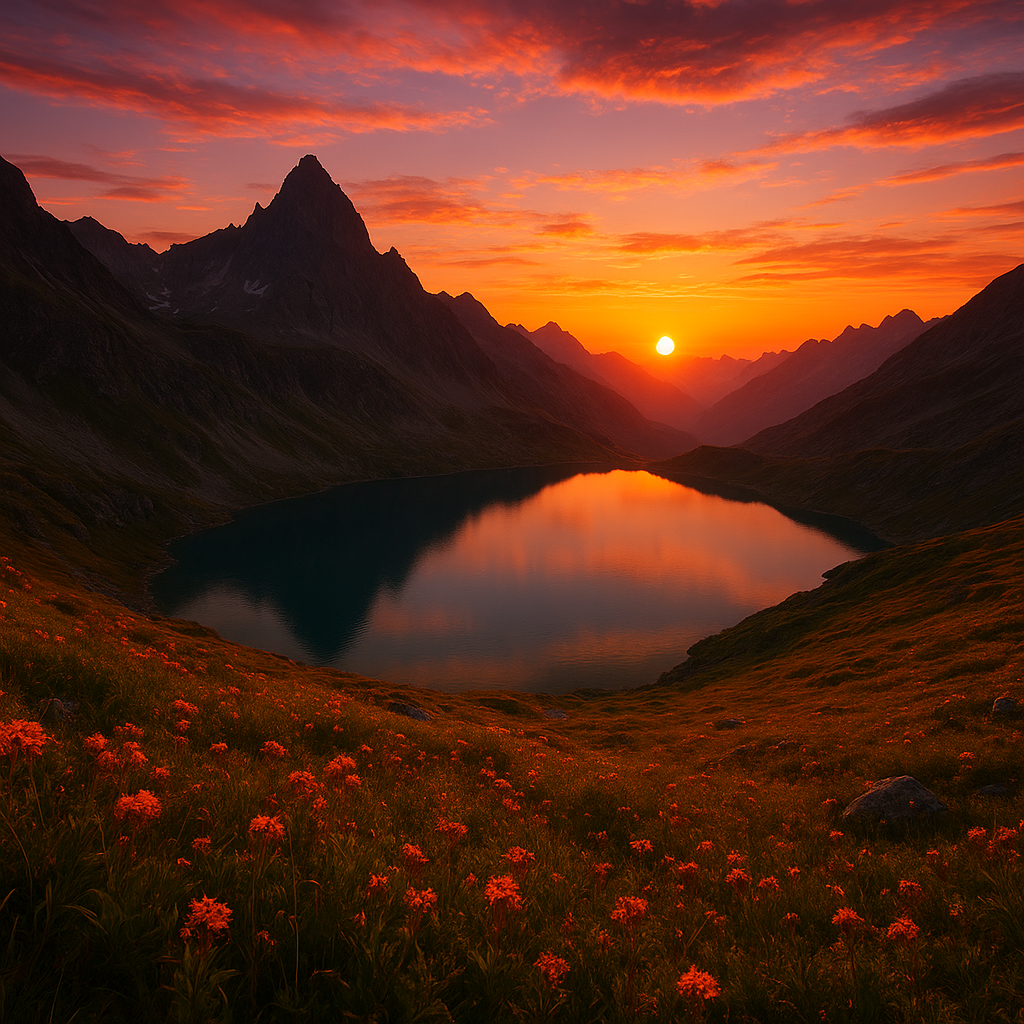
The Alps stand as one of Europe’s most **majestic** mountain ranges, boasting peaks that soar above 4,000 meters. This lofty **altitude** creates unique climatic conditions, resulting in a mosaic of habitats that range from subalpine meadows to rugged glacial landscapes. The snowfields of Mont Blanc, the green pastures of the Dolomites, and the limestone cliffs of the Wilder Kaiser all showcase the region’s remarkable biodiversity.
Flora and fauna have adapted to the harsh mountain environment in awe-inspiring ways:
- The Edelweiss flower thrives in rocky outcrops, symbolizing Alpine **serenity** and purity.
- Ibex and chamois navigate sheer cliffs with astonishing agility.
- Alpine marmots emerge from long hibernation to greet the summer sun.
- High-altitude conifer forests of spruce and larch carpet lower slopes, providing critical habitat for birds like the golden eagle.
Beyond their ecological value, these species contribute to the cultural lens through which locals view their mountains. Traditional pastoral practices, such as seasonal grazing, help maintain flower-rich meadows that are both visually stunning and ecologically vital. When trekking through this terrain, every panoramic vista or hidden waterfall is an invitation to appreciate the **minerals** in the soil and the forces that sculpted these formations over millions of years.
Cultural Threads Woven in High Places
The human story of the Alps is as layered as its geological history. From Roman outposts to medieval monasteries, people have always been drawn to the mountains’ protective valleys and trade routes. Today, Alpine communities maintain a vibrant tapestry of languages, customs, and crafts:
- In Tyrol, the Ländler dance reflects centuries of peasant celebrations, complete with yodeling and accordion.
- Swiss chalets display intricate wood carvings and painted facades, celebrating **artisan** skills passed down through generations.
- Italian mountain villages proudly uphold polenta and risotto dishes enriched with local cheeses and wild mushrooms.
- Austrian musical heritage resonates in brass bands that perform during summer festivals on high plateaus.
One cannot discuss Alpine culture without acknowledging its **heritage** of thoughtful adaptation to challenging conditions. Wood-fired saunas, stone-built farmhouses, and sturdy cable cars all reflect a balance between respecting tradition and embracing modern comfort. Engaging with local guides and families offers insight into the relationship between mountain dwellers and their environment—an interplay of respect, resourcefulness, and communal bonds.
Trails, Peaks, and Essential Safety
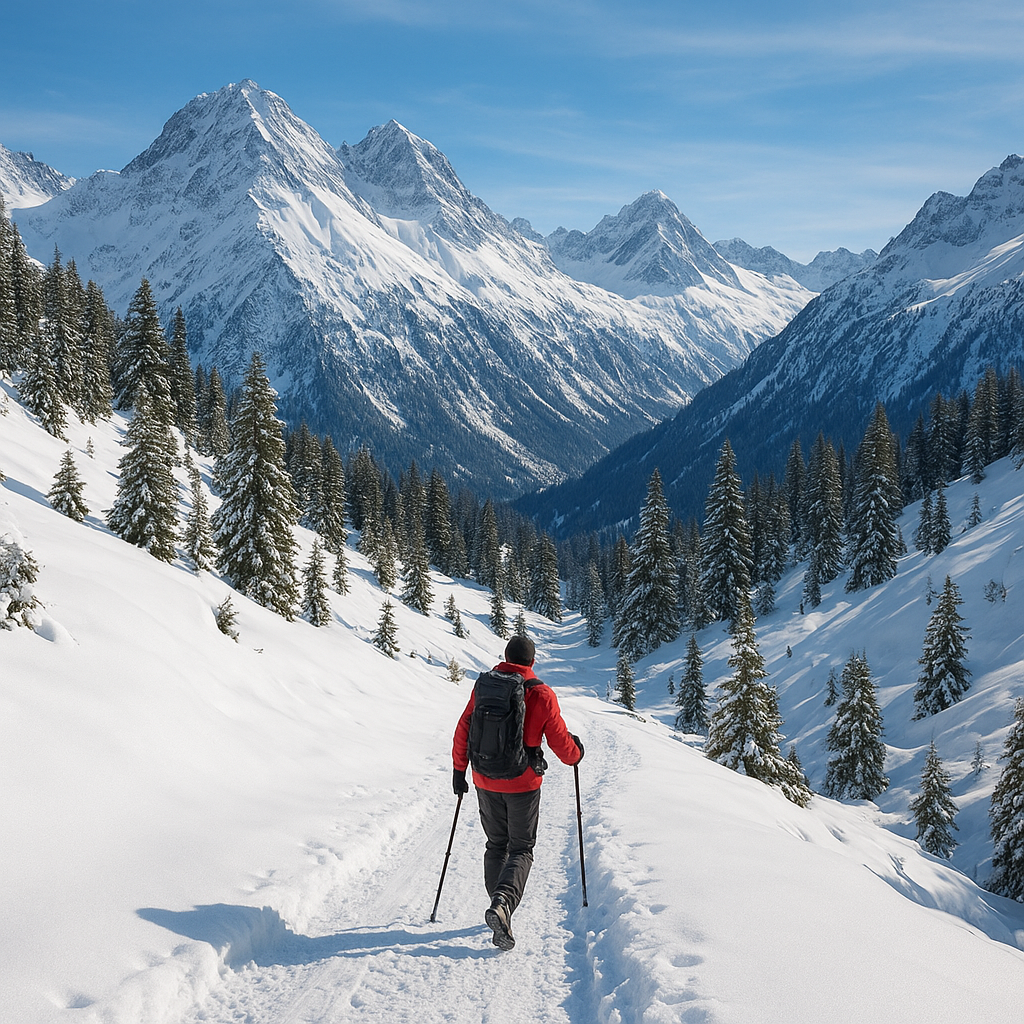
Preparation is key for any Alpine adventure. Whether you aim to summit the Matterhorn or enjoy a gentle hike around Lake Königssee, consider these guidelines to **energize** your experience and stay safe:
- Route Planning: Consult topographical maps and weather forecasts. Mountain conditions can change rapidly, so allow for flexibility in your itinerary.
- Layering Techniques: Dress in moisture-wicking base layers, insulating mid-layers, and a windproof, waterproof outer shell to handle wind, rain, or sudden temperature drops.
- Adequate Footwear: Invest in sturdy, broken-in hiking boots with good ankle support and traction to navigate rocky and often slippery terrain.
- Navigation Tools: Carry a compass and paper map as backups to GPS devices, which may lose signal in deep valleys.
- Altitude Awareness: Ascend gradually to avoid altitude sickness. Stay hydrated, monitor your breathing, and recognize symptoms like headaches or dizziness.
- Emergency Kit: Pack a whistle, a lightweight emergency blanket, a first-aid kit, and high-energy snacks to **replenish** your strength if delays occur.
Joining a group or hiring a certified mountain guide provides local expertise and increases safety. Whether crossing glacial terrain or following ridge lines, informed guidance reduces risk and enriches your understanding of the region’s dynamic geology.
Nourishment and Refreshment After the Ascent
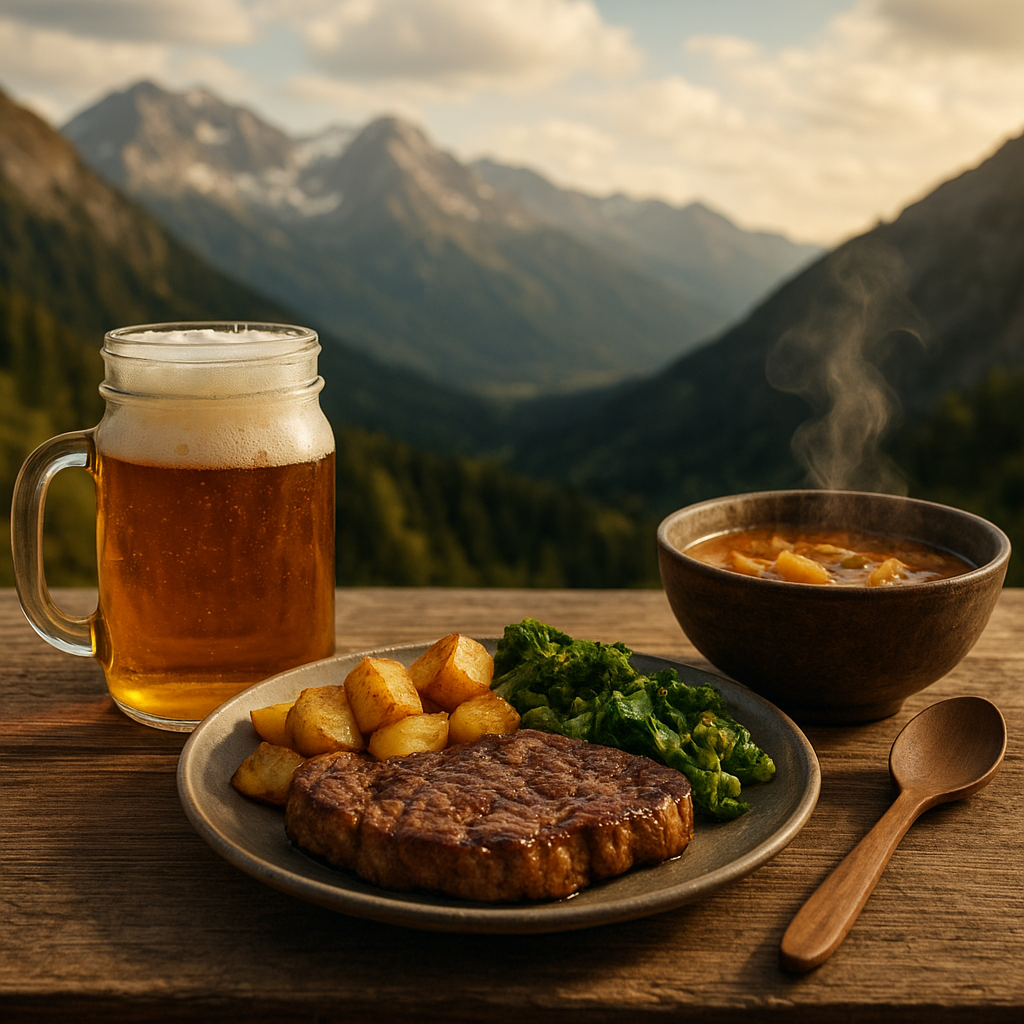
Arriving at your mountain refuge as dusk settles, your body craves both rest and nutrient-dense sustenance. A balanced approach to post–hike meals accelerates muscle recovery and restores lost fluids. Consider these **hydration** and dietary essentials:
- Hydrating Beverages: Coconut water and electrolyte solutions help replace sodium and **electrolytes** lost through sweat. Herbal teas infused with mint or chamomile soothe tired muscles and calm the mind.
- Protein-Rich Dishes: Alpine cheeses like raclette or Gruyère deliver high-quality protein and **calcium**, while lean smoked meats provide essential amino acids for tissue repair.
- Whole Grains and Starches: Polenta, whole wheat spaetzle, or rye bread supply complex carbohydrates to replenish glycogen stores and sustain energy levels overnight.
- Seasonal Vegetables: Root vegetables such as carrots and potatoes roasted in olive oil offer vitamins and antioxidants crucial for immune support.
- Natural Sweeteners: A drizzle of local honey or a serving of fruit preserves on whole-grain toast satisfies sweet cravings without causing sugar crashes.
Finally, allow yourself a moment of quiet reflection. As you savor each bite, let the flavors remind you of the Alpine slopes you traversed—the crisp air, the echo of mountain streams, and the camaraderie of fellow hikers. This mindful approach not only **rejuvenates** the body but also nurtures the spirit, ensuring your Alpine adventure leaves an indelible imprint on both memory and well-being.