Exploring the majestic Alps demands careful preparation to ensure comfort, safety, and unforgettable memories. Whether you’re chasing snowflakes or basking in alpine sun, packing the right gear is crucial. This guide delves into the essentials for every season, highlighting strategies to tackle unpredictable weather, rugged trails, and high-altitude conditions. Equip yourself with knowledge and a well-thought-out kit to embrace the mountains with confidence.
Understanding Alpine Climate and Seasonal Challenges
The Alps span diverse environments, from verdant valleys to glaciated peaks. Weather can shift dramatically within hours, making a flexible approach to clothing and equipment essential. Grasping the unique characteristics of each season will help you tailor your packing list effectively.
Winter: Snow and Subzero Temperatures
- Expect heavy snowfall, strong winds, and temperatures often dropping well below freezing.
- Days are shorter—plan activities around daylight and carry reliable lighting.
- Trail conditions can vary: from groomed ski pistes to fresh powder requiring specialized footwear.
Spring: Melt and Mud
- Snowmelt causes trails to become muddy and slippery.
- Temperature swings between freezing nights and mild afternoons.
- Waterproof gear becomes critical to stay dry through slushy terrain.
Summer: Sun and Thunderstorms
- High-altitude sun can be intense—UV protection is non-negotiable.
- Afternoon showers or thunderstorms develop rapidly.
- Temperatures can vary from hot valley days to chilly mornings.
Autumn: Crisp Air and Changing Colors
- Clear skies and cooler temperatures create ideal conditions for hiking.
- Early snowfall at higher elevations is possible.
- Layering remains essential as days grow shorter and nights colder.
Core Clothing and Layering System
A well-designed layering strategy offers versatility, allowing you to regulate body temperature and stay comfortable across varying conditions. Focus on fabrics and items that prioritize moisture-wicking, insulation, and windproof properties.
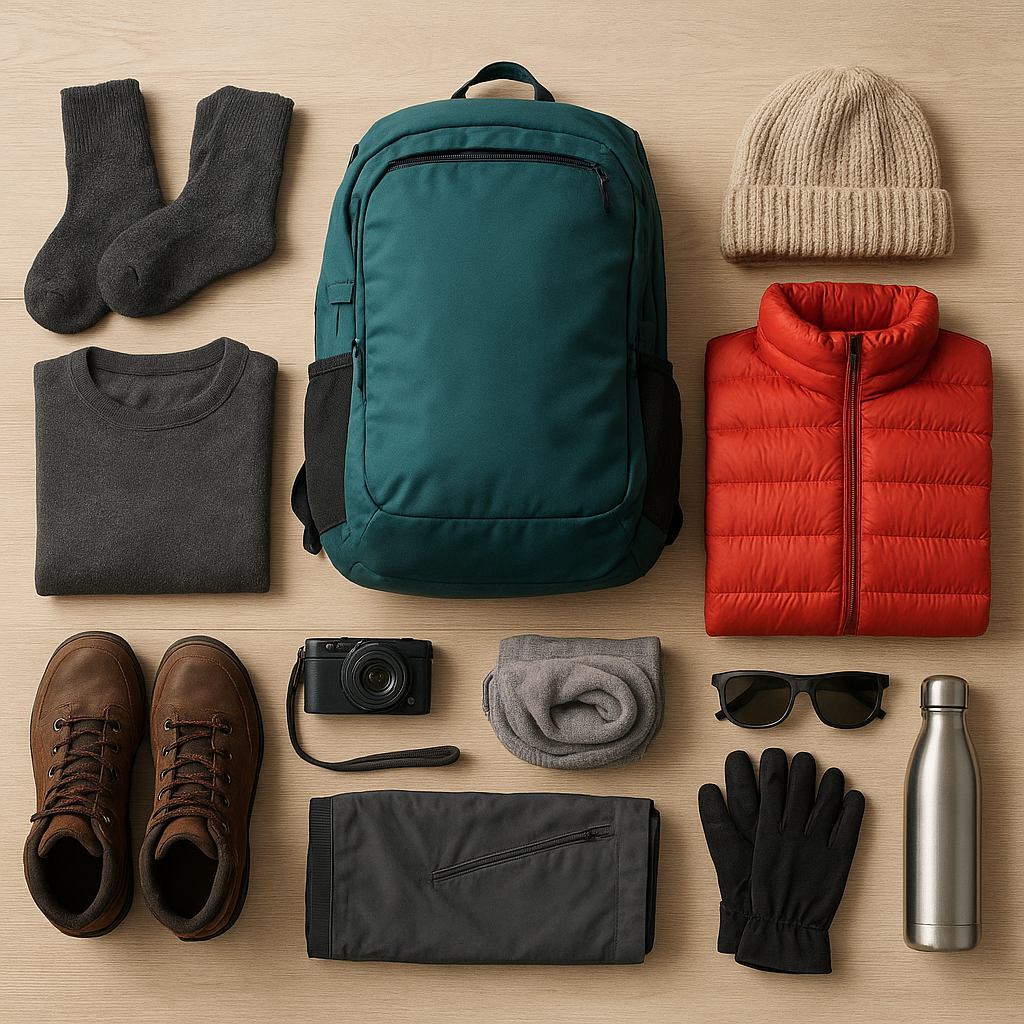
- Base Layer: Choose merino wool or synthetic fibers to draw sweat away from your skin. Avoid cotton, which retains moisture and chills the body.
- Mid Layer: Fleece jackets or lightweight down vests provide essential warmth. Opt for compressible insulation that packs easily.
- Outer Layer: Hardshell jackets and pants with breathable membranes protect against wind and rain. Look for adjustable hoods, sealed seams, and pit zips for ventilation.
- Socks: Invest in high-quality hiking socks designed for blister prevention and temperature regulation.
- Gloves and Hats: Carry thermal gloves and a versatile beanie or buff to shield extremities from the cold.
Footwear Essentials
- Insulated boots for snowy winter treks.
- Waterproof hiking shoes for spring and autumn adventures.
- Approach shoes or lightweight trail runners for summer routes.
- Gaiters to keep debris and snow out of your boots.
Essential Gear and Accessories
Beyond clothing, your alpine kit should include tools and gadgets that enhance safety, navigation, and overall enjoyment. Prioritize items that serve multiple functions and weigh minimally.
- Backpack: A well-fitted daypack (20–30L) or multi-day pack (40–60L) with comfortable straps and a hydration system.
- Navigation: Map, compass, and GPS device or smartphone with offline maps preloaded.
- Headlamp: A lightweight, high-lumen model with extra batteries.
- First Aid Kit: Include blister pads, pain relievers, antiseptic wipes, and any personal medications.
- Multitool: Compact pliers, knife, and screwdrivers for quick fixes.
- Emergency bivvy or lightweight shelter in case of unexpected overnight stays.
- Reusable water bottle and water purification tablets or filter.
- High-energy snacks: nuts, energy bars, and dried fruits.
Sun Protection
- Sunglasses with UV 400 protection.
- Broad-spectrum sunscreen (SPF 30+).
- Lip balm with SPF.
Electronics and Power
- Portable charger or power bank.
- Cable organizers to prevent tangling.
- Optional action camera or travel adapter.
Specialty Items by Season
Tailoring gear to specific seasonal demands enhances performance and comfort. Review the following to ensure you’re fully equipped.
Winter-Specific Gear
- Insulated mountaineering boots compatible with crampons.
- Crampons and ice axe for traversing icy slopes.
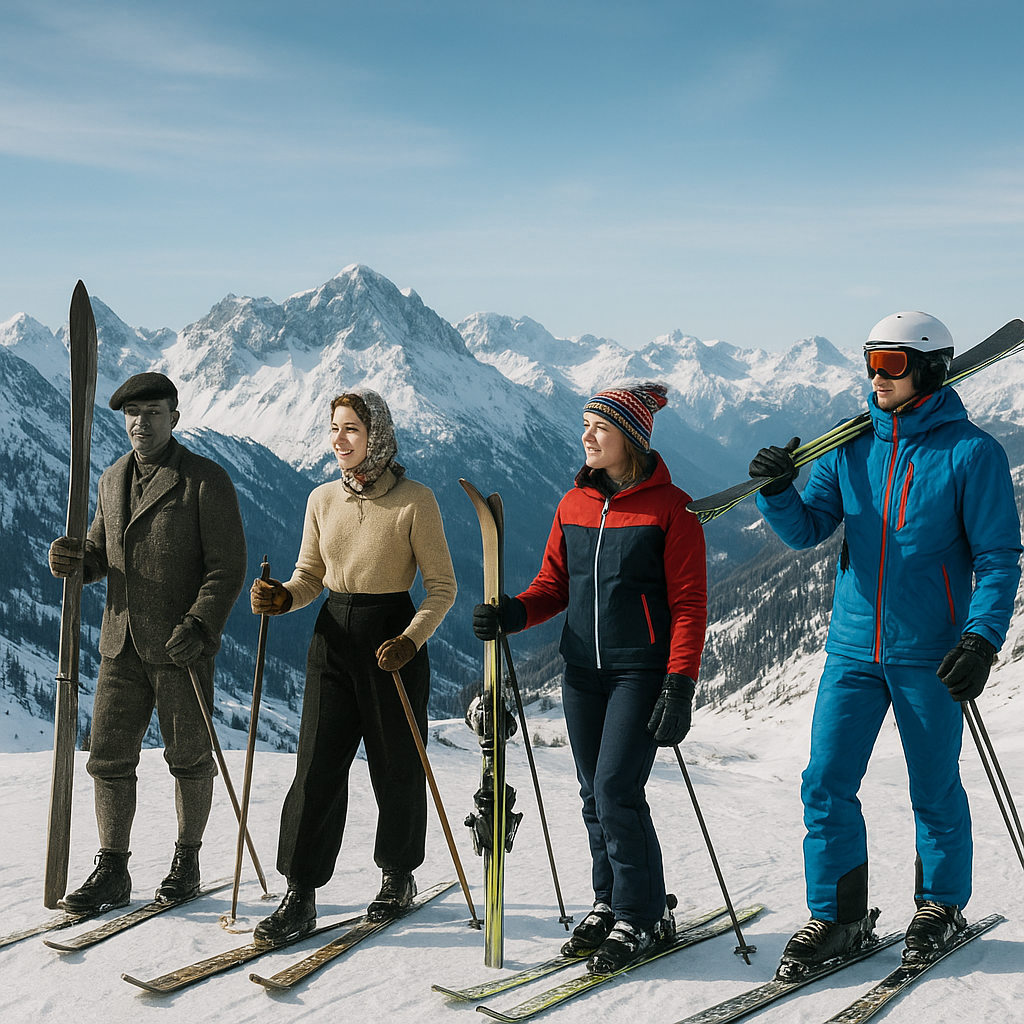
- Ski or snowboard equipment if you plan to hit the slopes.
- Hand and foot warmers for extended cold exposure.
Spring Preparation
- Waterproof overboots or gaiters to handle slushy paths.
- Lightweight trekking poles to provide stability on muddy trails.
- Quick-dry shirts and pants to reduce drying time after wet spells.
Summer Upgrades
- Lightweight hammock or travel towel for lounging near alpine lakes.
- Minimalist camping gear: ultralight tent, sleeping bag rated for cool nights.
- Insect repellent and mosquito net for valley evenings.
Autumn Add-ons
- Down booties for cozy evenings around a campfire.
- Extra warm liner gloves to fight early frost.
- Reflective markers or bike lights for shorter daylight hours.
Packing Techniques and Tips
Effective organization prevents chaos and ensures quick access to vital items. Implement these strategies for an orderly pack.
- Use compression sacks to shrink bulky layers and sleeping gear.
- Employ packing cubes or dry bags to separate clothing, electronics, and food.
- Keep frequently used items—snacks, map, headlamp—in easily reachable pockets.
- Distribute weight evenly: heavier items close to your back and centered low in the pack.
- Review and remove unused items after your first day to lighten the load.
Final Reminders
- Check weather forecasts and trail conditions before departure.
- Inform someone of your itinerary and expected return time.
- Respect local regulations and protected areas to preserve the alpine environment.