The towering peaks of the Alps hide a network of steaming pools and restorative retreats that have attracted travelers for centuries. Far beyond the thrill of skiing or mountaineering, the region offers a path to serenity through its naturally heated waters. This journey into the heart of alpine hydrotherapy reveals how ancient geothermal forces blend with breathtaking landscapes to create an unforgettable experience of relaxation and rejuvenation.
The Geological Wonders of Alpine Hot Springs
Beneath the alpine summits, tectonic pressures and volcanic activity heat underground aquifers. As water seeps through limestone and granite, it becomes enriched with minerals before resurfacing as hot springs or channeled into man-made pools known as thermal baths. Temperatures can range from a gentle 30°C to a piping 45°C, depending on the spring’s depth and geothermal gradients.
These mineral-laden waters often contain calcium, magnesium, sulfur, and silica, each contributing unique therapeutic qualities:
- Calcium-rich sources promote bone and joint health.
- Sulfur springs are prized for their capacity to ease skin ailments and respiratory issues.
- Silica-dense springs leave skin feeling silky and smooth.
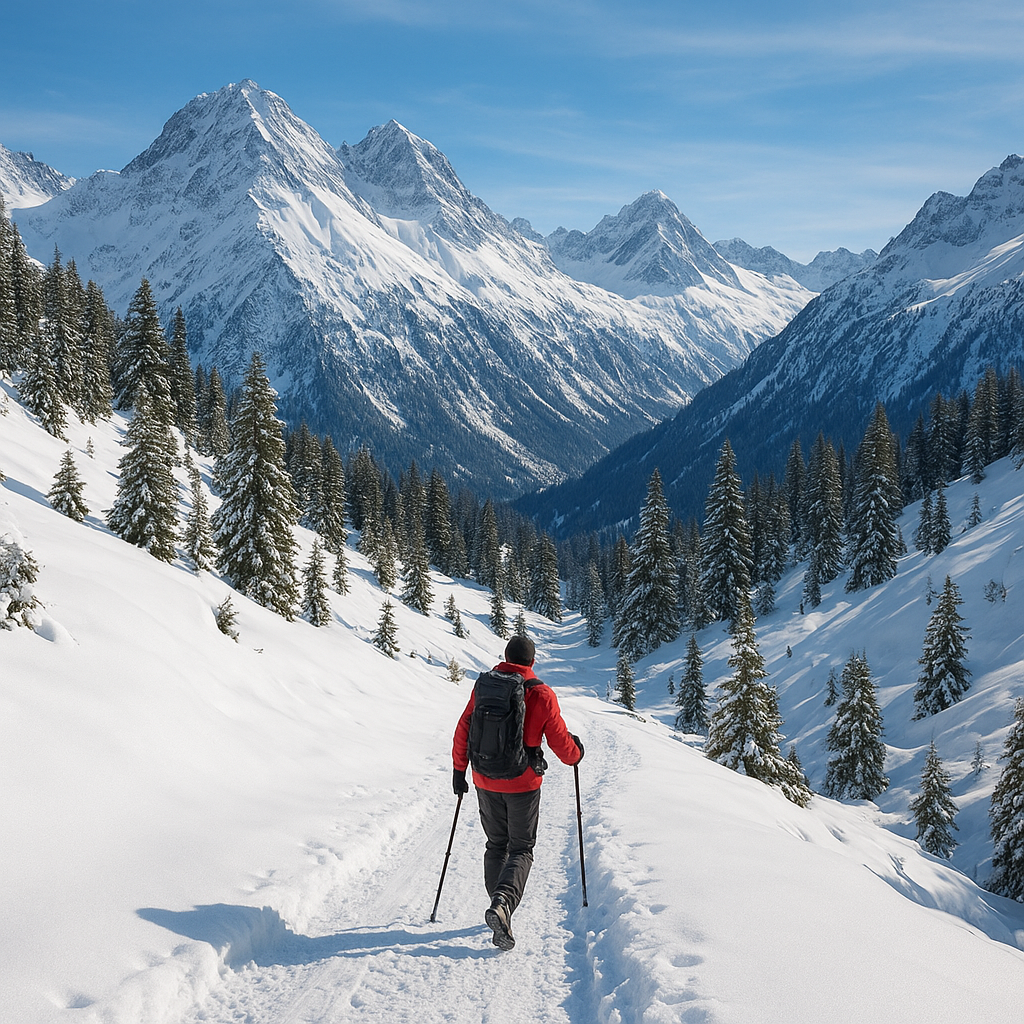
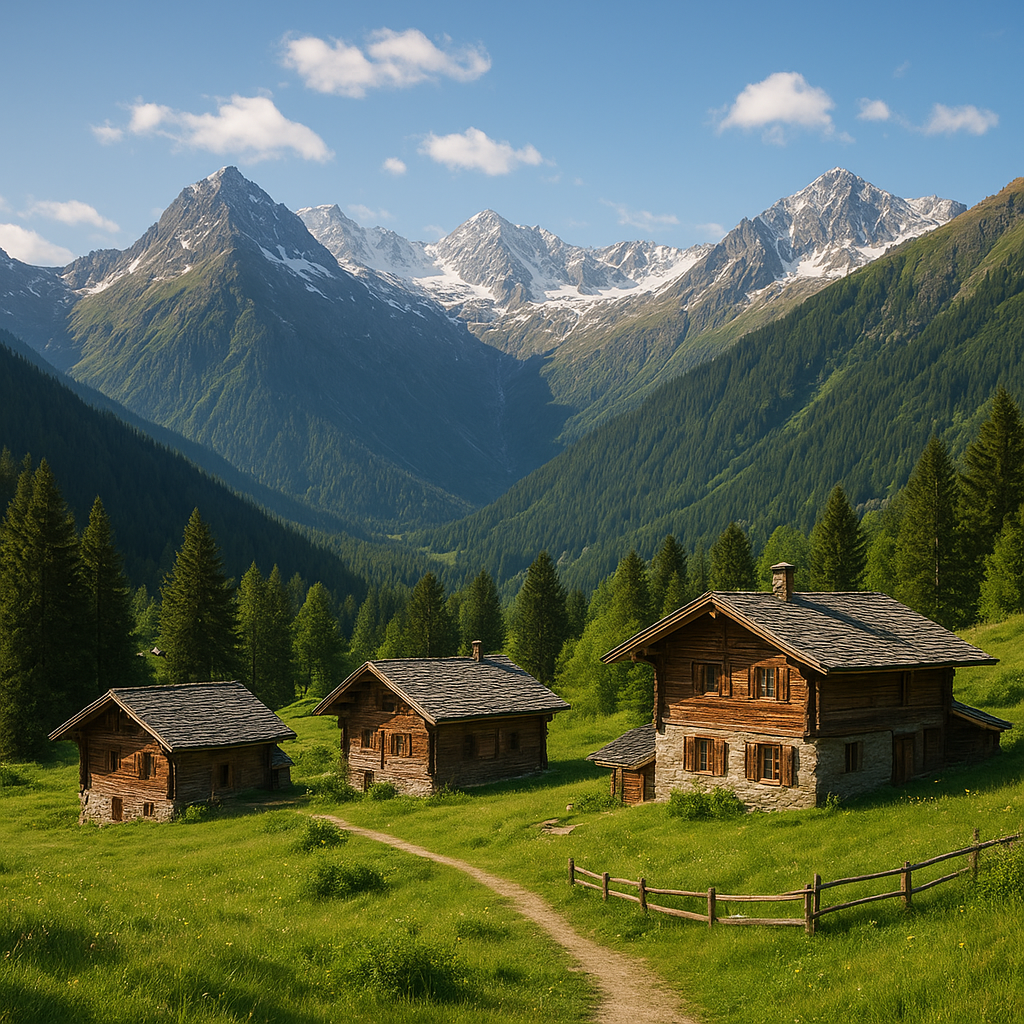
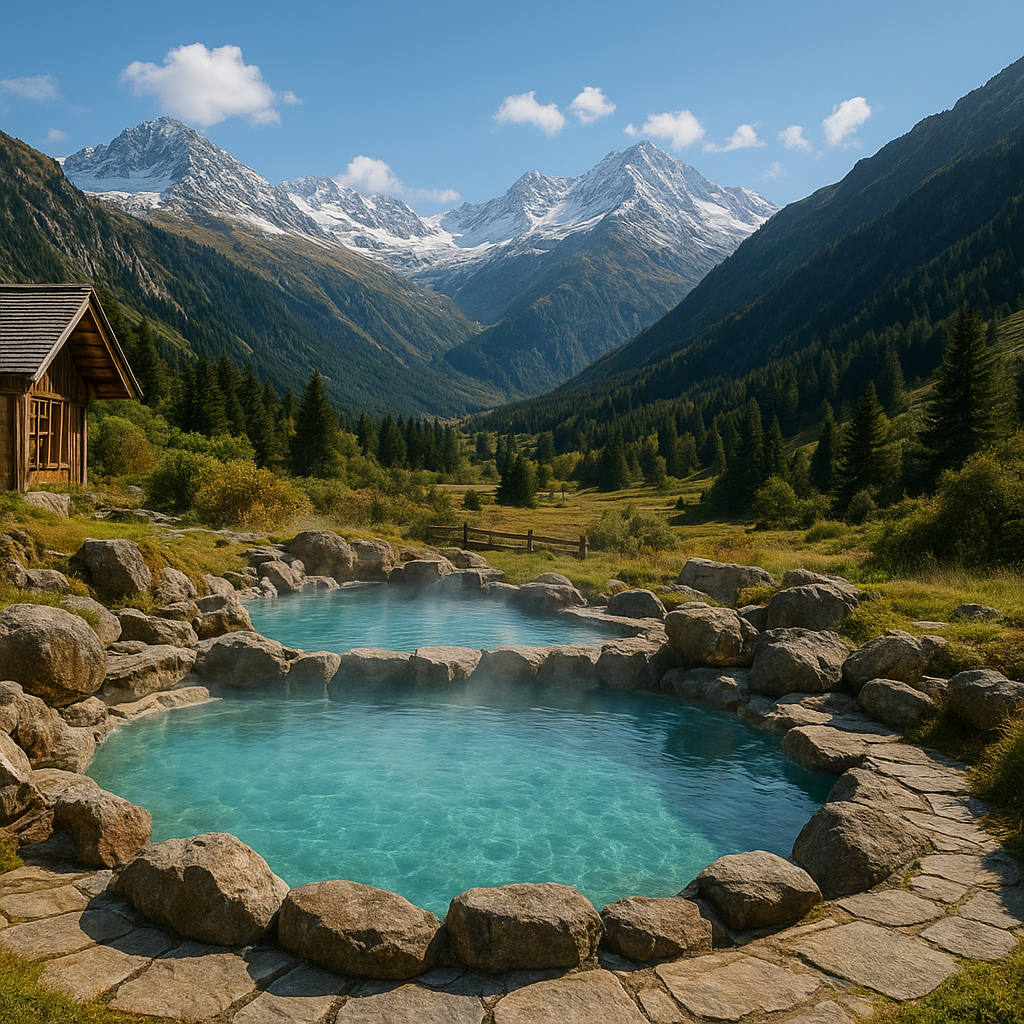
During winter, steam rises against snow-dusted peaks, creating an almost ethereal atmosphere. In summer, emerald valleys and wildflower meadows serve as a vibrant backdrop for your soak. The collision of harsh alpine terrain with soothing water fosters a rare blend of wilderness and comfort.
Top Thermal Retreats Across the Alps
Therme Vals, Switzerland
Designed by world-renowned architect Peter Zumthor, Therme Vals is carved from the very rock that feeds its 37°C thermal water. Visitors roam a labyrinth of stone halls, chambers, and pool terraces, where each vantage point frames a different angle of mountainous grandeur. Its minimalist aesthetic ensures that nature remains the star, while the water’s buoyancy provides a profound sense of weightlessness and unwinding.
Leukerbad, Switzerland
Europe’s largest alpine thermal resort, Leukerbad offers over 13 public baths and several private spa complexes. The spring water springs from depths of up to 3,000 meters, boasting a sulfur content that can reach 109 milligrams per liter. Besides pools, the town features thermal valve showers and mud baths, ideal for visitors seeking diverse wellness therapies.
Pré-Saint-Didier, Italy
Nestled at the foot of Mont Blanc, this Italian gem combines Roman-era thermal pools with contemporary luxury. Open-air terraces gaze toward glaciers while indoor thermal labyrinths invite you to follow a sequence of warm, tepid, and cool baths. The mineral balance here emphasizes calcium and magnesium, strengthening muscles and boosting circulation.
Bad Gastein, Austria
Set in the heart of Hohe Tauern National Park, the Belle Époque charm of Bad Gastein meets modern thermal science. Countless springs feed both public and private baths, each offering panoramic views over the Gastein Valley. Don’t miss the unique waterfall sauna: a grotto sauna perched beside a cascading alpine stream.
Health Benefits and Local Traditions
Alpine thermal waters have been celebrated since Roman times for their curative properties. Locals often follow centuries-old rituals:
- Alternate Bathing: Switching between hot and cold dips stimulates blood flow and fortifies the immune system.
- Alpine Kneipp Therapy: Walking barefoot in shallow streams or pebble-lined pools to massage the reflex zones on the soles of the feet.
- Herbal Infusions: Adding mountain herbs—like lavender, chamomile, or arnica—to the water for enhanced relaxation.
Beyond the obvious musculoskeletal relief, prolonged exposure to mineral-rich waters can reduce stress hormones, alleviate chronic pain, and improve sleep patterns. Many alpine resorts pair thermal bathing with guided breathing exercises and gentle yoga on terrace overlooks to deepen the mind-body connection.
Practical Tips for Visitors
Before embarking on your thermal adventure, keep these practical pointers in mind:
- Seasonal Access: Some remote springs become inaccessible in heavy snow; always check local conditions and opening hours.
- Etiquette: Nude bathing is common in certain European spas. Respect signage and local customs regarding swimwear.
- Hydration: Drink plenty of water to offset the dehydrating effects of hot mineral baths.
- Acclimatization: Spend a few minutes cooling between successive hot dips to prevent overheating.
- Local Cuisine: Savor regional fare—such as fondue in Switzerland or polenta in Italy—to complete your alpine immersion.
The thrill of scaling alpine heights or carving through fresh powder is only part of the region’s appeal. For those seeking true renewal, the steaming embrace of its carefully preserved hot springs and thermal baths offers an ideal counterbalance. Whether you favor a sleek, modern spa or a rustic rock pool nestled by a glacier stream, the scenic wonders of the Alps promise an unforgettable journey from mountain crispness to aquatic bliss.