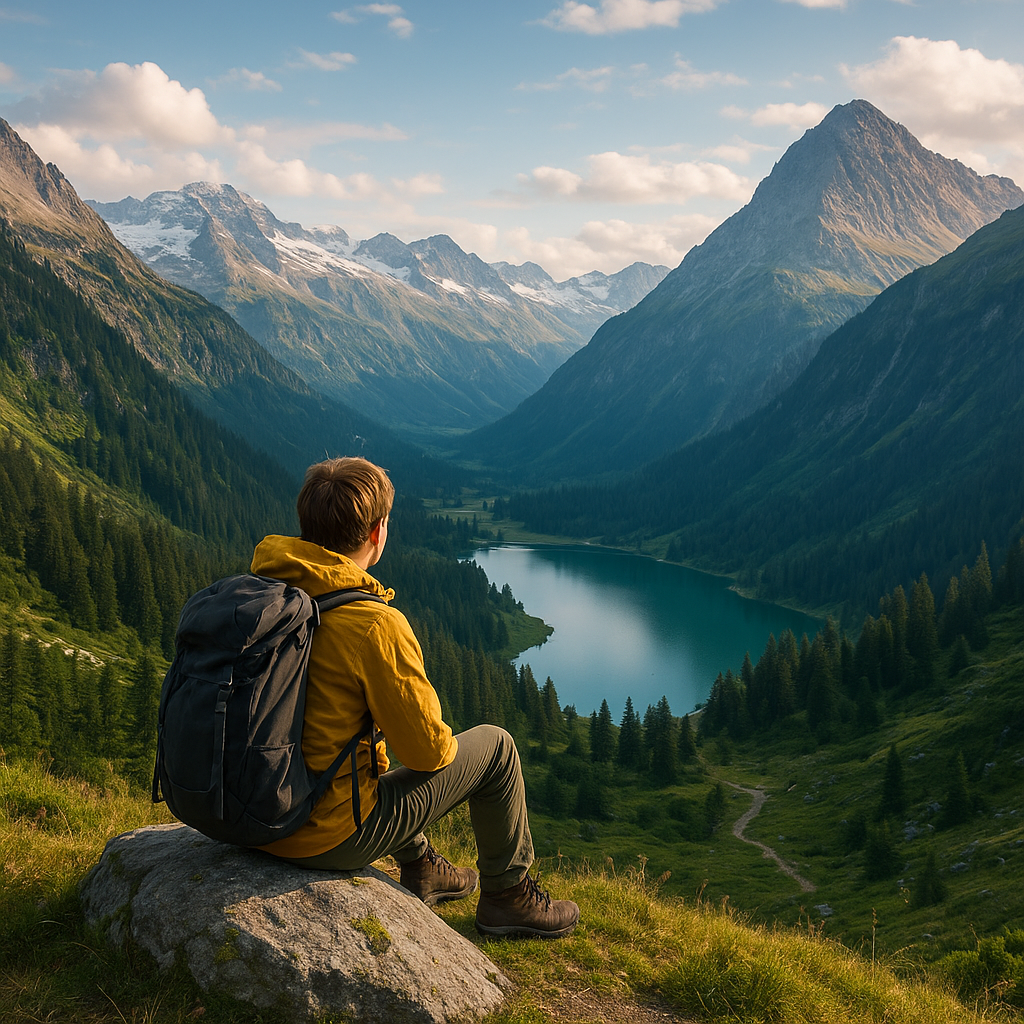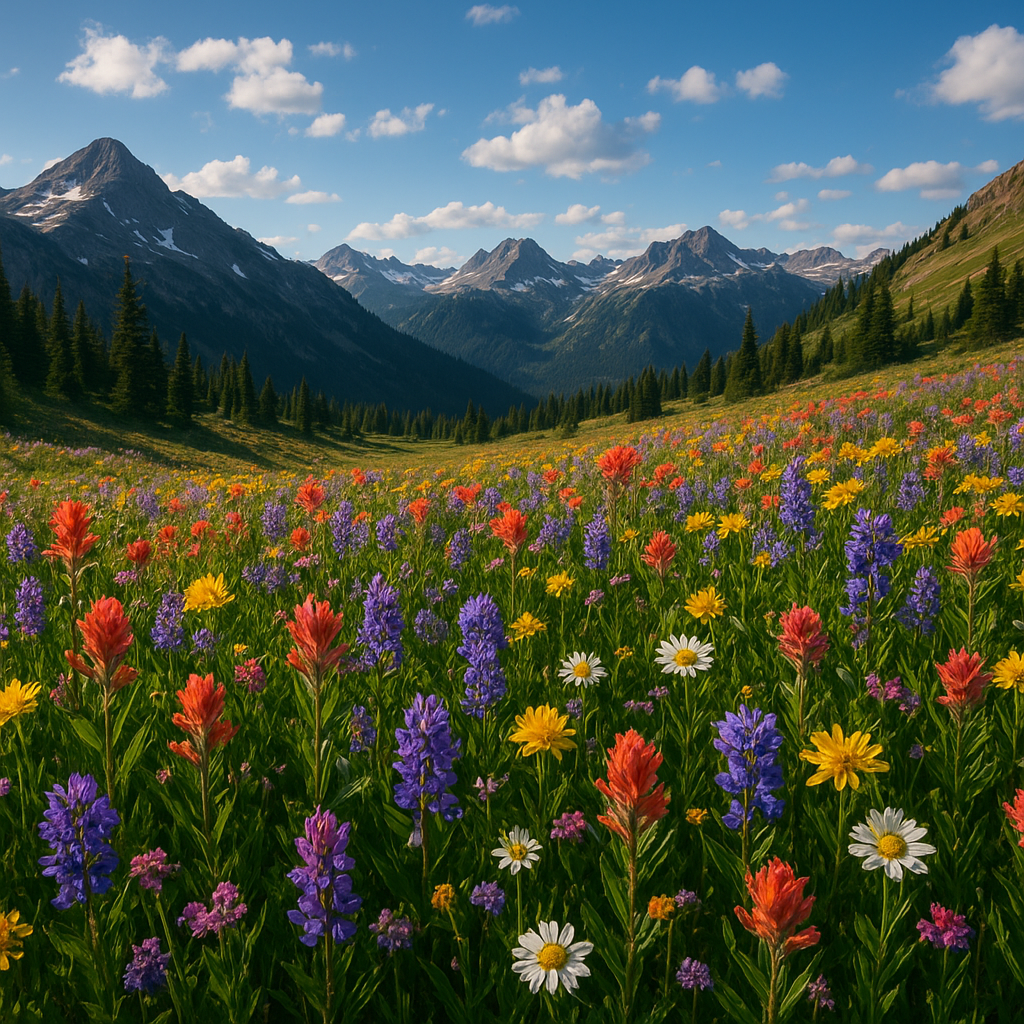
The soaring peaks of the Alps are home to a vibrant palette of flora that transforms rocky slopes into living canvases each spring and summer. From the gentle valleys of Austria to the rugged high passes of Switzerland and France, these pristine habitats nurture an astonishing variety of wildflowers. Whether you’re an avid botanist, a nature photographer, or simply someone in search of a tranquil mountain escape, exploring the Alpine blooms offers an unforgettable journey through one of Europe’s most diverse ecosystems.
Geography and Ecology of the Alps
Spanning eight countries—France, Switzerland, Italy, Germany, Austria, Slovenia, Liechtenstein, and Monaco—the Alps stretch over 1,200 kilometers, creating distinct ecological zones determined largely by altitude. From the subalpine forests at lower elevations to the rocky summits above the treeline, each band supports unique plant communities.
- Montane forests (800–1,600 m): Dominated by European beech and silver fir, these woodlands conceal spring ephemerals like the delicate wood anemone.
- Subalpine meadows (1,600–2,200 m): Rich in grasses and herbaceous perennials, these meadows burst into bloom with gentians, globe flowers, and gentler orchids.
- Alpine zone (2,200–3,000 m): Above the treeline, rocky ledges and scree slopes reveal hardy blooms such as edelweiss and saxifrages.
- Nival zone (3,000+ m): Only a handful of the most resilient species survive here, often tucked into crevices where snow melts early.
The Alps’ varied climates, from Mediterranean influences in the south to continental conditions in the east, contribute to an extraordinary biodiversity. Over 4,500 vascular plant species thrive here, many of which are endemic—found nowhere else on Earth. These specialized plants play critical roles in supporting mountain pollinators and larger wildlife that migrate seasonally from lowland valleys.
Iconic Alpine Wildflowers and Where to Spot Them
Certain wildflowers have captured the world’s imagination, becoming symbols of Alpine beauty. Locating these gems often requires patience, careful timing, and a willingness to explore remote trails.
Edelweiss (Leontopodium alpinum)
- Habitat: Limestone cliffs and high scree, 1,800–3,000 m.
- Where to see: Mount Rigi (Switzerland), Dachstein Plateau (Austria).
- Features: Woolly white bracts protect the flower’s core from UV rays, lending a breathtaking star-like appearance.
Alpine Gentian (Gentiana spp.)
- Habitat: Moist meadows and grasslands, 1,200–2,500 m.
- Where to see: South Tyrol (Italy), French Haute-Savoie.
- Features: Deep blue or purple trumpet-shaped blooms that open only in full sun.
Pasqueflower (Pulsatilla alpina)
- Habitat: Rocky slopes and open woodlands, 1,100–2,500 m.
- Where to see: Bavarian Alps (Germany), Carinthia (Austria).
- Features: Silky-haired petals and distinctive puffball seed heads that drift in mountain breezes.
Alpine Pasque Lily (Lilium alpinum)
- Habitat: Subalpine meadows, 1,500–2,500 m.
- Where to see: Swiss National Park, Parc de la Vanoise (France).
- Features: Nodding, bell-shaped flowers in shades of cream to deep orange.
Beyond these icons, countless smaller species—such as Draba, Saxifraga, and Androsace—weave a delicate floral tapestry across the landscape, inviting close-up exploration.
Best Seasons and Trails for Wildflower Watching
The timing of Alpine blooms varies by latitude and elevation. Generally, the floral procession unfolds from late April in lower valleys to mid-July on the highest ridges.
- Late spring (May–June): Lower montane areas awaken first. Valley hikes near Innsbruck or Chamonix offer easy introductions to wood anemones and early gentians.
- Early summer (June–July): Peak wildflower season across subalpine meadows. Trails such as the Tour du Mont Blanc and Austria’s Schladming Tauern circuit provide panoramic floral displays.
- Mid to late summer (July–August): Alpine zone flowers reach maturity. Consider high-elevation routes like Switzerland’s Haute Route or France’s GR5 for late-bloom splendors.
Popular destinations:
- Peninsula de Morgex (Italy): Sheltered valleys reveal rare orchids and dwarf gentians.
- Mercantour National Park (France): Over 2,300 species, including the rare edraianthus graminifolius.
- Stubai Alps (Austria): Easily accessible via cable cars, offering a front-row seat to swaths of gentians and carline thistles.
- Karwendel Nature Park (Germany): Gentle meadows carpeted with pasqueflowers and polygala.
Well-marked paths, mountain huts, and informative visitor centers support hikers of all abilities. For photographers, sunrise and sunset cast breathtaking side-lighting on petals, enhancing textures and colors.
Conservation Efforts and Responsible Tourism
Alpine wildflower habitats face pressures from climate change, overgrazing, and unregulated tourism. Rising temperatures shift suitable elevations upward, squeezing plants into ever-narrower bands of habitat. To safeguard these fragile communities, a range of conservation measures has been implemented:
- Protected areas and nature reserves limit human impact on critical zones.
- Seasonal grazing regulations balance livestock needs with plant regeneration.
- Restoration projects reintroduce native species to degraded slopes.
- Education campaigns encourage visitors to stay on trails and avoid picking wildflowers.
As a responsible traveler, you can help by following Leave No Trace principles: keep your distance, document blooms through photography rather than picking, and support local conservation groups. Many Alpine regions offer citizen science initiatives, allowing enthusiasts to record flowering times and contribute to long-term ecological monitoring.
By treading lightly and fostering community engagement, future generations can continue to marvel at the Alps’ extraordinary floral diversity. Each bloom you admire is part of a delicate network of soil, water, insects, and climate—one well worth preserving for its natural wonder and its role in sustaining mountain life.