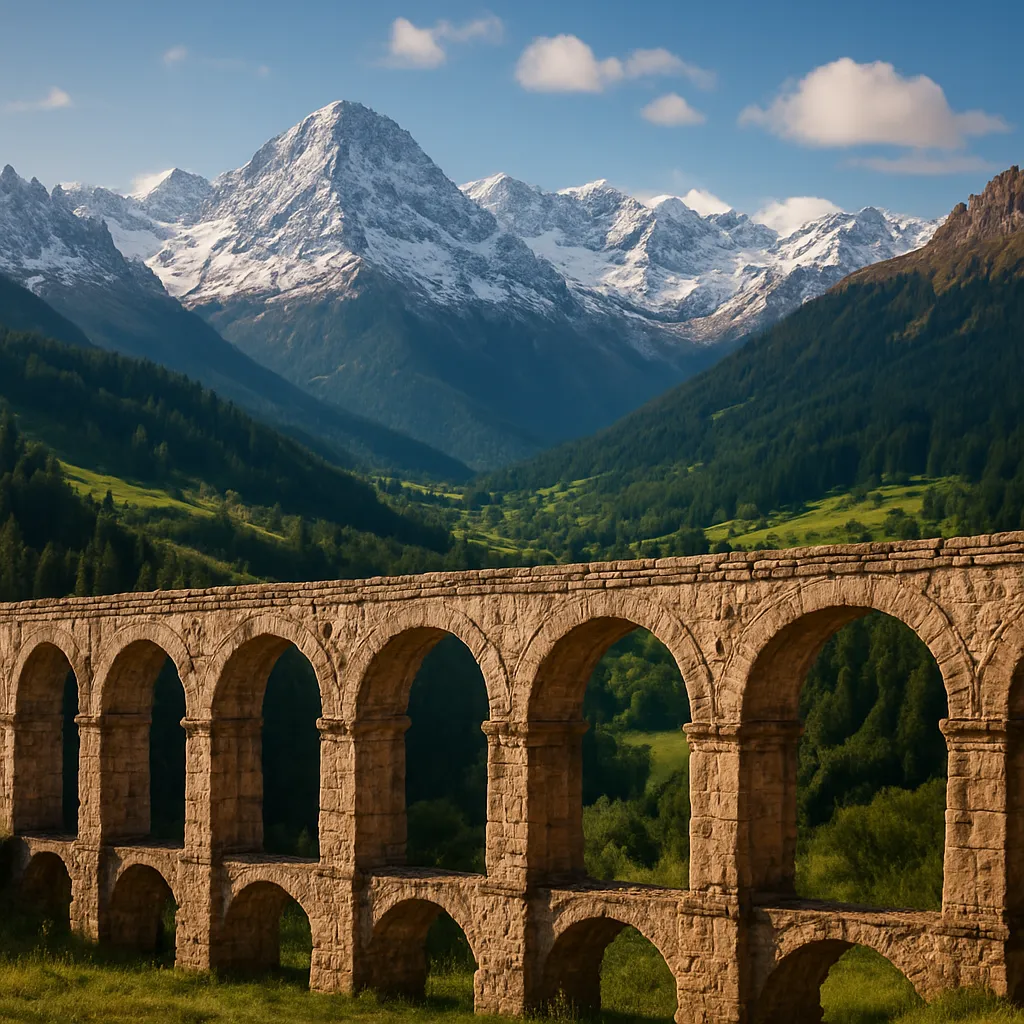
The soaring ridges of the Alps have long captured the human imagination, serving as a living canvas of **Europe’s** most dramatic topography. From glittering snowfields to lush valleys, this mountain range embodies an interplay of forces—geological, ecological, and cultural—that shape the continent’s identity. Its unique features attract scientists, artists, and **adventure** enthusiasts alike, who come to witness the raw power of nature preserved across generations. In this article, we journey deep into the heart of the Alps to explore their formation, life-sustaining **ecosystem**, and the enduring cultural legacies that make these peaks the true **heart** of Europe’s **natural** beauty.
Majestic Landscapes and Geology
Rising over 4,800 meters at Mont Blanc, the Alps are the result of millions of years of continental collision between the African and Eurasian plates. The immense pressure folded ancient rocks into sharp ridges, deep valleys, and sprawling plateaus. This dynamic history has created a breathtaking tapestry of features:
- Peaks carved by relentless tectonic forces and shaped by erosion.
- Glaciers that advance and retreat, sculpting U-shaped valleys and moraine fields.
- A network of crystalline rivers and alpine lakes that shimmer in summertime.
Above 2,500 meters, the tree line gives way to a world of **permafrost**, where hardy mosses and lichens cling to rocks. Below, dense coniferous forests of fir and pine create a vibrant contrast with the white alpine cap. The region’s **biodiversity** hotspots often lie where sunlit meadows meet rugged stone, fostering rare wildflowers such as edelweiss and alpine gentian.
The Alps also function as a crucial **watershed** for Europe. Glacial melt feeds the Rhine, Rhone, Po, and Danube river systems, supplying fresh water to millions. Scientists continue to study these glaciers as vital indicators of climate change, noting how fluctuating ice volumes affect downstream agriculture, hydroelectric power, and regional water security.
Biodiversity and Conservation Efforts
Home to thousands of species, the alpine **ecosystem** displays remarkable adaptation strategies. Animals such as the ibex and chamois navigate steep cliffs with unmatched agility, while marmots create intricate burrow systems beneath the snow. Birdlife includes golden eagles and bearded vultures, which patrol the thermals above rocky crags. To protect this fragile web of life, numerous parks and reserves have been established:
- Vanoise National Park in France, the first French national park established in 1963.
- Swiss National Park, a strictly protected area banning hunting and deforestation.
- Dolomiti Bellunesi National Park in Italy, safeguarding both ecological and cultural heritage.
Across the region, cross-border initiatives like the Alpine Convention promote **conservation** measures that balance human activity with habitat preservation. Efforts include:
- Corridor creation for wildlife migration, allowing species to respond to changing climates.
- Reforestation projects that stabilize slopes and enhance carbon sequestration.
- Educational programs that connect local communities with sustainable land management.
Researchers now emphasize the importance of supporting **sustainability** through responsible tourism and low-impact agriculture. Alpine farmers maintain centuries-old pastoral practices, grazing cattle on high-altitude pastures. This traditional approach not only produces regional cheeses and dairy products, but also maintains open meadows that sustain pollinators and other vital invertebrates.
Cultural Heritage and Alpine Tourism
The Alps are more than a geological marvel—they are a cradle of customs, languages, and folklore. Mountain villages preserve wooden chalets adorned with painted facades and chiseled balconies. Festivals celebrate seasonal life: spring brings the descent of **cattle** adorned with flowers, while autumn fields flourish with mushroom foraging and chestnut roasting events.
For centuries, artists and writers have drawn inspiration from these vistas. Romantic painters captured the interplay of light on jagged summits, while modern mountaineers—championed by pioneers like Edward Whymper—paved routes up formidable walls. Today, visitors indulge in activities year-round:
- Winter sports such as skiing and snowboarding on world-renowned slopes.
- Summer trekking, via ferrata routes, and high-altitude climbing.
- Wellness retreats at thermal spas fed by ancient springs.
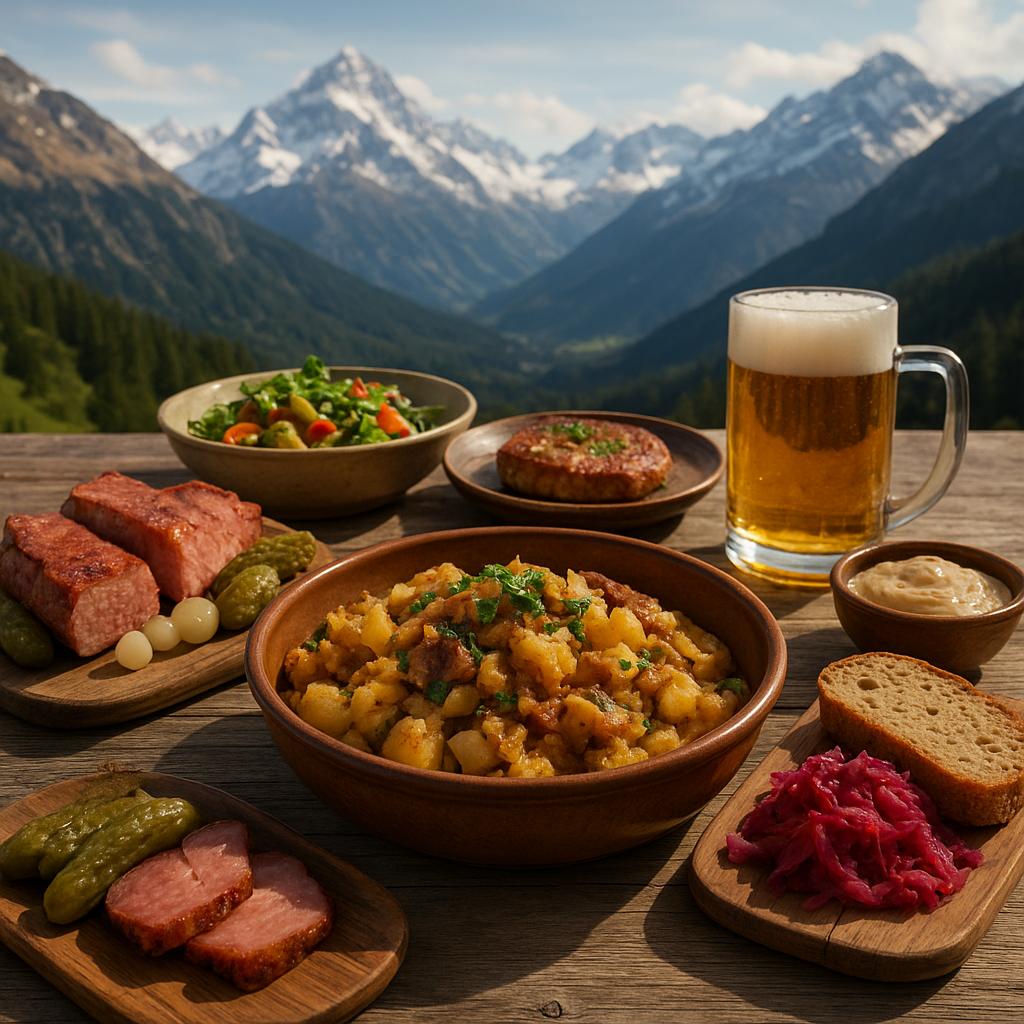
Communities across the Alps embrace **eco-friendly** accommodations, from solar-powered lodges to zero-waste hostels. Alpine guides lead educational treks focusing on mountain safety, geology, and wildlife tracking, ensuring travelers contribute positively to local economies. Gastronomic tourism highlights farm-to-table dining, showcasing cheese-making, charcuterie, and crystalline spring water.
The enduring appeal of the Alps lies in their seamless blend of pristine **landscape** and living culture. As hummingbird hawk-moths flit among wildflowers and church bells toll through misty valleys, visitors gain a profound sense of connection. From deep canyons to sky-high vantage points, every vista tells a story—one that intertwines ancient earth movements with modern stewardship, forging an indelible bond between humanity and the majestic Alps.