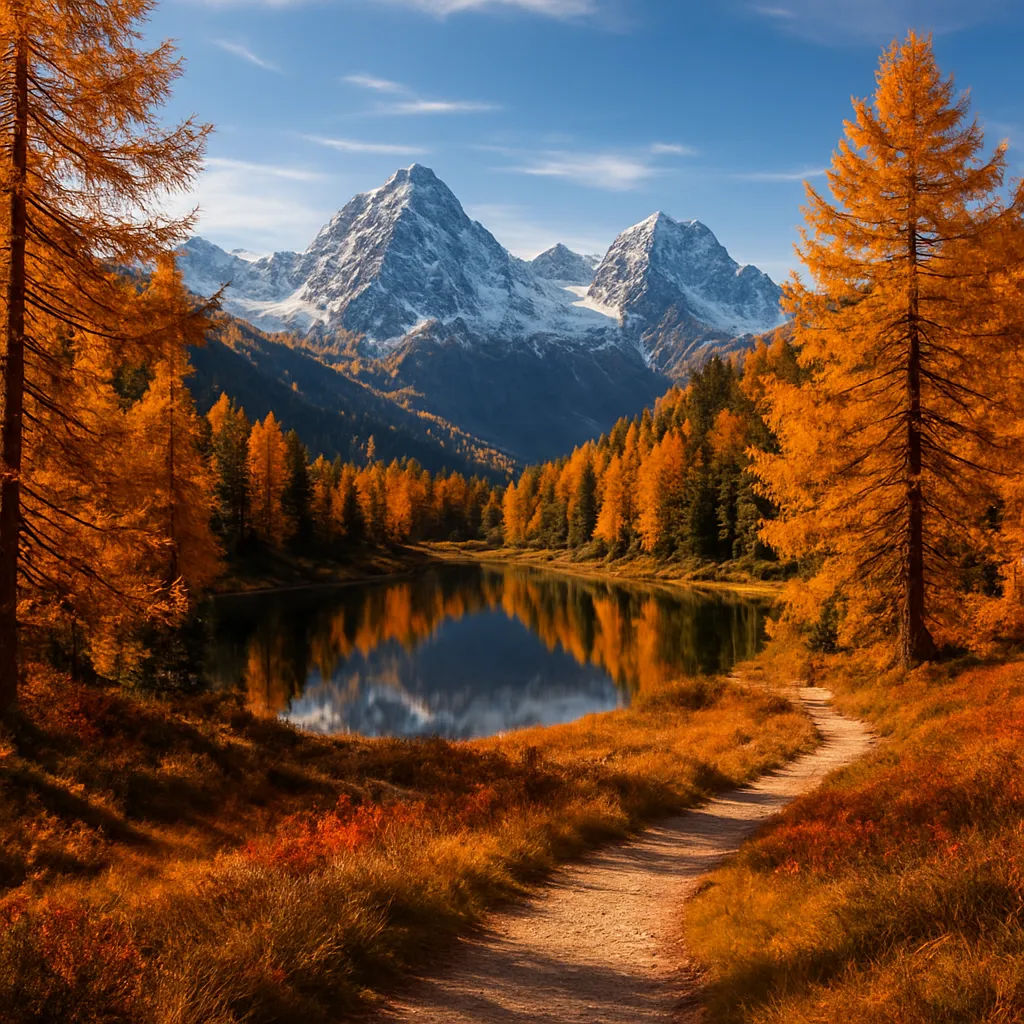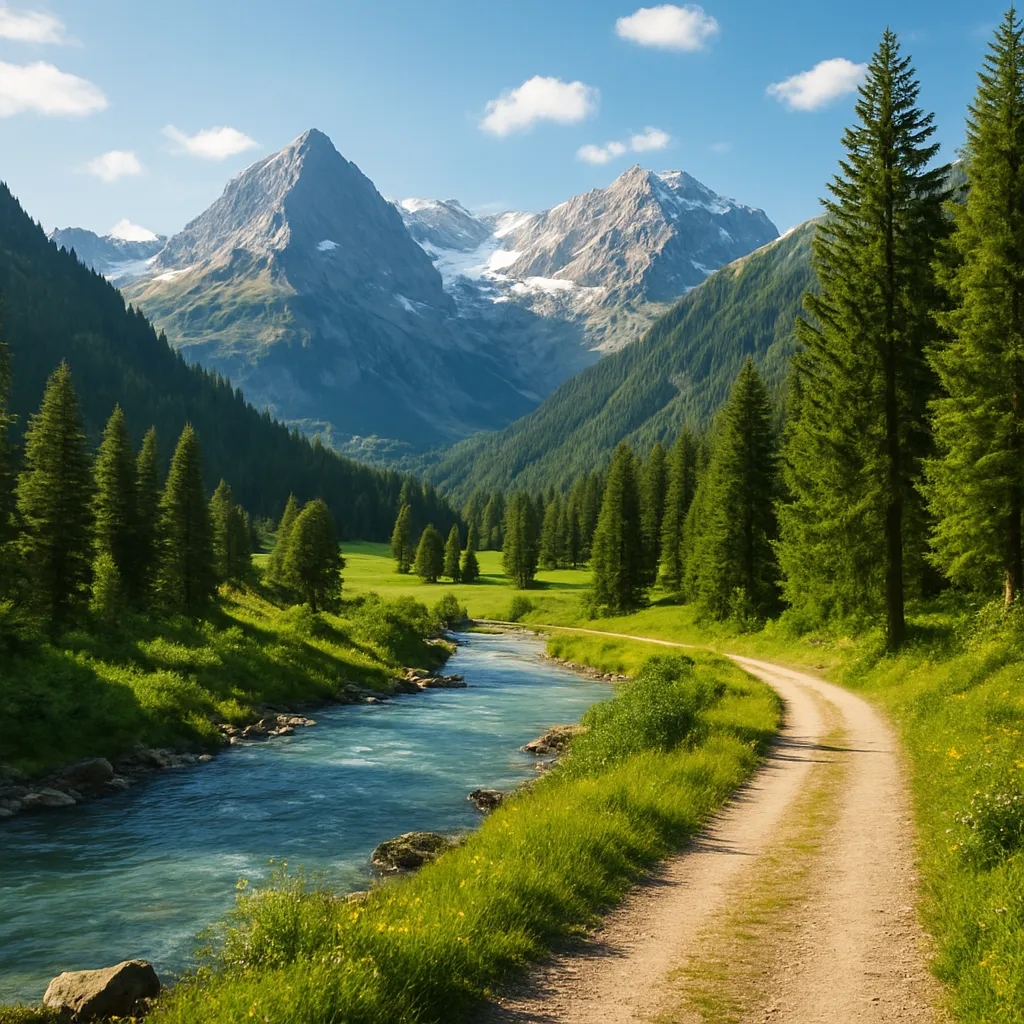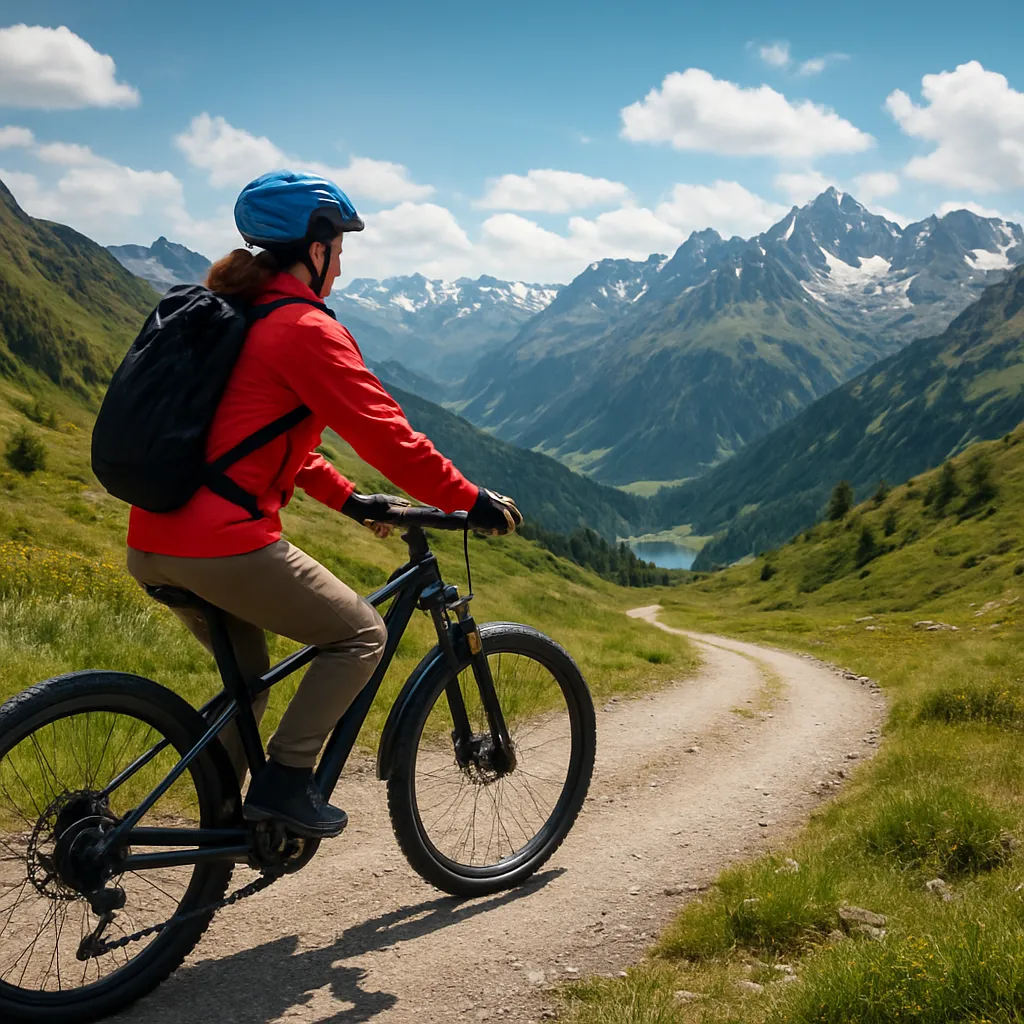
Embarking on an electric bike journey through the Alps offers a unique blend of challenge and reward. As you pedal alongside snow-capped peaks and lush valleys, the gentle hum of your motor becomes a soundtrack to an unforgettable experience. Proper preparation allows you to focus on the breathtaking scenery while your e-bike handles the steeper gradients with ease.
From selecting the ideal route to soaking in local traditions, every moment promises a fresh discovery. Below are five comprehensive sections to guide you through planning, navigating, and celebrating your electric bike adventure in the Alps.
Preparation and Planning
Successful Alpine tours begin long before you clip in. First, determine the distance and elevation gain that matches your fitness level and technical skills. The Alps are known for their challenging terrain, so understanding the demands of each stage is vital. Here are key considerations:
- Battery Management: Choose a battery capacity that provides at least 80 kilometers of range under mountainous load. High-capacity batteries may add weight but guarantee you won’t run out of power on remote passes.
- Navigation Tools: Rely on a combination of GPS devices and offline maps. Mobile signal can vanish at high altitudes, so pre-download trail data or bring a dedicated cycling computer.
- Weather Forecasts: Mountain weather shifts dramatically. Check multi-day forecasts from local meteorological services and pack layers for sun, rain, and snow.
- Accommodation Planning: Book refuges or small guesthouses in advance. Many mountain huts fill up quickly during the high season, and some are only accessible on foot or two wheels.
- Legal Requirements: Verify e-bike regulations in each country—some Alpine regions impose speed or power limits. Wear a helmet and carry identification, insurance papers, and an emergency contact card.
Investing time in logistics helps you tackle the Alps’ rigorous climbs and winding descents with confidence. Ensure your bike is serviced thoroughly: check brake pads, tire tread, and drivetrain alignment. A well-maintained machine is crucial for a worry-free tour.
Routes and Trails
Choosing the right path transforms your ride from demanding to downright exhilarating. The Alps sprawls across eight countries—each with its signature passes and hidden gems. Below are some recommended itineraries:
Classic High Mountain Passes
- Col du Galibier (France): Rising to 2,645 meters, this legendary climb is a test of endurance. With dramatic hairpin turns and panoramic views, it’s a staple for any serious cyclist.
- Stelvio Pass (Italy): At 2,757 meters, the Stelvio impresses with 48 switchbacks. Its historic roadside militiamen markers add a touch of Alpine lore.
Lakeside and Valley Routes
- Lake Constance Loop (Germany/Austria/Switzerland): A mostly flat course that winds around a sparkling lake, perfect for e-bikers seeking relaxed mileage.
- Saillon to Verbier (Switzerland): A blend of vineyard landscapes and steep climbs, leading to the chic resort town of Verbier.
Off-Road Singletracks
- Grindelwald Trails (Switzerland): Carved through alpine meadows, these paths demand technical skill but reward riders with secluded forests and glacial viewpoints.
- Les Gets Bike Park (France): Equipped with lift-accessed trails, you can mix downhills with uphill shuttles, exploring high-altitude lakes and rocky ridges.
When you plan your daily mileage, factor in rest stops, photo sessions, and the occasional detour to mountain springs or chapels. The slower pace of e-biking versus road cycling lets you immerse yourself fully in the journey.
Safety and Maintenance on the Go
Even the most seasoned riders can encounter mechanical issues or sudden weather changes. Prioritize safety by carrying essential tools and adopting best practices:
- Emergency Kit: Include a multi-tool set, spare inner tubes, tire levers, a mini-pump, and a portable battery charger.
- First Aid Essentials: Bandages, antiseptic wipes, pain relievers, and blister pads can make a difference after a long day in the sun and wind.
- Visibility Gear: Reflective vests and powerful lights are mandatory if you descend into cloud-covered valleys or tunnel sections.
- Weatherproof Clothing: A lightweight, waterproof jacket and thermal layers protect against sudden storms or cool alpine nights.
- Wildlife Awareness: In remote areas, encounters with ibex, chamois, or marmots are common. Maintain distance and avoid startling animals.
Regular checks at each stop—tightening bolts, inspecting cables, and wiping away dust—extends your equipment’s lifespan. If you’re riding in a group, establish a communication system for regrouping after challenging climbs or scenic detours.
Local Culture and Cuisine
The Alps are not just about mountains—they are a tapestry of languages, traditions, and flavors. Each valley tells a unique story through its architecture, festivals, and culinary specialties. Plan stops that celebrate regional offerings:
- Cheese Farms: In France, sample distinctive alpine cheeses like Beaufort or Tomme de Savoie, often handcrafted in family-run dairies.
- Mountain Huts: Known as “rifugi” in Italy or “hütten” in Germany, these rustic shelters serve hearty dishes—polenta, rösti, or spätzle—fueled by local produce.
- Wine Cellars: Valleys like the Val d’Aosta host tiny vineyards. Tour a cantina and taste robust reds that thrive in high-altitude microclimates.
- Traditional Festivals: If your trip coincides with events such as the Almabtrieb (cattle descent) or local folk music gatherings, pause to enjoy colorful parades and yodeling performances.
Understanding Alpine culture boosts your journey from mere cycling to meaningful immersion. Engage with hosts in small villages, and you’ll often uncover secret trails or artisanal treats off the beaten path.
Sustainable Adventure Tips
Exploring the Alps by electric bike is inherently more eco-friendly than motorized vehicles, yet there are ways to further minimize your footprint:
- Leave No Trace: Pack out all waste, avoid single-use plastics, and respect camping regulations.
- Support Local Businesses: Choose family-run lodges and eateries that invest in renewable energy and sustainable farming.
- Efficient Charging: Use solar chargers or energy stations at mountain huts when available, reducing reliance on grid power.
- Eco-Friendly Gear: Opt for biodegradable detergents and recycled apparel to lessen environmental impact.
- Respect Wildlife Habitats: Stick to marked trails, avoid off-trail shortcuts, and keep noise levels low near nesting sites.
By adopting these practices, your Alpine excursion becomes part of a larger movement toward responsible tourism. The same mountains that challenge us also depend on our stewardship.
Brave the passes, savor every vista, and let the gentle boost of your electric bike redefine what it means to explore the majestic Alps.