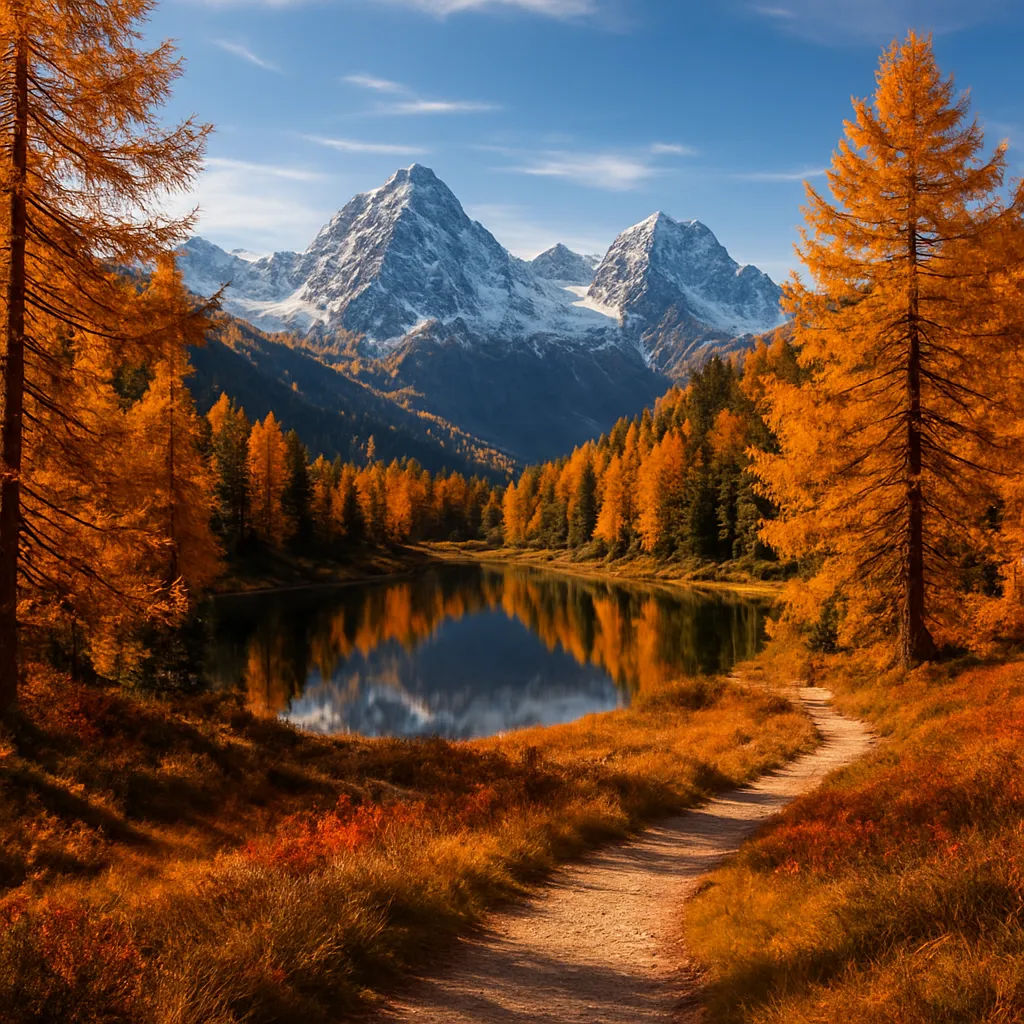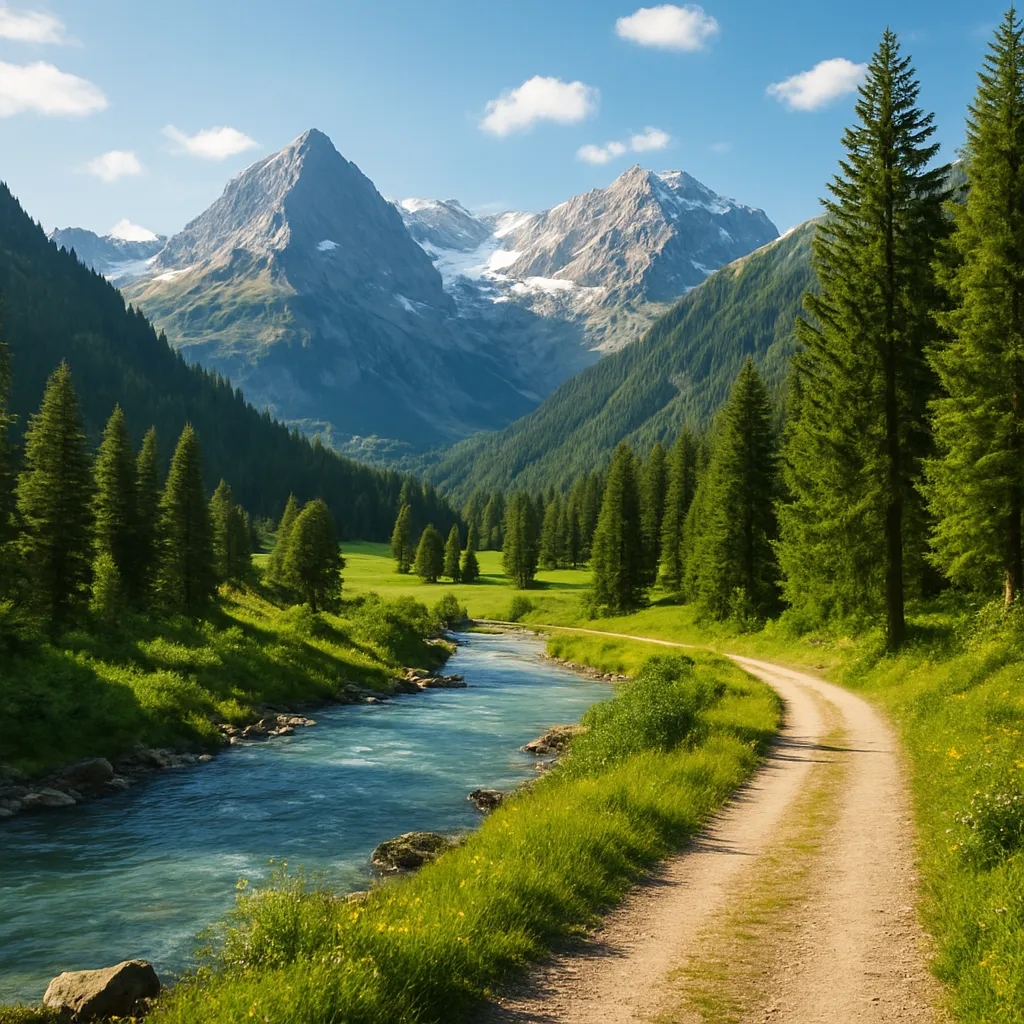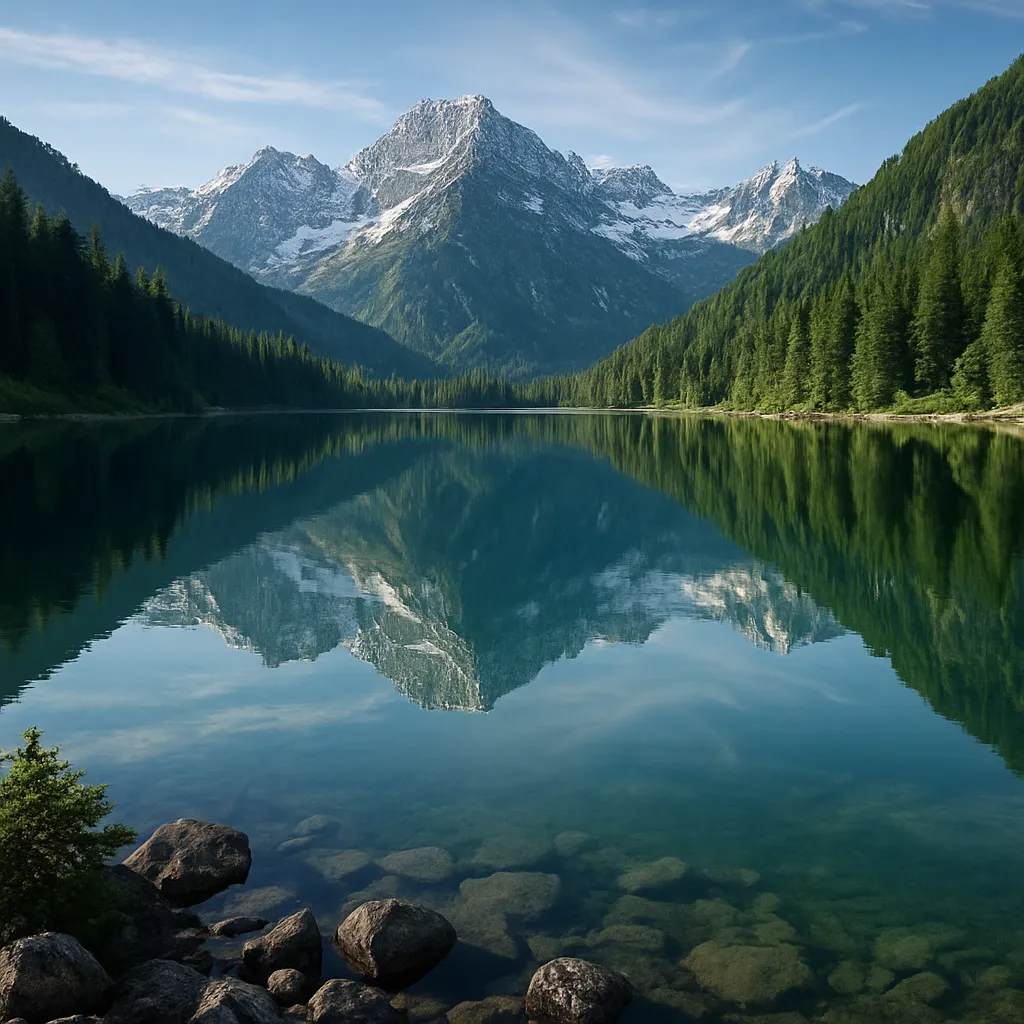
Capturing a crystal-clear reflection on an alpine lake requires a blend of technical skill, patience, and an appreciation for the mountain environment. This article explores the essential gear, optimal timing, and artistic approaches that will help photographers achieve breathtaking, mirror-like images that showcase the majestic beauty of the Alpine landscape.
Equipment Essentials for Pristine Alpine Reflections
Camera and Lens Selection
Choosing the right gear is the first step toward stunning reflections. A high-resolution DSLR or mirrorless camera allows for detailed captures of distant peaks and their mirrored counterparts. Pair your body with a wide-angle zoom lens, such as a 16-35mm or 24-70mm, to encompass both the sky and water surface. For compressed perspectives, a short telephoto lens (70-200mm) can isolate specific peaks and their reflected twins.
Tripod and Stability
Achieving razor-sharp images under low-light conditions or long exposures demands a sturdy tripod. Select one with adjustable leg angles to handle uneven terrain near lake shores. A ball head with a quick-release plate ensures swift framing adjustments—critical when dramatic light changes occur during sunrise or sunset.
Filters and Accessories
A circular polarizing filter is indispensable for managing glare and enhancing color saturation in both the water and sky. Rotating the polarizer selectively darkens reflections, boosting contrast between the lake and surrounding mountains. Neutral density (ND) filters, ranging from one to six stops, allow for longer exposures, blurring subtle ripples to enhance the serenity of your shot.
Timing and Light Conditions in High Mountain Environments
Golden Hour and Blue Hour Advantages
The magic moments just before sunrise and after sunset—known as the golden hour and blue hour—offer soft, directional light that accentuates textures in rock faces and clouds. During these windows, reflections become more vivid as the low-angle sun casts warm hues across the water. Arrive early to scout ideal vantage points and compose while the light is still gentle.
Weather Patterns and Cloud Cover
Calm weather is crucial for achieving a mirror-like surface on alpine lakes. Check local forecasts for minimal wind speeds. Light, scattered clouds can enrich compositions by adding interest to the sky and its reflection, but avoid days with heavy rain or strong gusts that create surface disturbances.
Reflection Optimization Strategies
To capture the clearest possible reflection:
- Position yourself at a low angle near the waterline to maximize symmetry.
- Use a remote shutter release or camera’s self-timer to eliminate shake.
- Bracket exposures if the dynamic range between sunlit peaks and shaded water is high.
Composition Techniques for Striking Symmetry
Framing the Reflection
Your frame should equally represent the lake and its surroundings. Centering the horizon in the middle of the frame is a classic way to emphasize the duality of mountain and reflection. Alternatively, apply the rule of thirds by placing the horizon on the upper third for a more grounding effect, allowing the reflection to dominate the scene.
Using Symmetry and Patterns
Symmetrical compositions evoke balance and harmony. Seek out repeating lines, such as ridgelines and treelines, that continue seamlessly between the real world and its mirrored version. Underlining key features with an underlined element—like a lone pine or jagged rock—can guide the viewer’s gaze across both halves of the image.
Foreground Elements and Depth
Incorporate foreground interest—such as partially submerged logs, pebbles, or water plants—to add depth and scale. A wide aperture (f/5.6–f/11) ensures both foreground details and distant peaks remain sharp, maintaining focus across the entire scene.
Alpine Lake Destinations and Environmental Considerations
Popular Alpine Lakes for Reflection Photography
Europe’s Alps host countless photogenic lakes. Some highlights include:
- Lac de Mont Cenis, France/Italy – turquoise waters surrounded by rugged summits.
- Lake Luzern, Switzerland – clear surface framed by the Swiss Prealps.
- Lake Bohinj, Slovenia – pristine waves and dense forest backdrops.
- Lake Carezza, Italy – emerald waters reflecting the Latemar massif.
Respecting the Fragile High-Altitude Environment
High mountain ecosystems are particularly vulnerable. Adhere to Leave No Trace principles by staying on designated paths, packing out all waste, and avoiding trampling alpine flora. Minimize disturbances to wildlife by keeping a respectful distance when composing your shot.
Ethical Photography Practices
Consider the impact of drone use on both fellow hikers and animals sensitive to noise. If using aerial devices, check local regulations and fly at safe altitudes. Always prioritize the light and environmental integrity over obtaining a unique vantage point.
Advanced Tips for Mastering Reflections
Bracketing and HDR Techniques
In scenes with extreme contrast—such as snowy peaks against deep-blue skies—capture multiple exposures and merge them in post-production. This composition method preserves highlight and shadow detail while maintaining natural color balance.
Panoramas for Wide-Angle Impact
Stitching a series of overlapping images can create an expansive panorama that envelopes the viewer. Keep the tripod level and maintain consistent exposure settings across frames. This technique is ideal for lakes nestled within vast mountain amphitheaters.
Minimalist Approaches
Less can be more. Focus on a solitary tree or rock formation near the water’s edge, isolating it against a smooth, glassy surface. The result is a serene, symmetry-driven composition that highlights the calming power of alpine reflections.