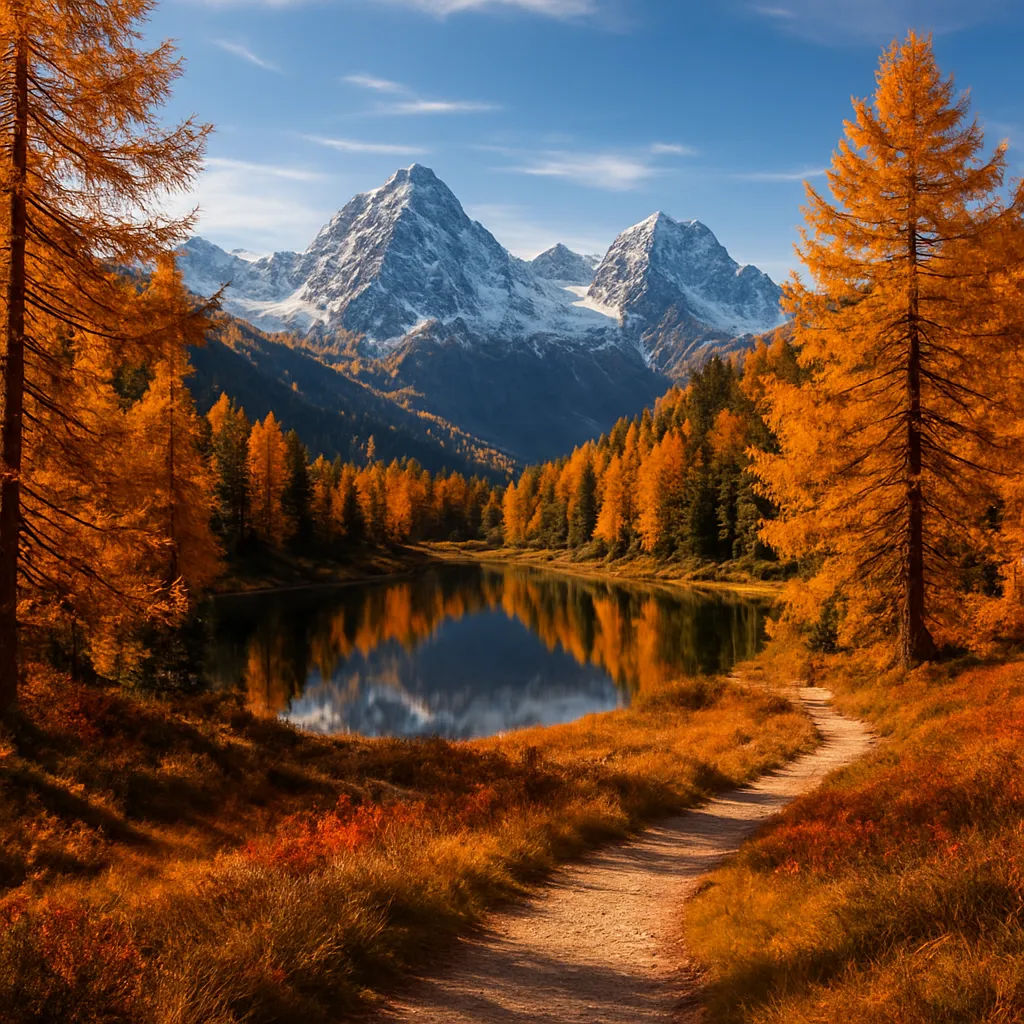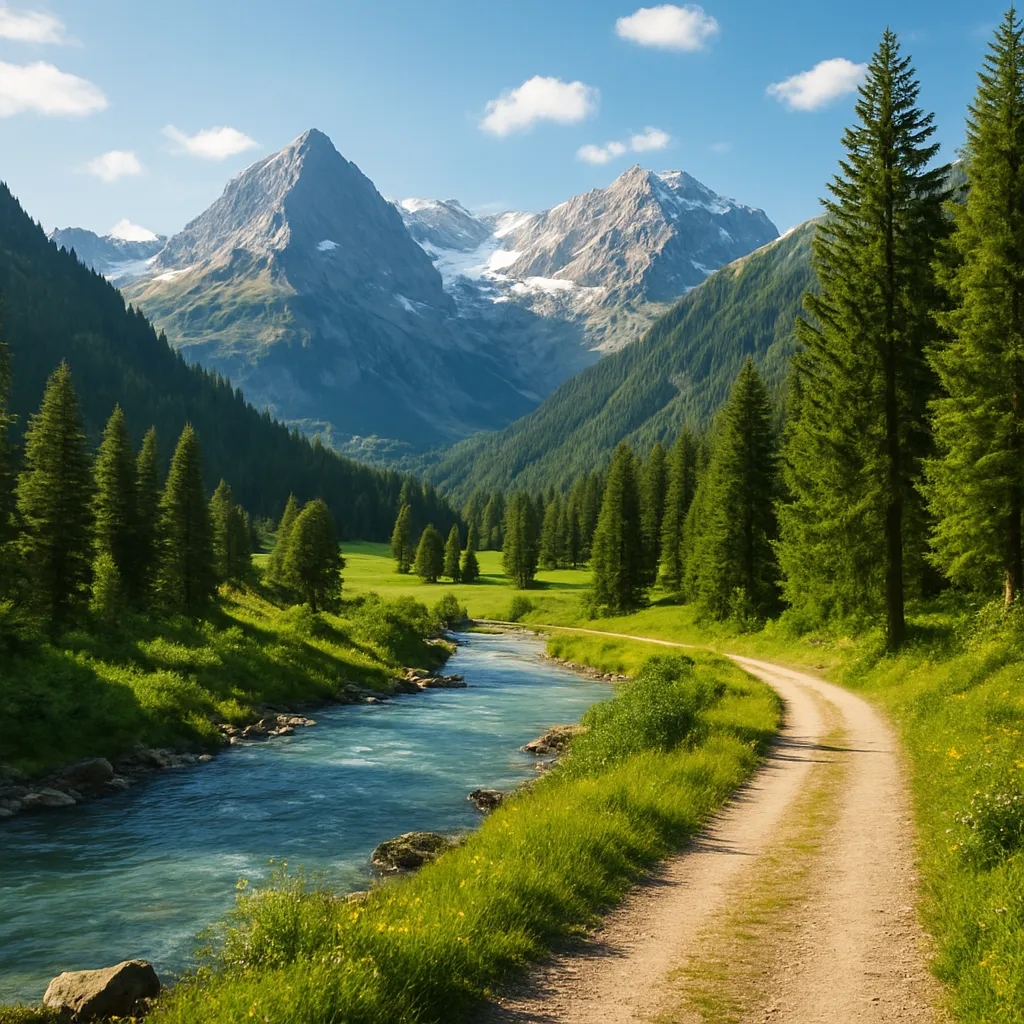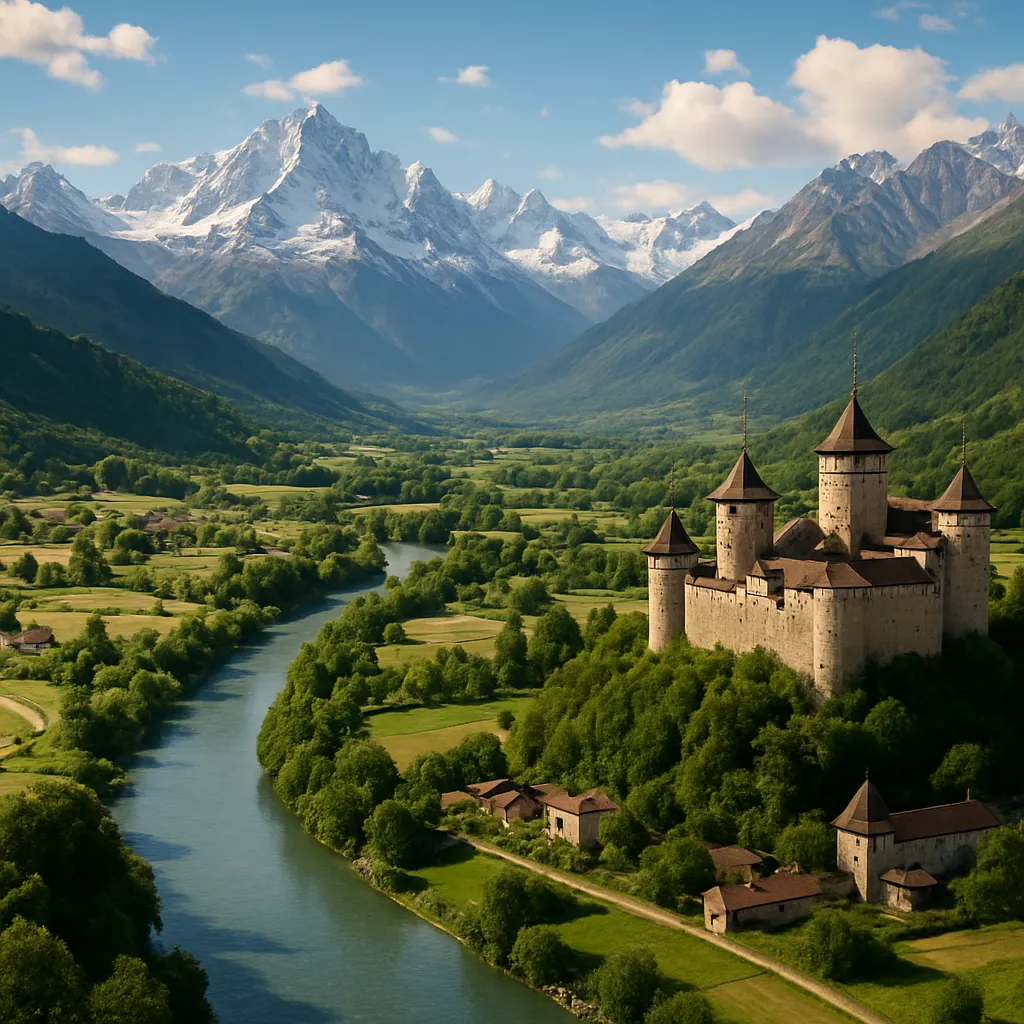
The majestic mountain range known as the Alps extends across eight countries, shaping not only the physical landscape of Europe but also its economic, cultural, and political development. Over millennia, these peaks have served as formidable barriers and vital corridors for human movement, fostering exchange between northern and southern Europe. The intricate network of passes, valleys, and waterways has influenced military campaigns, trade routes, and the growth of thriving communities. In this exploration, we will delve into the geographical importance, historic passages, and lasting legacy of the Alpine region, uncovering the ways in which this natural fortress has both divided and united the continent.
Geographical Significance and Natural Features
The Alps span approximately 1,200 kilometers from the Mediterranean coast of southeastern France through Swiss territory and into northern Italy, Austria, and beyond. This massive arc of jagged peaks, glacial valleys, and lush meadows exhibits a range of elevations, from modest foothills under 1,500 meters to towering summits such as Mont Blanc, which rises to 4,808 meters. The Alpine region can be divided into Western, Central, and Eastern sectors, each with its own geological composition and topographical traits.
Mountain Formation and Geology
Formed around 50 million years ago by the collision of the African and Eurasian tectonic plates, the Alps display complex structures of folded sedimentary rock, crystalline masses, and metamorphic cores. These processes created a landscape characterized by steep ridges, deep gorges, and an abundance of mineral resources. Over time, rivers such as the Rhine, Rhône, Po, and Danube have carved extensive valleys that facilitate modern road and rail links.
Climate Zones and Biodiversity
Elevation gradients produce distinct climatic zones, from temperate conditions in lower valleys to alpine tundra near the peaks. This variety supports diverse ecosystems:
- Deciduous and coniferous forests inhabited by deer, chamois, and bears
- Alpine meadows hosting rare wildflowers like edelweiss and gentian
- Subnival zones above the tree line, home to specialized insects and mosses
Such biodiversity is under pressure from human activity, with conservation efforts now prioritizing protected areas like the Vanoise and Stelvio National Parks.
Historic Trade Routes and Strategic Passes
Throughout history, the Alps stood as a strategic barrier between the Italian Peninsula and the rest of Europe. Yet they also offered vital arteries for commerce, diplomacy, and conquest. Key mountain passes such as the Brenner, Simplon, and Great St. Bernard enabled movement across this formidable barrier, directly impacting the development of the Roman Empire and subsequent medieval states.
Roman Expansion and Alpine Conquest
The Roman Republic and later the Empire recognized the necessity of controlling Alpine passes to secure northern borders and facilitate trade. Using advanced engineering, Roman legions constructed roads—some of which form the basis of modern highways—across high-altitude routes:
- The Roman Via Claudia Augusta connected northern Italy to southern Germany via the Reschen Pass.
- The Great St. Bernard Pass road enabled armies to invade Gaul and Hispania.
These roads not only transported troops but also commodities such as wine, olives, and Mediterranean luxury goods into Central Europe, while grain, furs, and metal ores flowed southward.
Medieval Trade and the Silk Road Connection
By the Middle Ages, merchant guilds and Italian city-states capitalized on trans-Alpine routes to expand trade networks. While the famed Silk Road stretched across Asia, goods reached European markets via northern Alpine ports and ultimately flowed through Alpine valleys toward Venice, Genoa, and beyond. Key commodities included:
- Spices from the Levant
- Silk and fine textiles from the East
- Precious metals and salt from Carinthia and Salzburg
This trade fueled urban growth in Alpine foothill cities and established cultural exchanges that enriched European artistic traditions.
Cultural Impact, Modern Economy, and Environmental Challenges
The Alps continue to exert a profound influence on European life. From the emergence of winter tourism in the 19th century to contemporary efforts in renewable energy and environmental stewardship, the region remains at the forefront of innovation and conservation.
Ski Resorts, Alpine Villages, and Tourism
In the mid-1800s, pioneering travelers began to scale Alpine peaks for scientific exploration and leisure. This enthusiasm catalyzed the establishment of Alpine clubs and the construction of mountain huts. By the early 20th century, winter sports gained popularity, leading to the development of world-class ski resorts in Chamonix, St. Moritz, and Cortina d’Ampezzo. Today, millions visit these resorts annually, supporting local economies while necessitating careful management of environmental impacts such as:
- Forest fragmentation due to slope clearing
- Water consumption for artificial snowmaking
- Infrastructure pressures on fragile alpine ecosystems
Hydropower and Renewable Energy
The abundant water resources of Alpine rivers and glacial melt have been harnessed for hydropower since the early 20th century. Switzerland and Austria, in particular, rely on mountainous catchments to generate a significant portion of their electricity. Modern initiatives seek to balance energy production with ecosystem health, implementing fish ladders and reservoir management to mitigate impacts on aquatic life.
Climate Change and Conservation Efforts
Warming temperatures threaten the region’s perpetual ice and snow; many glaciers have receded dramatically over the past century. These changes jeopardize water supplies downstream, affect mountain tourism, and endanger species adapted to cold environments. Consequently, Alpine governments and non-governmental organizations have ramped up conservation strategies:
- Expanding national parks and transboundary protected zones
- Monitoring glacier mass balance and adjusting water management
- Promoting sustainable tourism through eco-certification
International collaboration via the Alpine Convention underscores the collective commitment of France, Germany, Italian Republic, Liechtenstein, Monaco, Austria, Slovenia, Switzerland, and the European Union to safeguard this invaluable mountain system.
Regional Identities and Alpine Heritage
Despite the unifying nature of the Alps as a natural feature, the region harbors a mosaic of linguistic, cultural, and culinary traditions. German, French, Italian, Romansh, and Slovene dialects are spoken in various valleys, reflecting centuries of local adaptation.
Culinary Specialties and Alpine Agriculture
Mountain farmers have cultivated hardy crops and reared livestock suited to high-altitude grazing. Cheeses such as Gruyère, Comté, and Fontina exemplify the fusion of local ingredients and artisanal methods. Alpine pastures also produce:
- Hearty barley-based dishes like polenta
- Herbal infusions using mountain-grown botanicals
- Traditional smoked meats and sausages
Festivals, Folklore, and Vernacular Architecture
Seasonal festivals celebrate pastoral transhumance, when cattle are driven to high-altitude meadows in summer and returned to valley barns in autumn. Music, dance, and costumes vary from the Tyrolean Schuhplattler to the Savoyarde ring dance. Alpine chalets, with overhanging roofs and wooden façades, demonstrate centuries-old building techniques designed for heavy snowfall and thermal efficiency.
Through the combined forces of natural grandeur and human ingenuity, the Alps have shaped Europe’s trajectory in trade, culture, and environmental resilience. As modern challenges test the integrity of this mountain range, the enduring legacy of cooperation and adaptation promises to guide efforts that will determine the future of the Alpine world.