The alpine realm captivates with its soaring peaks, emerald valleys and crystal-clear streams. From the moment you set foot on a winding mountain trail, the breathtaking scenery awakens a sense of adventure and wonder. Whether you seek a quiet spot for a midday feast or an unforgettable backdrop for a family gathering, these high-altitude havens offer a perfect blend of natural beauty, rich culture and local gastronomy. Explore the heart of Europe’s greatest mountain range and discover why the Alps remain an enduring symbol of adventure and serenity.
Alpine Landscapes: A Tapestry of Peaks and Valleys
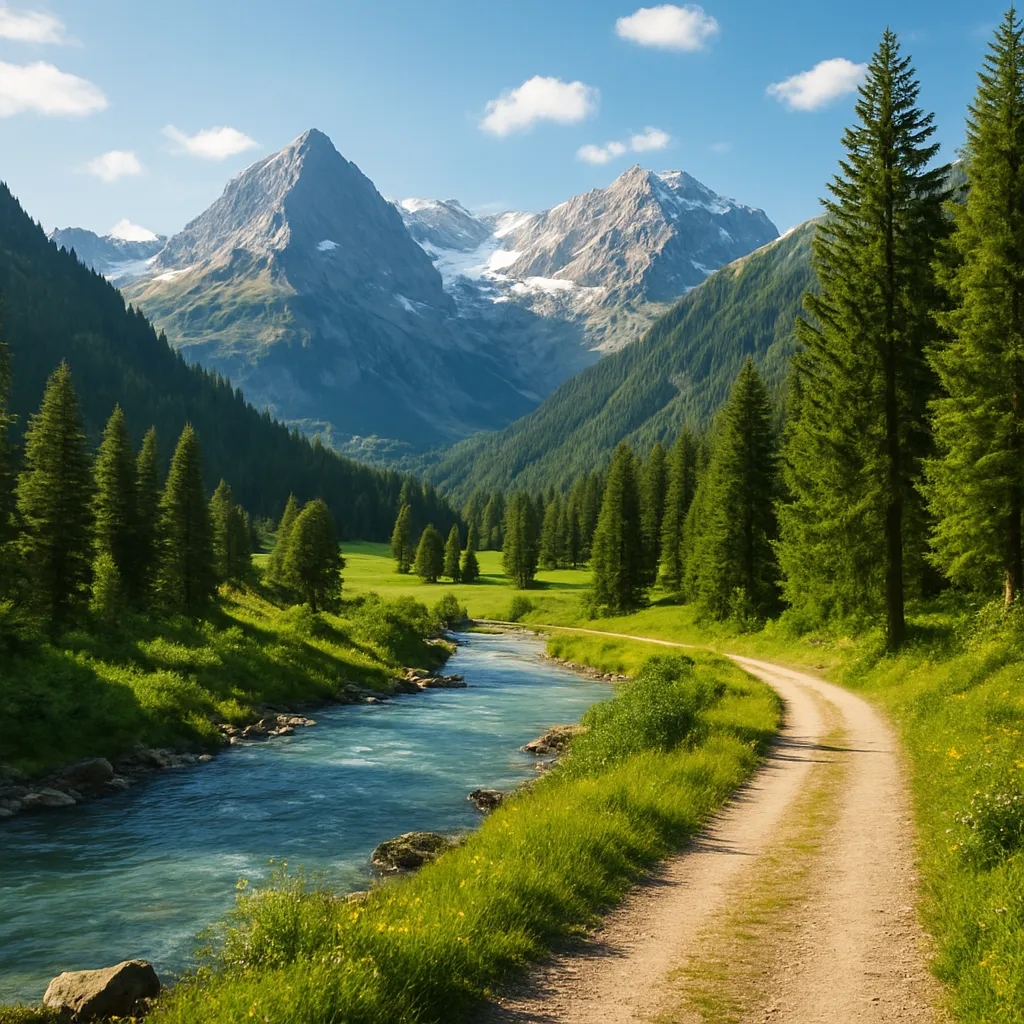
The Alps stretch across eight countries, forming a dramatic skyline that has drawn artists, poets and explorers for centuries. Towering above 4,000 meters in some regions, these mountains present a variety of ecosystems—from dense pine forests at lower elevations to glacial expanses near the summits. Visitors can experience:
- Biodiversity in protected natural parks, where rare flora and fauna thrive.
- Charming villages with traditional wooden chalets and centuries-old stone churches.
- Well-marked hiking trails that cater to all skill levels, offering both leisurely walks and technical climbs.
Geological Marvels
Rivers carving deep gorges, limestone cliffs dotted with ancient fossils and massive glaciers provide an ongoing lesson in Earth’s history. The region’s complex tectonic activity has created a mosaic of rock types, each telling a story of collisions and uplift over millions of years.
Panoramic Peaks
Iconic summits like Mont Blanc, the Matterhorn and the Zugspitze form a skyline that has inspired countless postcard images. From observation decks to mountain huts with sun-soaked terraces, you can savor expansive views that stretch across national boundaries.
Culinary Delights and Local Flavors
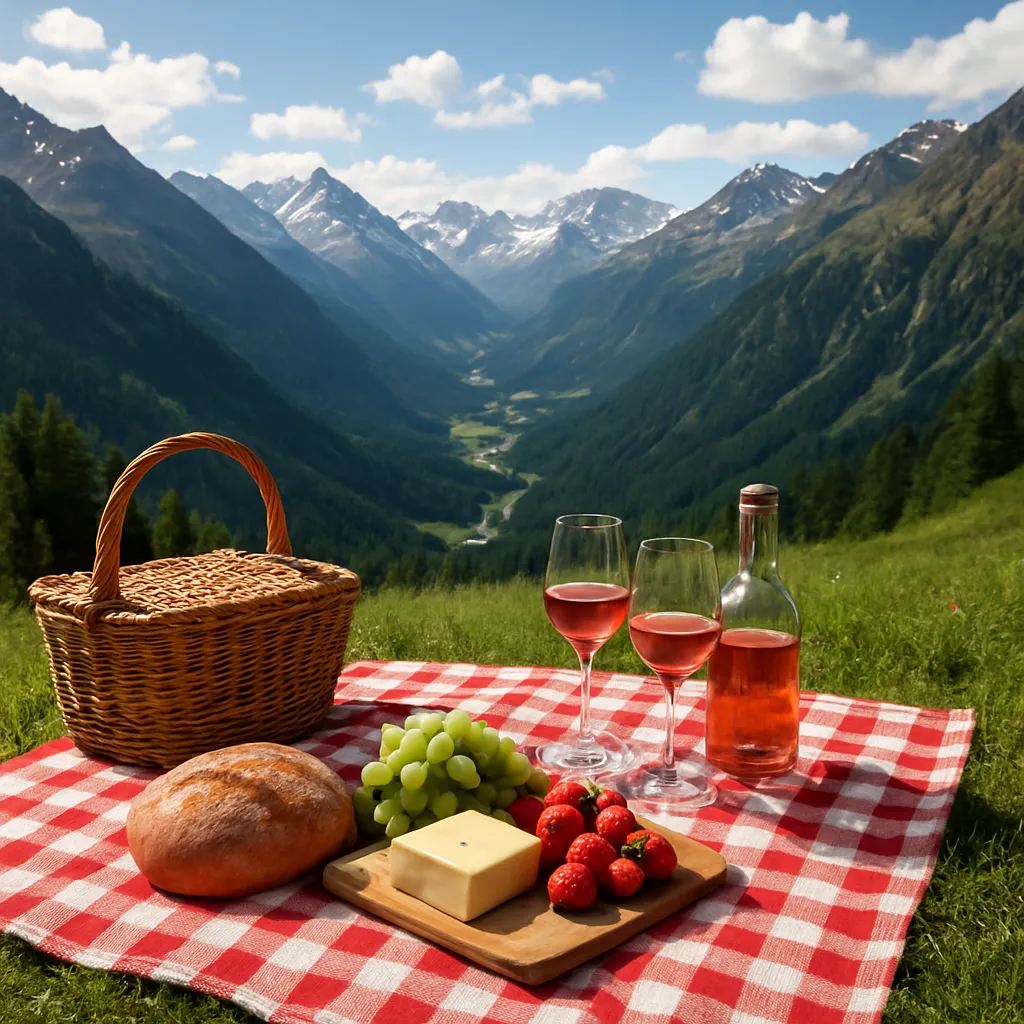
Alpine cuisine reflects centuries of rural tradition, relying on hearty ingredients to fuel strenuous mountain activities. Picnickers will delight in the region’s authentic offerings, which include:
- Artisanal cheeses such as Gruyère, Comté and Fontina, each with a unique aroma and texture.
- Handcrafted cured meats like speck, bresaola and smoked ham.
- Rustic breads, often baked in wood-fired ovens and still warm when purchased.
- Wild berries—bilberries, raspberries and strawberries—that add a fresh, sweet contrast to savory dishes.
Picnic Baskets and Local Markets
An early morning visit to a mountain market can yield baskets brimming with fresh produce, homemade spreads and local wines. Many villages host weekly fairs where producers present their best goods—perfect for assembling a memorable picnic.
Alpine Beverages
Complement your meal with one of the regional specialities: a glass of crisp white wine from a high-altitude vineyard, a herbal infusion brewed with alpine flowers, or a pint of craft beer flavored with mountain spring water. Don’t miss sampling linden tea and elderflower cordial for a taste of traditional wellness.
Must-Visit Scenic Picnic Spots
From gentle meadows to rocky overlooks, the Alps offer countless idyllic settings for an outdoor feast. The following locations have earned a reputation for their tranquil atmosphere and stunning backdrops:
- Lake Oeschinen, Switzerland: Nestled among towering cliffs, this turquoise lake glistens in the sunlight. Select a grassy shoreline spot or hike to a ledge overlooking the water for a perfect viewpoint.
- Chamonix Valley, France: Below the majestic Mont Blanc, several plateaus provide unobstructed views of Europe’s highest summit. Combine your picnic with a ride on the Aiguille du Midi cable car for an extra thrill.
- Val di Funes, Italy: Famous for its pastel-painted churches, this Dolomite valley features gentle slopes that bloom with wildflowers in summer, creating a charming patchwork of color.
- Innsbruck North Chain, Austria: Accessible by cable car and chairlift, the Nordkette range offers rocky promontories where you can dine above the clouds, gazing down onto the city below.
Hidden Gems
For those willing to venture off the beaten path, consider a secluded plateau in the Bernese Oberland or a forest clearing near the Stelvio Pass. Use a local hiking map to locate lesser-known vantage points, and always carry a lightweight mat or blanket for added comfort.
Seasonal Tips and Sustainable Practices
Visiting the Alps responsibly ensures these delicate environments remain pristine for future generations. Consider these sustainability guidelines:
- Pack in, pack out: Always carry your trash back to designated disposal points.
- Use reusable containers and utensils instead of single-use plastics.
- Stay on marked trails to protect fragile alpine vegetation.
- Respect wildlife by maintaining a safe distance and avoiding feeding animals.
Seasonal Variations
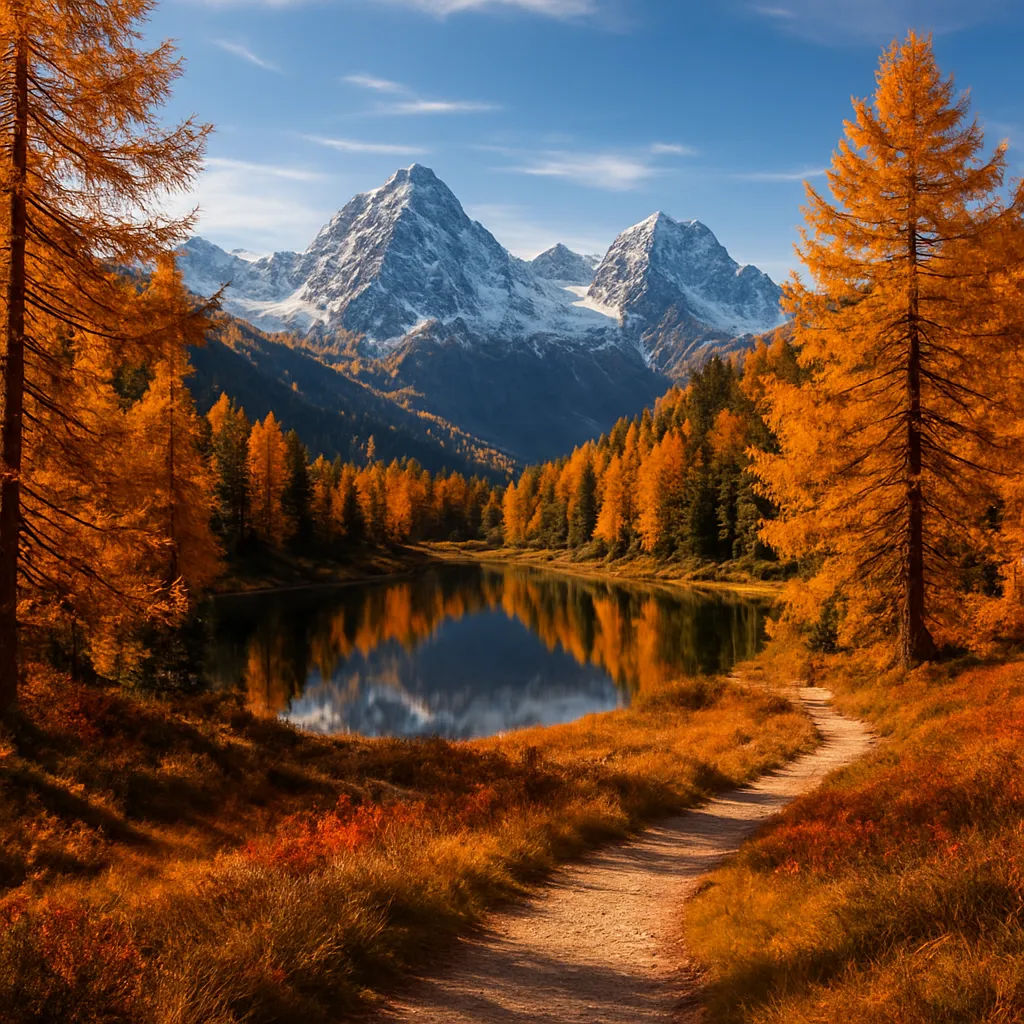
High summer (July and August) offers the fullest bloom of alpine meadows, while late spring brings waterfalls fed by melting snow. Autumn’s golden larches create a spectacular visual display, and winter transforms lower elevations into snowy picnic paradises—provided you arrive prepared with warm layers and insulated seating.
Weather and Safety
Mountain weather can change rapidly. Check local forecasts, pack a waterproof jacket and wear sturdy footwear. Inform someone of your planned route before setting out, and always carry essential safety items such as a first-aid kit, map, compass and plenty of water.