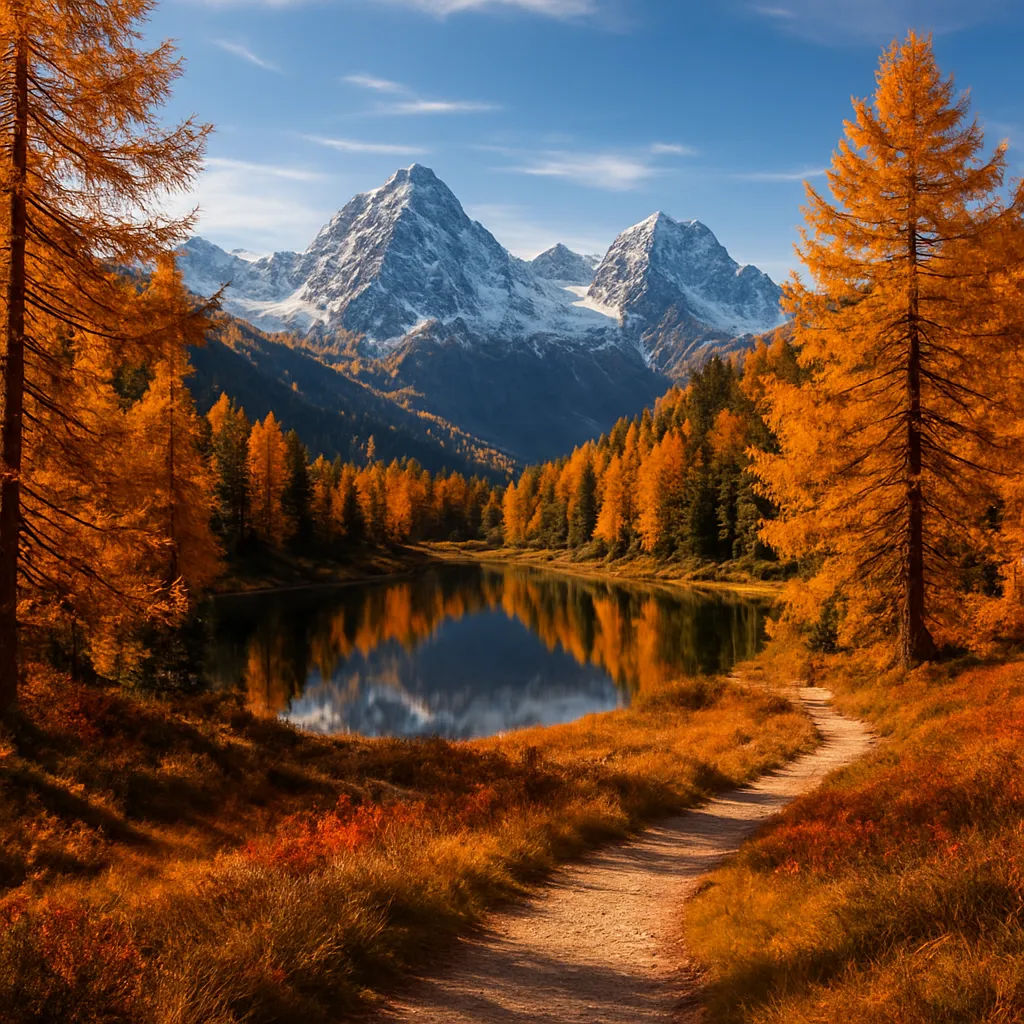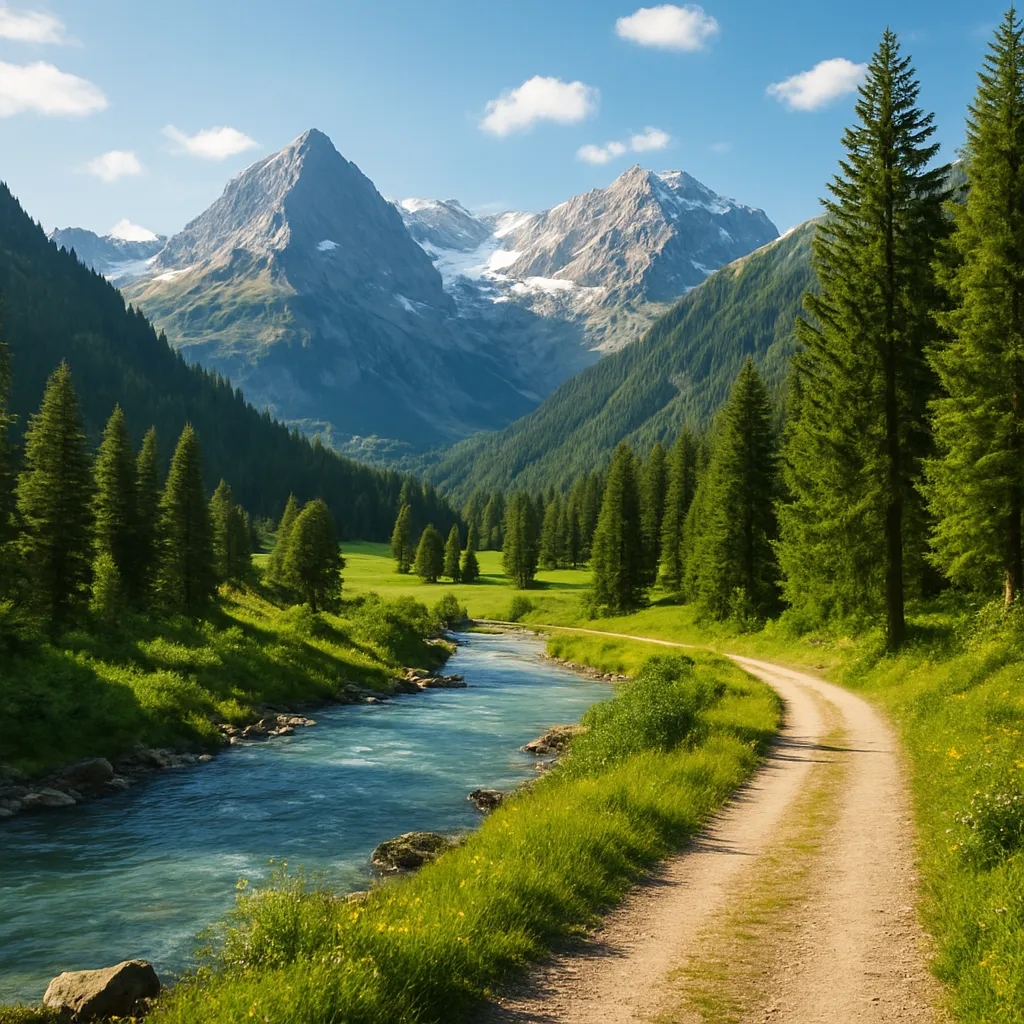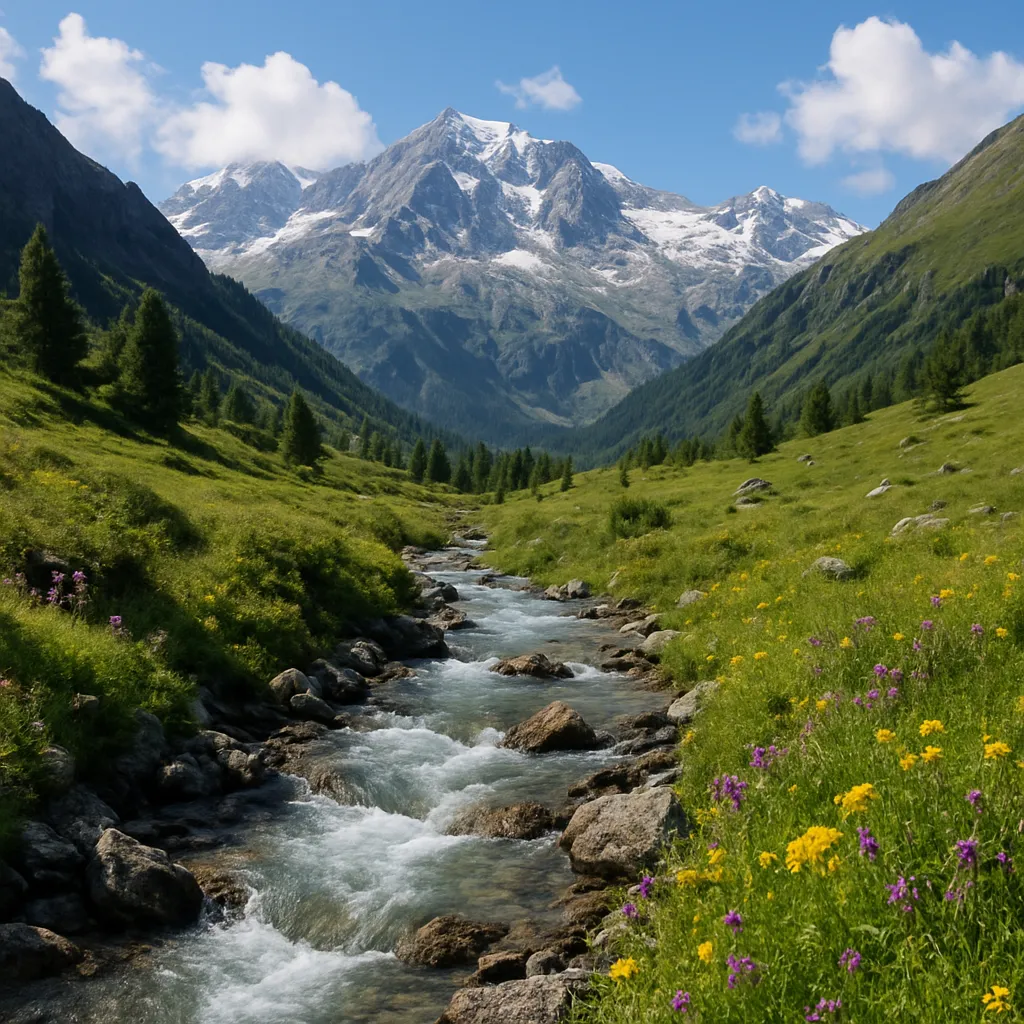
The Alps span over 1,200 kilometers across Austria, France, Germany, Italy, Liechtenstein, Monaco, Slovenia, and Switzerland, forming a vital natural fortress for Europe’s biodiversity. From deep valleys to soaring peaks, they host an astonishing variety of habitats—from lush mixed forests and sunlit meadows to stark rock faces and perennial ice. These mountains regulate regional climate, supply fresh water to tens of millions of people, and serve as refuges for species under pressure from agricultural expansion and urban sprawl. By exploring their geological roots, biological richness, hydrological functions, and conservation frameworks, we uncover how the Alps safeguard both nature and human societies.
Geological Origins and Climate Influence
The birth of the Alpine chain traces back to the Tertiary period, when the African tectonic plate collided forcefully with the Eurasian plate. This monumental event forced ancient seabeds upward, crafting the highest peaks north of the Mediterranean. Subsequent cycles of glaciation sculpted dramatic valleys, sharp arêtes, and moraines, leaving behind a landscape that continues to evolve under frost, wind, and water.
Stratified Rock and Tectonic Layers
- Crystalline core: Exposed gneisses and schists reveal high-grade metamorphism deep within the mountain roots.
- Folded sedimentary nappes: Sediments originally deposited in Tethys Sea basins now form spectacular cliff faces.
- Molasse basins: Foreland basins at mountain edges accumulate eroded material, offering clues to uplift rates and erosion.
Across this varied terrain, climate patterns oscillate with altitude and exposure. Lower slopes experience a temperate oceanic climate, nurturing broadleaf woodlands. Mid-elevations see frequent snow cover in winter and cool, moist summers favoring spruce-dominated forests. Above the treeline, conditions become harsh—thin soils, strong winds, and intense solar radiation limit plant growth to tough grasses, cushion plants, and scattered shrubs. In the highest nival zones, permanent ice and snowfields persist, storing freshwater in frozen form.
Hydrological Dynamics
Acting as Europe’s water towers, the Alps feed major river systems including the Rhine, Rhône, Po, and Danube. Springs, streams, and glacial meltwaters converge into complex drainage networks, sustaining agriculture, industry, and urban centers downstream.
- Meltwater seasons: Spring and summer peaks replenish reservoirs and support irrigation.
- Karst aquifers: Limestone areas host underground channels that buffer water flow and regulate baseflow during dry spells.
- Glacier retreat: Monitoring glacial mass balance helps predict long-term water availability and flood risks.
Alpine Biodiversity and Endemism
Serving as a cradle of speciation, the Alps harbor more than 30,000 animal species and 13,000 plant species. Isolation in glacial refugia fostered unique adaptations—compact growth forms, deep root systems, and specialized reproductive cycles timed to short growing seasons. Many inhabitants are endemic species, found nowhere else on Earth, and imperiled by shifting climates and habitat loss.
Flora Diversity
- Subalpine forests: Norway spruce, silver fir, and rowan trees provide fuel and habitat for wildlife.
- Alpine meadows: Home to iconic edelweiss, gentians, and alpine aster, these grasslands support pollinators and grazing animals.
- High-elevation lichens and mosses: Colonize bare rock surfaces and contribute to soil formation.
In addition to visible plants, an incredible array of fungi, bacteria, and microalgae underpins nutrient cycles. Soil microbiomes break down organic matter, enable nitrogen fixation, and form mycorrhizal partnerships vital for plant health.
Fauna and Specialist Adaptations
- Mountain mammals: Alpine marmots hibernate in burrows, while chamois scale cliffs to forage on nutrient-rich shoots.
- Birdlife: Ptarmigans and snowfinches endure winters beneath snowcover; golden eagles patrol thermals above.
- Invertebrates: Cold-tolerant butterflies like the Apollo and specialized beetles occupy narrow elevational bands.
Genetic studies reveal high levels of differentiation among isolated populations, underscoring the importance of habitat connectivity. Corridor creation and translocation efforts aim to maintain gene flow and reduce inbreeding risks.
Ecosystem Services and Hydrological Significance
Beyond species counts, the Alps deliver critical services to human communities. Their forests act as carbon sinks, capturing atmospheric CO2 and mitigating greenhouse gas accumulation. Meadows and wetlands filter pollutants, enhancing water quality. Mountain ecosystems also stabilize slopes, reducing landslide and avalanche hazards.
Provisioning Services
- Freshwater supply: Alpine headwaters supply drinking water to major cities like Vienna, Munich, and Milan.
- Timber and non-timber products: Sustainable forestry yields wood, mushrooms, berries, and medicinal plants.
- Hydropower: Reservoirs and run-of-river plants generate clean electricity, though they must balance flow regulation with ecosystem needs.
Regulating and Cultural Benefits
- Climate regulation: Snow cover helps reflect solar radiation, influencing regional temperature patterns.
- Soil stabilization: Plant roots bind mountain soils, reducing erosion and preserving arable land below.
- Recreation and heritage: Hiking, skiing, and cultural festivals support well-being and local economies.
Economic valuations of these services rise sharply when modeling reveals the cost of artificial substitutes for clean water, flood control, and carbon storage. Investing in mountain conservation yields widespread returns for both nature and people.
Conservation Strategies and Policy Frameworks
Recognizing the Alps’ global significance, European governments and NGOs pioneered collaborative agreements such as the Alpine Convention. Adopted in 1991, this treaty unites eight states in protecting natural and cultural landscapes and fostering conservation-oriented development. It encompasses protocols on soil protection, mountain farming, nature conservation, and tourism management.
Protected Area Networks
- National parks: e.g., Gran Paradiso (Italy) and Hohe Tauern (Austria) safeguard core zones with minimal human disturbance.
- EU Natura 2000 sites: Identified for habitat types and species of community interest, these overlapping areas create a continental web of refuge.
- Biosphere reserves: UNESCO-designated zones balance strict preservation with sustainable economic uses in peripheral buffer areas.
Adaptive management is central to ensuring that conservation measures evolve alongside emerging threats. Climate models inform scenario planning, while citizen science initiatives contribute real-time observations on species phenology and snowpack dynamics.
Restoration and Corridor Initiatives
- Rewilding projects: Re-establishing top predators, such as wolves and lynx, to restore trophic dynamics.
- Habitat connectivity: Green bridges and wildlife tunnels across highways facilitate ungulate migrations.
- Wetland rehabilitation: Re-ponding former floodplains enhances water retention and biodiversity.
Human Activities and sustainable development
From pastoralism to modern tourism, human presence has both enriched and challenged Alpine ecosystems. Traditional land management—transhumance grazing, seasonal haymaking, and wood harvesting—created semi-open landscapes of high species value. Recent decades have seen a pivot toward winter sports infrastructure, intensifying land-use pressures and energy demands.
Balancing Tourism and Ecology
- Zoning plans: Delimiting core conservation areas, restricted use zones, and development corridors to minimize ecological footprints.
- Low-impact transport: Promoting cable cars, electric shuttles, and bicycle networks to reduce road traffic emissions.
- Environmental certification: Labels like “Green Key” and “Alpine Pearls” reward operators who meet strict sustainability criteria.
Stakeholder collaboration, from farmers and hoteliers to scientists and local governments, is essential for crafting integrated land-use plans. Dialogue platforms foster mutual understanding and innovative solutions, such as multi-season tourism packages that reduce peak winter loads.
Research, Education, and Future Outlook
Long-term ecological research sites and mountain observatories monitor changes in glaciers, vegetation zones, and wildlife populations. Data-driven management plans aim to enhance adaptability. Engaging schools and community groups through interactive programs fosters a culture of environmental stewardship, ensuring that future generations carry forward a commitment to mountain guardianship.
As the Alps face the dual challenges of warming temperatures and intensifying human demands, resilient and inclusive strategies will be key. Cross-border cooperation, bolstered by scientific innovation and community participation, can pave the way toward harmonizing economic vitality with nature’s needs. In doing so, this majestic range will continue to stand as a beacon of Europe’s natural heritage and a bastion of ecological endurance.