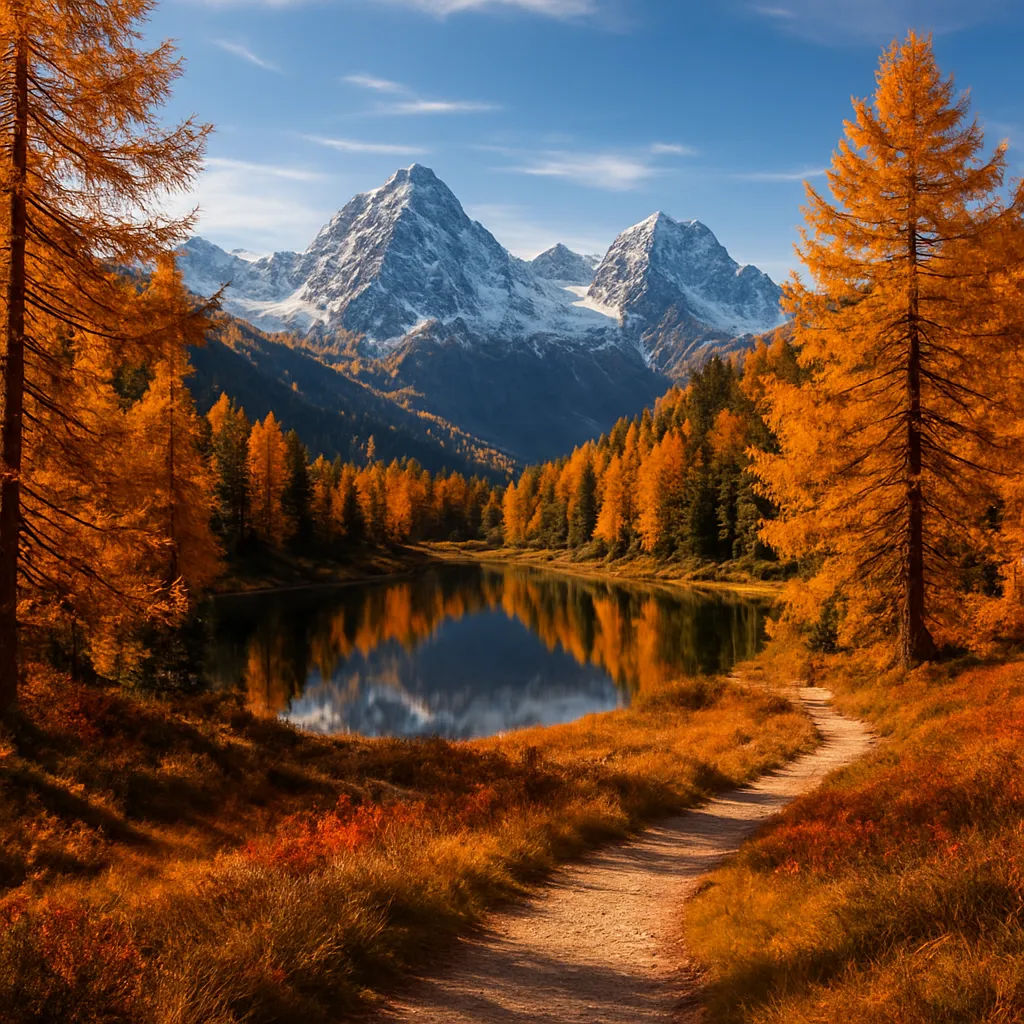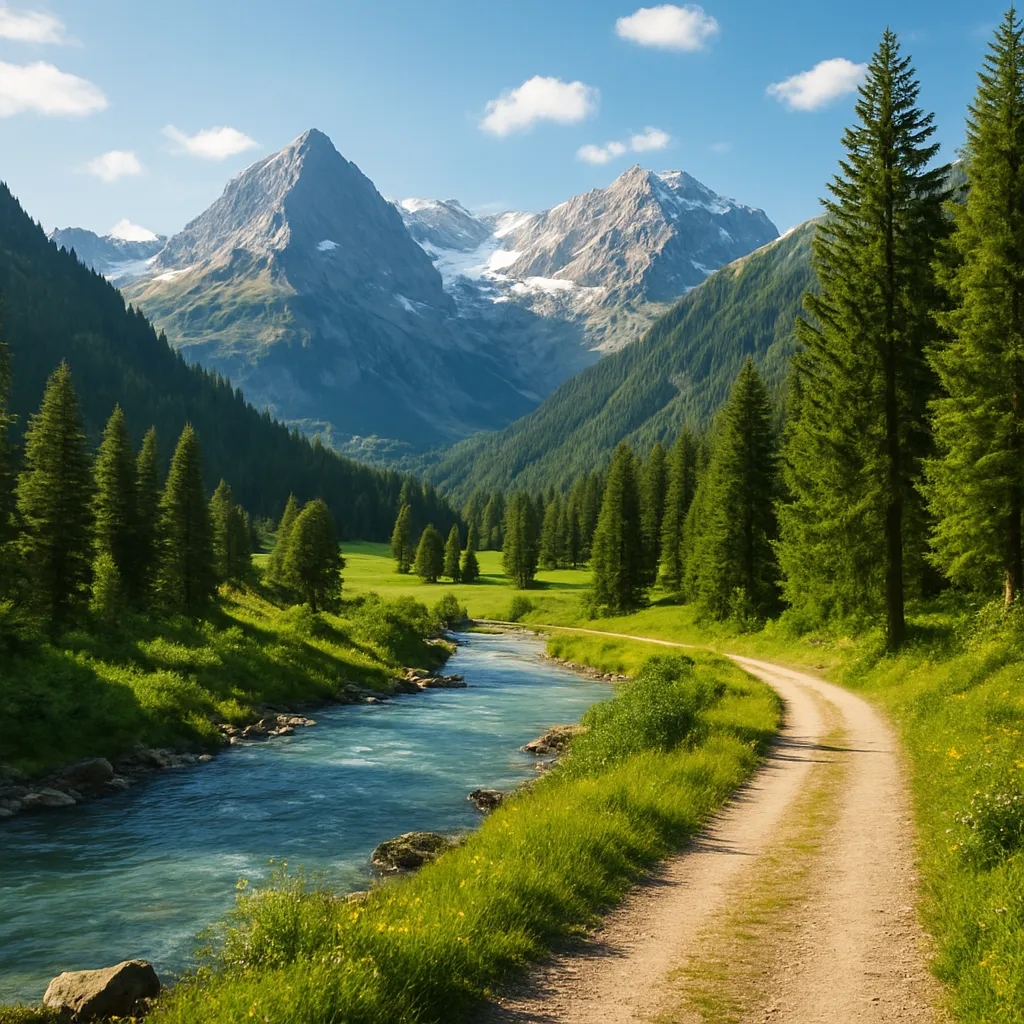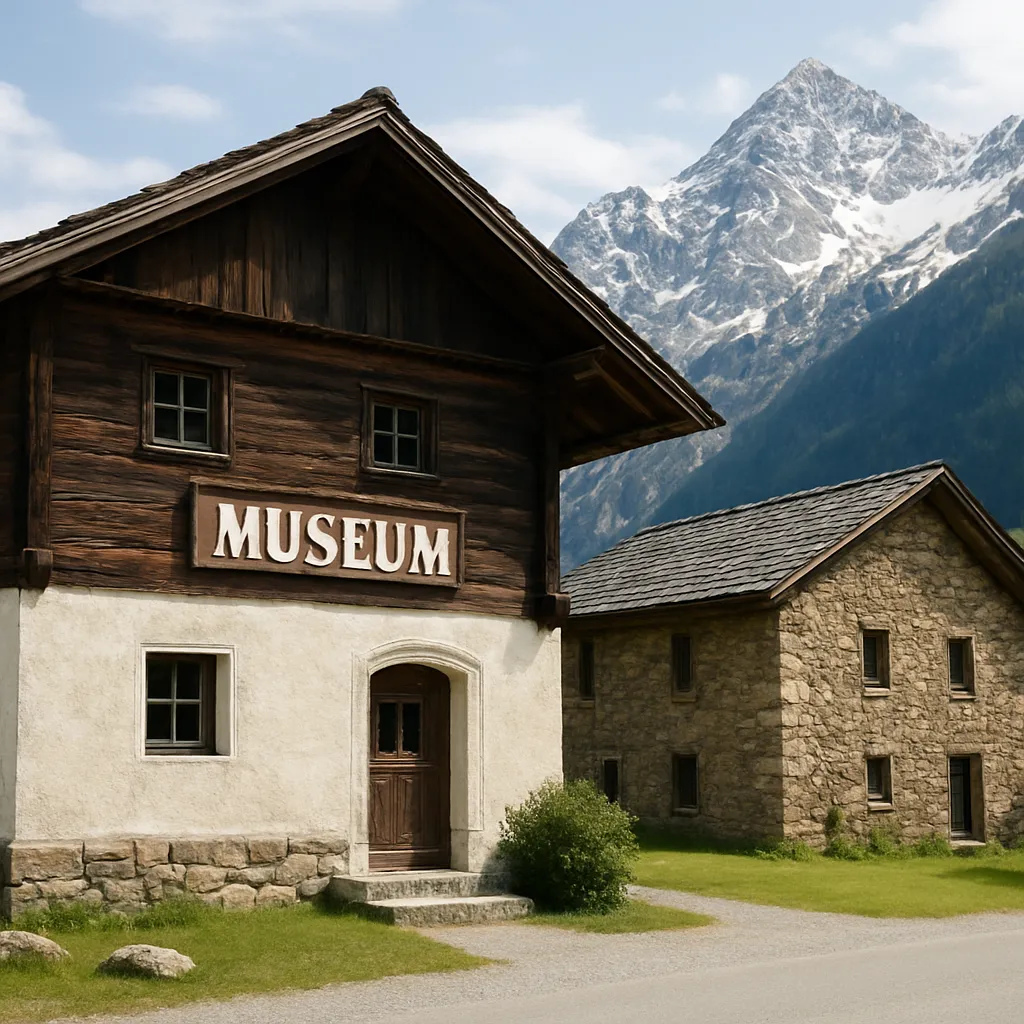
The majestic peaks of the Alps have long inspired explorers, artists, and scientists alike. Beyond the well-trodden ski resorts and crowded cable cars lie a series of remarkable institutions that celebrate the region’s diverse heritage. From tales of daring expeditions to the evolution of local traditions, these museums offer immersive journeys into the heart of Alpine culture.
History and Heritage Preserved
Deep within mountain valleys and perched on sunlit terraces, numerous Alpine museums preserve artifacts and stories that span centuries. By visiting these sites, one can trace the development of local communities, understand the challenges of high-altitude life, and marvel at the ingenuity that transformed steep slopes into fertile pasture and bustling hamlets.
Ancient Traditions and Rural Life
In remote villages, small exhibitions focus on age-old customs. Wooden tools used for harvesting hay, ornate costumes worn during seasonal festivals, and ancient manuscripts penned by local monks all contribute to a vivid portrait of Alpine rural existence. These collections demonstrate how simple implements shaped a sustainable livelihood, where families crafted cheese in mountain chalets and built barns from stone hewn on-site.
Mountaineering and Scientific Discovery
Another facet of Alpine history is the golden age of exploration. Early climbers braved uncharted ridges and glacial crevasses, sending back detailed field notes and photographs. Exhibits display first-edition guidebooks, rope-and-ice-axe combinations used by pioneering alpinists, and charts mapping the ebb and flow of ice over decades. Interactive maps illustrate how retreating glaciers have altered valleys, offering sobering context for climate studies.
Hidden Gems Off the Beaten Path
While iconic institutions in Chamonix or Zermatt attract many visitors, a host of lesser-known museums stand ready to enchant curious travelers. Tucked away in quiet hamlets or behind unassuming façades, these venues provide intimate encounters with Alpine culture.
- Museum Alpin (Chamonix, France): Often overshadowed by nearby peaks, this museum houses curated archives of early climbing gear and personal diaries of mountaineers.
- Bergbau Erlebniswelt (Leogang, Austria): An underground showcase dedicated to centuries of mining history, featuring illuminated shafts and authentic ore-crushing machinery.
- Liechtenstein Alpine Hut Museum (Malbun): A reconstructed shepherd’s hut displaying traditional textile looms, cheese presses, and the art of transhumance.
- Transhumance Heritage Centre (Villar-d’Arêne, France): Highlighting seasonal shepherd migrations, this center uses audiovisual presentations to bring ancient journeys to life.
- Engadine Natural History Museum (St. Moritz, Switzerland): Emphasizing local biodiversity, the collection includes preserved Alpine plants, insect specimens, and interactive displays on high-altitude ecosystems.
Each of these institutions may occupy a single gallery or an entire historic building. Wandering through dark corridors or sunlit courtyards, visitors encounter artifacts with fascinating backstories: a miner’s helmet from the 17th century, a shepherd’s diary bound in goat leather, or early panoramic photographs capturing the first ascents of famous summits.
Interactive Experiences and Cultural Insights
Today’s museum curators embrace technology and storytelling to deepen engagement. Hands-on exhibits allow guests to lift replica skis from the 1800s, try on replica mountaineering boots, or manipulate digital glaciers to observe projected climate impacts.
Hands-on Exhibits and Workshops
Programs range from cheese-making demonstrations in reconstructed Alpine huts to woodcarving workshops led by local artisans. Some museums even offer short alpine cooking classes, where participants learn to prepare regional specialties—savory tartiflette, aromatic herb-infused cheeses, and hearty barley stews—connecting visitors to the culinary traditions that fueled generations of mountaineers and shepherds.
Seasonal Events and Guided Tours
Engagement reaches its peak during annual festivals celebrating regional customs. In spring, a “Festival of Bells” rings out as herds descend from high pastures, accompanied by colorful processions. Summer brings photography nights in open-air courtyards, with experts discussing Alpine landscapes under starlit skies. Winter programs may include storytelling around a roaring fire, where tales of legendary rescues and heroic endeavors keep the spirit of adventure alive.
Architectural Marvels and Conservation Efforts
Beyond collections, many Alpine museums inhabit structures that are themselves works of art. Ingenious architecture blends stone, timber, and local materials, creating energy-efficient spaces that resist harsh weather. Some buildings nestle into mountain slopes with green roofs that track snowfall, while others rise like beacons of glass and steel, offering panoramic views of towering spires.
Sustainable Design
Several new museum projects have earned awards for carbon-neutral construction. Solar panels, geothermal heating, and rainwater harvesting systems all contribute to preserving the pristine environment. Exhibits often include behind-the-scenes tours of these technologies, educating visitors on sustainable practices that can be applied beyond the mountains.
Wildlife Conservation Initiatives
Certain institutions partner with research centers to monitor Alpine fauna. Camera-trap footage of ibex, marmots, and eagles is displayed alongside stories of reintroduction programs and protected corridors that allow wildlife to migrate between peaks. Interactive installations encourage guests to adopt animal “profiles” and learn how habitat preservation supports ecological balance.
Why These Museums Matter
Each museum, whether modest or grand, serves as a guardian of memories and knowledge. They document how families carved terraces into rock, how scientists studied rare Alpine flora, and how communities overcame isolation with creativity and solidarity. By exploring these hidden gems, travelers gain a deeper appreciation for the Alps’ natural wonders and human achievements.
Next time you plan a mountain excursion, consider venturing beyond the slopes and into these captivating museums. You’ll uncover layers of history, science, and art that illuminate the enduring bond between people and these breathtaking highlands.