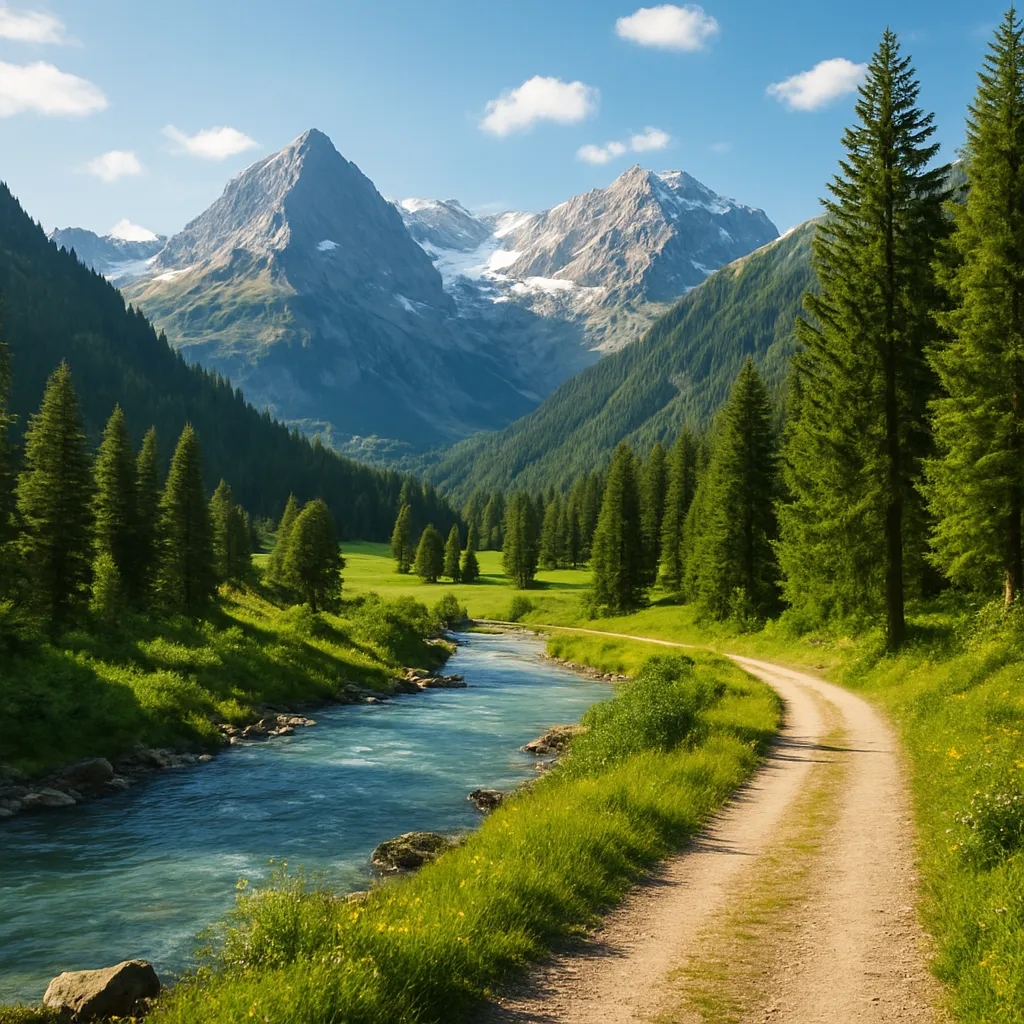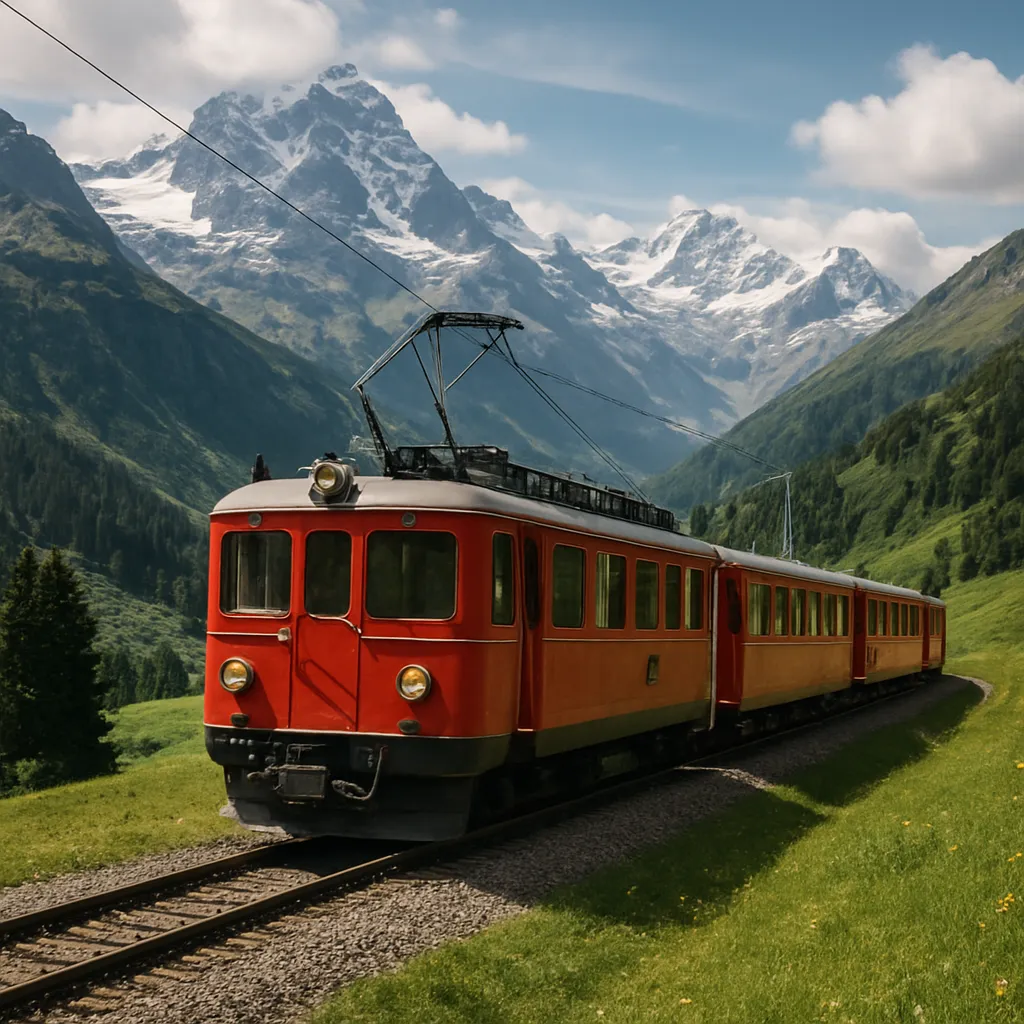
The high peaks of the Alps have long fascinated explorers, scientists, and travelers. Among the most remarkable achievements in this rugged environment are the Swiss mountain railways, engineering marvels that opened up some of Europe’s most dramatic scenery to the world. This article delves into their origin, design, and impact, revealing a story of innovation, daring ambition, and enduring legacy.
The Alpine Frontier and the Birth of Mountain Railways
In the mid-19th century, the idea of connecting remote mountain valleys by rail seemed almost impossible. Steep gradients, unstable terrain, and extreme weather created formidable obstacles. Yet Switzerland’s booming economy and growing tourism industry demanded better access to high-altitude resorts and glacial landscapes. Visionaries believed that by harnessing new technologies, they could conquer the summits that had once repelled all attempts at mechanized transport.
Pioneering Surveys and Early Proposals
- The first surveys focused on narrow passes and river gorges, where switchbacks or rack-and-pinion systems might work.
- Engineers studied steam traction as well as emerging electrical systems, weighing the benefits of each in thin air and cold temperatures.
- Government support and private financing combined to fund feasibility studies that would prove crucial.
By the 1870s, prototypes using rack rails—teeth-like tracks that prevent wheels from slipping—had demonstrated the engineering potential to ascend gradients exceeding 1 in 4. Encouraged by these successes, planners embarked on the first truly high-altitude lines, determined to link major tourist hubs such as Zermatt and Davos to the national network.
Engineering Genius Carved into the Rocks
Constructing railway lines at elevations above 3,000 meters required bold solutions. Workers drilled tunnels through granite and limestone, built viaducts spanning deep chasms, and laid tracks that could endure alternating cycles of thaw and frost. The resulting structures stand today as testaments to human skill and perseverance.
Rack-and-Pinion and Cogwheel Wonders
- The Riggenbach system, pioneered in the 1870s, used a central toothed rail engaged by cogwheels beneath each locomotive.
- Later enhancements introduced double-lamella racks for smoother ascents and regenerative braking on descents.
- Electric traction, adopted in the early 20th century, reduced smoke in tunnels and provided more consistent power at high altitudes.
Among the most iconic lines is the one climbing the Jungfraujoch, often called the “Top of Europe.” Its tunnels, carved deep under sheer mountain faces, transport passengers 3,454 meters above sea level. Along the way, panoramic windows reveal the jagged landscape of snowfields and crevasses, a dramatic reminder of nature’s power tempered by human innovation.
A Journey Through Swiss Alpine Culture and Tourism
Swiss mountain railways did more than conquer geography—they shaped Alpine society. With the arrival of comfortable trains, villages once isolated by months of winter snow opened to cosmopolitan visitors. Hotels, chalets, and health spas flourished, turning sleepy hamlets into fashionable resorts.
Cultural Exchange and Local Traditions
- Travelers brought new ideas in art, architecture, and cuisine, blending with local customs to create unique Alpine styles.
- Folklore and music regained prominence as village festivals showcased traditional costumes and yodeling performances.
- Crafts such as woodcarving and lace-making experienced a revival, driven by visitor interest and the need for souvenirs.
The mountain railways also fostered environmental awareness. Photographers and naturalists documented the fragile ecosystems of alpine meadows and glaciers, leading to early conservation movements. In time, Swiss authorities established protected areas and national parks, ensuring that the stunning scenery would endure for future generations.
Challenges, Preservation, and Future Prospects
Maintaining railways in harsh Alpine climates remains a complex task. Avalanches, landslides, and permafrost pose constant threats to track stability. Engineers employ sophisticated monitoring systems, including satellite sensors and remote-control avalanche galleries, to safeguard passengers and infrastructure.
Modernization and Sustainability
- Upgrading rolling stock with energy-efficient motors and regenerative braking reduces environmental impact.
- Innovative materials like corrosion-resistant alloys and self-healing track coatings extend service life.
- Integration of renewable energy sources—hydropower and solar installations—bolsters carbon-neutral operations.
Looking ahead, Swiss mountain railways aim to enhance connectivity while preserving a delicate balance between human access and ecological integrity. Plans include digital ticketing platforms, real-time passenger information, and dynamic scheduling to optimize train frequency based on seasonal demand. Through collaboration with local communities, operators emphasize heritage appreciation, ensuring that every journey remains an immersive experience in Alpine culture.
From their pioneering beginnings to their ongoing evolution, the Swiss mountain railways stand as an enduring symbol of what can be achieved when visionaries meet the indomitable spirit of the Alps. Their story is one of relentless curiosity, bold engineering, and a profound respect for the natural world—a tale that continues to inspire travelers and innovators around the globe.