The Alps stand as a timeless symbol of natural grandeur, weaving a tapestry of rugged peaks, verdant valleys, and centuries-old traditions. Within this majestic landscape, the chalets emerge as iconic dwellings that marry form and function, reflecting the ingenuity of mountain communities. Their story spans from simple shepherd’s huts to refined holiday retreats, offering insight into how human ingenuity adapted to a challenging environment. This article explores the history, architecture, cultural resonance, and modern interpretations of these alpine treasures.
History of Alpine Chalets
The origins of the Alps chalets trace back to medieval times when transhumance shepherds needed sturdy shelters for seasonal grazing. Built primarily from local wood and stone, early chalets featured steep roofs to shed heavy snow and extended eaves to protect walls from rainfall.
Over the centuries, these structures evolved into year-round homes for farming families. By the 17th and 18th centuries, improved carpentry techniques elevated chalet design. Intricate balconies, carved facades, and decorative shutters became common, highlighting the region’s rich artisan heritage.
The 19th century ushered in a tourism boom as explorers, artists, and writers flocked to Alpine resorts. Wealthy visitors commissioned elaborate chalets that retained traditional elements while adding comforts like panoramic windows, ornate woodwork, and spacious parlors. This period solidified the chalet’s role as both practical dwelling and symbol of leisure.
Architectural Characteristics
Form and Function
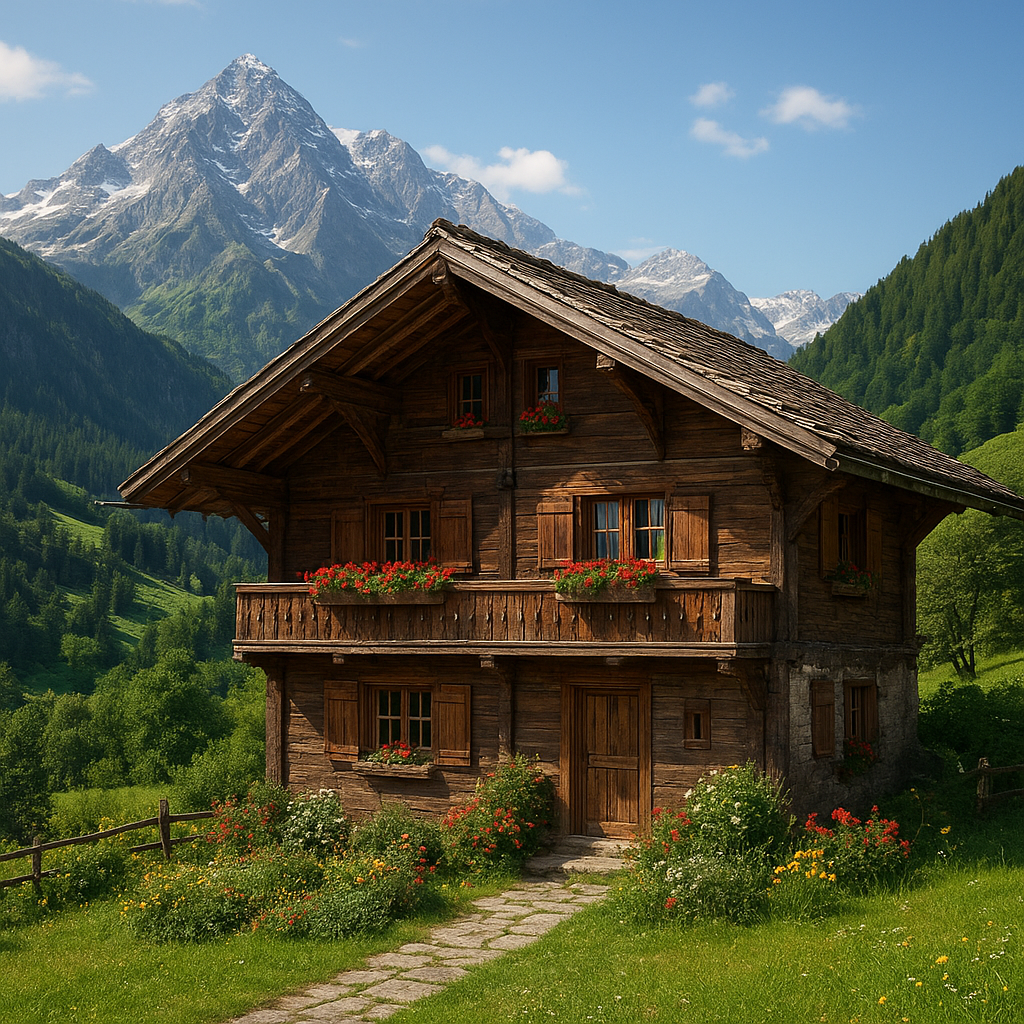
Alpine chalets exhibit a harmonious blend of tradition and adaptation. Key design features include:
- Steep Roofs: Prevent snow accumulation and reduce structural load.
- Wide Eaves: Shield walls from driving rain and falling snow.
- Natural Insulation: Thick wooden walls and stone foundations regulate interior temperature.
- Balconies and Terraces: Provide panoramic views of the mountains and create outdoor living spaces.
Materials and Construction
The choice of materials was driven by what the alpine environment provided. Local spruce, larch, and fir yielded strong beams resistant to decay. Stone foundations ensured stability on uneven ground and moisture protection.
Carpentry skills passed down through generations allowed craftsmen to create intricate ornamentation. Roof shingles were often handcrafted, and walls were interlocked using mortise-and-tenon joints that enhanced durability against harsh winters.
Cultural Significance and Modern Adaptations
Chalets are more than mere structures; they embody a region’s heritage and way of life. In rural villages, the annual ritual of roof repair, known as “charpenterie,” brings communities together. Traditional festivals celebrate woodworking crafts and local folklore that influenced chalet ornamentation.
Today, architects and designers reinterpret chalet principles for sustainable living. Modern chalets retain the aesthetic charm of sloping roofs and wooden façades but integrate cutting-edge technologies:
- Solar panels discreetly installed on south-facing roofs.
- High-performance glazing to maximize natural light and insulation.
- Eco-friendly materials like reclaimed timber and recycled steel.
These innovations demonstrate how the evergreen concept of the chalet can embrace 21st-century demands, bringing the essence of mountain living to urban and remote settings alike.
Environmental Integration and Sustainability
Respect for the alpine ecosystem is paramount. Traditional chalets were inherently sustainable, built with minimal environmental impact. Modern approaches further this ethos by:
- Implementing geothermal heating systems to reduce carbon footprints.
- Harvesting rainwater for domestic use.
- Employing passive solar design to enhance energy efficiency.
By blending old-world craftsmanship with new technologies, architects create dwellings that honor nature while ensuring comfort. The result is a renewed appreciation for the sustainability embedded in alpine building traditions.
Tourism and the Future of Alpine Chalets
The modern traveler seeks authentic experiences that capture the spirit of the region. Boutique hotels and rental properties housed in refurbished chalets offer immersive stays, complete with local cuisine, guided hikes, and cultural workshops.
At the same time, preservation efforts protect historic chalets from unchecked development. Organizations collaborate with local governments to maintain strict building codes, ensuring that any new construction or renovation respects the tradition and scenic integrity of the Alps.
Looking ahead, the alpine chalet remains a testament to human resilience, innovation, and respect for nature. As designers continue to explore sustainable solutions, the chalet’s legacy will endure, inviting future generations to experience the enduring magic of the mountains.