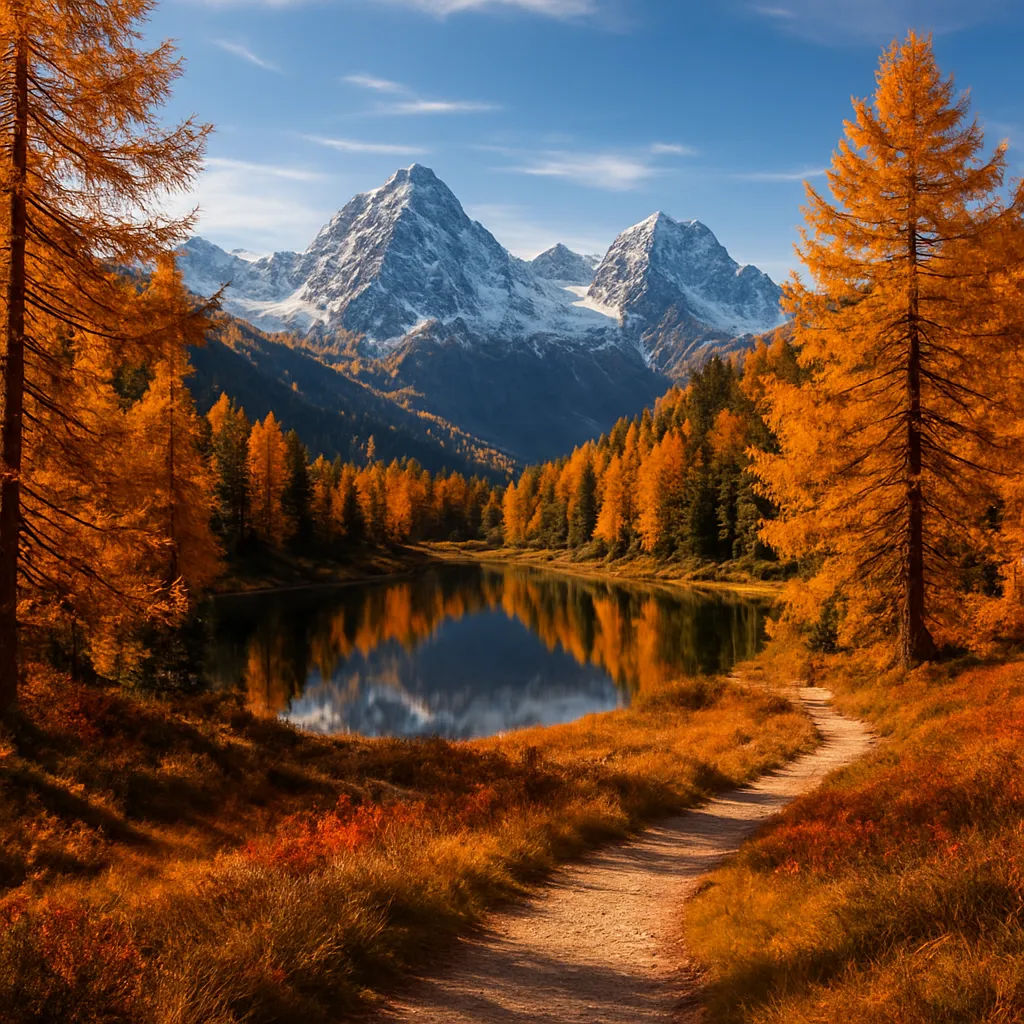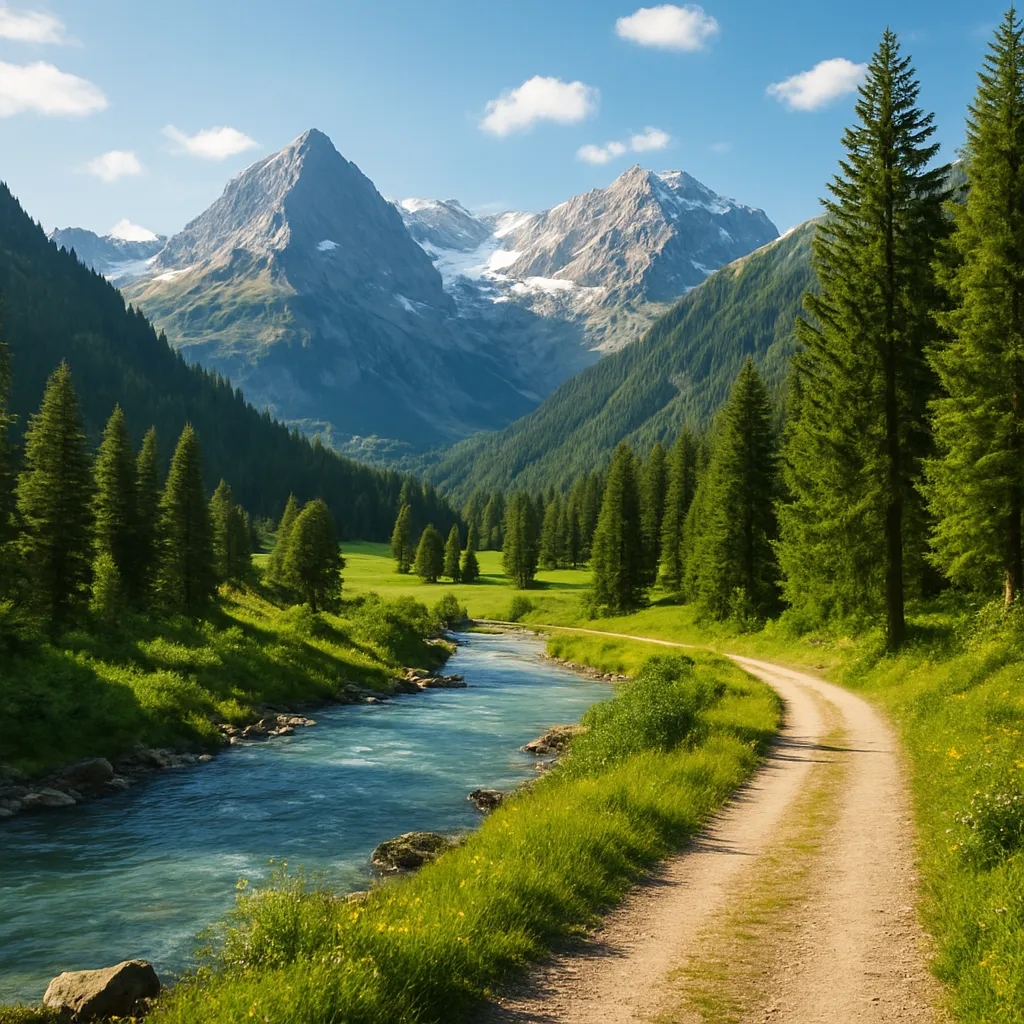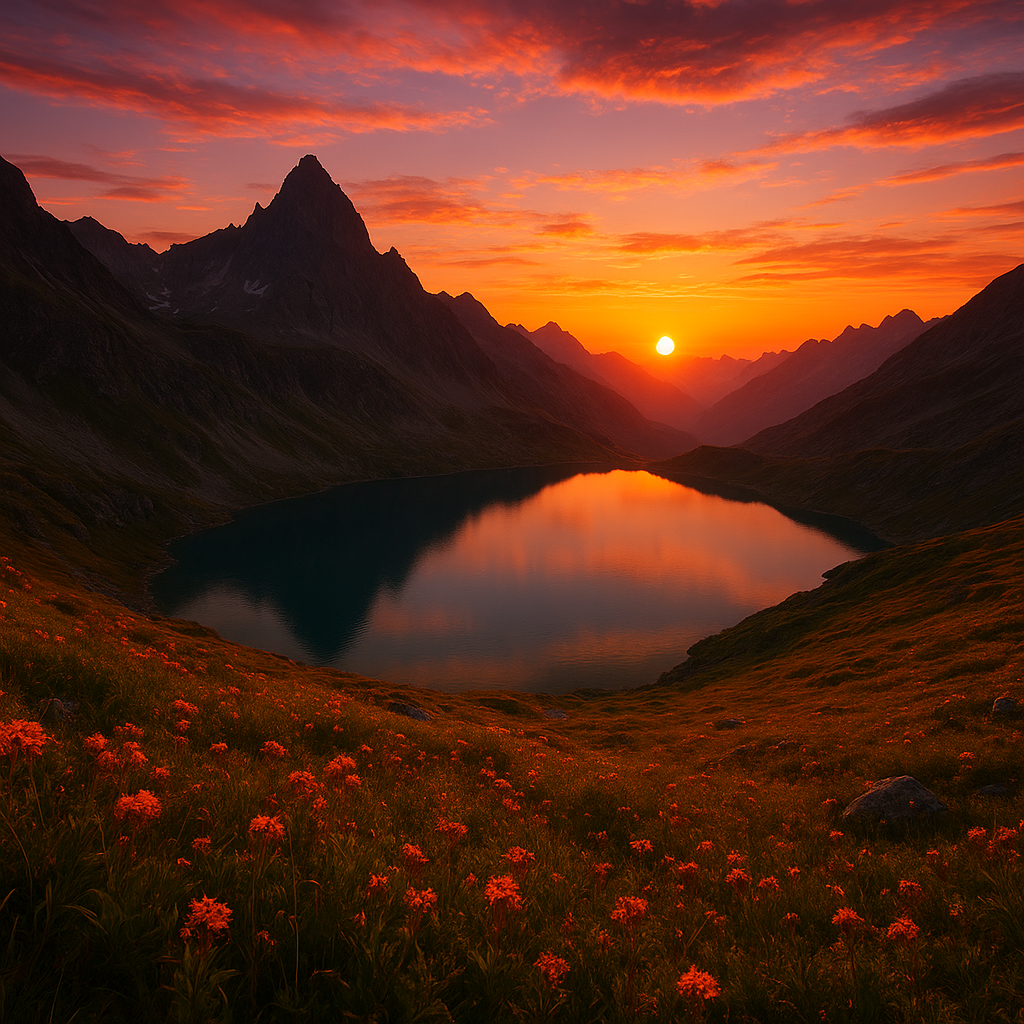
The mountain silhouette darkens as the last sunbeams dance across jagged peaks, painting the sky in a tapestry of warm hues. In the heart of the Alps, every sunset becomes a living canvas, inviting travelers to witness nature’s daily masterpiece. From lofty vantage points to hidden valleys, these moments offer a profound connection to the landscape and a chance to absorb the mountain’s timeless rhythm.
Golden Pinnacles: Iconic Alpine Vistas
Matterhorn Majesty
Rising sharply above the town of Zermatt, the Matterhorn stands as an emblem of Alpine splendor. As the sun sinks, its pyramid-shaped summit glows in layers of orange and pink, creating a breathtaking contrast with the deepening blue sky. Photographers and hikers alike gather at vantage points such as the Riffelsee lake, where the mirror-like water reflects the colored peak in perfect symmetry. Here, the interplay of light and shadow offers a majestic spectacle that lingers long after dusk.
Mont Blanc’s Embrace
The highest summit in Western Europe, Mont Blanc commands attention from every angle. From Courmayeur on the Italian side, panoramic terraces and high-altitude restaurants provide unobstructed views of its snow-clad ridges. As the sun dips, Mont Blanc’s slopes catch the last beams, revealing ridges carved by centuries of ice. The warming glow transforms the icy expanses into a photographer’s dream, delivering a panoramic display unmatched elsewhere.
The Eiger’s Edge
Known for its fearsome north face, the Eiger reveals a softer side at sunset. Observatories perched near Grindelwald offer prime locations to watch this steep wall turn from cold gray to a fiery outline. The cables of the Jungfrau Railway wind through tunnels, bringing eager visitors to Eigerwand station just in time for the sky’s final illumination. Every crevice and ledge becomes visible, creating an unforgettable vision of geological might bathed in warm light.
Essential Gear and Tips for Capturing the Perfect Moment
To fully embrace the Alpine sunset, a blend of preparation and respect for the environment is key. High elevation and swift temperature changes demand both technical equipment and practical items to ensure safety and optimal results.
- High-resolution camera or mirrorless body for crisp images
- Sturdy tripod to stabilize long exposures
- Neutral density filters to manage bright highlights
- Insulated jacket and gloves to withstand dropping temperatures
- Headlamp with red-light mode for safe descent without disturbing wildlife
Plan your route ahead of time, allowing extra minutes for sudden weather shifts. Check local avalanche bulletins during winter, and always carry a map or GPS device when exploring unfamiliar trails. Arriving at least 30 minutes before sunset gives you the chance to scout framing options and adjust settings for the best dynamic range.
Seasonal Transformations: How Weather Shapes Alpine Sunsets
Each season brings a distinct mood to Alpine evenings. In spring, melting snow releases moisture into the valley air, creating delicate mist that softens the horizon. Summer evenings are often clear, yielding crisp outlines of distant peaks and a rich palette from deep reds to pale lilacs. During autumn, wind-whipped clouds gather around ridges, producing dramatic silhouettes against amber skies. And in winter, the frigid atmosphere allows unprecedented clarity, while alpenglow lingers longer on frozen pinnacles, giving the snowy summits an extraordinary pinkish sheen that photographers covet.
Weather plays a pivotal role: swift-moving cloud banks can either obscure or accentuate the sunset, providing ever-changing textures. Observers often look for high-altitude cirrus layers that catch the sun’s rays even after it dips below the horizon, prolonging the spectacle well into twilight.
Beyond Sight: A Multi-Sensory Journey
While the visual feast of an Alpine sunset is undeniable, the full experience engages all senses. Listen to the gentle murmur of nearby streams as they wind through rocky basins, carrying the day’s warmth to lower valleys. Breathe deeply to savor the crisp mountain air, infused with the scent of pine needles and damp earth. As darkness descends, the temperature drop produces a refreshing chill that instantly sharpens the senses, making every sound—from distant cowbells to the rustle of alpine grasses—resonate with newfound clarity.
Moments of solitude at these heights invite a meditative state. The blend of quietude, panoramic views, and ever-changing sky fosters a profound sense of peace, drawing many to embark on evening hikes or overnight stays in remote huts. Here, the final glow of daylight becomes an invitation to reflect on the grandeur of the natural world, leaving a lasting imprint on both memory and spirit.
Cultural Connections: Legends and Local Traditions
Alpine communities have woven tales around mountain sunsets for centuries. In some Valais villages, elders believe that a red sky at night foretells clear weather, a folk wisdom shared by shepherds guiding their flocks to lower pastures. On the Italian side, festival gatherings on mountaintop plateaus celebrate the sun’s descent with local wines and cheeses, turning each sunset into a social event. Meanwhile, Swiss mountain lodges host “sunset hours,” inviting guests to enjoy regional delicacies while the sky ignites in spectacular color.
These traditions underscore how sunsets serve not only as natural phenomena but also as cultural milestones. They unite people across generations in admiration of the mountains’ ever-changing beauty.
Planning Your Alpine Sunset Adventure
Selecting the right base camp sets the stage for success. Whether you choose a bustling resort town or a secluded alpine refuge, prioritize accessibility to high vantage points and reliable weather forecasts. Consider guided tours for off-trail exploration or opt for simpler ridge walks that offer immediate rewards. Always inform someone of your intended route and expected return time, especially when venturing beyond marked trails.
Embrace flexibility: sometimes the most vibrant sunsets appear after a day of intermittent rain or cloud cover. Keep your camera ready, as brief cracks in the sky can unleash sudden bursts of color. Above all, allow yourself to pause and truly absorb the unfolding spectacle—far beyond any image captured, these moments become personal memories etched against the Alpine skyline.