The Alpine region offers an unparalleled blend of adventure and serenity, where crisp mountain air meets snow-covered peaks. Embarking on a dog sledding expedition through these majestic landscapes provides travelers with an opportunity to form a unique bond with spirited huskies while navigating winding trails and frozen lakes. This article explores everything from basic preparations to top-rated routes and the rich cultural heritage that surrounds dog mushing in the Alps.
Scenic Alpine Landscapes and Dog Sledding Basics
Nestled among Europe’s highest mountains, the Alps stretch across eight countries, offering diverse terrain that ranges from gentle valleys to steep, rocky ridges. Dog sledding here is more than just a sport—it is a way to immerse yourself in an environment shaped by glaciers and centuries of human interaction. Trails often meander through snow-laden forests, open meadows, and alongside glacial streams, creating a tapestry of white and green.
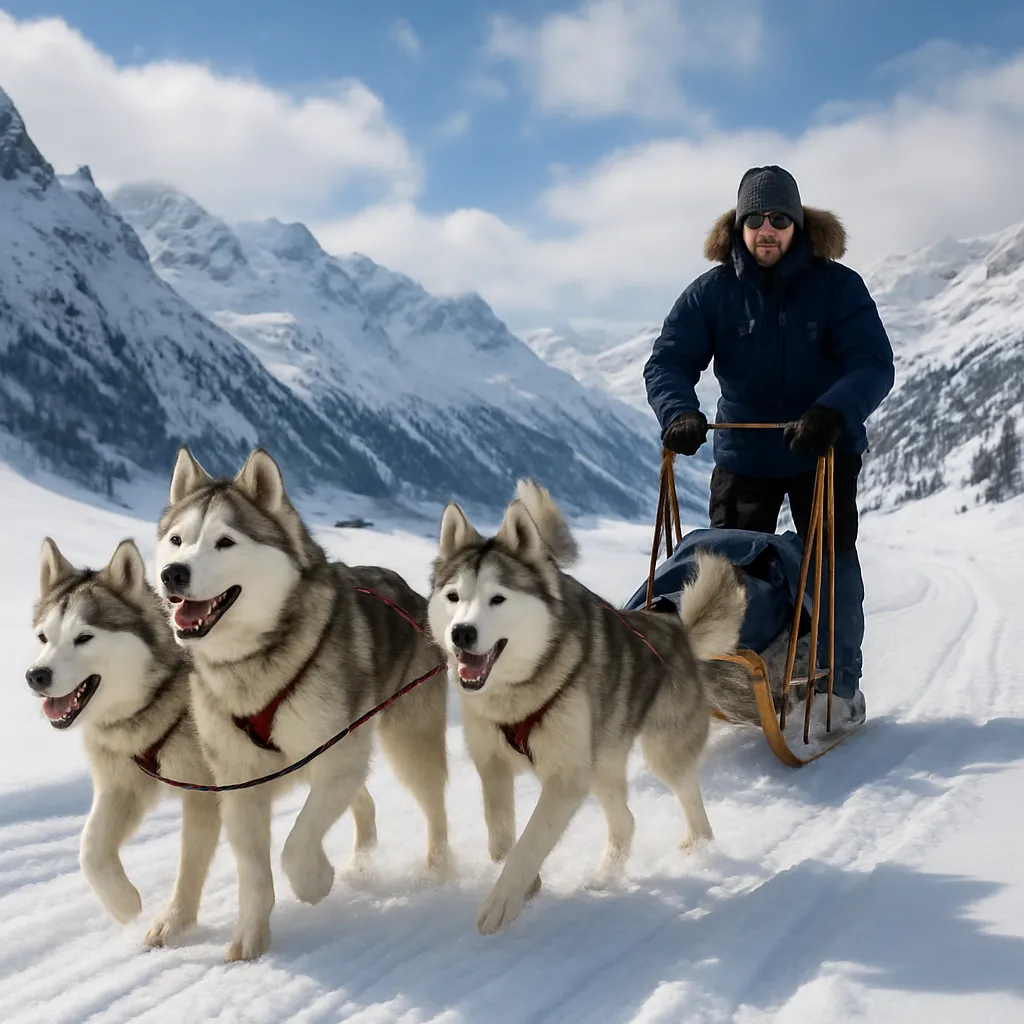
Before setting off, adventurers must understand the essential roles of both musher and canine team. The musher acts as the guide, responsible for steering the sled, maintaining speed, and ensuring the welfare of the dogs. Each sled team typically consists of 6 to 12 huskies known for their stamina and willingness to pull heavy loads over long distances. Training sessions, often led by seasoned guides, teach participants how to give clear commands like “mush,” “whoa,” and directional cues such as “gee” (right) and “haw” (left).
Safety is paramount. Sleds are equipped with emergency kits containing first-aid supplies, repair tools, and communication devices. Mushers and guests learn basic techniques to help fallen dogs, tackle icy patches, and navigate deep snow. Emphasis on proper layering of clothing—insulating base layers, windproof jackets, and waterproof boots—ensures comfort even when temperatures plunge well below freezing.
Equipment, Training, and Preparation
Embarking on a dog sledding trip in the Alpine region demands thoughtful planning. Key components of preparation include:
- Gear Selection: High-quality sleds, harnesses, and booties for dogs protect against frostbite and rough terrain.
- Clothing: Layered outfits, thermal gloves, and face masks guard against wind chill and icy winds.
- Physical Conditioning: Both mushers and dogs require endurance training. Light jogging, strength exercises, and sled-pulling drills build the necessary muscle and stamina.
- Nutritional Planning: High-calorie meals for humans, and calorie-dense, protein-rich diets for dogs, ensure sustained energy levels during multi-day expeditions.
- Trail Knowledge: Guides provide detailed maps and GPS coordinates. Understanding elevation changes and potential avalanche zones is critical.
Comprehensive training programs span from half-day introductory sessions to week-long courses culminating in overnight camping under the stars. Newcomers often start with gentle flatland runs before progressing to steep inclines and extended journeys. Along the way, they learn commands, sled maintenance, and how to interpret a dog’s body language for signs of fatigue or discomfort.
Top Dog Sledding Routes in the Alps
The Alpine region boasts some of the world’s most thrilling dog sledding experiences. Here are standout destinations across France, Switzerland, Austria, and Italy:
French Alps: Chamonix and Haute-Savoie
Chamonix, known as the gateway to Mont Blanc, offers breathtaking trails with panoramic views of Europe’s highest summit. Popular routes include:
- Merlet Reserve Trail: Wildlife sightings amid deer and marmots.
- Vallée Blanche Panorama: A glacier run providing dramatic crevasse vistas.
- Lake Gaillands Loop: A family-friendly circuit around a frozen lake.
Swiss Alps: Zermatt and Grindelwald
In Switzerland, dog sledding takes you into pristine valleys framed by the Matterhorn and Eiger. Key itineraries feature:
- Sunnegga to Blauherd: A scenic descent through larch forests.
- Grindelwald Glacier Pass: A challenging trek with rewards of sweeping icefield expanses.
Austrian Alps: Tirol and Salzburg Regions
Austria’s mountain resorts, like Kitzbühel and Zell am See, deliver both adrenaline and serenity. Memorable experiences include:
- Wildkogel Panorama Route: A moderate trek overlooking the Salzach valley.
- Mount Grossglockner Expedition: A multi-day journey around Austria’s highest peak.
Italian Alps: Dolomites and Aosta Valley
Italy’s Dolomites provide dramatic limestone spires and cozy refuges. Top options encompass:
- Val Gardena Night Run: Guided under the glow of headlamps and stars.
- Cervinia to Valtournenche: A high-altitude path boasting sweeping plateau views.
Cultural Significance and Local Traditions
Dog sledding in the Alpine region carries deep-rooted traditions. While Scandinavia often conjures images of long-distance races, the Alps have cultivated their own unique mushing culture influenced by mountain communities and pastoral lifestyles.
- Historical Roots: Early Alpine inhabitants relied on sled dogs for winter transport of goods, timber, and postal parcels between remote hamlets.
- Festivals and Races: Annual events like the Haute Route Mushing Challenge attract mushers from across Europe. Festivities include costume contests, dog parades, and local culinary fairs.
- Folklore: Many villages celebrate legends of mountain spirits and guardian canines that guided lost travelers to safety during blizzards.
- Community Involvement: Local farms often host mushers and offer homestays, providing authentic insights into rural Alpine life.
These traditions emphasize respect for the environment and for the sled dogs themselves. Visitors gain appreciation for the expedition mindset—balancing human ingenuity with canine instincts to conquer the elements.
Practical Tips for Adventure Seekers
To ensure a memorable and unforgettable dog sledding holiday in the Alps, consider the following advice:
- Book early: Peak winter months (December to March) fill up fast, especially around Christmas and Carnival.
- Check weather forecasts: Alpine conditions can change rapidly, so flexible itineraries help avoid storms.
- Respect animal welfare: Choose operators with transparent breeding and training ethics.
- Acclimatize gradually: High altitudes demand a slow ascent to minimize altitude sickness.
- Photographic preparation: Bring a camera with extra batteries (cold drains power quickly).
- Language basics: Phrases in French, German, Italian, or Romansh can enhance interactions with locals.
By following these guidelines, travelers will be well-equipped to embrace the adrenaline of mushing while experiencing the mountainous wonder of the Alps. Whether you seek a day trip or an extended wilderness retreat, dog sledding here promises a profound connection to nature and a celebration of human-canine teamwork.