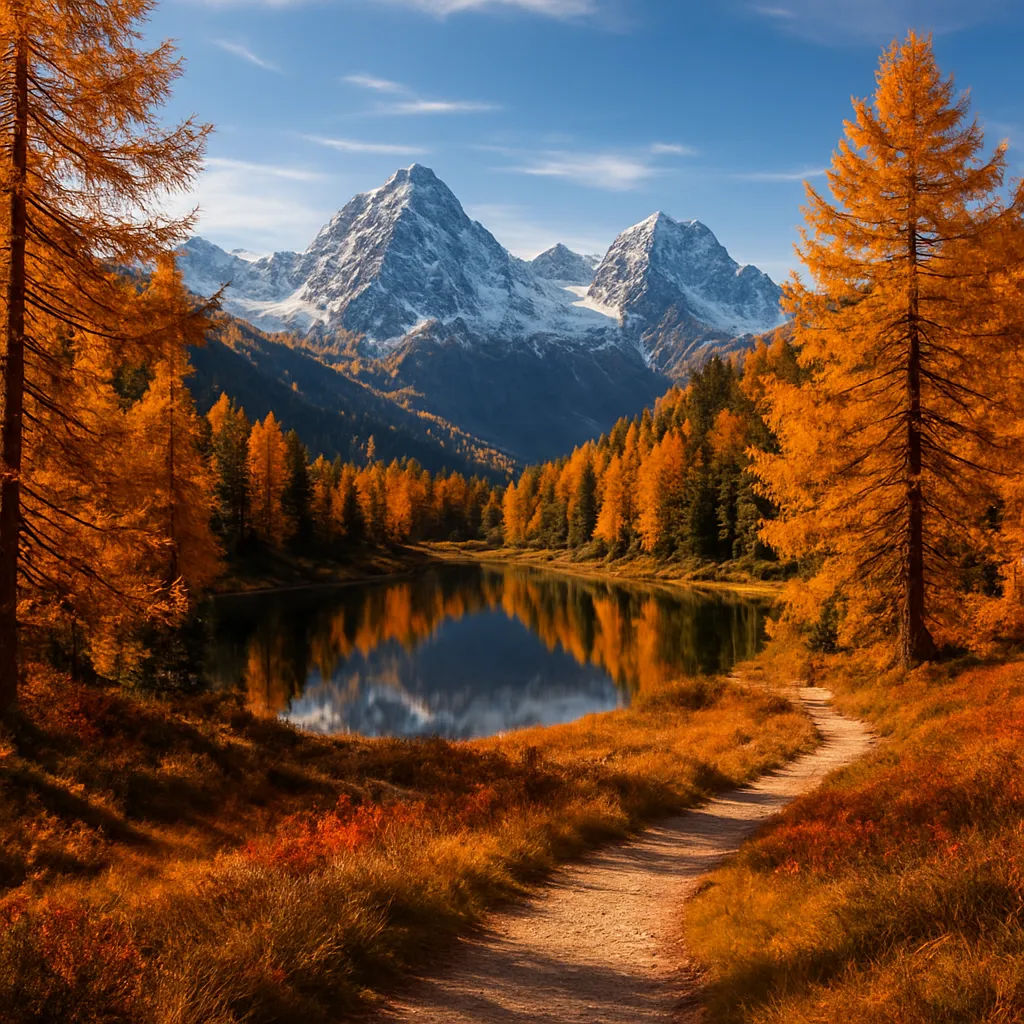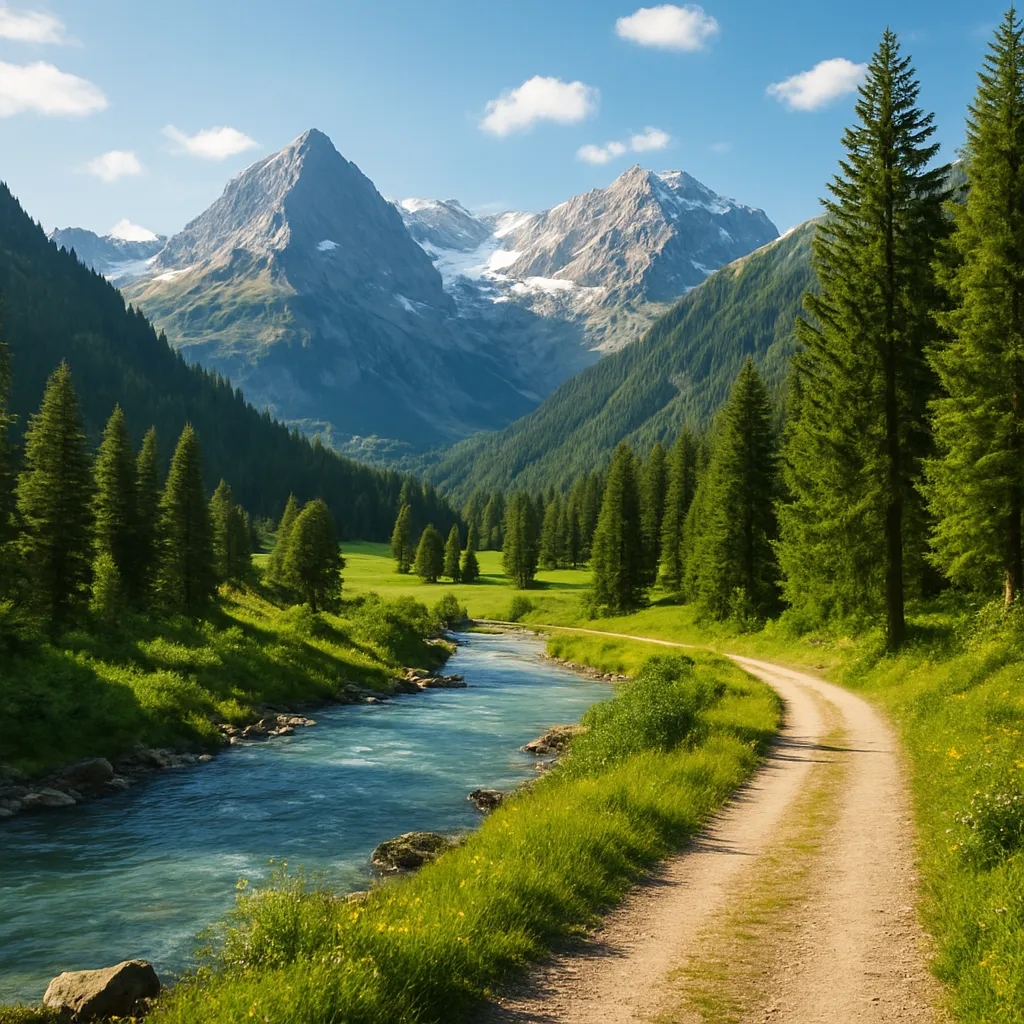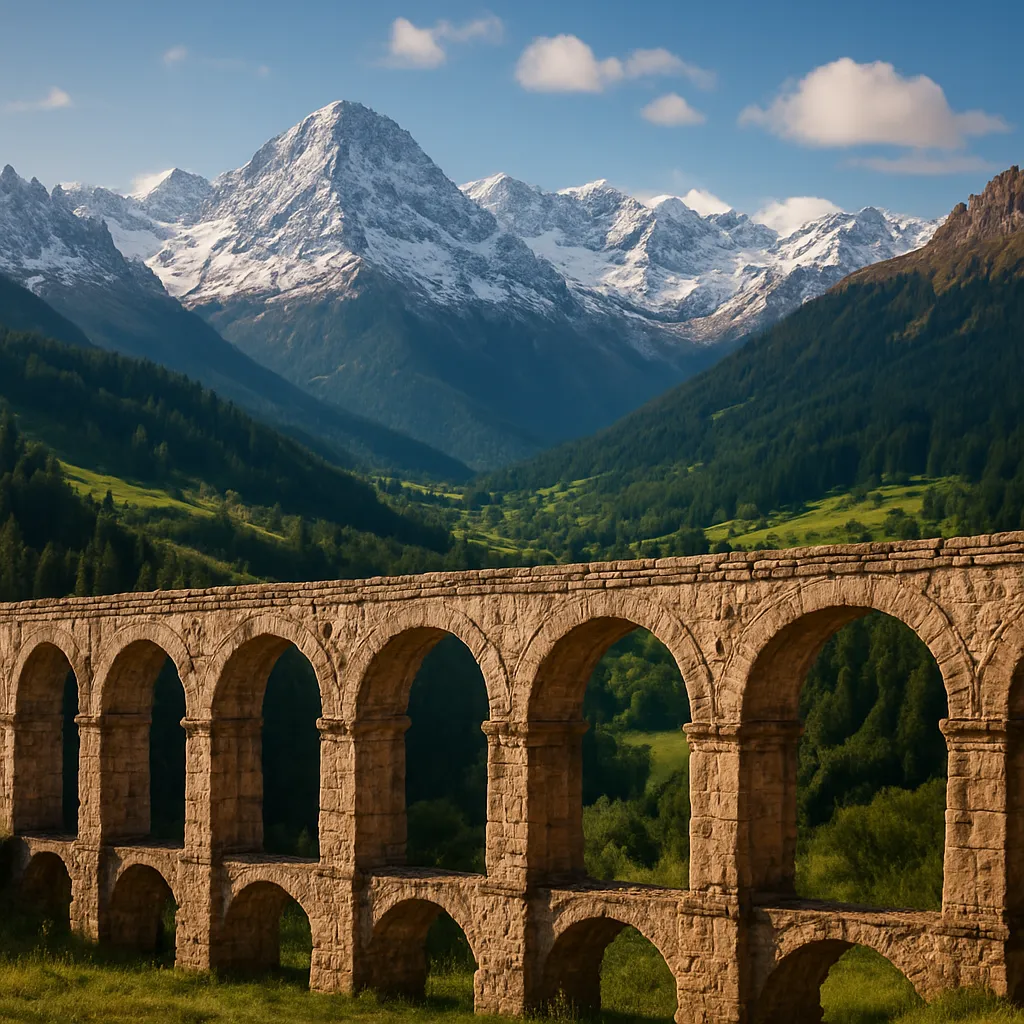
The majestic mountain range that stretches across eight European countries has played a pivotal role in shaping the history of the continent. From its towering peaks to narrow valleys, the Alps have served as both a barrier and a bridge for civilizations. In particular, the interplay between these rugged heights and the expansive power of the Roman Empire reveals fascinating stories of exploration, conquest, and cultural transformation.
Geographic and Geological Significance
Spanning approximately 1,200 kilometers from southern France to Slovenia, the Alpine chain forms a natural divide between the Mediterranean basin and the heart of Europe. Characterized by soaring summits such as Mont Blanc and the Matterhorn, the range is a product of millions of years of tectonic collision. The uplift of the Eurasian and African plates carved deep valleys and jagged ridges, creating unique microclimates and diverse ecosystems.
- Topography: High-altitude peaks above 4,000 meters interspersed with glacial valleys.
- Climate zones: From temperate foothills to permafrost zones.
- Hydrology: Source of major rivers like the Rhine, Rhone, and Po.
These physical features offered both challenges and opportunities for ancient travelers. Narrow gorges could be easily defended, while ice-sculpted passes provided seasonal gateways for merchants and armies alike. Understanding the geological complexity helps us appreciate how the Romans engineered solutions to traverse this formidable terrain.
Alpine Passes and Roman Expansion
Key to the Roman penetration of the Alps were several strategic mountain passes. By securing these corridors, the empire extended its influence northward and safeguarded vital trade routes that connected the Italian peninsula with the provinces of Gaul, Raetia, and beyond.
The Great Passes
- Via Claudia Augusta: Stretching from Altinum (near modern Venice) over the Reschen Pass to the Danube valley.
- Great St. Bernard Pass: Linking Aosta Valley with the Swiss plateau, used by Hannibal centuries earlier.
- Mont Cenis Pass: Facilitated movement between Alpes Graiae and Cottiae, later reinforced by medieval engineers.
Engineering Feats
Conquering the Via Claudia Augusta required innovative approaches to road building. Roman surveyors carved switchbacks into steep slopes, constructed retaining walls from local stone, and installed drainage channels to prevent landslides. These roads were more than dirt tracks; they were meticulously crafted arteries supporting the flow of goods, information, and troops.
- Cuttings through rock faces using iron tools.
- Bridges spanning Alpine torrents designed with semicircular arches.
- Watchtowers and waystations at strategic intervals for communication and security.
The military angle cannot be overstated. By fortifying passes, the Romans established the Limes—a defensive network along the empire’s borders. Garrisoned forts like Brigantium (modern Bregenz) and Aguntum (near Lienz) projected power into the highlands and deterred incursions by rival tribes.
Cultural and Economic Impacts
Beyond military conquest, the Roman presence in the Alps fostered a dynamic cultural exchange between Latinized settlers and indigenous communities such as the Raeti, Vindelici, and Allobroges. Over time, Latin language and customs blended with local traditions to form hybrid societies that endured long after the empire’s decline.
Trade and Commerce
The Alpine corridors were vital for the exchange of commodities:
- Salt: Mined in the Hallstatt region and shipped south to meet Roman demand for food preservation.
- Timber: Selected fir and larch trees transported downriver to millwrights and shipbuilders.
- Precious metals: Silver and copper from Alpine mines refined in outposts such as Augusta Vindelicorum (modern Augsburg).
This thriving commerce enriched towns along the routes and stimulated the development of market settlements. Inns provided hospitality to travelers, while local artisans produced goods incorporating Roman motifs, from pottery to jewelry.
Religious and Social Integration
Religious practices also spread across the mountains. Temples to Jupiter and Mercury appeared alongside indigenous shrines, and sacred springs retained their local identities even as they were incorporated into the Roman cult of healing deities. Public baths, forums, and amphitheaters constructed at lower elevations became focal points for social life, illustrating how engineering feats in rugged terrain could support complex urban amenities.
Enduring Legacy and Modern Perspectives
The echoes of Roman influence in the Alps can still be seen today. Modern highways often trace ancient routes, while archaeological remains such as milestones, fort ruins, and road foundations are discovered by hikers and scholars. Cultural festivals in Alpine villages celebrate centuries of interaction, blending Celtic, Roman, and Germanic traditions through music, dance, and cuisine.
Conservation and Research
Contemporary efforts to preserve this legacy involve interdisciplinary research:
- Archaeologists mapping the course of forgotten roads using LiDAR technology.
- Geologists studying landslide patterns that impacted Roman constructions.
- Linguists tracing loanwords in regional dialects back to Latin origin.
Such projects highlight the importance of the Alps as a nexus between natural history and human ambition. The enduring presence of Roman infrastructure in high mountains underscores the empire’s remarkable capacity for adaptation and innovation.
Tourism and Education
Today, visitors can follow in the footsteps of ancient legionaries by hiking sections of the Via Claudia Augusta or exploring museums dedicated to Roman Alpine heritage. Guided tours and educational programs emphasize the strategic and technological challenges overcome by engineers, as well as the everyday lives of soldiers and traders who braved snowfields and narrow gorges.
The entwined history of the Alps and the Roman Empire continues to captivate historians, adventurers, and nature enthusiasts alike. This mountain realm, once a formidable obstacle, became a cornerstone of Rome’s northern frontier, shaping the cultural and economic landscape of Europe for millennia.