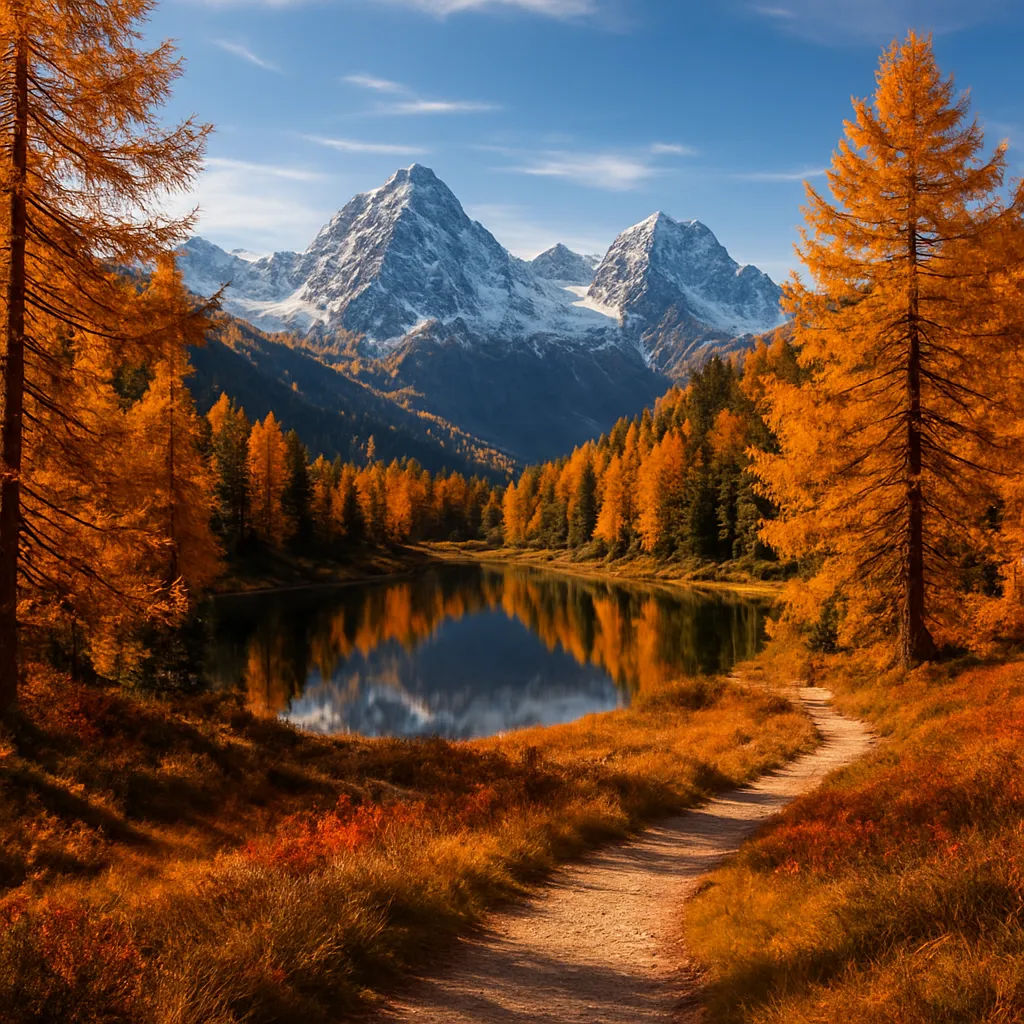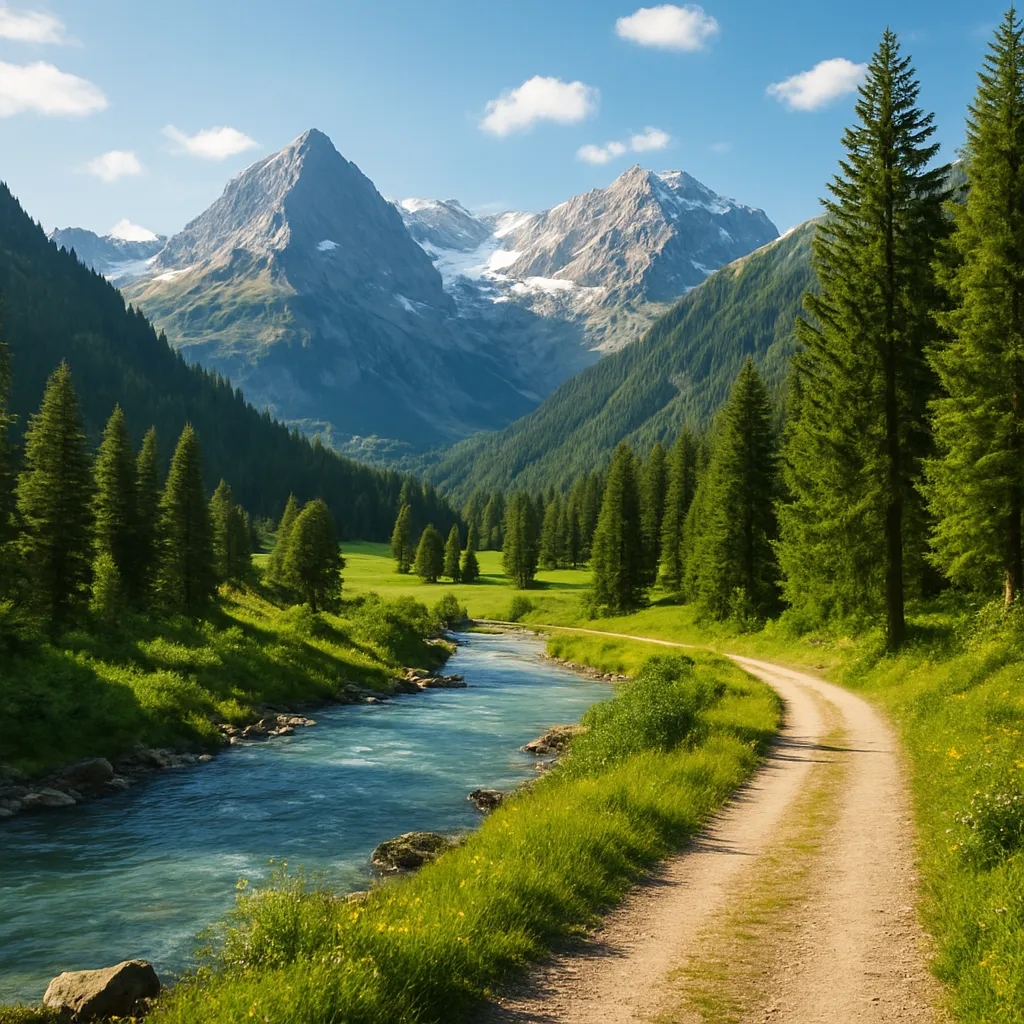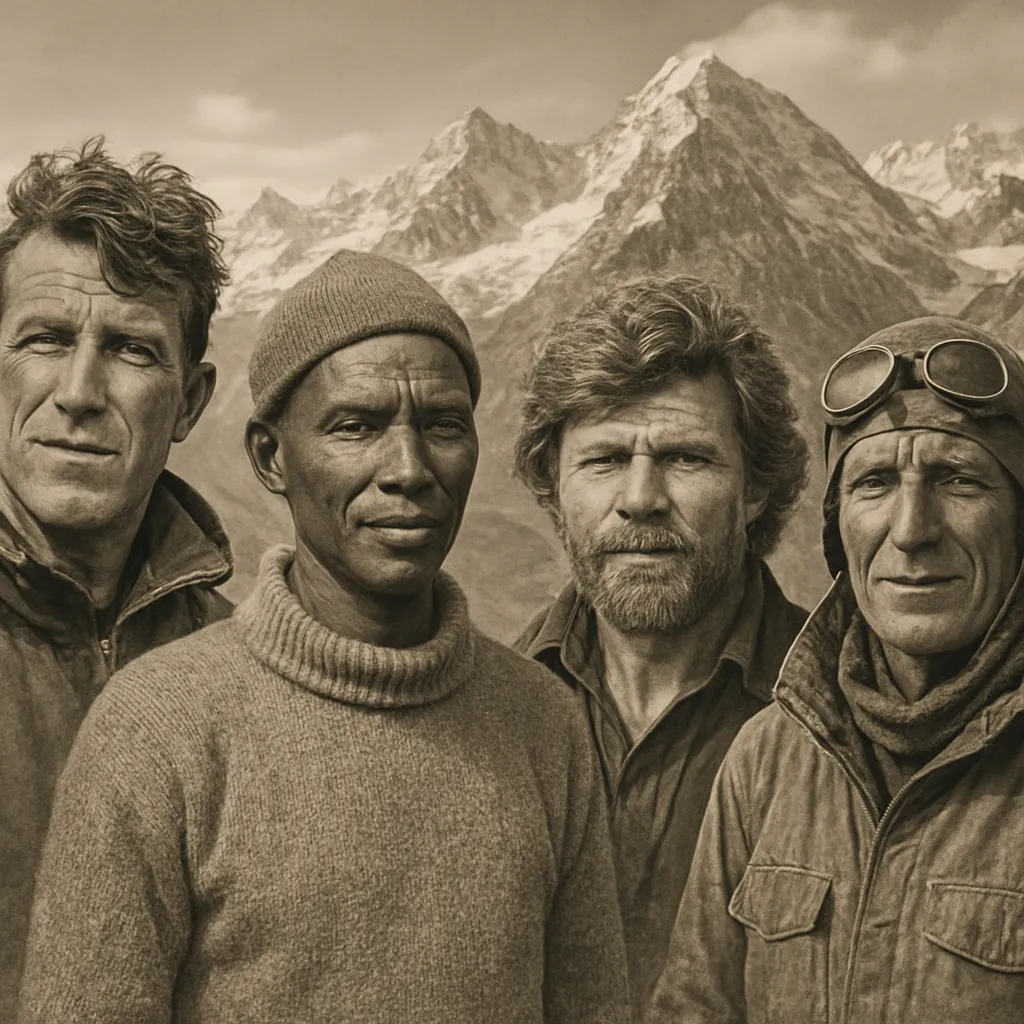
The soaring ridges and ice-clad valleys of the Alps evoke a timeless sense of adventure. For centuries, these formidable mountains have witnessed daring climbs, scientific exploration, and the forging of an enduring legacy by intrepid souls. Their snow-capped peaks stand as emblems of human endurance and ambition, while ancient glaciers whisper tales of change and resilience. This article delves into the remarkable tapestry of the Alpine world, celebrating its heritage, the pioneering individuals who first scaled its heights, and the ongoing challenges that shape its future.
Geological Splendor and Natural Diversity
Formation of the Alpine Backbone
Born of colossal tectonic forces some 30 million years ago, the Alps form one of Europe’s most prominent mountain systems. Compressing the African and Eurasian plates, this geological ballet uplifted rocks once buried deep within the Earth’s crust. Today, the rugged escarpments reveal layers of limestone, gneiss, and granite, each bearing witness to a primeval saga of transformation.
Glaciers, Rivers, and Ecosystems
Glaciers like the Great Aletsch are dynamic agents of erosion, carving U-shaped valleys and feeding majestic rivers such as the Rhône and the Po. These icy giants have retreated dramatically in recent decades, altering water supplies and threatening fragile habitats. Alpine meadows burst into bloom each summer, showcasing a dazzling array of wildflowers—edelweiss, gentian, and saxifrage—while high-altitude fauna, from ibex to golden eagles, navigate craggy cliffs and sheer faces with remarkable agility.
Climate and Environmental Significance
- Alpine weather patterns influence continental climate, acting as a barrier for storms and winds.
- Year-round snowfields regulate seasonal water flow for millions of inhabitants downstream.
- Glaciers serve as natural archives, preserving air bubbles that reveal prehistoric atmospheres.
Iconic Pioneers and Historic Ascents
Jacques Balmat and Michel-Gabriel Paccard
On August 8, 1786, shepherd and chamois hunter Jacques Balmat joined physician Michel-Gabriel Paccard to accomplish the first documented ascent of Mont Blanc. That bold expedition became the spark for modern mountaineering. Their success blended local knowledge with scientific curiosity, setting a precedent for ambitious climbs across Alpine peaks.
Edward Whymper and the Matterhorn
In 1865, English artist and climber Edward Whymper conquered the Matterhorn’s sharp crest, a triumph tinged with tragedy when four members of his party fell to their deaths during descent. This ascent catapulted the Alps into the global spotlight, underscoring the fine line between triumph and disaster amid extreme altitude challenges.
Horace-Bénédict de Saussure
Long before the age of modern gear, Swiss scientist Horace-Bénédict de Saussure offered a reward for the first summit of Mont Blanc, igniting passionate competition. His meticulous meteorological observations laid groundwork for Alpine science, demonstrating how the mountains could serve both adventurous and scholarly pursuits.
Evolution of Alpine Techniques and Gear
From Hemp Ropes to Dynamic Cords
Early climbers relied on heavy hemp ropes prone to rot and abrasion. The invention of nylon and later polypropylene transformed safety standards, allowing endurance and flexibility during technical ascents. Lightweight carabiners, harnesses, and cams now make it possible to tackle ice walls and overhangs once deemed impossible.
Innovations in Footwear and Clothing
- Wooden-soled boots gave way to insulated, waterproof materials that preserve warmth at high elevations.
- Layering systems integrate breathable membranes and down insulation, protecting climbers against sub-zero storms.
- Advanced crampons and ice axes with ergonomic designs enable precise movements on ice and mixed terrain.
Mapping, Communication, and Safety
Topographic surveys, pioneered in the 19th century, evolved into GPS-based navigation, allowing accurate route planning. Satellite phones, emergency beacons, and avalanche airbags have reduced fatalities by providing rapid rescue capabilities. However, technology’s allure also tempts less-experienced individuals to tackle serious climbs without adequate preparation.
Cultural Impact and Mountain Communities
Alpine Villages and Traditions
The valleys cradling the high peaks host centuries-old communities whose customs remain intertwined with the mountains. Festivities like cheese festivals, yodeling choruses, and wood-carving competitions preserve local identity. These traditions fuel tourism, which contributes to regional economies but also poses risks of overdevelopment and ecological strain.
Sports and Recreation
- Ski resorts such as Chamonix, Zermatt, and St. Anton draw millions of winter sports enthusiasts each year.
- Alpine hiking trails, including the famous Tour du Mont Blanc, attract trekkers seeking immersive nature experiences.
- Rock climbing and paragliding offer adrenaline seekers thrilling perspectives on the summit landscapes.
Art, Literature, and Inspiration
Writers like Mary Shelley and Ludwig II of Bavaria found in the Alps landscapes that stirred the imagination. Painters from the Romantic era captured sublime vistas that conveyed both beauty and terror. Today, filmmakers and photographers continue to showcase Alpine drama, ensuring that each new generation views these mountains as sources of inspiration.
Conservation Challenges and the Path Forward
Climate Change and Glacier Retreat
Rising temperatures have accelerated the melting of Alpine glaciers by up to 50% over the past century. Loss of glacial mass threatens freshwater supplies, reduces summer river flows, and destabilizes mountain slopes. Scientists warn that some smaller glaciers may vanish entirely within decades without effective mitigation.
Sustainable Tourism and Responsible Mountaineering
To protect Alpine environments, local authorities and pioneers in eco-tourism promote:
- Strict waste-management policies on trails and refuges.
- Limits on visitor numbers in sensitive areas during peak seasons.
- Educational programs teaching low-impact climbing and hiking practices.
Preserving Alpine Heritage
Organizations like the Alpine Convention seek to harmonize conservation efforts across international borders. They advocate for policies that balance human activity with ecosystem integrity, ensuring that the mountains continue to nurture both wildlife and cultural traditions. By celebrating the legacy of past mountaineers and supporting future generations, we honor the spirit of exploration that built an enduring connection between humanity and the Alps.