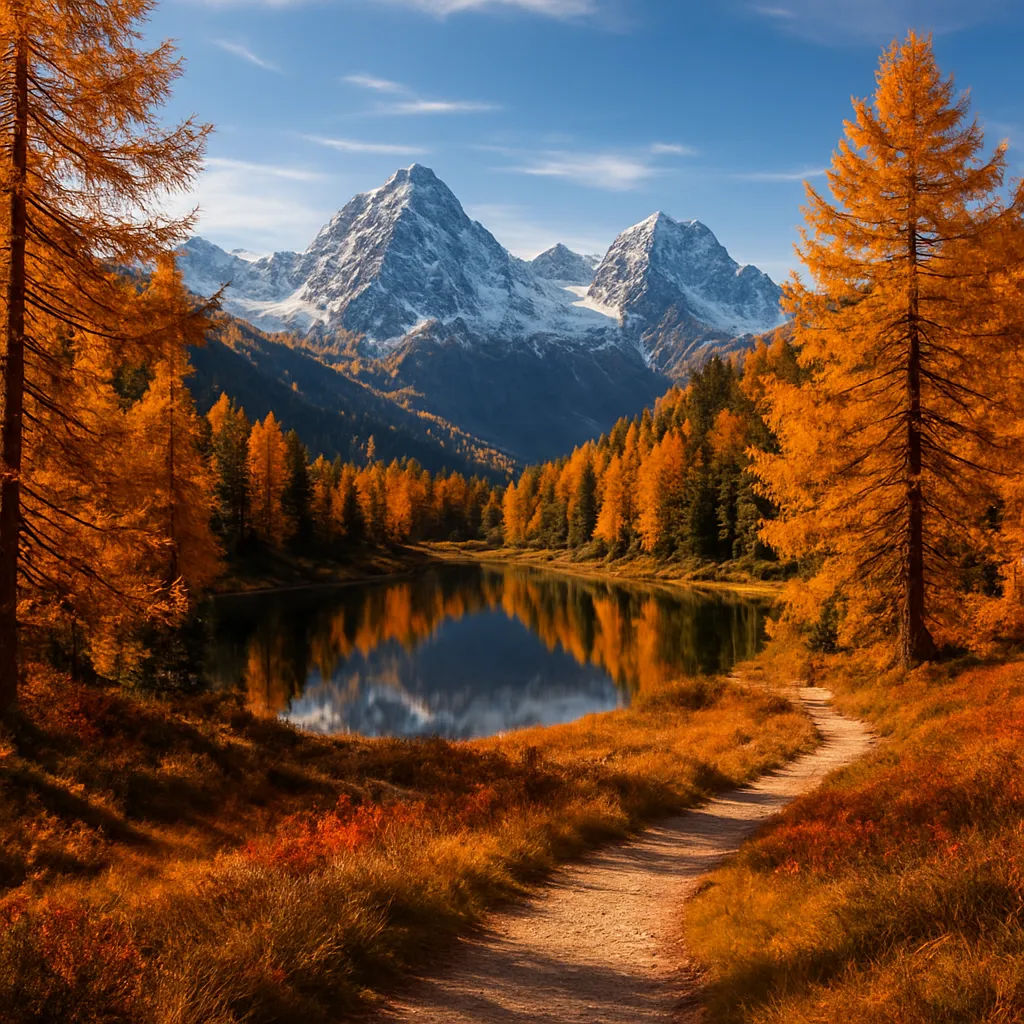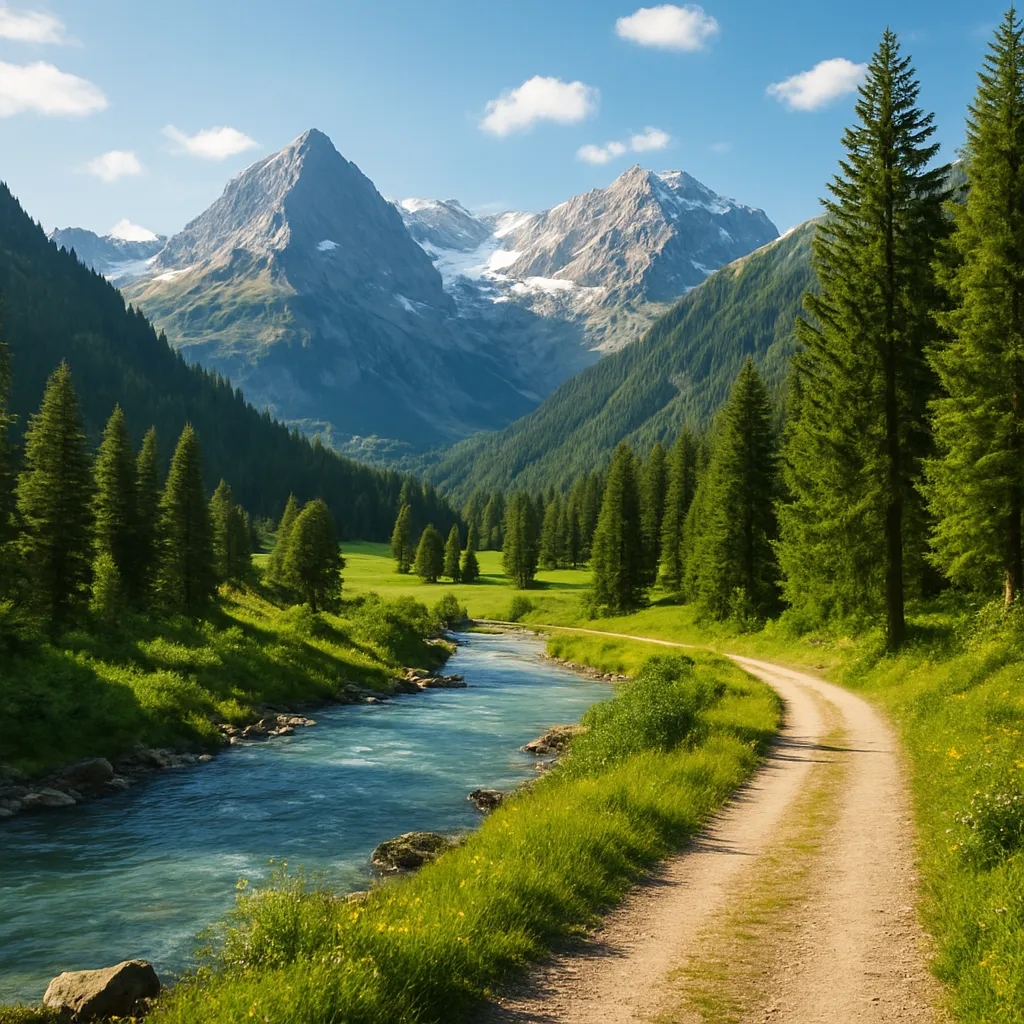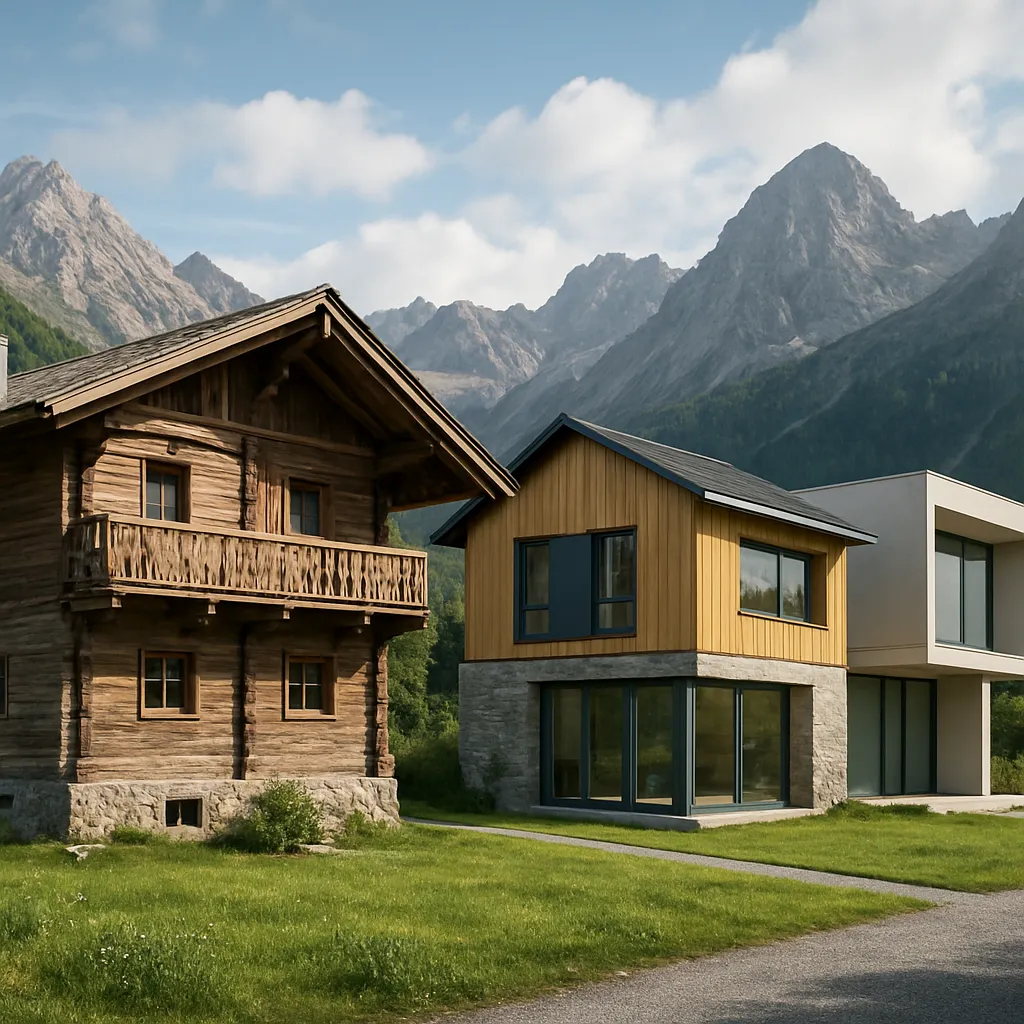
The majestic mountain range stretching across several European countries has inspired builders and visionaries for centuries. Scattered villages cling to steep slopes, their wooden chalets and stone farmhouses forming a tapestry of human creativity in harmony with nature. From the earliest shepherd huts to sleek glass pavilions, the Alps have witnessed an extraordinary journey of architectural innovation and cultural persistence. This exploration delves into the evolution of Alpine design, examining how local tradition, environmental pressures, and cutting-edge technology converge to shape structures that embody both robust resilience and profound respect for the surrounding landscape.
Cultural Roots and Traditional Forms
Long before modern machinery altered construction practices, Alpine communities relied on local resources and age-old techniques to erect sturdy dwellings. Thick walls of rubble stone, gleaned from nearby scree slopes, provided thermal mass to trap heat during frigid winters. Equally critical was the ubiquitous wooden framework: beams of larch and spruce were chosen for their natural rot resistance and appealing grain. These materials did more than shelter livestock and families—they represented a deep connection to the land and a commitment to heritage.
Traditional floor plans centered on multifunctional spaces. The ground level often served as a stable or dairy, while living quarters occupied the warmer upper stories. Overhanging eaves diverted rain and melted snow from the foundation, proving an ingenious response to Alpine weather extremes. Even the smallest ornament—hand-carved balconies or painted weather vanes—reflected local identity and a masterful level of craftsmanship.
Distinct regional styles emerged across valleys and plateaus. In Switzerland, the iconic dark chalet with gently curving rooflines contrasted with Italy’s stone-laden highland farmhouses. Austrian alpine barns favored lofty attics for hay storage, while Germany’s Tyrolean huts boasted intricate woodwork and vibrant frescoes. Each variation speaks to an acute awareness of climate, topography, and the rhythms of rural life over countless generations.
Environmental Challenges and Sustainable Responses
Rising temperatures, shifting snow patterns, and increased hazard risks have compelled architects and planners to reevaluate building practices in high-altitude zones. Protecting fragile ecosystems and ensuring long-term viability demand a focus on sustainable design principles. Today’s projects often integrate renewable energy, passive heating, and advanced insulation to reduce ecological footprints while maintaining comfort amidst drastic temperature swings.
Key strategies include:
- South-facing glass facades and angled roofs to maximize solar gain
- High-performance thermal envelopes using recyclable materials
- Rainwater harvesting systems for household and irrigation needs
- Green roofs planted with native alpine flora to support biodiversity
- Modular timber panels harvested from certified forests to ensure responsible sourcing
Such measures not only cut operational energy demands but also preserve crucial wildlife corridors and water tables. By adopting an ecological mindset, designers honor the underlying adaptation capacities that human communities themselves have demonstrated across centuries of life in these challenging environments.
Technological Innovations and Modern Techniques
The marriage of digital tools and construction now enables feats once deemed impossible on sheer mountain faces. Building Information Modeling (BIM) allows interdisciplinary teams to simulate wind loads, snow accumulation, and heat flows with unprecedented precision. Robotics and prefabrication streamline on-site assembly, reducing transport costs and limiting disturbance to remote sites.
Breakthrough technologies include:
- Cross-laminated timber (CLT) panels offering strength comparable to steel, yet far lighter and carbon-neutral
- 3D-printed panels infused with insulating foams for rapid, custom-fit wall sections
- Smart glass that adjusts transparency to control solar heat and glare
- Drone surveys that map unstable slopes, guiding foundation placement
- Geo-thermal wells integrated into floors for consistent, low-impact heating
These innovations vault Alpine architecture into a new era. The sleek geometry of a glass-clad lodge may seem contrary to the rugged aesthetic of old, but careful detailing—such as locally quarried stone plinths—blends the two worlds, ensuring both visual harmony and structural strength.
Community, Tourism, and Future Prospects
As tourism booms, architects face the dual imperative of accommodating visitors and safeguarding regional character. Luxury resorts and ski chalets spring up at dizzying elevations, yet many developers now commission local artisans to craft interiors from recovered barnwood and stone. This fusion of local knowledge with global expertise underlines a renewed appreciation for cultural heritage while catering to modern expectations of comfort.
Community-driven initiatives often include:
- Adaptive reuse of abandoned alpine schools or chapels into guesthouses
- Co-housing cooperatives where residents share resources and maintenance tasks
- Seasonal market pavilions celebrating local produce and crafts
- Interactive visitor centers that teach traditional building methods
Looking ahead, the interplay between climate reality and digital mastery will spur ever more daring solutions. Floating visitor platforms, self-healing concrete that adapts micro-cracks, and zero-footprint alpine cabins are no longer fantasies but prototypes under development. In each innovation, the underlying principle remains constant: honoring the Alpine spirit of ingenuity, mutual support, and profound respect for some of Earth’s most dramatic landscapes.