The Alps represent one of the most remarkable mountain systems on Earth, weaving across eight countries and shaping centuries of culture, exploration, and natural wonder. From ancient routes carved by traders and pilgrims to modern-day trekking paths navigating towering peaks and melting glaciers, these highlands continue to draw adventurers and scholars alike. This exploration delves into the geological birth of the region, its enduring passages, the rich biodiversity that thrives at altitude, and the living heritage connecting past and present.
Geological Origins and Environmental Significance
The formation of the Alps began approximately 65 million years ago, as the African and Eurasian tectonic plates collided. This colossal convergence uplifted vast layers of rock, forcing ancient seabeds skyward and creating a labyrinth of jagged ridges and valleys. Today, more than 1,200 individual peaks exceed 3,000 meters, with Mont Blanc standing at a triumphant 4,810 meters. These elevations influence weather patterns across Europe, directing storms into intricate wind currents and acting as a critical watershed for major rivers such as the Rhine, Rhone, and Po.
Millions depend upon Alpine sources for freshwater that sustains agriculture, hydroelectric power, and urban populations downstream. The seasonal melt of high-altitude glaciers ensures a balanced flow, but rising temperatures threaten this delicate cycle. Over the past century, many small glaciers have retreated dramatically, signaling an urgent need for global climate action to preserve not only striking vistas but also vital hydrological stability.
Ancient Paths and Modern Trails
Long before recreational hiking became popular, merchants, herders, and pilgrims traversed high passes to exchange goods and ideas. Some of the oldest documented routes include:
- Via Claudia Augusta: A Roman road linking northern Italy with the Danube, essential for trade in wine, salt, and fine pottery.
- Transhumance Routes: Seasonal corridors used by shepherds driving flocks between lowland valleys and Alpine pastures, a practice still alive in certain regions.
- St. Bernard Pass: Connecting Switzerland and Italy, this passage became famous for the hospice founded by monks in the 11th century, aiding travelers in treacherous conditions.
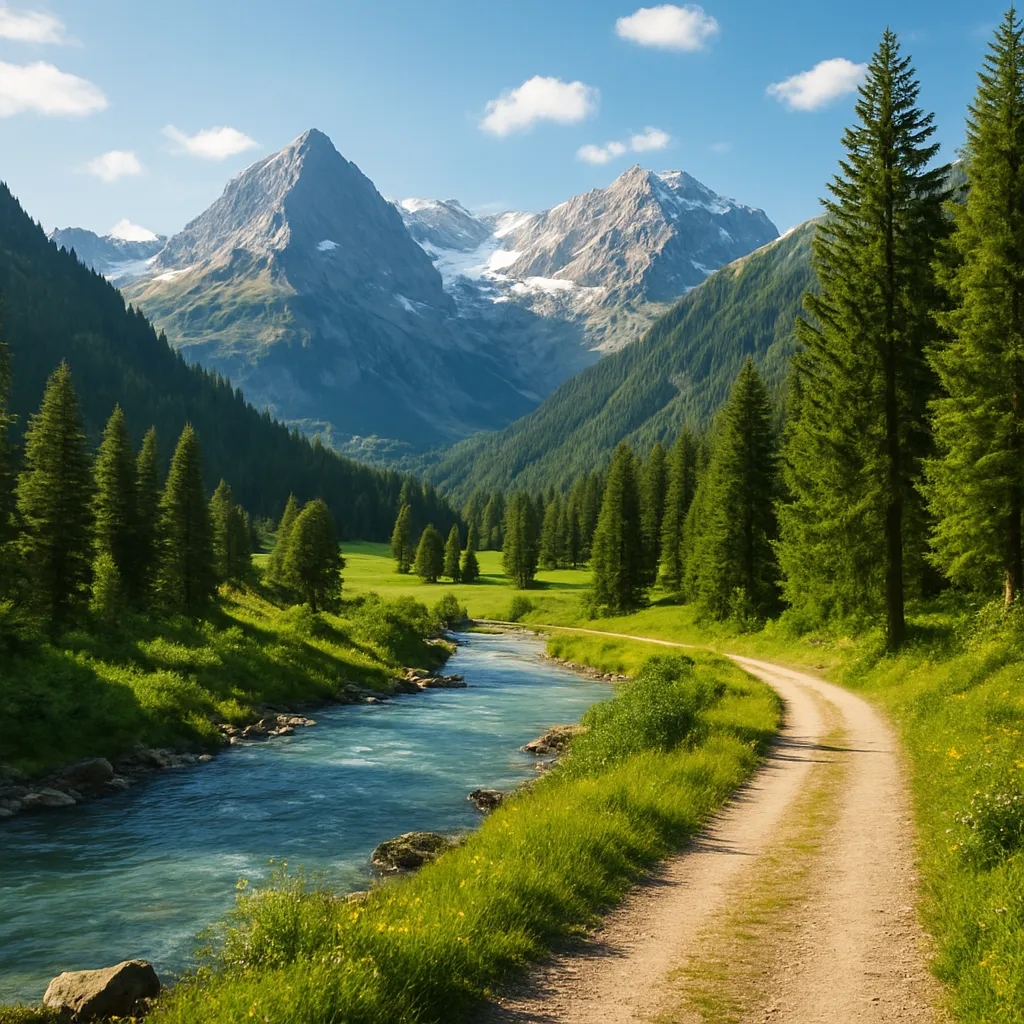
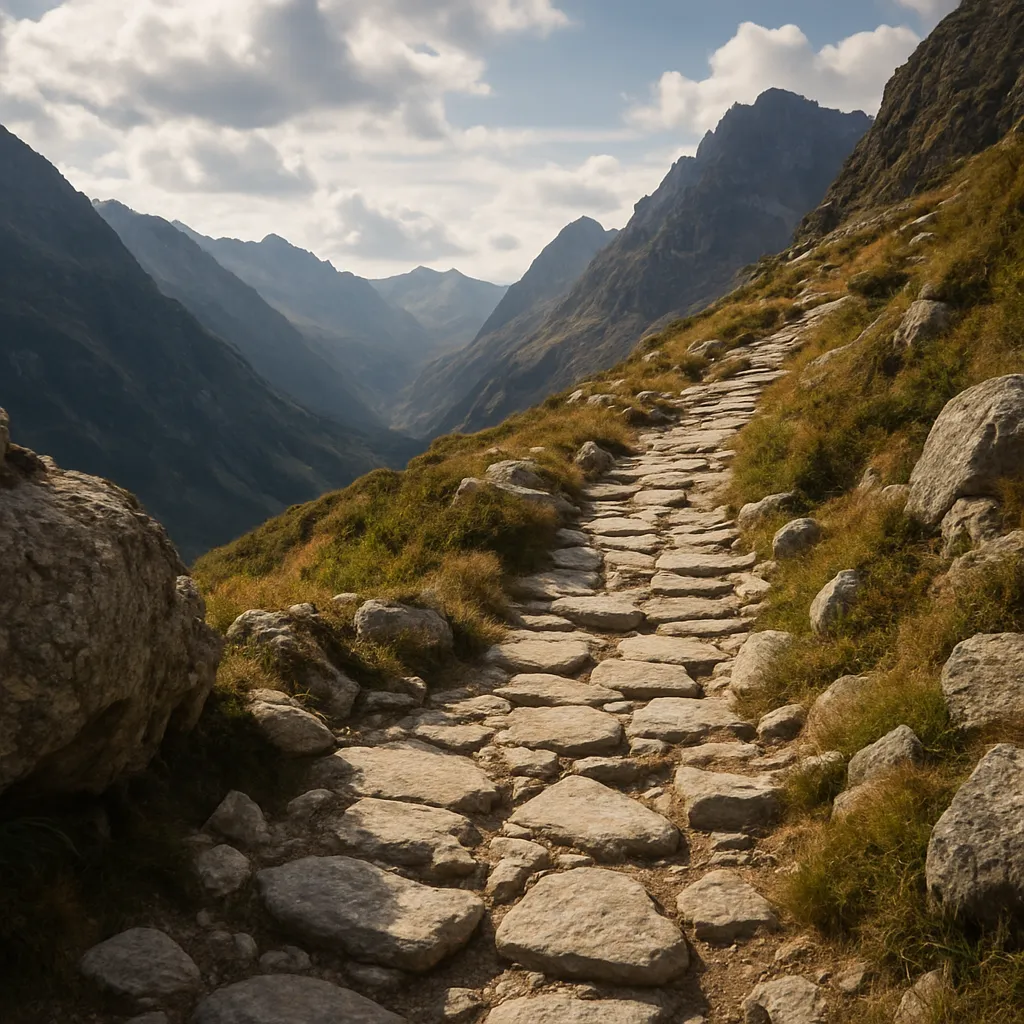
Many of these ancient arteries have been repurposed into modern hiking and cycling trails. The renowned Tour du Mont Blanc, for example, follows segments of historical pathways while offering panoramic views of alpine flora and glacial lakes. Enthusiasts often plan multi-day expeditions, staying in mountain huts and encountering relics such as stone cairns and carved crosses that mark miles of human perseverance.
Flora and Fauna Adaptations in High Elevation Ecosystems
At altitudes where oxygen levels drop and winters can last nine months, life has adapted extraordinary strategies. The distribution of plant and animal communities varies dramatically with elevation:
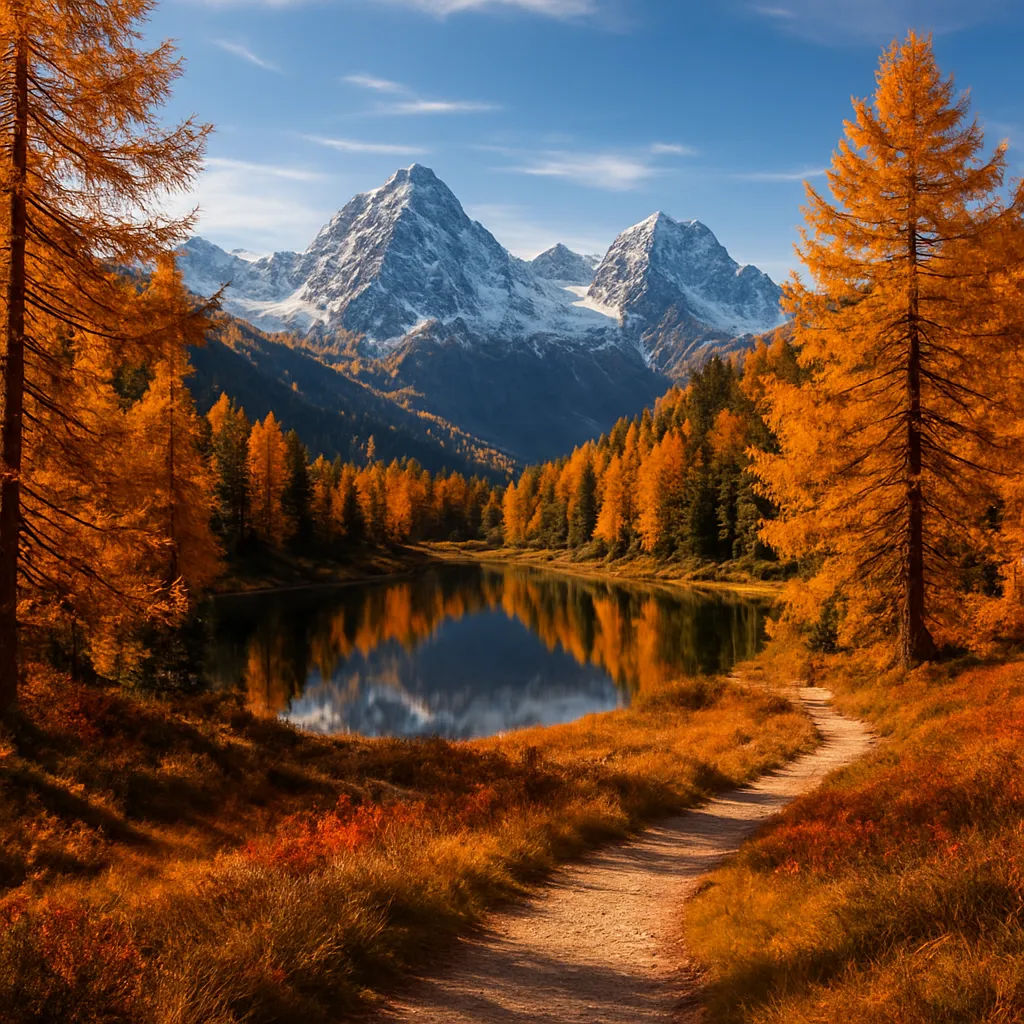
- Sub-Alpine Zone (1,200–2,000 meters): Dense coniferous forests of larch and Swiss pine shelter species like chamois and red deer.
- Alpine Zone (2,000–3,000 meters): Open meadows host resilient herbs such as edelweiss and gentian, providing nectar for alpine butterflies and bees.
- Nival Zone (above 3,000 meters): Only lichens, mosses, and a handful of specially adapted invertebrates survive amid scree slopes and permanent snowfields.
The rich biodiversity of these zones underpins local ecotourism and scientific research. Mountain botanists catalog rare endemic species, while wildlife biologists track the movements of alpine ibex and golden eagles. Conservation initiatives often partner with local communities to balance grazing rights, forestry, and habitat protection, ensuring that fragile populations remain viable despite increasing human presence.
Cultural Traditions and Alpine Heritage
Human settlements in the Alps date back over 5,000 years. Over centuries, residents developed distinctive architectural, culinary, and craft traditions that harmonize with the environment:
- Chalet Architecture: Wooden chalets with steep roofs and deep eaves conserve heat and manage heavy snow loads.
- Cheese Making: Varieties like Gruyère, Comté, and Fontina derive flavor from the unique alpine grasses grazed by cows between spring and autumn.
- Traditional Festivals: Seasonal fairs celebrate the return of livestock from high pastures (alpmabtrieb) and the winter solstice with music, costumes, and ritual dances.
These customs strengthen community ties and attract cultural tourists eager to experience authentic mountain living. Museums and heritage trails showcase historic tools—such as wooden scythes, hand-carved cowbells, and wool spinning wheels—that reveal centuries of adaptation to harsh environments.
Challenges and Opportunities for Mountaineers and Conservation
For generations, mountaineers have tested human limits on the Alps’ most formidable summits. Early 19th-century pioneers like Horace-Bénédict de Saussure and Jacques Balmat laid the groundwork for modern alpinism, scaling peaks once deemed insurmountable. Today, climbing routes range from beginner-friendly via ferratas to technical ice walls on faces of the Matterhorn.
As interest in high-altitude sports grows, so does the need for sustainable management. Key concerns include:
- Trail Erosion: Heavy foot traffic can degrade fragile soils, leading to rockfalls and habitat loss.
- Waste Disposal: Remote refuges require strict guidelines to handle human refuse and preserve water sources.
- Climate Impact: Retreating glaciers alter route safety, demanding continuous mapping and updated risk assessments.
Solutions often combine technology and tradition: volunteer patrols maintain footpaths, while alpine guides incorporate GPS surveys and weather modeling to advise clients. Educational campaigns promote leave-no-trace practices and respect for delicate alpine flora and fauna.
Future Perspectives and Sustainable Tourism
The coming decades will define how the Alps balance growth with conservation. Regional governments, international NGOs, and local operators are forging collaborative policies that emphasize low-impact travel. Initiatives include:
- Eco-Certification for lodges that use renewable energy and source local produce.
- Seasonal visitor quotas on heavily trafficked routes to reduce wear on ancient trails.
- Interactive mobile apps providing real-time updates on trail conditions, wildlife sightings, and responsible camping areas.
By fostering a deeper appreciation for alpine landscapes and the cultural heritage they host, these approaches seek to secure a resilient future—one where geological grandeur, ecological integrity, and human enterprise remain in harmonious balance.