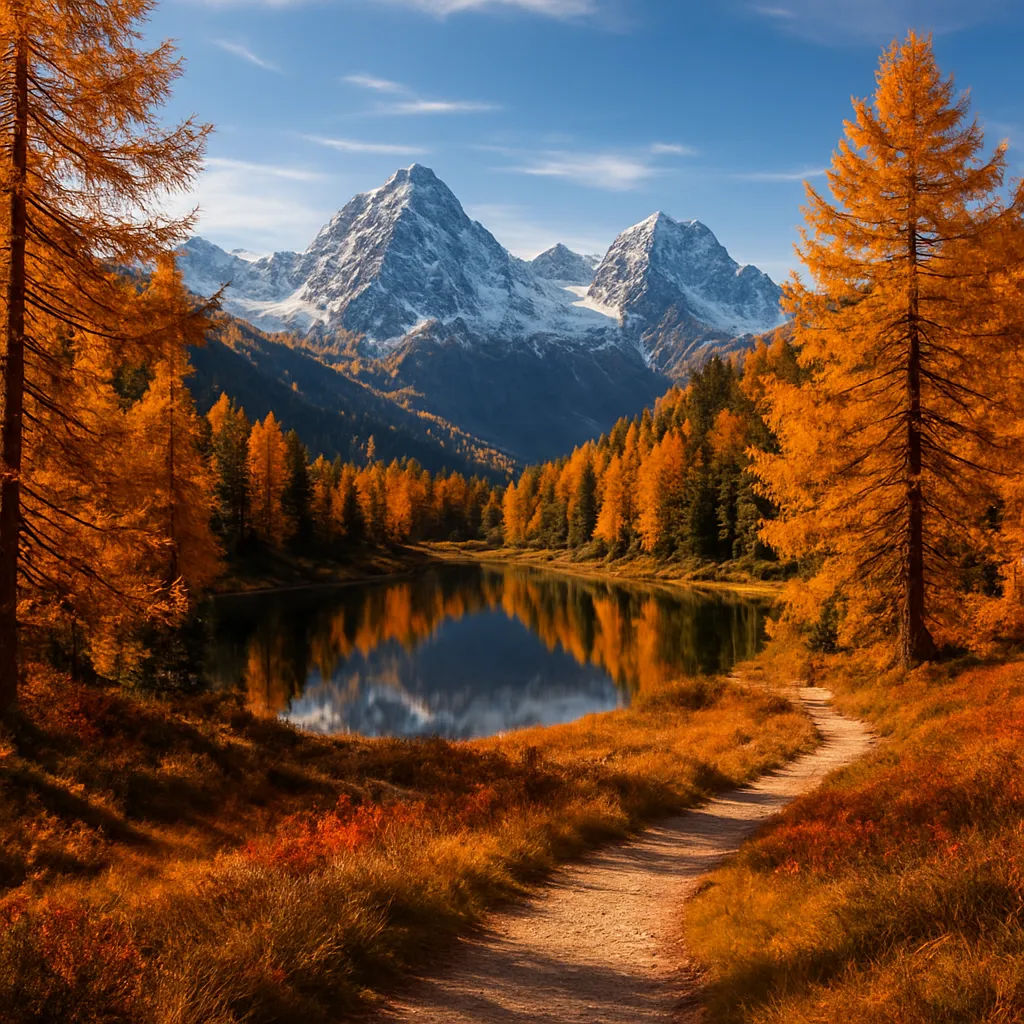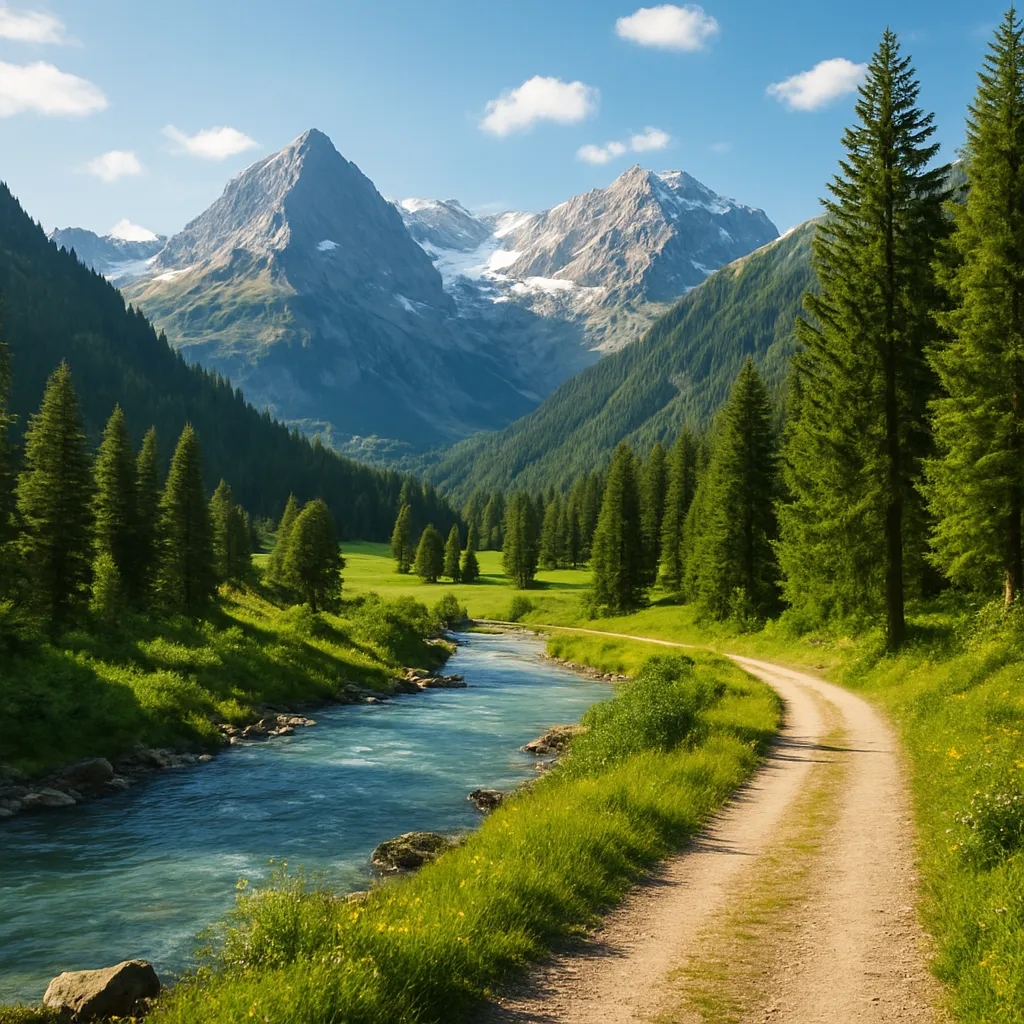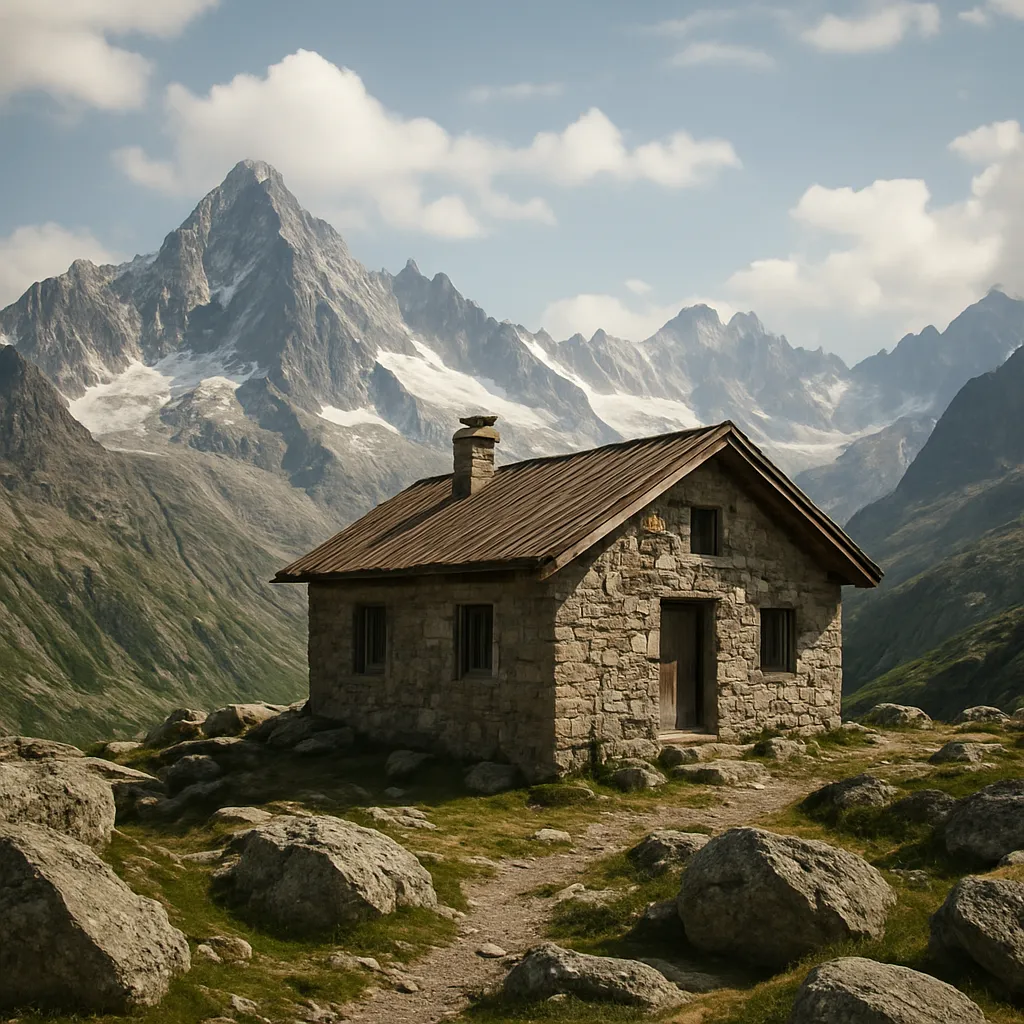
The Alps stand as a testament to nature’s grandeur, where jagged peaks meet serene valleys. Scattered across this vast mountain range are numerous mountain huts, each bearing a tale of perseverance, ingenuity, and the deep bond between humans and the highlands. From humble shelters for early mountaineers to modern refuges embracing eco-friendly design, these huts have shaped the history and culture of alpine exploration. This article explores their origins, celebrates the most iconic sanctuaries, and examines the challenges they face in an ever-changing environment.
Origins and Evolution of Alpine Mountain Huts
The concept of a mountain hut, or refuge, originated from the pressing need to provide shelter in the unpredictable alpine climate. Early climbers often braved multiple days of ascent without any guarantee of protection from storms or deep snow. Over centuries, local communities and alpine clubs erected simple stone and wood shelters, laying the groundwork for today’s extensive network.
Early Beginnings
- In the mid-19th century, pioneering clubs like the Swiss Alpine Club (est. 1863) began systematically building refuges to encourage safe exploration.
- These initial shelters were often basic: four walls, a roof, and communal bedding spaces without heating or partitions.
- Local shepherds and hunters contributed knowledge of the terrain, guiding materials and site selection to maximize safety.
From Rustic Huts to Mountaineering Havens
With the golden age of alpinism in the late 1800s, demand grew for more comfortable accommodation. As a result:
- Stone floors gave way to wooden planks and simple stoves for warmth.
- Refuges began to offer basic meals, transforming them into social hubs for climbers.
- By the early 20th century, alpine clubs had formalized hut management, implementing reservation systems and staffing.
Legendary Mountain Huts and Their Unique Stories
While thousands of refuges dot the Alps, a handful stand out for their heritage and unforgettable anecdotes. These iconic huts have witnessed bold first ascents, harrowing rescues, and enduring friendships.
Refuge du Goûter (France)
Perched at 3,835 meters on the ascent to Mont Blanc, Refuge du Goûter has become notorious for its narrow terraces and sudden storms. Climbers often reminisce about:
- Nighttime walls of ice forcing them to huddle in tight quarters.
- Legendary guardian hut-keepers known for their unwavering courage in rescue missions.
- Rare glimpses of the Milky Way above the roof after gale-force winds subside.
Rifugio Bonatti (Italy)
Named after Walter Bonatti, one of history’s greatest alpinists, this refuge overlooks the Grandes Jorasses. Visitors praise its:
- Architecture blending seamlessly into sheer rock faces.
- Panoramic windows capturing the dawn light on rugged spires.
- Famed “alpine hospitality,” where stories over polenta and local cheese spark lifelong bonds.
Cabane de l’A Neuve (Switzerland)
Nestled beneath the cliffs of the Aiguille d’Argentière, this cabin has weathered avalanches and two world wars. Its enduring features include:
- Solid stone construction that has remained unscathed for over a century.
- Historic logbook entries recounting daring attempts to tame the Matterhorn.
- Regular gatherings of international climbers, fostering a spirit of community.
Architectural Marvels and Environmental Challenges
Modern mountain huts balance tradition with innovation, integrating cutting-edge technologies to withstand harsh conditions while reducing ecological footprint. Yet, they face unprecedented pressures from rising temperatures and increased foot traffic.
Eco-Friendly Innovations
- Solar panels and micro-hydro installations are replacing diesel generators to power lighting and cooking.
- Triple-glazed windows and superior insulation allow huts to maintain warmth and reduce energy consumption.
- Advanced water-treatment systems ensure clean runoff, protecting fragile alpine streams.
Designing for Resilience
Engineers and architects collaborate with alpine clubs to develop structures capable of withstanding heavy snowfall and high winds:
- Aerodynamic roof shapes minimize snow accumulation.
- Reinforced anchoring systems secure huts to bedrock, even on steep slopes.
- Modular sections enable rapid repairs after extreme weather events.
The Impact of Climate Change
As glaciers recede and weather patterns shift, mountain huts confront new hazards:
- Unstable ground from melting permafrost endangers foundations.
- Increased rockfall and glacial lake outburst floods require constant monitoring.
- Shorter snow seasons prompt adjustments to staffing schedules and supply deliveries.
Sustaining Alpine Heritage
Preserving these refuges is not just about physical upkeep but also safeguarding a living tradition of mountain exploration. Efforts include:
- Volunteer programs that train youth in hut maintenance and alpine safety.
- Storytelling initiatives, collecting oral histories from veteran guides and climbers.
- Partnerships with environmental organizations to promote sustainability and low-impact tourism.
From their humble beginnings to the pinnacle of eco-engineering, alpine mountain huts embody human resilience and our enduring fascination with high places. They offer more than mere shelter; they are beacons of tradition, guardians of local landscape, and symbols of the spirit that drives adventurers to conquer new heights.