Photographing the Alps is an adventure that combines technical skill with an appreciation for nature’s grandeur. Capturing the majestic mountain ranges requires careful planning, the right gear, and a deep understanding of light and composition. Whether you’re a seasoned landscape photographer or a passionate amateur, this guide will help you elevate your images and convey the awe-inspiring beauty of the Alps.
Choosing the Right Time and Location
Picking the optimal time and place is crucial when aiming to shoot the Alps like a pro. From high-altitude passes to hidden valleys, each location offers a unique perspective and challenges.
Seasonal Variations
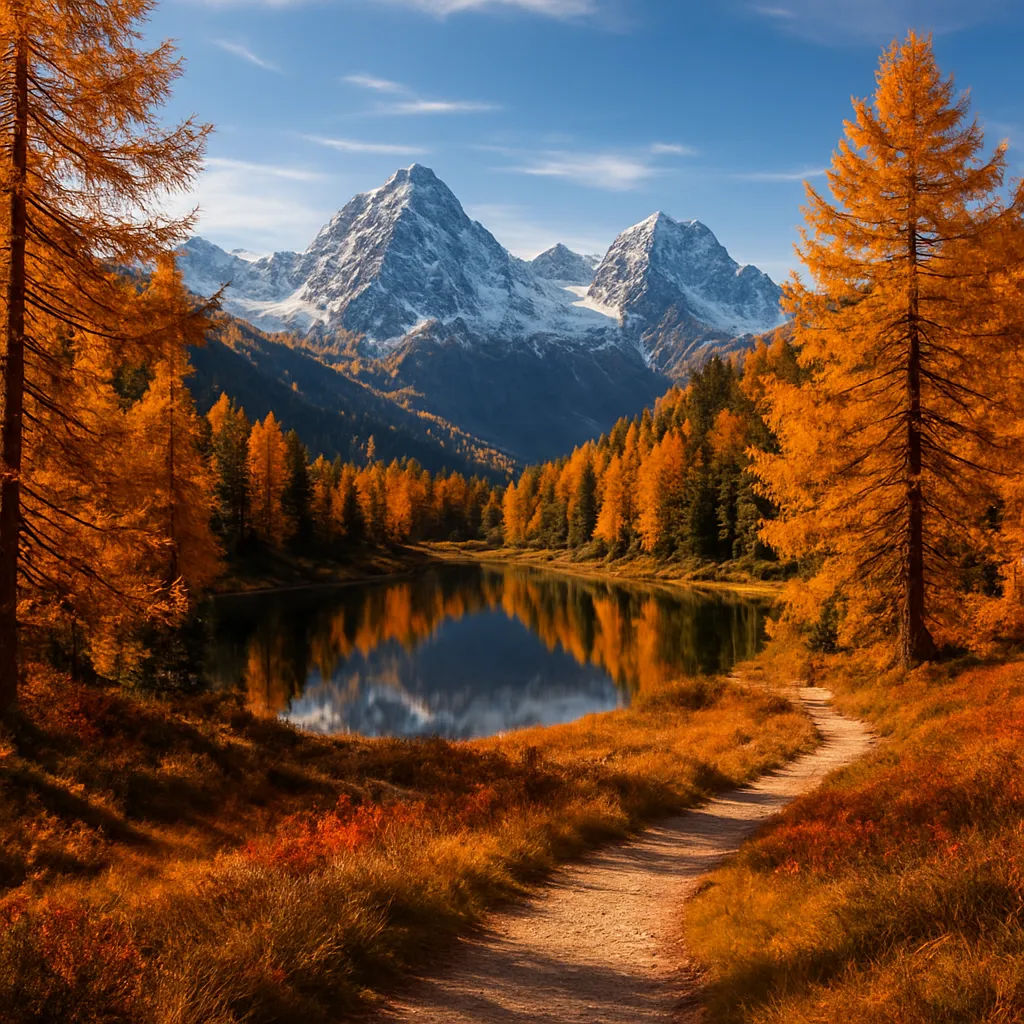
Each season transforms the Alps in dramatic ways. In winter, snow blankets the peaks, creating pristine white vistas. Spring brings melting ice and lush meadows, while summer unveils vibrant wildflowers and clear skies. Autumn paints the landscape in fiery reds and golds. Recognizing these variations helps you plan for weather conditions, required equipment, and the best opportunities for photography.
Golden and Blue Hours
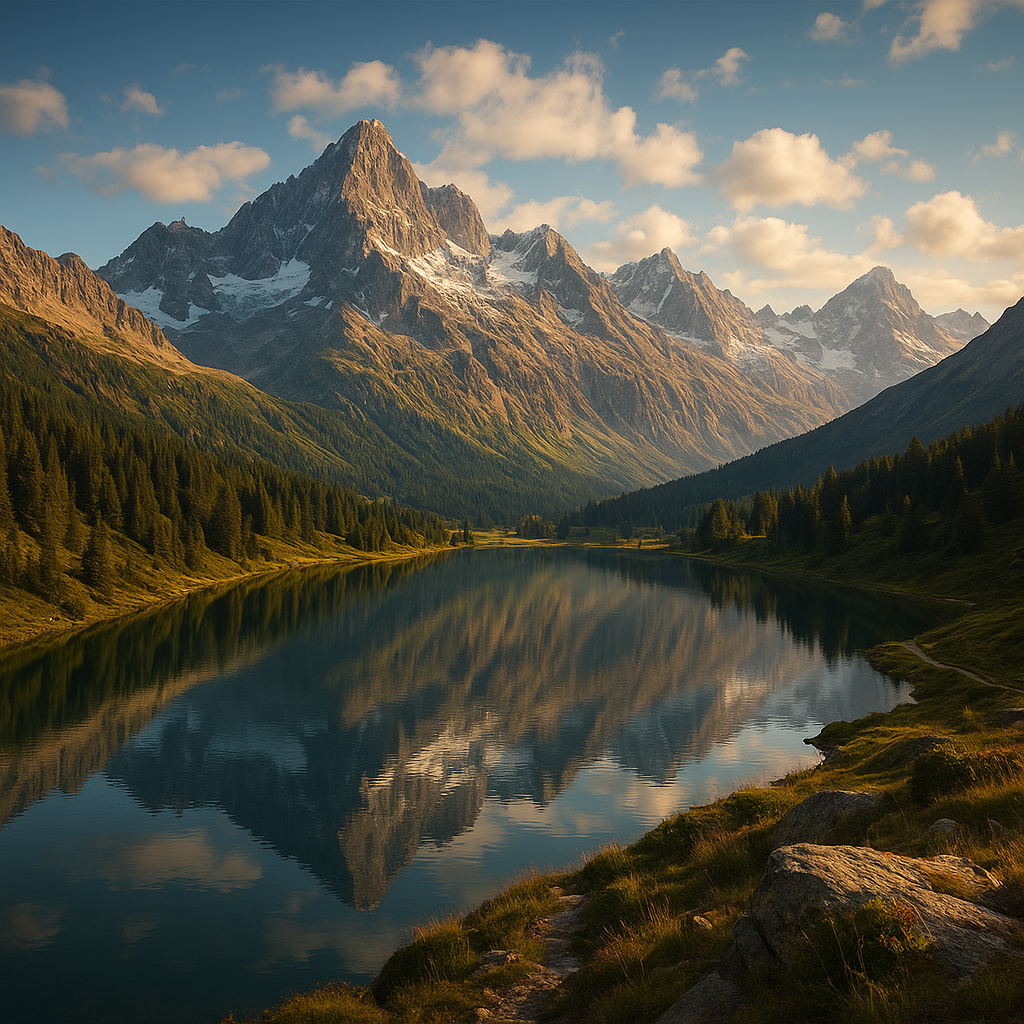
The most critical windows for shooting are the golden hour—shortly after sunrise and before sunset—and the blue hour, when the sun is just below the horizon. During these times, light is softer, shadows are gentler, and colors become more vivid. Research sunrise and sunset times for your chosen location, and be prepared to start early or stay late to capture these fleeting moments.
Mastering Composition and Perspective
Strong composition can make or break a landscape photograph. In the Alps, the combination of towering peaks, winding trails, and dramatic valleys provides an ideal canvas for creative framing.
The Rule of Thirds and Leading Lines
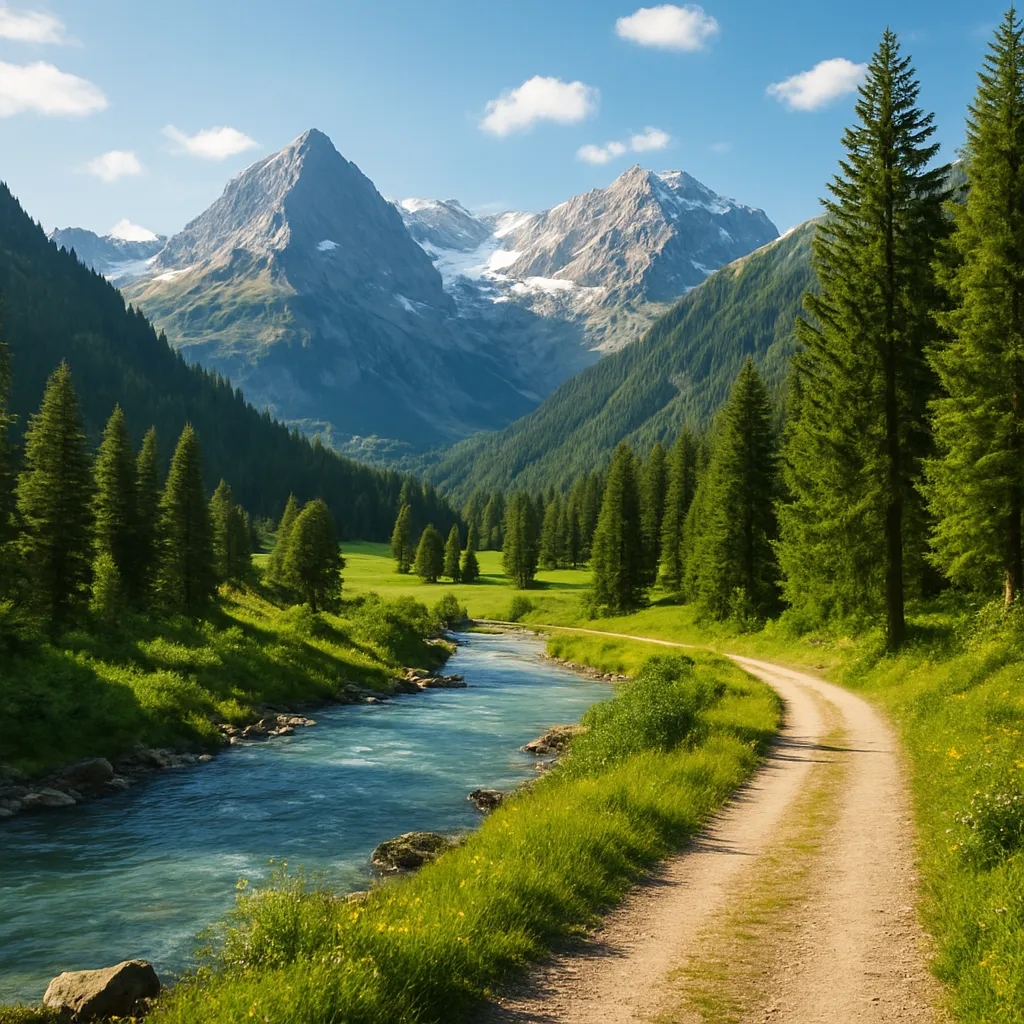
Apply the rule of thirds by placing key elements—such as a peak or a lone tree—at the intersections of a tic-tac-toe grid. Utilize natural lines like ridges, rivers, or footpaths to draw the viewer’s eye into the frame. These lines guide attention toward the main subject and add depth.
Foreground Interest and Scale
Including a compelling foreground element enhances the sense of depth and scale. Rocks, alpine flowers, or a small wooden hut can serve as points of reference. You might even embrace a close-up of dew-kissed blossoms with a towering mountain backdrop to create a striking contrast between micro and macro worlds.
Experimenting with Perspectives
Don’t limit yourself to classic viewpoints. Try shooting from a low angle to exaggerate the height of peaks, or climb a ridge for a bird’s-eye view of the valleys below. Changing your vantage point can transform a familiar scene into something fresh and unexpected.
Essential Gear and Camera Settings
Your equipment choices and camera settings play a pivotal role in capturing sharp, well-exposed images of the Alps under varying conditions.
Choosing the Right Lens
- Wide-angle lenses (14–24mm) help you capture expansive vistas.
- Standard zooms (24–70mm) offer flexibility for both landscapes and distant details.
- Telephoto lenses (70–200mm) allow you to isolate mountain peaks and compress perspectives.
Tripods, Filters, and Accessories
- A sturdy tripod is indispensable for low-light conditions and long exposures.
- Neutral density (ND) filters enable silky-smooth water flows and dynamic cloud movement.
- Polarizing filters reduce glare on snow and foliage while enhancing sky saturation.
Optimal Camera Settings
Start with a low ISO (100–200) to minimize noise and set a small aperture (f/8–f/16) to maximize depth of field. Use a remote shutter release or the camera’s timer to eliminate handshake. When shooting panoramas, overlap frames by about 30% to ensure seamless stitching.
Techniques for Challenging Conditions
The Alps are notorious for unpredictable weather and rapid changes in light. Being prepared is half the battle.
Dealing with Harsh Light and High Contrast
Midday sun can create deep shadows and blown-out highlights. Counter this by bracketing exposures and merging them in post-processing (exposure blending or HDR). Alternatively, use graduated ND filters to balance bright skies with darker foregrounds.
Capturing Snow and Ice
Snow scenes can fool a camera’s light meter, leading to underexposed images. Dial in +1 to +2 stops of exposure compensation to preserve detail in the snow. Pay attention to subtle blue or purple tints in glacier ice, and adjust white balance as needed to bring out natural colors.
High Altitude and Safety Considerations
Shooting above 2,500 meters can affect both you and your gear. At high altitude, batteries drain faster, so carry spares in an inner pocket. Dress in layers to cope with temperature drops, and always let someone know your route. Weather can shift from sunshine to storms in minutes, so keep an eye on forecasts and pack waterproof protection for your camera.
Post-Processing to Enhance Your Shots
Once you’ve captured your images, post-processing brings out the full potential of your Alpine photos. Editing software like Lightroom or Capture One provides powerful tools for fine-tuning.
Basic Adjustments
- Start with white balance corrections to achieve accurate color rendering.
- Adjust exposure, contrast, highlights, and shadows to balance the dynamic range.
- Increase clarity and vibrance judiciously to add punch without overdoing it.
Advanced Techniques
Graduated masks let you target skies separately from the land. Use radial filters to emphasize a particular peak or foreground element. For panoramas, stitch multiple frames and then carefully crop and align to preserve composition integrity. If you bracketted shots, merge them into an HDR file and refine local tonal adjustments.
Final Touches and Exporting
Sharpen your image to bring out texture in rock faces and foliage. Apply lens corrections to remove distortion and vignetting. When exporting, choose the appropriate color space—sRGB for web use or Adobe RGB/ProPhoto RGB for printing—to maintain color accuracy. Finally, watermark or tag your images if you plan to share them online.
Building Your Skills and Embracing the Challenge
Photographing the Alps is not just about technical know-how; it demands patience, perseverance, and a willingness to learn. The weather may be unforgiving, the terrain rugged, and the climbs steep, but the reward of capturing breathtaking mountain scenes is unparalleled.
Immerse yourself in practice, study the work of renowned mountain photographers, and revisit the same locations under different conditions. Over time, you’ll develop an intuitive sense for light, composition, and timing. Each expedition will refine your approach, helping you truly master the art of Alpine photography. Embrace the challenge, respect the environment, and let the ever-changing Alps inspire your next masterpiece.