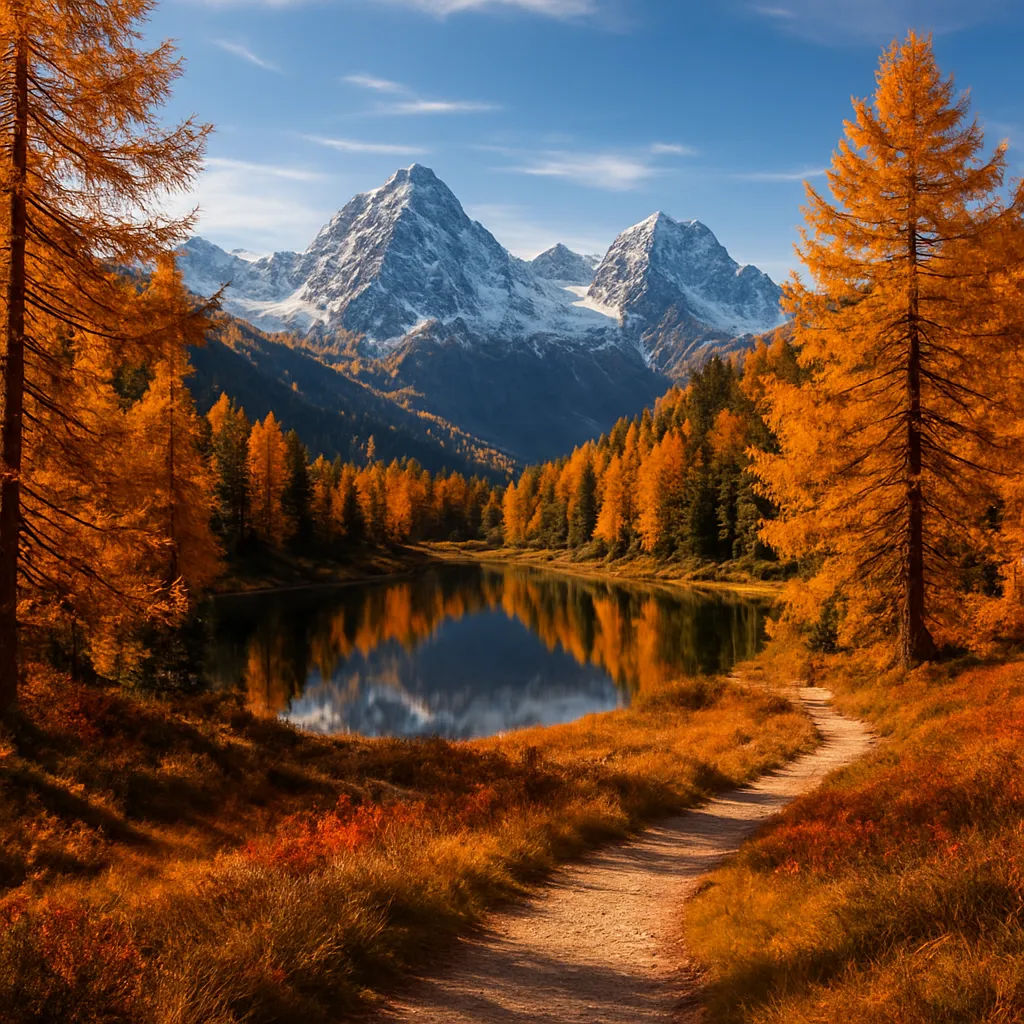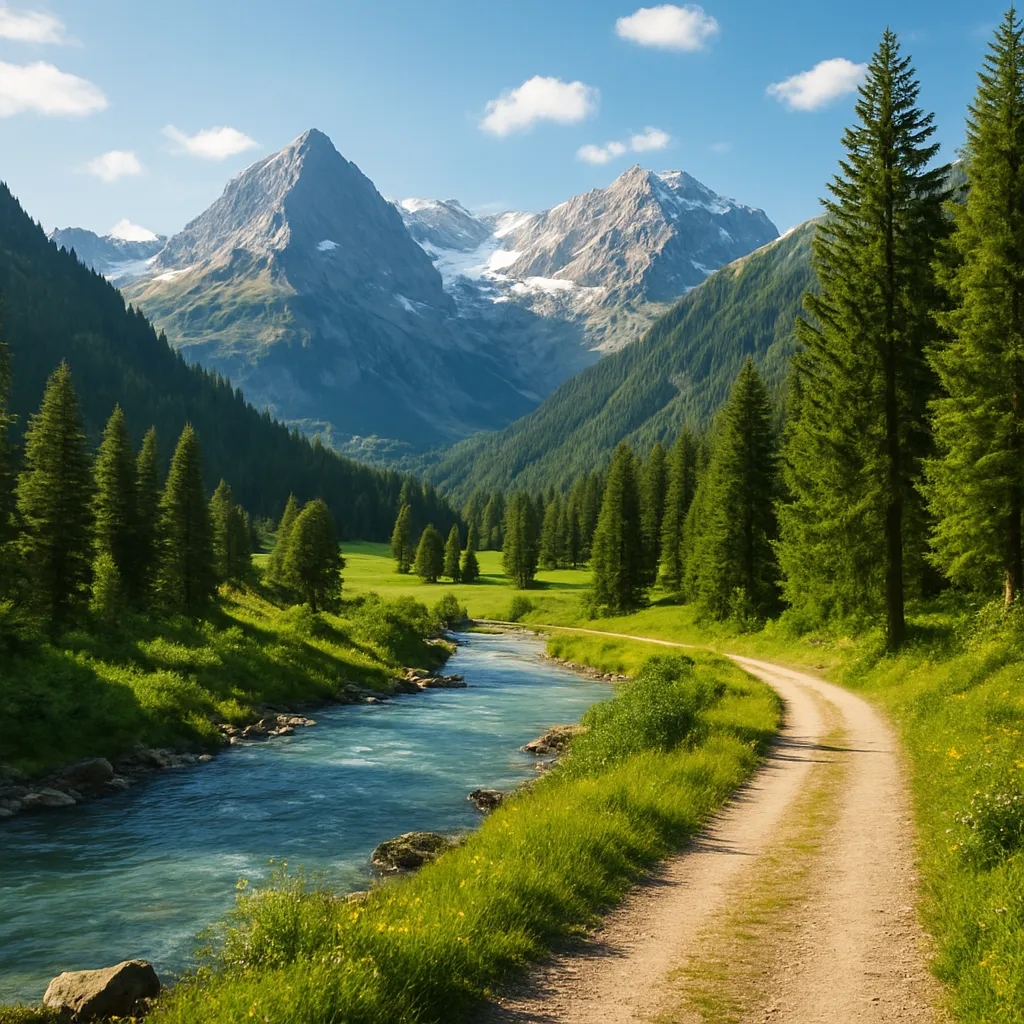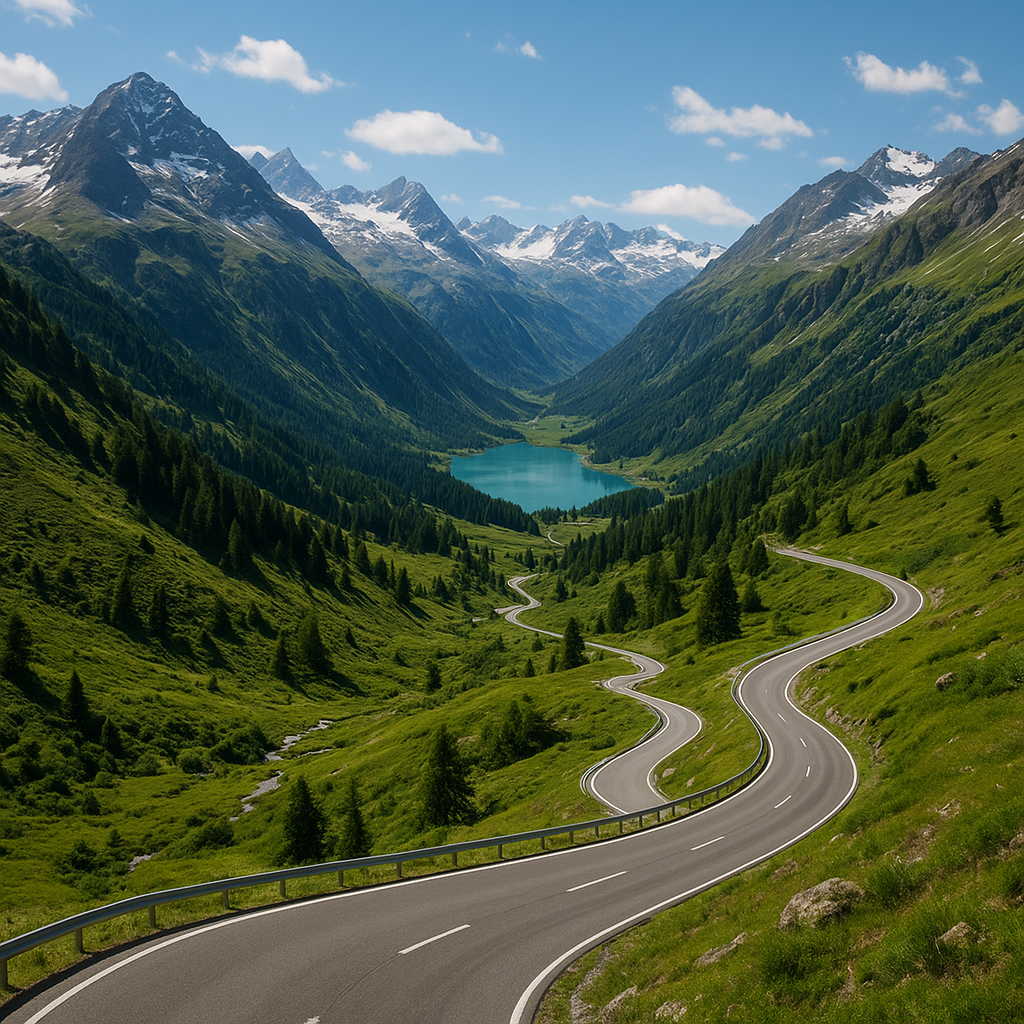
Embarking on a journey through the Alps invites travelers to immerse themselves in breathtaking landscapes, rich traditions, and unforgettable experiences. This region, where Switzerland, Austria, and Italy converge, offers a tapestry of snow-capped peaks, lush valleys, and charming villages. Whether you’re drawn to panoramic railway rides, winding mountain roads, or local festivals, this guide will lead you through the key routes and tips for an epic trans-Alpine adventure.
Planning Your Alpine Journey
Careful preparation is the cornerstone of any successful trip across the Alpine region. Factors such as weather, transportation passes, and accommodation availability can greatly influence your itinerary. By organizing key details in advance, you’ll ensure a smooth and memorable exploration.
Choosing the Best Time to Travel
Seasons in the Alps dictate the activities and accessibility of certain routes. During peak season, from June to August, hiking trails bloom with wildflowers and alpine roads open fully. Winter, stretching from December to March, transforms the landscape into a snow sports paradise. Shoulder months like May and September offer mild conditions, fewer crowds, and lower prices.
- Weather: Check local forecasts to anticipate sudden changes.
- Festival schedules: Align your trip with regional events for cultural immersion.
- Transportation passes: Consider multi-country rail or bus passes for cost savings.
Key Travel Documents and Health Preparations
Depending on your nationality, ensure you have the correct visas or travel authorizations for Switzerland, Austria, and Italy. Carry copies of important documents, including travel insurance, which should cover emergency evacuations in high-altitude areas. If you plan strenuous hikes, consult a physician about altitude acclimatization and necessary vaccinations.
Scenic Train Routes and Journeys
One of the most iconic ways to traverse the Alps is by train. Spectacular engineering feats, such as spiral tunnels and viaducts, present a front-row seat to some of Europe’s most dramatic scenery. These rail journeys combine comfort, efficiency, and awe-inspiring views.
The Glacier Express (Switzerland to Italy)
The Glacier Express, often called the “world’s slowest express train,” links Zermatt and St. Moritz before continuing towards Tirano in Italy. Crossing 291 bridges and 91 tunnels over eight hours, this route reveals panoramic vistas of glacial valleys and lofty summits. Reservations are essential, and panoramic cars ensure unobstructed views.
- Route highlights: Oberalp Pass, Rhine Gorge (the “Swiss Grand Canyon”), and Moraine Lake views.
- Onboard amenities: Dining car serving regional specialties and informative audio guides.
- Best season: Winter for a snowy wonderland, summer for green valleys.
The Bernina Express (Switzerland to Italy)
Departing from Chur or Davos, the Bernina Express ventures south to Tirano, crossing the UNESCO-listed Bernina Pass. This route offers breathtaking transitions, from icy peaks to Mediterranean-like climates. The train’s panoramic windows showcase the striking contrast between snowfields and terraced vineyards.
- Notable sections: Landwasser Viaduct, Ospizio Bernina station at 2,253 meters.
- Ticket tips: Book window seats early and consider off-peak departures.
- Duration: Approximately four hours with optional stops at Poschiavo Valley.
Road Trips and Driving Tips
For those craving freedom and flexibility, a self-driven road trip through the Alps is hard to rival. From hairpin turns to dramatic passes, these routes offer an intimate connection with the mountain environment. Proper vehicle preparation and route planning are essential for safety and enjoyment.
Essential Alpine Passes
Several renowned passes connect Switzerland, Austria, and Italy. Each offers unique challenges and viewpoints:
- Stelvio Pass (Italy): Famous for its 48 hairpin turns and dramatic elevation gain.
- Furka Pass (Switzerland): Featured in classic films, offering views of the Rhone Glacier.
- Grossglockner High Alpine Road (Austria): Panoramic alpine vistas surrounding Austria’s highest peak, Grossglockner.
Vehicle Preparation and Safety
Before setting off, ensure your car is equipped for alpine conditions:
- Winter tires or chains in colder months.
- Engine coolant rated for low temperatures.
- Emergency kit: blankets, food, water, and first-aid supplies.
- Navigation tools: GPS with offline maps and paper maps.
Driving Strategies for Mountain Roads
Adapting your driving style to steep inclines and narrow lanes is crucial. Keep these pointers in mind:
- Maintain a steady pace: Avoid sudden acceleration or braking on sharp bends.
- Use engine braking: Shift to low gears on descents to protect brakes.
- Watch for wildlife: Deer and mountain goats often wander near roads.
Cultural Gems and Culinary Highlights
Beyond the breathtaking panorama of peaks and valleys, the tri-border region unites diverse traditions, languages, and flavors. Exploring villages off the beaten path reveals centuries-old customs and delectable dishes.
Traditional Festivals and Local Heritage
Each Alpine country celebrates its own heritage through festivals:
- Switzerland: Alpine horn music gatherings and cheese festivals in Gruyères.
- Austria: Yodeling contests and Maypole dances in Tyrol.
- Italy: Ladin-speaking communities in South Tyrol showcase ancient rituals.
Attending these events grants insight into alpine culture and fosters connections with friendly locals.
Culinary Journeys
The region’s cuisine reflects mountain resources and cultural intersections. Sample these specialties along your route:
- Switzerland: Fondue and raclette featuring alpine cheeses.
- Austria: Wiener schnitzel, kaiserschmarrn, and hearty dumplings.
- Italy (South Tyrol): Speck, schlutzkrapfen, and strudel with orchard fruits.
Dining at mountain huts or agriturismos enhances the experience, offering farm-to-table cuisine against a natural backdrop.
Artisan Crafts and Souvenirs
Take home tangible memories by seeking out locally made items:
- Hand-carved Swiss cowbells and wooden chalets.
- Tyrolean felt hats and lacework from Austrian artisans.
- Italian olive wood utensils and mountain honey from alpine beekeepers.
These treasures embody the region’s dedication to quality and tradition, preserving knowledge passed down through generations.
Practical Tips for an Unforgettable Experience
While every traveler’s journey is unique, the following suggestions will help maximize comfort, safety, and enjoyment along the Alpine corridor.
Accommodation Options
- Mountain refuges and youth hostels for budget-conscious adventurers.
- Charming B&Bs and guesthouses nestled in valley villages.
- Luxury spas and wellness resorts offering panoramic vistas.
Packing Essentials
- Layered clothing for fluctuating mountain temperatures.
- Sturdy hiking boots and water-resistant outerwear.
- Reusable water bottle and energy snacks for long treks.
Responsible Tourism
Respect the delicate alpine environment by following Leave No Trace principles. Support local economies by purchasing regionally made products and dining at small establishments. Minimizing waste and choosing eco-friendly transport options helps preserve the Alps for future generations to explore and cherish.
With careful planning, an open mind, and a spirit of adventure, traveling through Switzerland, Austria, and Italy in the Alps becomes more than a holiday—it transforms into a journey through some of Europe’s most spectacular landscapes, diverse cultures, and enduring traditions. Pack your bags, pick your route, and prepare to be captivated by the mighty mountains, vibrant valleys, and timeless allure of the Alpine realm.