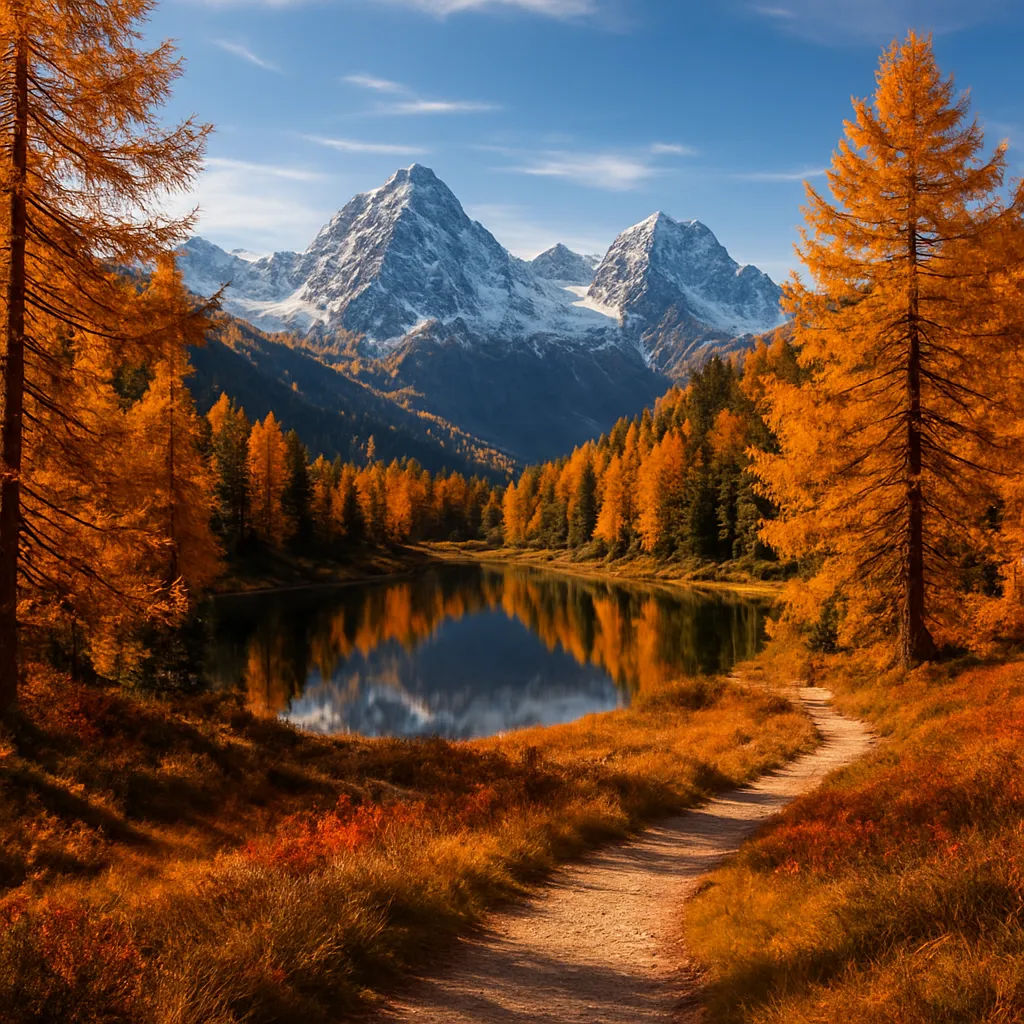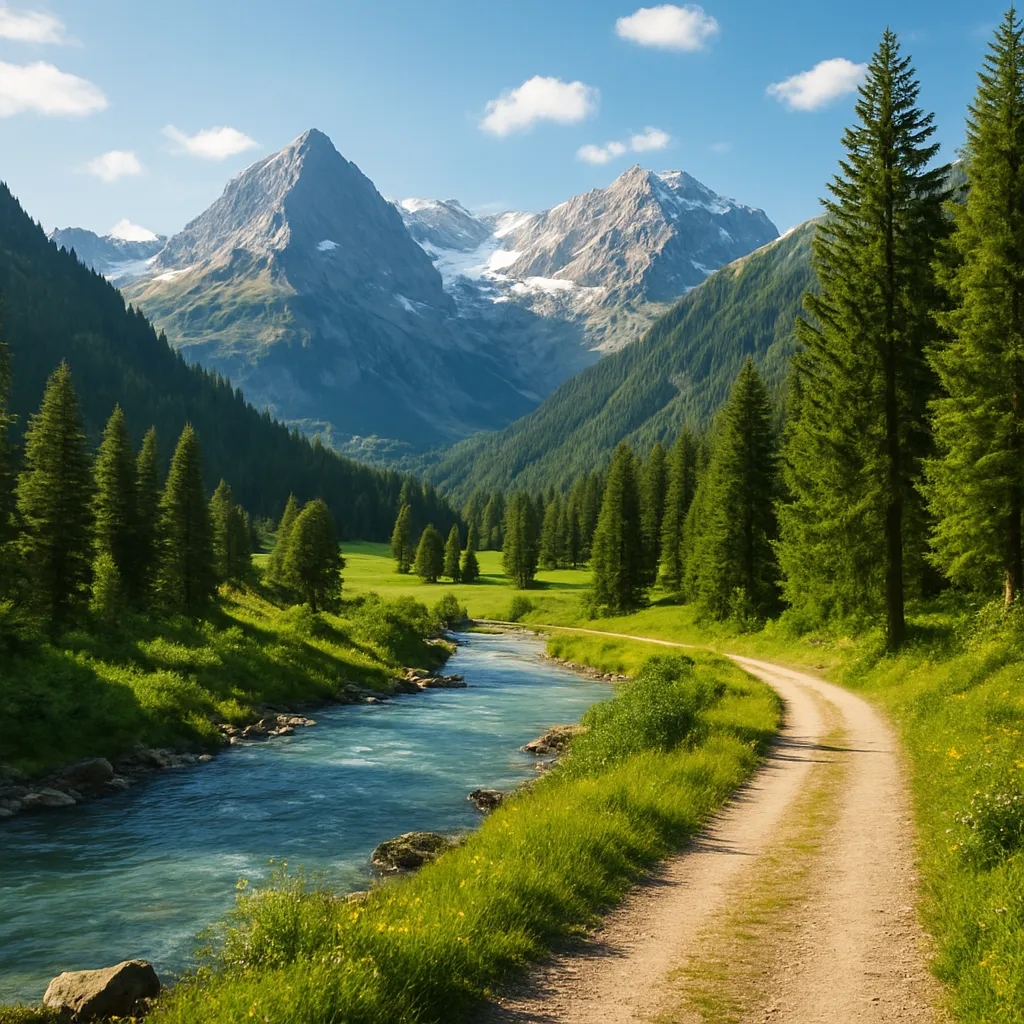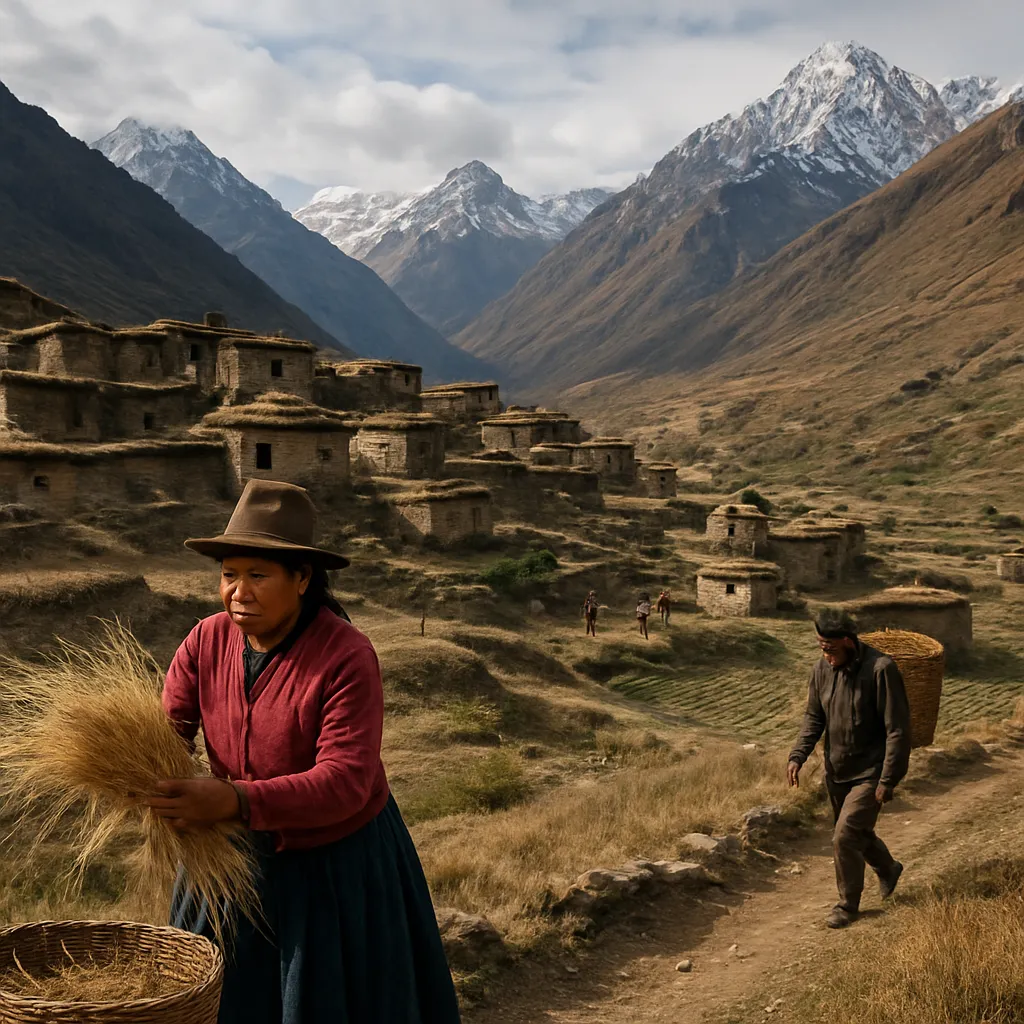
The rugged landscapes of the Alps present a unique tapestry of challenges and opportunities for the people who call these soaring peaks home. From steep valleys carved by ancient glaciers to windswept plateaus above the tree line, life at high altitude demands innovation, cooperation, and a deep respect for nature’s rhythms. This article explores how local communities have developed remarkable strategies to thrive in one of Europe’s most dramatic environments, blending centuries-old traditions with cutting-edge technologies to ensure both survival and prosperity.
Geographical and Environmental Context of the Alps
Topography and Climate
Stretched across eight countries, the Alps form Europe’s highest and most extensive mountain range. Elevations soar above 4,000 meters, creating a patchwork of microclimates. Lower valleys enjoy temperate summers, while heights endure snow year-round. Seasonal changes are abrupt, with sudden temperature drops and intense UV radiation taxing human physiology. Local inhabitants display incredible resilience to these conditions, acclimatizing through gradual exposure and seasonal migration.
Flora and Fauna
Faunal and floral communities in the Alps are adapted to thin air and frigid nights. Alpine meadows burst into bloom briefly, showcasing a wealth of wildflowers and medicinal herbs. Resident species like the ibex, marmot, and golden eagle navigate steep slopes and scarce oxygen with specialized muscle tissues and efficient respiratory systems. Conservation efforts focus on preserving this biodiversity, critical for ecological balance and eco-tourism revenue.
Traditional Practices and Cultural Adaptations
Alpine Architecture and Building Techniques
Local dwellings reveal ingenious responses to harsh winters and seismic risks. Thick stone walls retain heat, while sloping roofs shed heavy snowpacks. Raised foundations and deep cellars protect goods from frost. Timber framing connects to centuries-old carpentry traditions, showcasing a mastery of local woodlands management. This fusion of form and function exemplifies sustainable architecture that respects both climate and cultural heritage.
Pastoralism and Transhumance
For generations, shepherds practiced transhumance, migrating livestock between valley floors and high pastures according to the seasons. This cycle not only sustains herds but also promotes soil fertility and plant diversity. Alpine cheese, renowned worldwide, depends on these seasonal rhythms—each wheel encapsulating the unique flavors of mountain grasses kissed by alpine sun and mountain-blown breezes.
Local Festivals and Heritage
Cultural festivals play a vital role in preserving communal bonds. Events such as the Almabtrieb—the ceremonial descent of cattle from summer pastures—celebrate animal husbandry achievements and encourage intergenerational exchange. Music, dance, and traditional attire reinforce a collective identity that transcends national borders, uniting communities through shared customs and oral histories.
Modern Innovations and Sustainable Development
Renewable Energy Initiatives
Mountain torrents and strong winds provide abundant renewable energy opportunities. Hydropower stations harness glacial meltwater, while wind turbines perch on ridgelines. Small-scale solar arrays on rooftops supplement local grids, reducing dependency on imported fossil fuels. Such innovation not only mitigates climate change but also generates revenue for remote villages, strengthening local economies.
Eco-tourism and Sustainable Agriculture
Tourism remains a cornerstone of Alpine prosperity, yet unregulated development risks environmental degradation. Communities now champion low-impact hiking trails, eco-lodges, and educational farm visits. Visitors learn sustainable grazing techniques and organic cultivation of hardy crops like buckwheat and spelt. This approach balances economic benefits with conservation, ensuring future generations experience the Alps’ pristine beauty.
Education and Community Engagement
Local schools integrate environmental science into curricula, teaching students about glaciology, mountain ecology, and renewable systems. Collaborative research stations invite international scientists, fostering knowledge exchange. Community cooperatives fund projects that address landslide risks and water management. By empowering residents with technical expertise, these programs reinforce communal adaptation capacities and nurture the next generation of mountain stewards.
Challenges and Future Outlook
Climate Change and Glacial Retreat
Accelerating warming rates pose existential threats. Glaciers recede, altering water supplies downstream and destabilizing slopes. Seasonal snowpack diminishes, compromising winter tourism. Residents mobilize early-warning networks for landslides and floods, leveraging remote sensing and local observations. Yet, no technology can fully counteract the loss of ancient icefields—a sobering reminder of nature’s fragility.
Demographic Shifts and Urbanization
Young people often migrate to cities for education and employment, leaving aging populations behind. Reduced labor forces struggle to maintain traditional practices and infrastructure. To reverse this trend, municipalities offer incentives for start-ups in renewable energy and artisanal food production. High-speed internet and co-working spaces transform former barns into entrepreneurial hubs, blending rustic charm with digital connectivity.
Preserving Traditions in a Globalized World
Globalization brings both opportunity and dilution of local customs. International cuisine and media challenge native gastronomic and linguistic heritage. In response, cultural associations digitize archives of folk songs, dialects, and recipes. Culinary workshops and language immersion camps revive archaic dialects and ancestral dishes. Through these efforts, Alpine communities demonstrate a deep commitment to sustaining their unique culture while embracing selective global influences.
Continued Adaptation and Collective Strength
Across the Alps, people demonstrate remarkable ingenuity and solidarity in the face of extreme environments. From pioneering sustainability projects to cherishing time-honored rituals, they ensure that high-altitude life remains vibrant and viable. Challenges persist, but the Alpine spirit—anchored in cooperation, respect for nature, and unwavering determination—offers a compelling blueprint for human communities adapting to change anywhere on the planet.