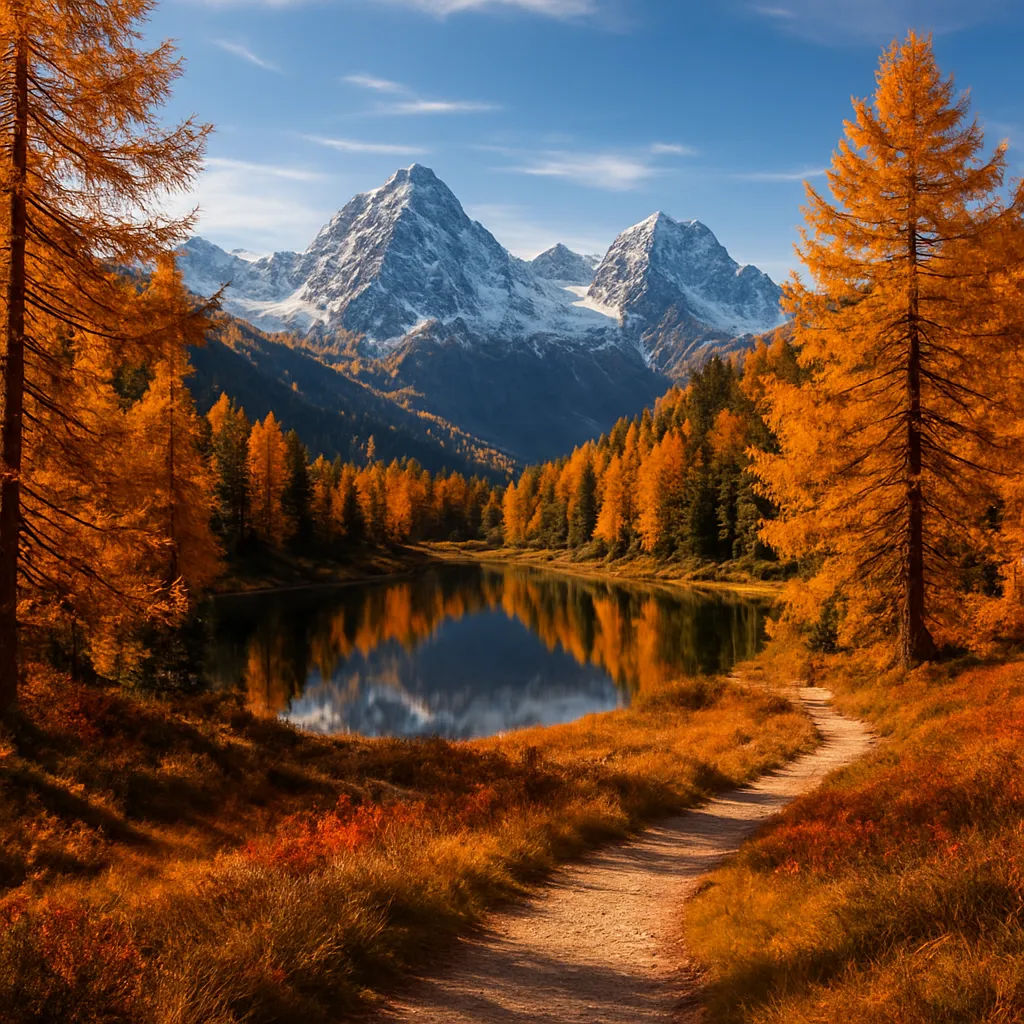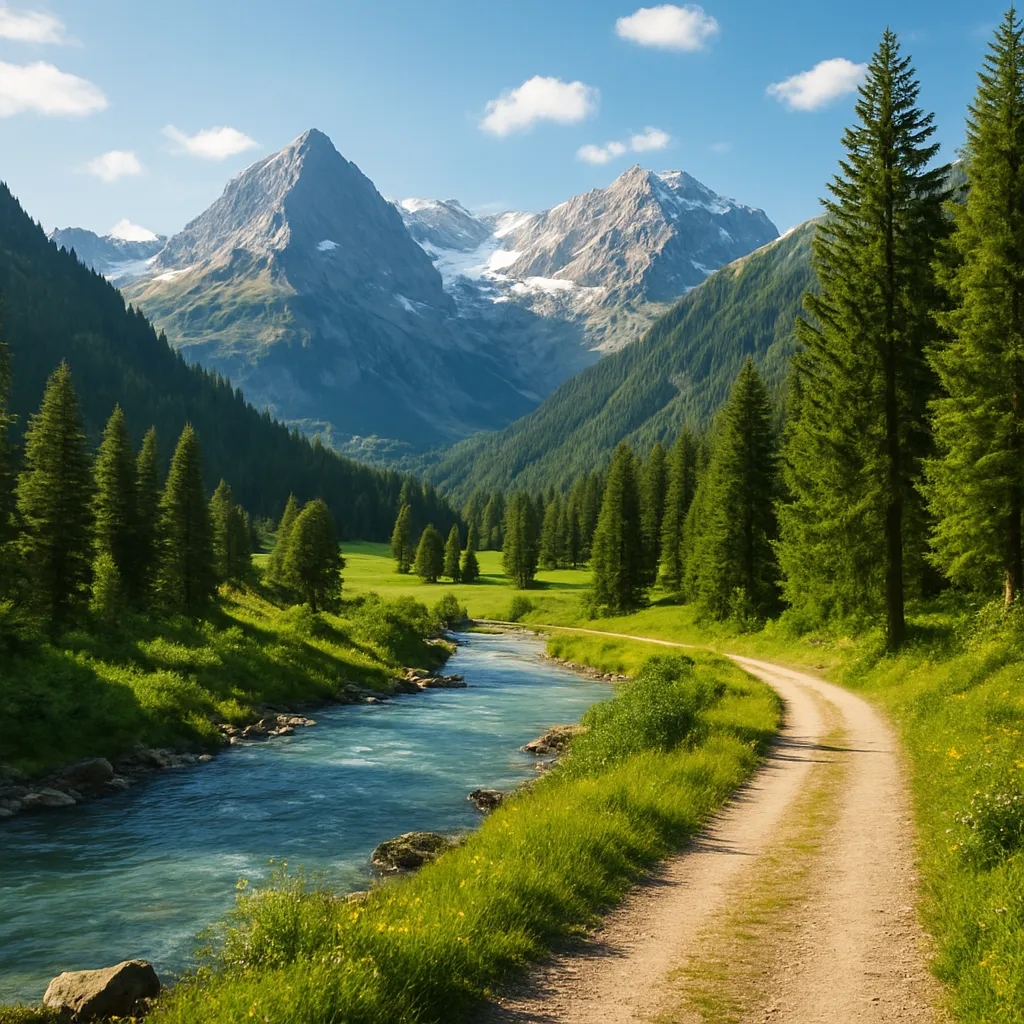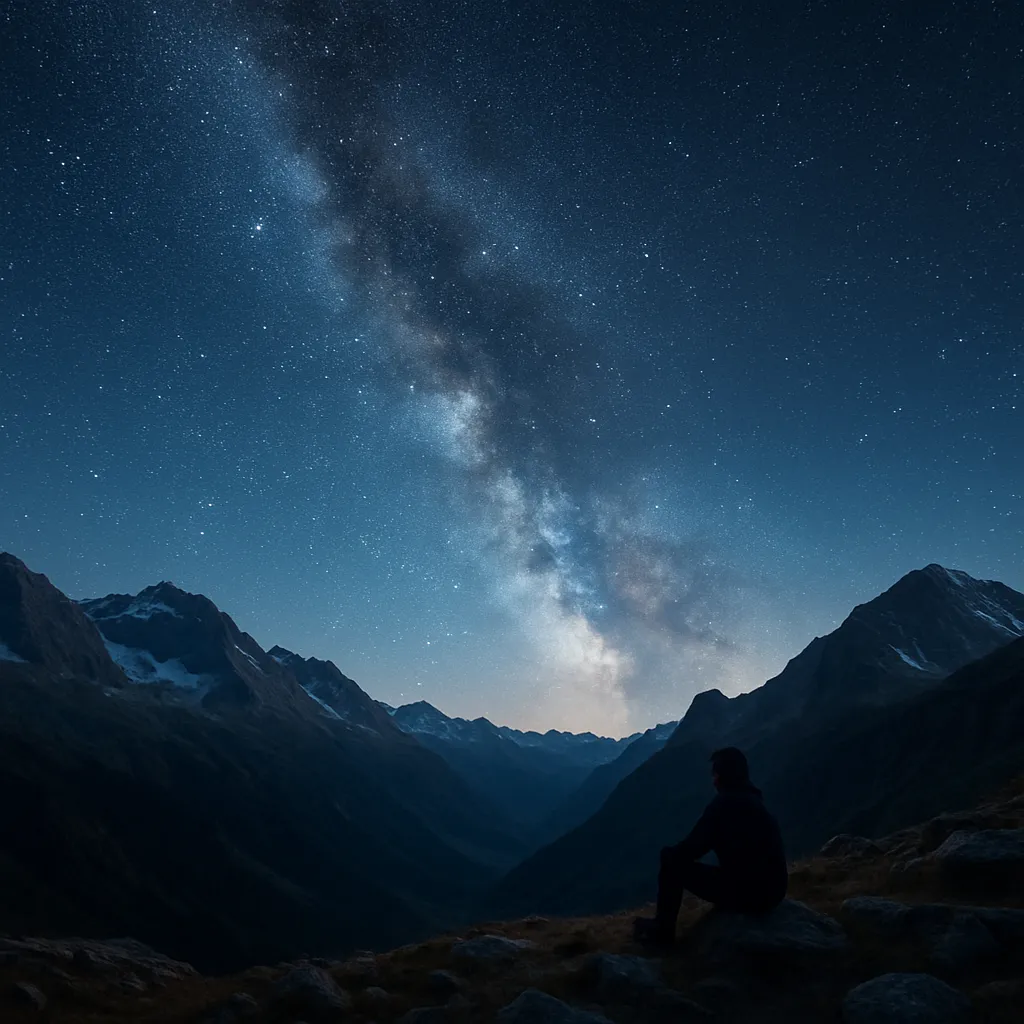
The majestic peaks of the High Alps offer more than just breathtaking vistas; they serve as an unparalleled stage for stargazing enthusiasts. Far from the glow of urban lights, the alpine environment transforms into a natural observatory, revealing the dazzling tapestry of the Milky Way and a host of constellations that often remain hidden from lowland skies. Whether you’re a seasoned astronomer or a curious traveler, the High Alps provide a unique backdrop for an unforgettable celestial show.
The High Alps: A Natural Observatory
Rising above 2,500 meters, many alpine summits lie within designated dark sky reserves, areas where strict lighting regulations preserve the integrity of the night sky. The combination of high altitude, thin atmosphere, and minimal light pollution creates conditions akin to a professional observatory. From these lofty vantage points, stars shine with sharp clarity, and planets appear as bright jewels against the black canvas of space.
Why Altitude Matters
- Transparency: Reduced air molecules and water vapor allow starlight to reach your eyes with less scattering.
- Stability: Lower atmospheric turbulence means steadier views, ideal for telescope work.
- High Contrast: The absence of haze and smog enhances the brightness difference between stars and sky background.
Dark Sky Reserves in the Alps
Several regions in the Alps have earned international recognition for their efforts in preserving night skies:
- Mont Avic Natural Park (Italy)
- Val Müstair Biosphere (Switzerland)
- Parc National des Écrins (France)
Prime Stargazing Locations in the High Alps
With peaks stretching across France, Italy, Switzerland, Austria, and Germany, the Alps abound with stargazing hotspots. Below is a selection of some of the most celebrated sites:
1. Aiguille du Midi, France
- Elevation: 3,842 meters
- Access: Cable car from Chamonix
- Highlights: Panoramic views of Mont Blanc and low atmospheric interference for astronomy sessions.
2. Gornergrat, Switzerland
- Elevation: 3,089 meters
- Access: Gornergrat Railway from Zermatt
- Highlights: Direct view of the Matterhorn; on-site observatory with guided night tours.
3. Stubai Glacier, Austria
- Elevation: 3,210 meters
- Access: Cable car from Neustift
- Highlights: Glacier plateau offers open horizons; ideal for wide-field photography of the Milky Way.
4. Passo dello Stelvio, Italy
- Elevation: 2,757 meters
- Access: Scenic drive or cycling route
- Highlights: Low visitor numbers at night, so skies remain exceptionally dark.
5. Grossglockner High Alpine Road, Austria
- Elevation: 2,504 meters
- Access: By car or bike
- Highlights: Multiple parking areas designated for overnight stays; clear views towards both east and west horizons.
Tips for an Unforgettable Stargazing Experience
Embarking on a night under alpine skies requires some preparation. Follow these guidelines to maximize comfort and maximize your chance of a spectacular show:
Plan According to Weather and Moon Phase
- Check local forecasts for cloud cover; clear nights are essential.
- Avoid full moon periods; its bright light can wash out faint stars and the Milky Way.
- Opt for new moon or crescent phases for peak darkness.
Acclimatize to the Altitude
- Spend a day or two at intermediate elevations to reduce altitude sickness risk.
- Stay hydrated and avoid heavy meals before heading to the summit at night.
Dress in Layers
- Temperatures can plunge drastically after sunset—carry a windproof jacket, thermal base layers, and insulated gloves.
- Bring a warm hat and sturdy boots suitable for rocky terrain.
Essential Gear and Best Times
Whether you aim to observe with the naked eye or capture celestial wonders through a lens, assembling the right equipment is key.
Basic Stargazing Kit
- Headlamp with red filter to preserve night vision
- Comfortable reclining chair or lightweight folding mat
- Binoculars or small telescope for enhanced views
- Star chart app or paper planisphere to identify constellations
Photography Essentials
- Digital camera with manual settings and high ISO capability
- Wide-angle lens (14–24mm) with large aperture (f/2.8 or lower)
- Sturdy tripod and remote shutter release to minimize vibrations
Best Times of Year
While alpine stargazing is possible year-round, some seasons hold distinct advantages:
- Summer: Milder nights and longer twilight hours; perfect for combined hiking and stargazing trips.
- Autumn: Crisp air and early nightfall reveal the Milky Way core in spectacular detail.
- Winter: Deep freezes often clear out clouds, but extreme cold demands extra precaution.