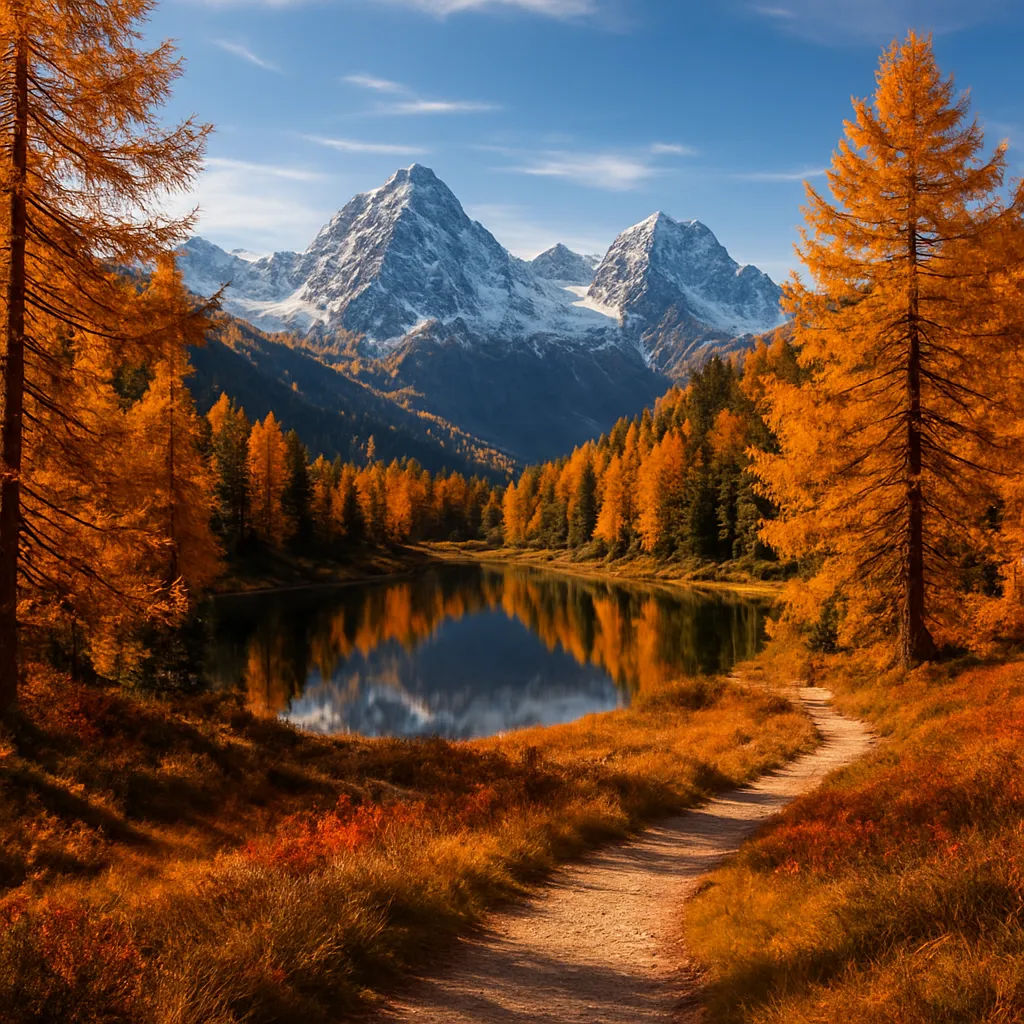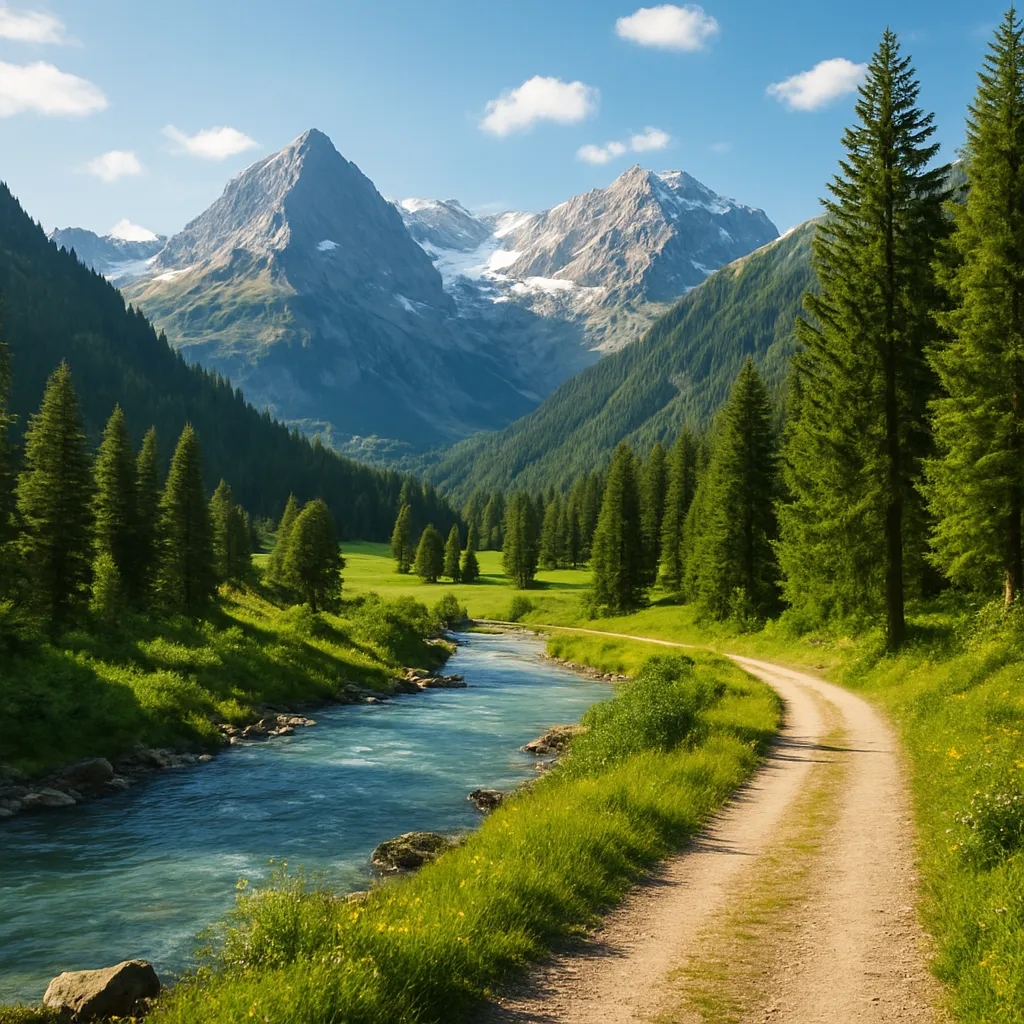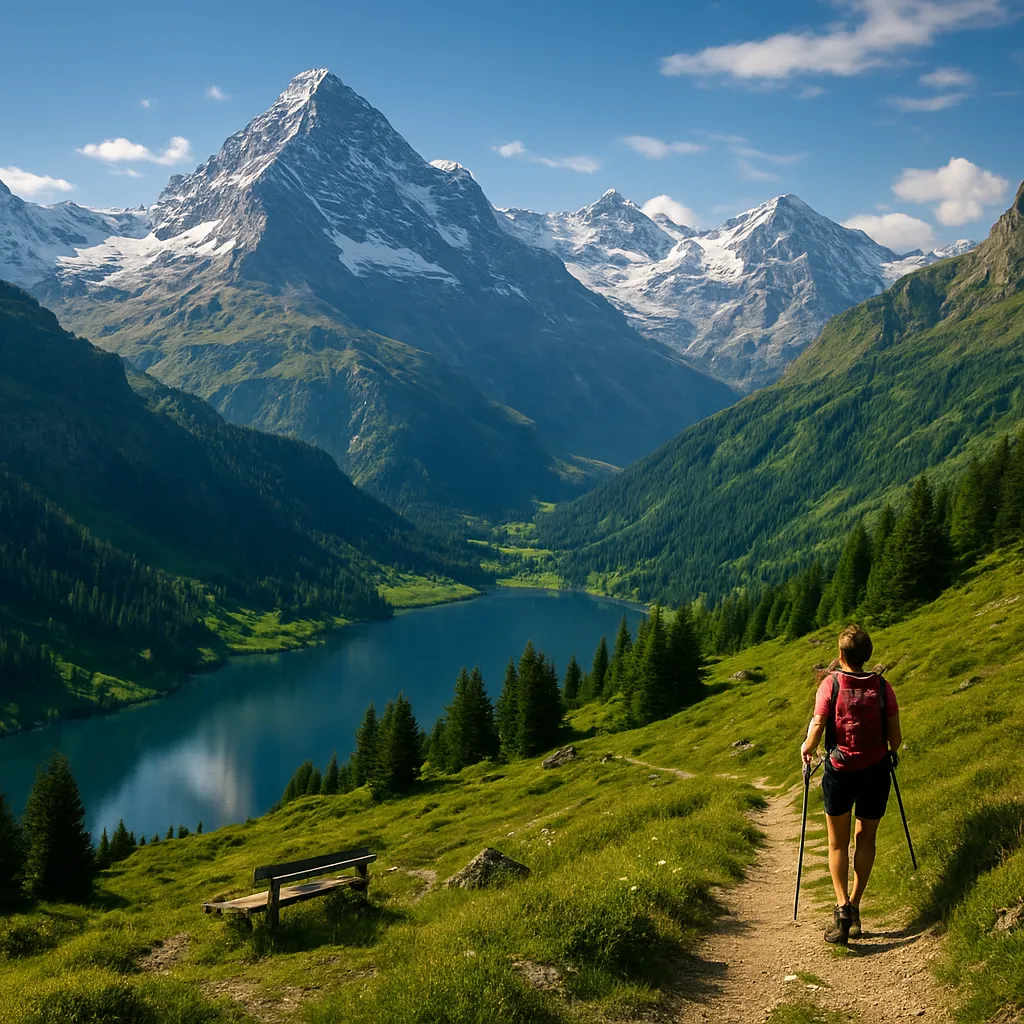
The majestic mountain range that stretches across Central Europe has long captivated the imagination of explorers, artists, and adventurers. Rising high above the surrounding plains, this complex system of peaks and valleys is a testament to the raw power of nature. From snow-capped summits to lush alpine meadows, the region offers a tapestry of landscapes that inspire awe and beckon travelers from around the world.
The Geological Majesty of the Alps
The Alps were formed over tens of millions of years through the collision of tectonic plates. This slow but relentless process gave birth to an intricate network of peaks and ridges that now define the skyline of several European countries. Among the most famous summits are Mont Blanc and the Matterhorn, each standing as an emblem of the range’s grandeur.
Glaciers, once ubiquitous, carved deep valleys and shaped the rugged terrain. Although many of these glaciers have receded since the 19th century, their legacy remains visible in the sharp aretes and U-shaped valleys scattered throughout the region. Hiking trails often follow ancient glacial paths, allowing visitors to witness rock formations and moraine deposits that tell a story of a colder, ice-dominated past.
Under the surface, the Alps conceal vast layers of limestone, granite, and schist. Karst phenomena—such as caves, sinkholes, and underground rivers—create a hidden underworld. Explorations into these subterranean realms reveal an extensive network of passages, some stretching for miles. Speleologists and geologists venture into the darkness, uncovering rare mineral deposits and endemic cave-dwelling species.
Rich Biodiversity and Ecosystems
From the snowline to the foothills, the Alps host a remarkable variety of habitats. Alpine meadows bloom with vibrant wildflowers during summer, while dense coniferous forests cloak the lower slopes in deep green. This diversity supports an array of wildlife, including ibex, chamois, and the elusive bearded vulture.
- Biodiversity: Over 30,000 plant species, from hardy saxifrages to delicate orchids, flourish across different elevations.
- Habitats: Wetlands, peat bogs, and high-altitude lakes provide breeding grounds for amphibians and migratory birds.
- Conservation: Protected areas like the Gran Paradiso National Park and Berchtesgaden National Park safeguard fragile ecosystems.
Seasonal changes bring dynamic shifts. In spring, melting snow feeds rivers and streams, creating a network of waterways that flow into major European river systems, such as the Rhine and the Po. These waters support freshwater fish, including salmon and trout, which spawn in gravel beds carved by centuries of erosion.
Cultural Heritage and Mountain Communities
The villages that dot the Alpine foothills are living museums of centuries-old traditions. Charming hamlets feature wooden chalets embellished with intricate carvings, while stone farmhouses cling to steep slopes. Many communities celebrate an agricultural calendar marked by seasonal festivals.
Local artisans craft goods using time-honored methods. Skilled woodworkers produce elaborately painted clock faces and traditional heritage items, while cheesemakers perfect recipes passed down through generations. Alpine dairy products, such as aged mountain cheese and creamy butter, have become culinary icons.
Folklore and music play a vital role in community life. During summer festivals, villagers don folk costumes and perform yodeling, an ancient vocal style once used for communication across deep valleys. These events draw tourists eager to experience authentic customs and support local villages.
Alpine Sports and Outdoor Adventures
The Alpine landscape invites a wide range of recreational activities year-round. Winter transforms the region into a skiing paradise, with world-renowned resorts offering slopes for every level of expertise. Whether practicing classic cross-country skiing or testing skills on challenging downhill runs, enthusiasts find endless opportunities to glide over fresh powder.
- Skiing: Legendary destinations such as Chamonix and Zermatt host international competitions and attract athletes seeking high-altitude training.
- Hiking: Well-marked trails, like the Tour du Mont Blanc, span hundreds of kilometers and traverse diverse terrain.
- Rock climbing and via ferrata routes enable climbers to ascend vertical walls with the security of fixed cables and ladders.
When the snow melts, valleys open up to hiking and mountain biking routes. Lakes fed by snowmelt offer refreshing swims, kayaking, and paddleboarding. For more adrenaline-charged pursuits, paragliding flights launch from cliffs, providing panoramic vistas of the alpine panorama below.
Alpinism remains a pinnacle discipline. Guided expeditions support novice climbers aiming to reach summits such as the Eiger North Face or Monte Rosa. These adventures demand technical skill, physical endurance, and respect for the mountain’s unforgiving conditions.
Sustainable Tourism and Environmental Challenges
Increasing visitor numbers pose both opportunities and threats. While tourism boosts local economies, it also places pressure on fragile ecosystems. Mass transportation networks, ski-lift installations, and hotel developments risk disrupting wildlife corridors and accelerating glacial retreat.
Efforts to promote sustainability have grown. Many resorts implement renewable energy sources, including solar panels and biomass heating systems. Public transportation options, such as efficient rail connections and electric shuttle buses, reduce car traffic in sensitive areas.
Conservation organizations collaborate with local authorities to monitor environmental impacts. They track changes in snowpack levels, glacial mass balance, and vegetation shifts driven by rising temperatures. Educational initiatives encourage visitors to follow “leave no trace” principles and respect protected zones.
Adaptive management strategies aim to balance recreational use with preservation. By limiting access to overcrowded trails, enforcing seasonal restrictions, and investing in habitat restoration, the alpine community works to ensure that future generations can continue to revel in the extraordinary beauty of Europe’s great mountain playground.