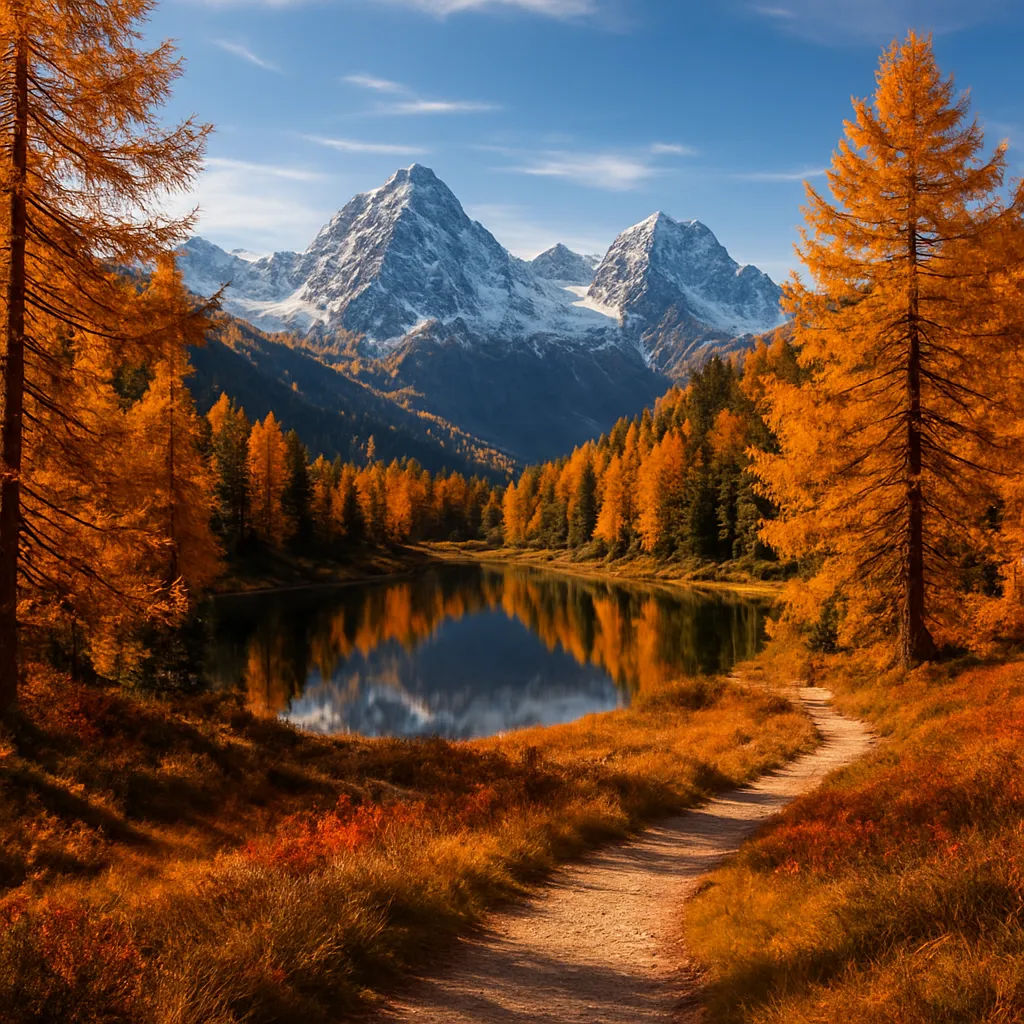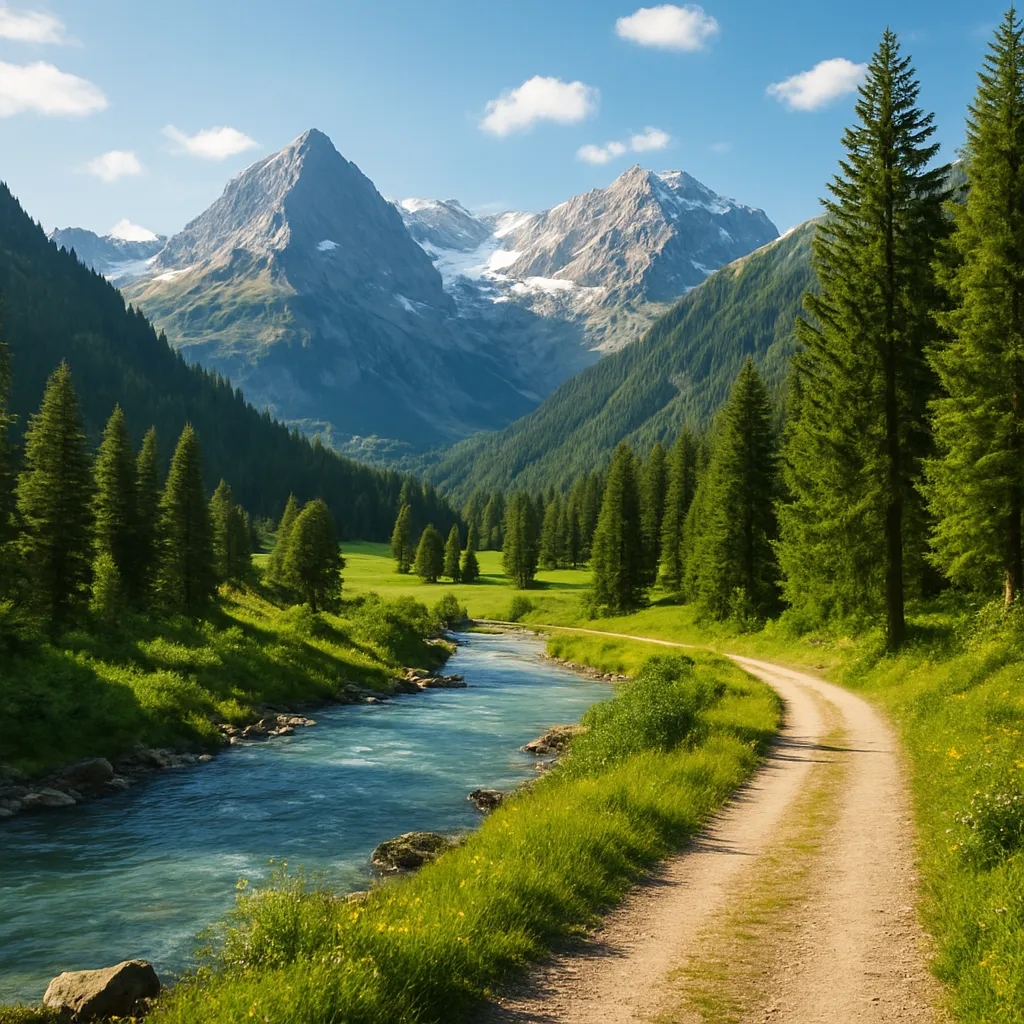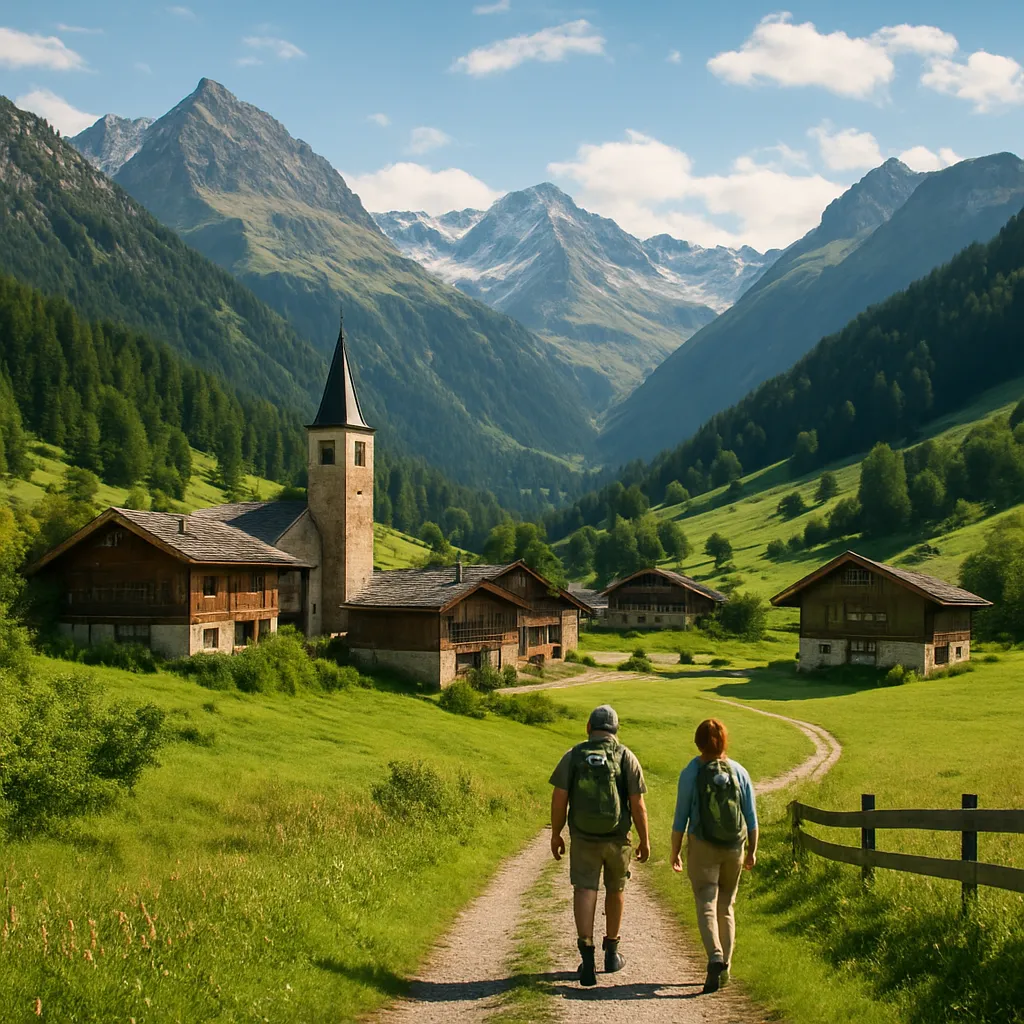
The Alpine region captivates visitors with its soaring peaks, lush valleys, and crystal-clear streams. This delicate mountain environment requires careful attention to preserve its unique flora and fauna and to sustain the well-being of local inhabitants. By embracing innovative strategies and fostering collaboration among stakeholders, travelers and residents alike can ensure that the Alps remain a thriving destination for generations to come.
Understanding Alpine Ecosystems and Challenges
Geography and Climate Variability
The Alps stretch across eight countries, forming a complex network of ridges and basins. Elevations range from rolling foothills to summits exceeding 4,000 meters. This vertical diversity creates microclimates that host a wealth of biodiversity. However, rising temperatures and unpredictable weather patterns pose escalating risks. Glacial retreat, shifting snowlines, and increased frequency of extreme events such as avalanches and landslides threaten both natural habitats and human settlements.
Vulnerable Species and Habitats
Alpine habitats support rare plants and animals that have adapted to harsh conditions. Species like the Alpine ibex and edelweiss are icons of mountain conservation. Nonetheless, these organisms face pressure from habitat fragmentation, invasive species, and unsustainable development. Protecting ecological corridors and maintaining genetic diversity are essential steps in reinforcing ecosystem resilience. Monitoring programs and citizen science initiatives can help track changes in population dynamics and alert authorities to emerging threats.
Promoting Community-Led Sustainable Practices
Empowering Local Stakeholders
Residents of Alpine villages possess intimate knowledge of their surroundings, making them key partners in crafting effective conservation measures. Establishing cooperative networks brings farmers, hoteliers, park rangers, and artisans together to share best practices. Small grants and training programs can support the adoption of renewable energy technologies such as micro-hydropower, solar arrays, and biomass heating. When locals lead initiatives, they cultivate a sense of ownership and pride that transcends fleeting trends.
Green Infrastructure and Waste Management
Developing sustainable infrastructure is vital to minimize environmental footprints. Eco-friendly lodgings use passive heating, rainwater harvesting, and locally sourced materials. Trail design that incorporates permeable surfaces and erosion control safeguards fragile soils. Robust waste management plans, including recycling centers and composting facilities, prevent pollution of rivers and meadows. Education campaigns tailored to visitors encourage proper disposal of waste and respect for protected zones.
- Installation of community-scale solar panels
- Upgrading public transit with electric buses
- Establishment of zero-waste markets and refill stations
- Development of multi-use trails to reduce habitat disturbance
- Promotion of traditional farming practices to maintain open landscapes
Innovations and Strategies for Sustainable Tourism
Ecotourism Models and Certification
Green certification programs, such as those endorsed by international organizations, offer benchmarks for operators aiming to reduce their environmental impact. By meeting criteria related to energy use, water conservation, and community engagement, businesses earn credibility among conscientious travelers. Collaborations between certifying bodies and local authorities can streamline the application process and facilitate knowledge transfer.
Sustainable Transportation and Visitor Management
Reducing the carbon footprint of Alpine tourism requires a shift toward low-emission mobility options. Regional rail links, electric shuttle services, and bike-share schemes make it easier for visitors to explore without a private car. Pricing incentives, such as integrated travel cards, encourage the use of public transport. Real-time monitoring of trail usage helps authorities implement crowd-control measures, preserving serenity during peak seasons.
Leveraging Technology and Research
Advanced tools, such as satellite imaging and IoT sensors, enhance our understanding of environmental changes. Data on snowpack levels, flora phenology, and wildlife movements inform adaptive management plans. Mobile apps can guide hikers along designated paths, reducing off-trail excursions that damage sensitive vegetation. Virtual reality experiences offer an alternative form of engagement, potentially decreasing high-impact foot traffic in the most fragile areas.
Protecting Cultural Heritage and Traditions
Valuing Intangible Assets
The Alps are not only a natural treasure but also a living repository of customs, languages, and craftsmanship. Alpine chalets, woodcarving, and folk music exemplify the region’s rich heritage. Encouraging cultural exchanges and supporting local festivals strengthen social cohesion. Tourists gain deeper appreciation for mountain life when they participate in workshops led by artisans and farmers.
Integrating Culture with Conservation
Conservation efforts that incorporate cultural values resonate more strongly with communities. For example, sponsoring traditional grazing practices helps maintain open meadows—a habitat crucial for many alpine species. Storytelling trails blend natural interpretation with historical narratives, fostering a holistic understanding of the landscape. By aligning ecological goals with cultural identity, stakeholders ensure that preservation strategies reflect the community’s aspirations and histories.
Collaborating Across Borders for Lasting Impact
Transnational Partnerships
The Alpine territory transcends national boundaries, necessitating coordinated efforts among France, Switzerland, Italy, Austria, Germany, Slovenia, Liechtenstein, and Monaco. Forums such as the Alpine Convention facilitate policy alignment on issues ranging from air quality to sustainable forestry. Cross-border tourism packages promote balanced visitation and reduce pressure on single hotspots.
Funding and Policy Frameworks
European Union funds, alongside national and regional subsidies, provide financial incentives for sustainable projects. Public-private partnerships channel investments into rural development and ecosystem restoration. Policymakers can further encourage green business models by enacting tax breaks for eco-certified accommodations and transport operators. Continuous dialogue between legislators, scientists, and community representatives ensures that regulations remain responsive to evolving challenges.
Encouraging Responsible Travel Behavior
Educating and Inspiring Tourists
Awareness campaigns in airports, train stations, and online platforms can highlight simple steps every visitor can take to reduce their conservation footprint. Packing reusable water bottles, choosing locally owned eateries, and respecting wildlife viewing guidelines all contribute to preserving the alpine experience. Story-driven communications that evoke the mountains’ majesty often resonate more than technical briefs.
Building a Global Support Network
Social media communities and travel bloggers play a pivotal role in spreading best practices. Hashtags that celebrate low-impact adventures or feature local heroes help create a global movement. When travelers share stories of hikes powered by solar lifts or farm-to-table dinners, they inspire peers to seek out similarly responsible experiences. Collective momentum can transform isolated initiatives into widespread trends.
By integrating ecological science, cultural awareness, and innovative technologies, stakeholders can forge a path toward sustained prosperity in Alpine communities. Every trekker, entrepreneur, and policymaker has a part to play in safeguarding the mountains’ pristine beauty while uplifting local livelihoods. The future of Alpine tourism depends on a shared commitment to stewardship, respect, and collaboration.