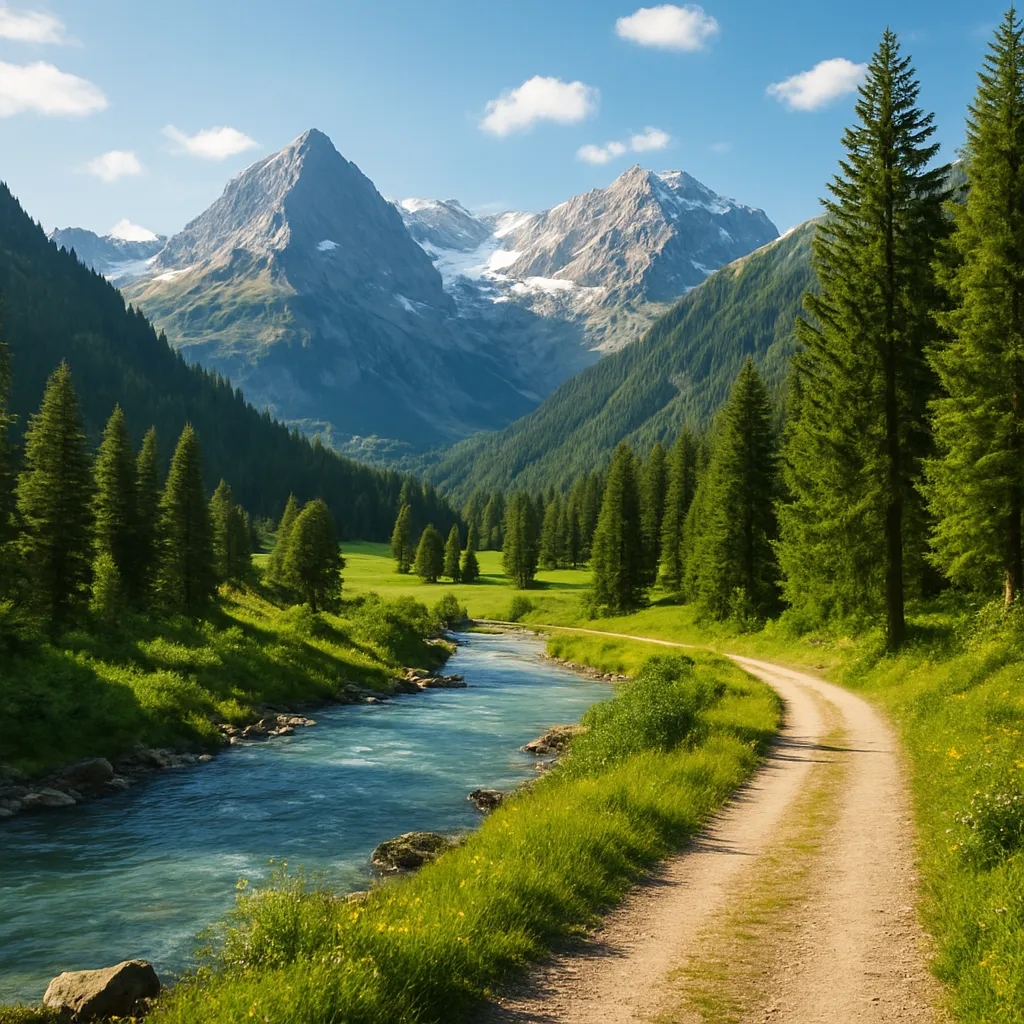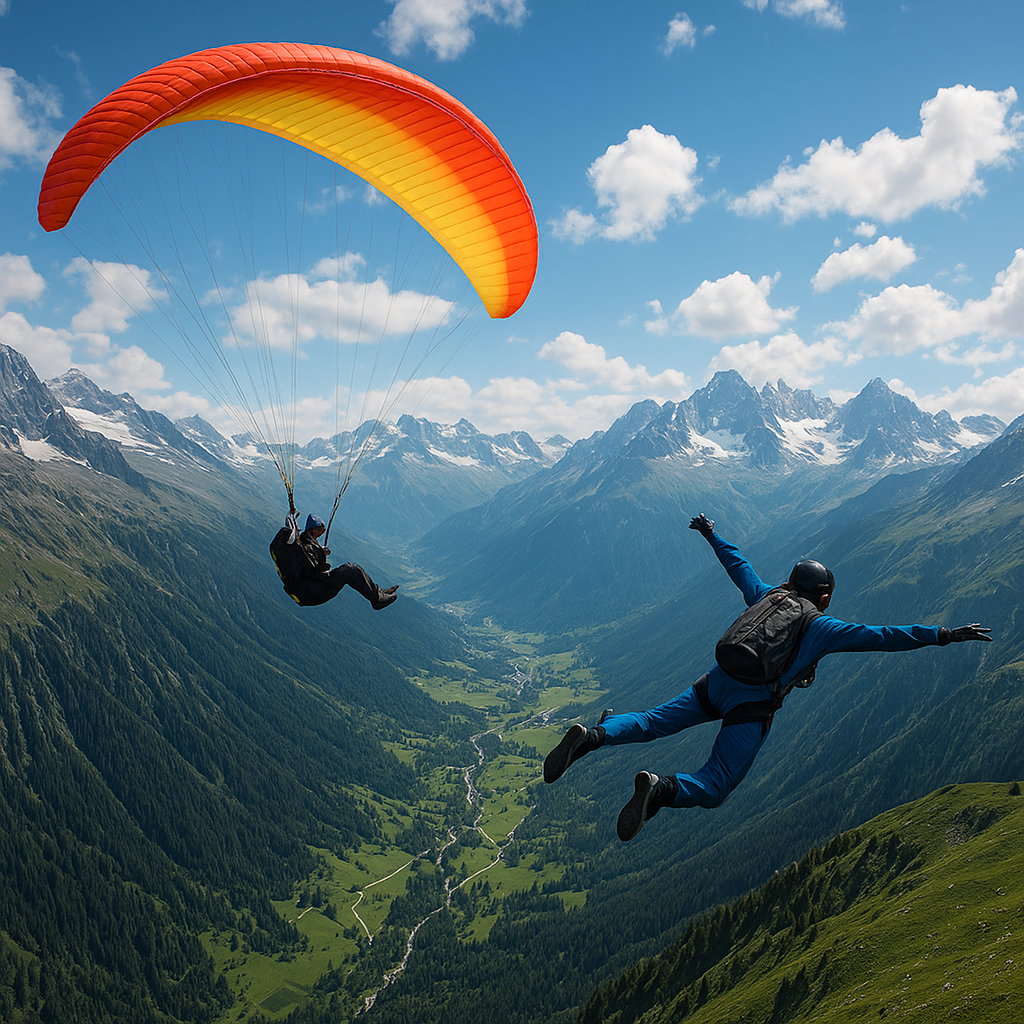
The Alps stand as Europe’s most iconic mountain range, offering breathtaking vistas and a playground for thrill-seekers. Paragliding and skydiving here combine the raw beauty of snow-capped peaks with the pulse-pounding rush of free flight. Whether you’re an adrenaline junkie or simply seeking a bucket-list experience, understanding the nuances of altitude, weather, and safety is essential. This guide will walk you through the key steps to enjoy paragliding and skydiving in the Alps with confidence and respect for the mountains.
Choosing the Right Location
Popular Alpine Regions
From the spectacular Matterhorn in Switzerland to the towering Mont Blanc on the French-Italian border, certain valleys and plateaus have earned reputations as paragliding and skydiving meccas. Consider these:
- Zermatt (Switzerland): Perfect launch points above 3,000 meters, panoramic views of the Matterhorn.
- Chamonix (France): Gateway to Mont Blanc, excellent for tandem skydives and high-altitude jumps.
- Interlaken (Switzerland): Central location, many professional flight schools, reliable thermals for paragliding.
- Innsbruck (Austria): Surrounded by the Nordkette peaks, a hot spot for aerial sports year-round.
Access and Infrastructure
When selecting a site, check for:
- Proximity to airports or helipads for skydiving drop zones.
- Availability of certified paragliding schools and accommodation nearby.
- Ease of transportation—cable cars, mountain roads, shuttle services.
Prioritize regions with multiple operators to compare prices, read reviews, and ensure you book with a certified team.
Essential Training and Preparation
Ground School and Theory
Before you ever leave the ground, familiarize yourself with:
- Basic principles of flight: lift, drag, and turbulence.
- Weather patterns specific to high-altitude mountains.
- Emergency procedures, including reserve chute deployment (for paragliding).
Most reputable schools in the Alps will include a two- to three-hour classroom session covering aerodynamics, risk assessment, and local regulations.
Practical Flight Sessions
Hands-on instruction typically involves:
- Tandem flights where you fly with an experienced instructor.
- Gradual progression from low-altitude to high-altitude jumps.
- Specific drills: canopy control, understanding uplift zones, and safe landing techniques.
Commit to at least three tandem flights or jumps before attempting solo maneuvers. This builds confidence and ensures you’re comfortable with gear like the harness and altimeter.
Safety Measures and Equipment
Choosing Quality Gear
Whether paragliding or skydiving, your equipment must meet stringent standards:
- Paragliders: wings certified by EN or LTF classes, suited to your skill level.
- Skydiving rigs: main and reserve canopies, automatic activation devices (AAD), and reliable altimeters.
- Protective wear: helmets, goggles, and insulated clothing for Alpine temperatures.
Inspect your gear before every flight. Look for fabric wear, frayed lines, or any sign of damage. Always pack and repack parachute systems under an instructor’s supervision.
Weather and Altitude Considerations
Mountain weather can shift rapidly. Key factors to monitor:
- Wind speed and direction at various elevations.
- Cloudbase height and potential for thermals.
- Temperature gradients—expect a drop of roughly 6.5°C per 1,000 meters.
Use local METAR reports and consult with airport flight service stations. If conditions look unstable—high gusts, cumulus buildups, or incoming fronts—postpone your adventure.
Experience Highlights and Tips
Maximizing the Scenic Value
A major draw of Alpine flights is the unmatched panoramic scenery. For paragliders, early morning launches often coincide with glassy air conditions and soft sunlight bathing the ridges. For skydivers, coordinate jump runs to align with clear visibility windows.
- Choose a south-facing launch ridge for optimal light and view.
- Use a camera mount or GoPro to capture the entire descent.
- Discuss custom exit points with your drop zone to skirt famous peaks and glaciers.
Health and Fitness
Flying at high altitude places extra demands on your body:
- Hydrate well before and after each session to guard against altitude sickness.
- Maintain cardiovascular fitness to handle stress during canopy control or freefall.
- Consider light warm-up exercises before boarding the jump plane or setting up the wing.
Avoid alcohol, heavy meals, or strenuous hiking immediately prior to your flight to reduce fatigue and maintain clear judgment.
Local Regulations and Insurance
Every Alpine country enforces its own aviation rules:
- Obtain a valid license or proof of tandem training, depending on the flight type.
- Secure third-party liability insurance—often mandatory for air sports in Europe.
- Register your flight plan with local authorities when required, especially in restricted zones.
Working with established operators ensures compliance and provides an added layer of safety.
Embarking on a paragliding or skydiving adventure in the Alps is an unforgettable blend of natural wonder and high-octane excitement. By choosing the right locations, investing in thorough training, respecting weather patterns, and equipping yourself properly, you’ll transform a daring idea into a thrilling, safe experience among Europe’s grandest peaks.