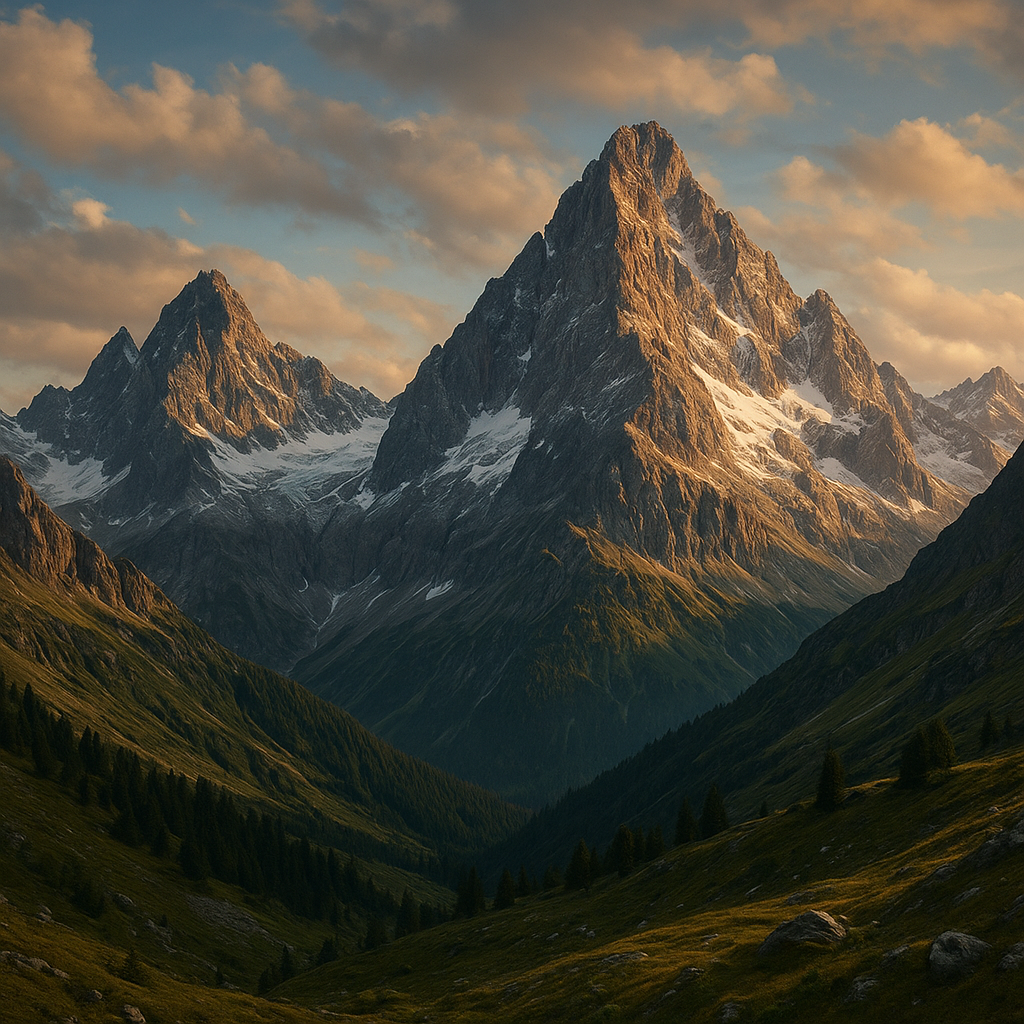
The high peaks of the Alpine range have inspired generations of storytellers, explorers, and nature lovers. From the earliest villagers who saw spirits dancing on glacial ice to modern climbers striving for the highest Summit, the Alps represent a blend of raw beauty, living Legends, and urgent ecological challenges. Their towering silhouettes shape not only the landscape but also the hearts and minds of all who encounter them.
Mythical Origins of Alpine Peaks
Ancient Tales of Mountain Spirits
Long before maps and compasses reached the valleys, local communities passed down stories of mysterious beings dwelling among the limestone crags. In one well-known myth, a hidden tribe of frost maidens summoned sudden blizzards to protect their icy realm. These spectral guardians, often referred to as the Eternal Vigil, were said to appear on moonlit nights, cloaked in swirling snow and shimmering like shards of glass. Travelers reported hearing distant laughter echoing through rock chambers, a sign that the mountain spirits had accepted—or perhaps tested—their bravery.
Underworld Gateways and Guardian Deities
Some legends describe ancient caves as portals between the human world and a hidden underworld. One Alpine tale speaks of a subterranean kingdom ruled by an ancient deity of fire and stone. Locals believed that offerings of honey and wine placed at cave entrances ensured safe passage for shepherds and hunters. Over time, these rites evolved into elaborate festivals celebrating the balance between elemental forces: fire, ice, earth, and wind.
Human Endeavors and Cultural Impact
First Summits and Exploration
The drive to conquer the highest Peaks in the Alps began in earnest during the Enlightenment. In 1786, Jacques Balmat and Dr. Michel Paccard made the first recorded ascent of Mont Blanc, igniting an age of lofty ambition. Their daring expedition inspired countless Adventures, with climbers forming clubs dedicated to charting new routes. The golden age of exploration saw the first successful climbs of the Matterhorn, the Eiger, and many lesser-known summits. Each triumph was carefully documented, fueling public fascination and ushering in the era of alpine tourism.
Local Traditions and Festivals
Beyond mountaineering, the Alps bristle with vibrant Culture. In spring, villagers celebrate the return of grazing cattle with colorful processions and cowbell concerts. Summer brings music festivals on high-altitude stages, where folk bands perform amidst panoramic views. Autumn sees harvest rituals that honor the mountain’s bounty, from cheese-making fairs to wine tastings in terraced vineyards. These events weave ancient beliefs with modern customs, ensuring that the mountain spirit remains alive in daily life.
- Feast of the Goat Herd (January): Blessing of the flocks
- Alpine Horn Festival (June): Traditional horns echoing through valleys
- Cheese Boat Parade (September): Floats shaped like giant wheels of cheese
- Harvest Lantern Walk (October): Illuminating trails in memory of past explorers
Natural Wonders and Conservation Efforts
Glacial Landscapes and Alpine Flora
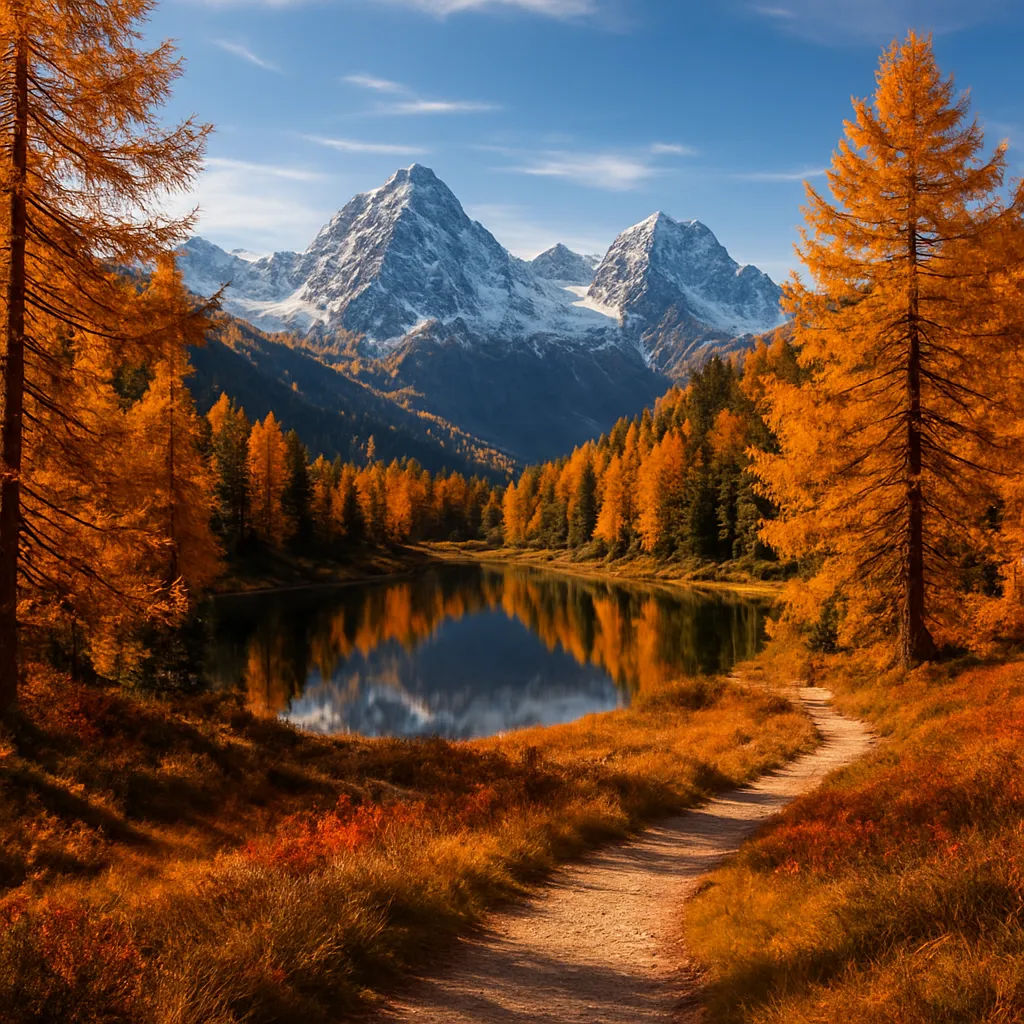
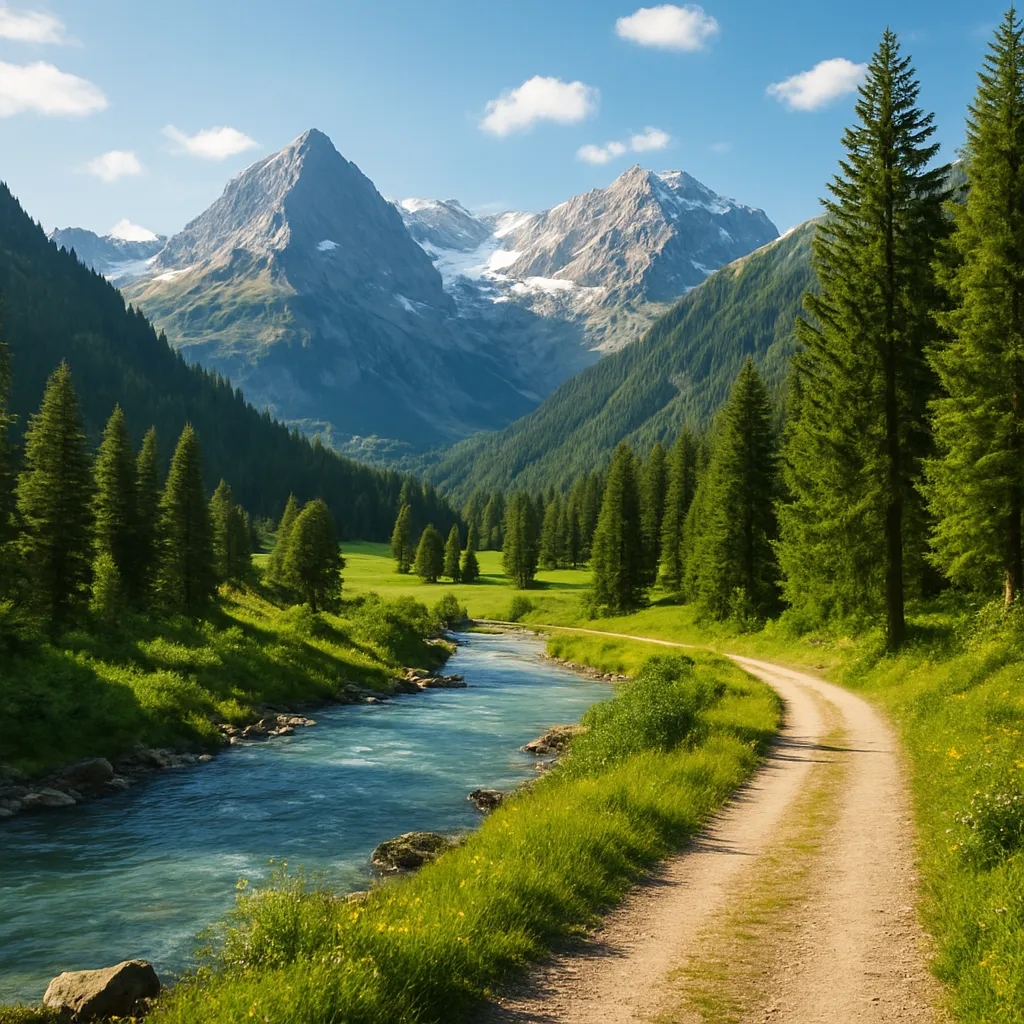
The Alps are famed for their glittering Glaciers, rocky ridges, and emerald meadows dotted with wildflowers. High-altitude ponds mirror snowy summits, creating idyllic reflections that photographers chase at dawn. Between rocks, delicate edelweiss and alpine rose cling to life, showcasing remarkable adaptations to cold and wind. The region’s Biodiversity extends to alpine ibex, chamois, and marmots, all perfectly attuned to dramatic temperature swings and thin air.
Challenges of Environmental Change
In recent decades, warming temperatures have accelerated glacier melt and altered precipitation patterns. Scientists monitor recession rates with drones and sensors, sounding alarms as once-mighty ice fields shrink year by year. Melting permafrost threatens cliff stability, increasing the risk of rockfalls that endanger hikers and villages below. These developments have prompted cross-border initiatives focused on sustainable tourism and habitat restoration.
Key Conservation Measures
- Reforestation of degraded slopes to prevent erosion
- Establishment of transnational parks for wildlife corridors
- Promotion of eco-friendly lodges powered by solar and hydroelectric energy
- Trail management programs to reduce human impact on sensitive areas
- Educational campaigns highlighting the importance of snow-pack preservation
Efforts at local, national, and international levels emphasize Preservation of this unique mountain environment. Alpine research stations, staffed year-round, track changes in flora, fauna, and climate. Meanwhile, volunteers organize clean-up treks to remove debris from remote trails. Through these combined actions, the dream of future generations enjoying the same pristine vistas remains alive.