The Alps offer a breathtaking playground for photographers eager to capture the raw beauty of soaring peaks, crystalline lakes, and charming villages. With a tapestry of landscapes shifting through seasons, this mountain range presents an ever-changing canvas. Embarking on the best alpine routes for scenic photography demands careful planning, a keen eye for composition, and respect for fragile environments. In the following sections, you will discover top destinations, insider tips, and practical advice to elevate your photographic journey to the next level.
Alpenglow Over Majestic Summits
Witnessing the phenomenon of alpenglow—an ethereal reddish glow that bathes mountain peaks at sunrise and sunset—is a highlight for many. The Alps provide numerous vantage points where this light display transforms granite and limestone walls into fiery works of art.
Key Locations
- Jungfraujoch, Switzerland: Often called the “Top of Europe,” this high-altitude pass offers panoramic views of the Eiger, Mönch, and Jungfrau peaks. Arrive early to secure a spot above the ice plateau.
- Dolomite Passes, Italy: Routes such as Passo Giau and Passo Pordoi reveal jagged profiles that glow in rosy hues. The jagged spires cast dramatic shadows.
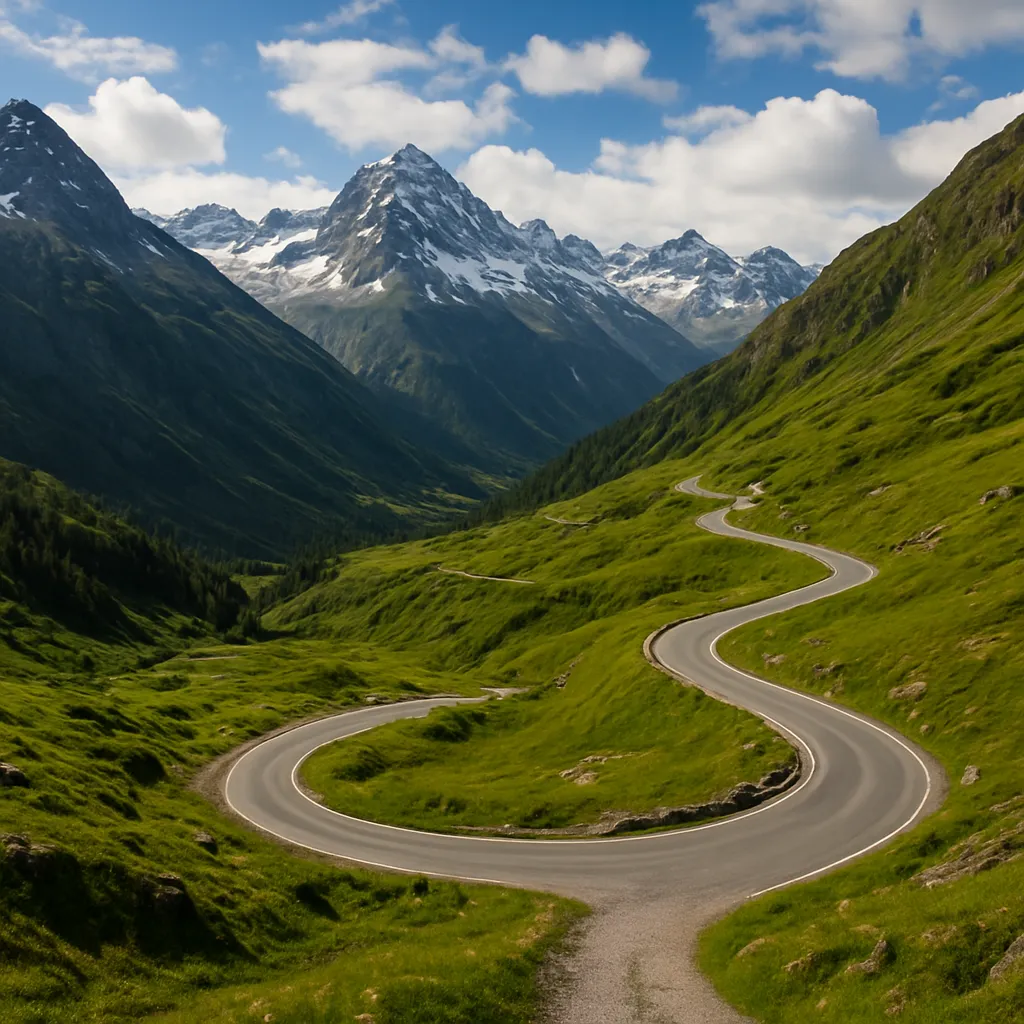
- Grossglockner High Alpine Road, Austria: This scenic drive climbs to almost 2,500 meters, providing roadside pull-outs for quick sunrise shots over the Kaiser Franz Joseph Glacier.
Technical Considerations
To maximize the impact of alpenglow, use a sturdy tripod and remote shutter release. Dial in a low ISO (100–200) and experiment with slower shutter speeds (1/4 to 1/15 sec) to capture subtle color transitions. A wide-angle lens (16–35mm) will embrace sweeping horizons, while a polarizing filter can enhance contrast between the glowing peaks and the deepening sky.
Hidden Lakes and Glacial Reflections
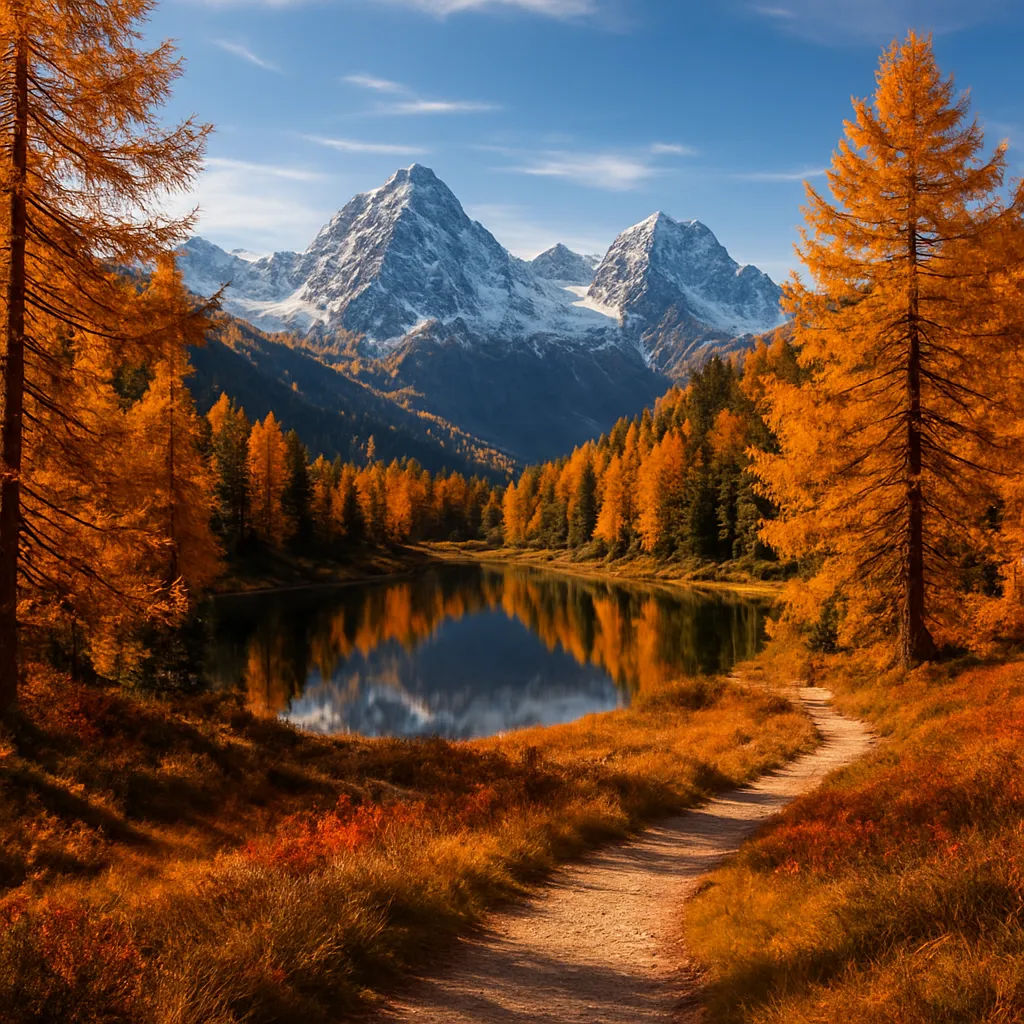
Mirror-like reflections in alpine lakes create symmetry and add a serene mood to mountain photos. Many glacial lakes remain off the beaten path, rewarding hikers and photographers with pristine settings and solitude.
Must-Visit Lakes
- Lago di Sorapis, Italy: Tucked behind jagged ridges, its turquoise waters shine under midday light. The trail—steep but well-marked—winds through pine forests.
- Lake Obersee, Germany: Near Königssee, this lesser-known glacial lake sits beneath the Watzmann massif. A short trek along the southern shore leads to iconic reflection spots.
- Lake Bachalpsee, Switzerland: Accessible from Firstbahn cable car near Grindelwald, this high-altitude lake offers mirror reflections of the Schreckhorn and Finsteraarhorn peaks.
Composition Tips
Place the shoreline along the lower third of your frame to emphasize the sky’s drama. Seek leading lines such as fallen logs or algae patterns to guide the viewer’s eye toward distant summits. Capture early light when wind is calm and waters lie undisturbed, ensuring crisp reflections. In winter, frozen surfaces add textured patterns—use a macro lens to highlight intricate ice details.
Charming Villages and Cultural Routes
Beyond dramatic peaks, alpine villages offer cultural richness and architectural charm. Cobblestone lanes, wooden chalets, and flower-laden balconies create storybook scenes illuminated by soft mountain light.
Photogenic Hamlets
- Zermatt, Switzerland: With the Matterhorn dominating the skyline, this car-free village buzzes with cobblers, cafés, and traditional farmhouses. Capture smoke rising from chimneys at sunrise for a cozy effect.
- Hallstatt, Austria: Nestled on Lake Hallstatt’s shore, its pastel houses cling to steep slopes. A viewpoint above the cemetery offers a postcard-perfect panorama.
- Chamonix, France: The bustling Mont Blanc town blends alpine architecture with modern mountaineering culture. Street-level scenes at golden hour highlight cafés against towering glaciers.
Storytelling Through People
Integrate portraits of local herders, artisans, or market vendors tending to their daily routines. Use a telephoto lens (70–200mm) to capture candid moments. Respect privacy and traditions—ask permission before photographing people at close range. Combining cultural elements with rugged landscapes yields powerful narratives of alpine life.
Essential Gear and Trail Safety
Successful alpine photography hinges on reliable equipment and prudent safety measures. Mountains present unpredictable weather, steep terrain, and fluctuating temperatures.
Recommended Equipment
- Camera Body with weather sealing to protect against mist and snow.
- Wide-angle and telephoto lenses to cover landscapes and distant peaks.
- Sturdy tripod capable of handling gusty winds.
- Polarizing and ND filters for managing glare and enabling long exposures.
- Extra batteries and memory cards stored close to the body to keep warm.
- Lightweight backpack with integrated rain cover and padded compartments for gear protection.
Safety Guidelines
Always check avalanche forecasts and weather updates before setting out. Stick to marked paths and inform someone of your itinerary. Carry navigation tools—a GPS device or offline maps—and a headlamp for early starts or unexpected delays. Layer clothing for rapid temperature shifts, and pack energy-dense snacks plus sufficient water. Respect protected zones and avoid trampling sensitive alpine flora.
Seasonal Highlights and Planning
Each season in the Alps presents unique photographic opportunities. Understanding seasonal patterns will help you schedule your trip for maximum visual impact.
Spring and Summer
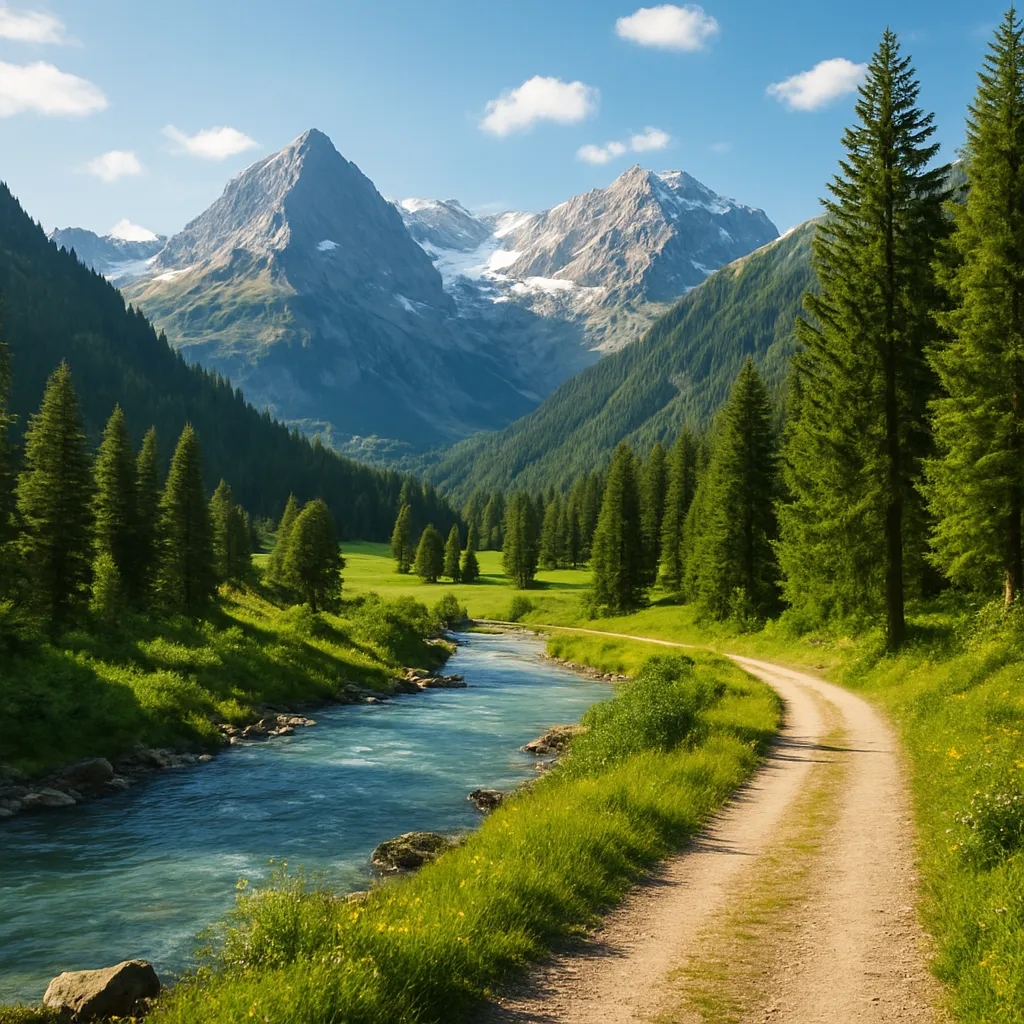
- Wildflowers bloom along trails, adding bursts of color to rocky landscapes.
- Late snowfields create dramatic contrasts against green meadows.
- Long daylight hours allow for extended golden-hour shoots.
Autumn
- Larch forests turn golden, creating a contrast with dark spruce and granite.
- Early snowfall dusts peaks, enhancing their definition against clear skies.
- Fewer crowds make it easier to compose undisturbed scenes.
Winter
- Fresh snow blankets valleys and rooftops, softening harsh lines.
- Ice formations on waterfalls and frozen lakes harbor intricate textures.
- Blue-hour shoots capture crisp silhouettes of peaks against pastel skies.
Align your trip with local festivals—such as the Almabtrieb in autumn, when cattle return to the valley adorned with floral headdresses. These events offer vibrant cultural snapshots amidst rugged backdrops.
Conclusion
Embarking on alpine routes for scenic photography is a rewarding endeavor that combines physical adventure with artistic expression. By choosing prime locations, mastering light conditions, and respecting the environment, you’ll return with images that convey the spirit of these magnificent mountains. Lace up your boots, charge your batteries, and prepare to witness the Alps in all their kaleidoscopic glory.