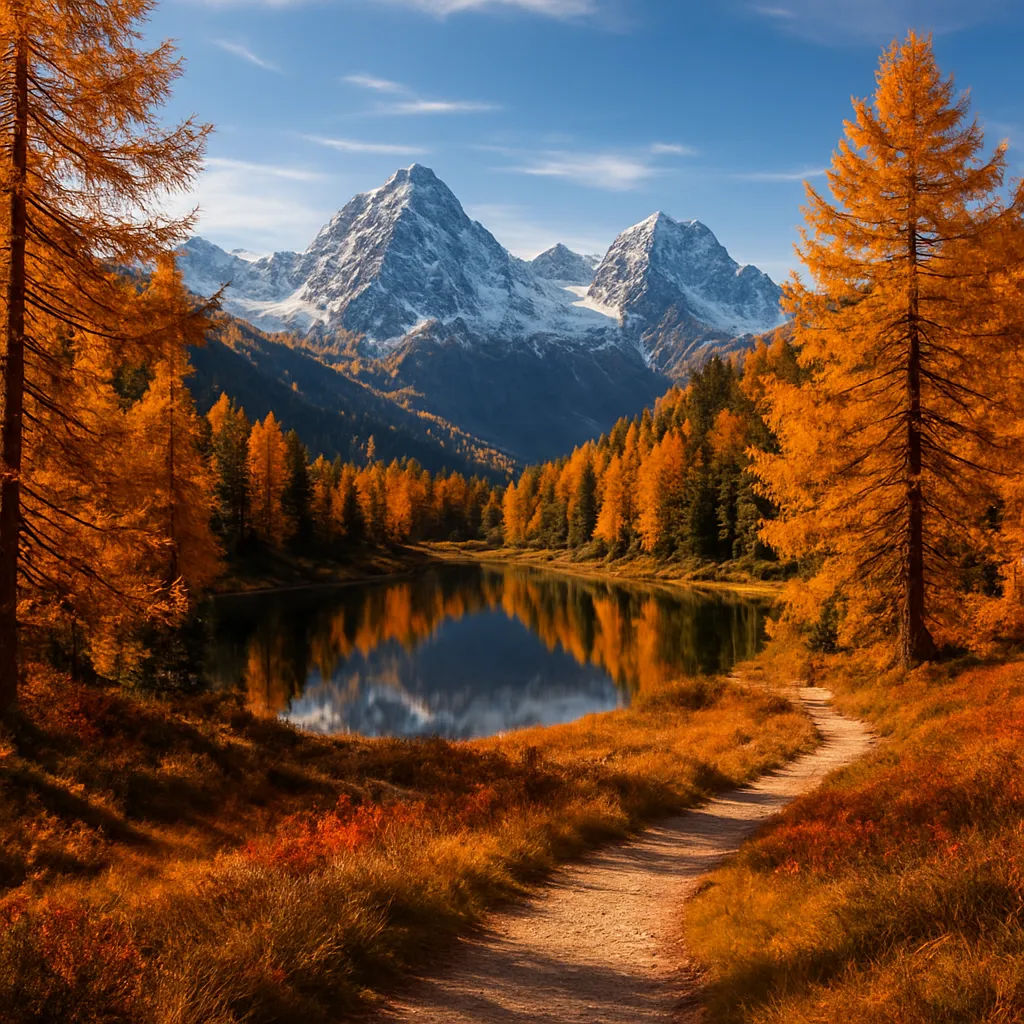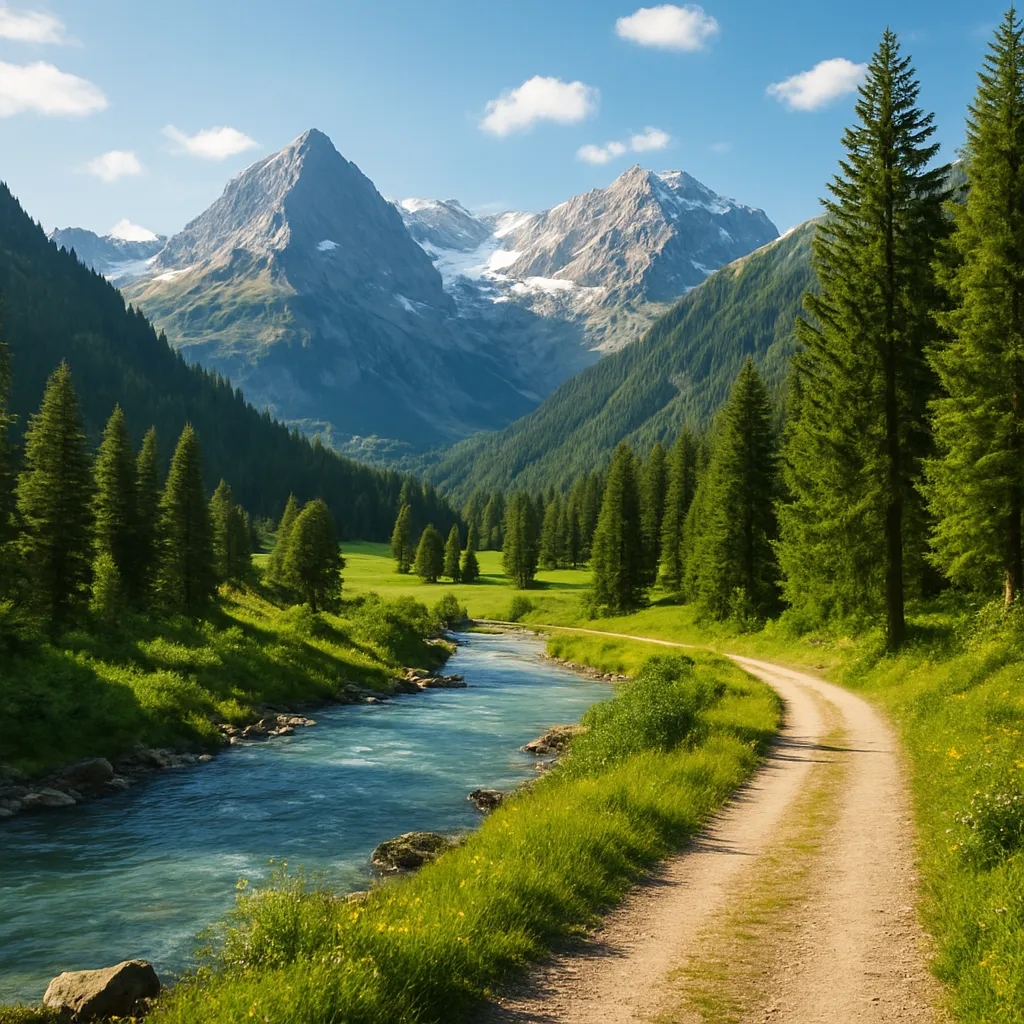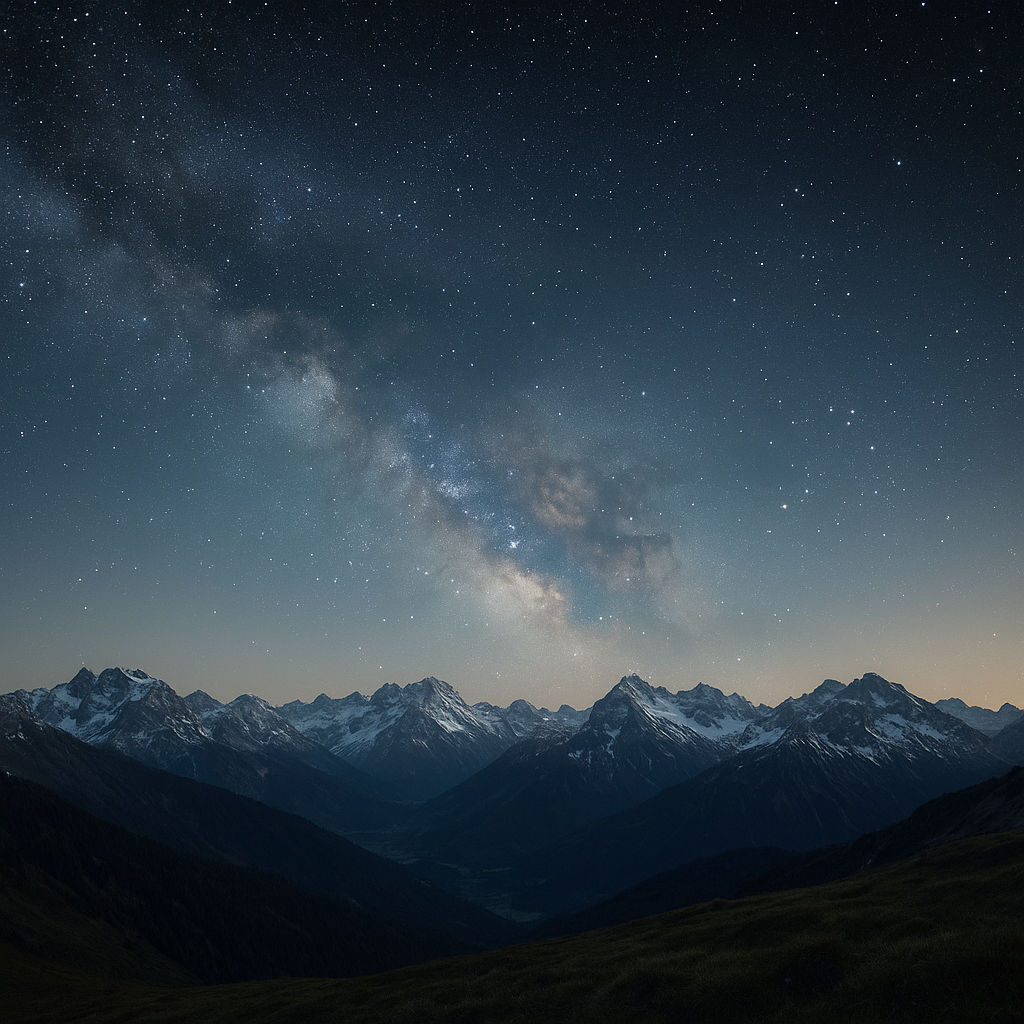
Nestled amidst soaring peaks and serene valleys, the Alps offer an unparalleled canvas for stargazing enthusiasts. From high-altitude summits to secluded meadows, this vast mountain chain is home to some of Europe’s most pristine dark sky regions. Whether you’re an amateur astronomer or simply seeking cosmic wonder, the following guide will unveil the best spots, practical advice, and the natural phenomena that make the Alps a haven for celestial observation.
High-Altitude Observatories and Peaks
Gornergrat and the Swiss Skyline
The Gornergrat observatory, perched above Zermatt at roughly 3,100 meters, stands as a beacon for night-sky admirers. Its altitude guarantees exceptional visibility, minimal air pollution, and a panoramic horizon where the Milky Way arcs majestically. Accessible by the historic Gornergrat Railway, this site combines convenience with astronomical excellence.
- Altitude advantage: air is thinner and clearer, reducing atmospheric distortion.
- Modern facilities: equipped with powerful telescopes and expert guides.
- Panoramic views: includes iconic peaks like the Matterhorn and Monte Rosa.
Jungfraujoch: The “Top of Europe” Experience
Riding the cogwheel train to Jungfraujoch (3,454 m) feels like ascending to the edge of space. While the primary draw is the Aletsch Glacier, this lofty plateau also offers breathtaking night skies. During winter months, special evening excursions grant visitors access to star parties led by local astronomers.
- Guided tours: interpretative sessions on constellations and planet positions.
- High-tech domes: rotating platforms house telescopes that track celestial objects.
- Seasonal events: meteor shower viewings and astrophotography workshops.
Dark Sky Parks and Protected Zones
Parco Nazionale Gran Paradiso, Italy
As Italy’s first national park, Gran Paradiso champions night sky preservation. Bylaws limit artificial light, ensuring minimal light pollution. The valleys around Cogne and Valsavarenche are prime locales for witnessing zodiacal light and distant galaxies.
- Regulated lighting: fixtures designed to minimize skyglow.
- Local initiatives: “astro-nights” with outreach programs for families.
- Accessible huts: refuges stocked for overnight stays under the stars.
Aosta Valley Dark Sky Park
The Aosta Valley, framed by Mont Blanc and the Matterhorn, boasts several certified dark sky areas. Small hamlets such as Saint-Barthélemy and Introd have earned recognition for their rigorous lighting ordinances. The region’s cultural festivals often include stargazing tents and telescope lending.
- Community-led efforts: local businesses switching to warm LED lights.
- Seasonal sky maps: distributed to visitors outlining visible celestial events.
- Family-friendly: beginner scopes available for children’s workshops.
Practical Tips for Stargazers in the Alps
Choosing the Right Season and Timing
Weather in the high mountains can be unpredictable. Clear skies and low humidity typically occur between late autumn and early spring. For the best chances of uninterrupted darkness, plan around new moon phases. December through February often deliver crisp, star-packed nights thanks to cooler air holding less moisture.
Essential Gear and Preparation
- Telescopes & binoculars: Opt for portable models with sturdy tripods.
- Warm clothing: layered thermal wear, insulated boots, and windproof jackets.
- Navigation tools: headlamp with red filter, star charts (paper or app-based).
- Communication: two-way radios in areas without mobile network.
- Permits & reservations: some refuges require advance booking for night access.
Joining Astro-Tourism and Local Initiatives
Many alpine resorts now feature astro-tourism packages. These may include:
- Overnight stays in glass igloos or stargazing domes.
- Photography courses focused on capturing star trails and auroras.
- Workshops on interpreting star charts and identifying planets.
Collaborate with local mountain guides who can lead safe treks to vantage points, combining knowledge of the terrain with astronomical expertise. This synergy of skills enhances both safety and educational value.
Atmospheric Phenomena and Night Sky Highlights
Meteor Showers and Aurora Displays
The Alps often fall under prime viewing corridors for major meteor showers like the Perseids (August) and Geminids (December). In rare geomagnetic conditions, northern lights may even shimmer above peaks in regions such as Tyrol and Valais. Check space weather forecasts to time your visit.
Planetary Alignments and Milky Way Monitors
Thanks to high elevation and low light interference, planets such as Jupiter and Saturn appear exceptionally bright. Summer months reveal the central bulge of the Milky Way, stretching across star-scattered skies. Enthusiasts track planetary transits and occultations using mobile apps synced with local time.
Conservation and Respect for the Alpine Environment
Minimizing Ecological Impact
Preserving the Alps’ pristine nightscapes hinges on reducing human footprint. Simple measures include:
- Avoiding unnecessary artificial light—use only shielded, low-intensity lamps.
- Sticking to designated paths to protect fragile mountain flora.
- Carrying out all trash and following leave-no-trace principles.
Engaging with Local Communities
By participating in community-led dark sky initiatives, visitors support regional economies while fostering a culture of respect. Alpine towns often host citizen science programs to monitor sky brightness and wildlife activity, emphasizing the interconnected nature of astronomical and ecological well-being.
The Lasting Allure of Alpine Stargazing
Under these silent peaks, every twinkling star tells a story of cosmic scale. The solitude found on ridges and plateaus invites both self-reflection and awe. Whether you seek to trace constellations, spot shooting stars, or simply bask in mountain tranquility, the Alps deliver an experience that transcends ordinary travel. Plan wisely, tread lightly, and let the night sky guide you through one of Earth’s most majestic theaters.