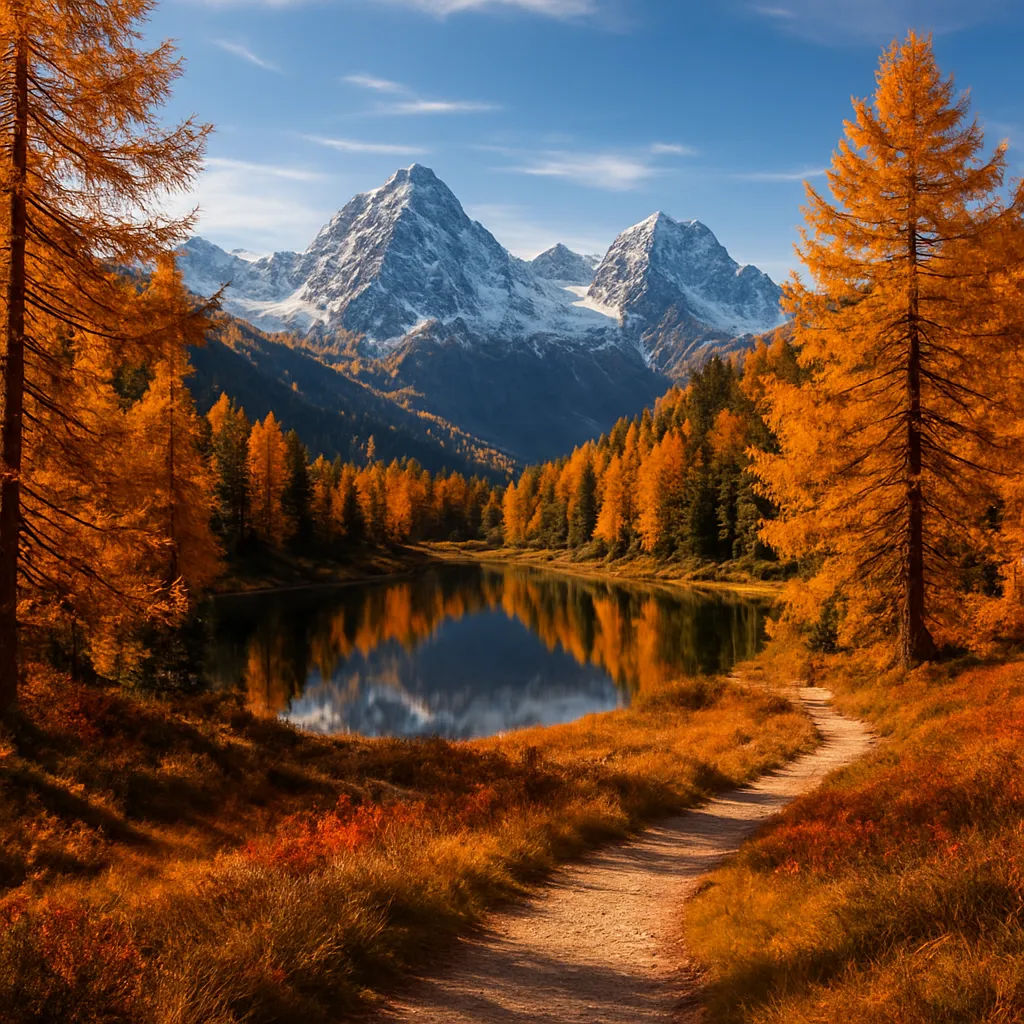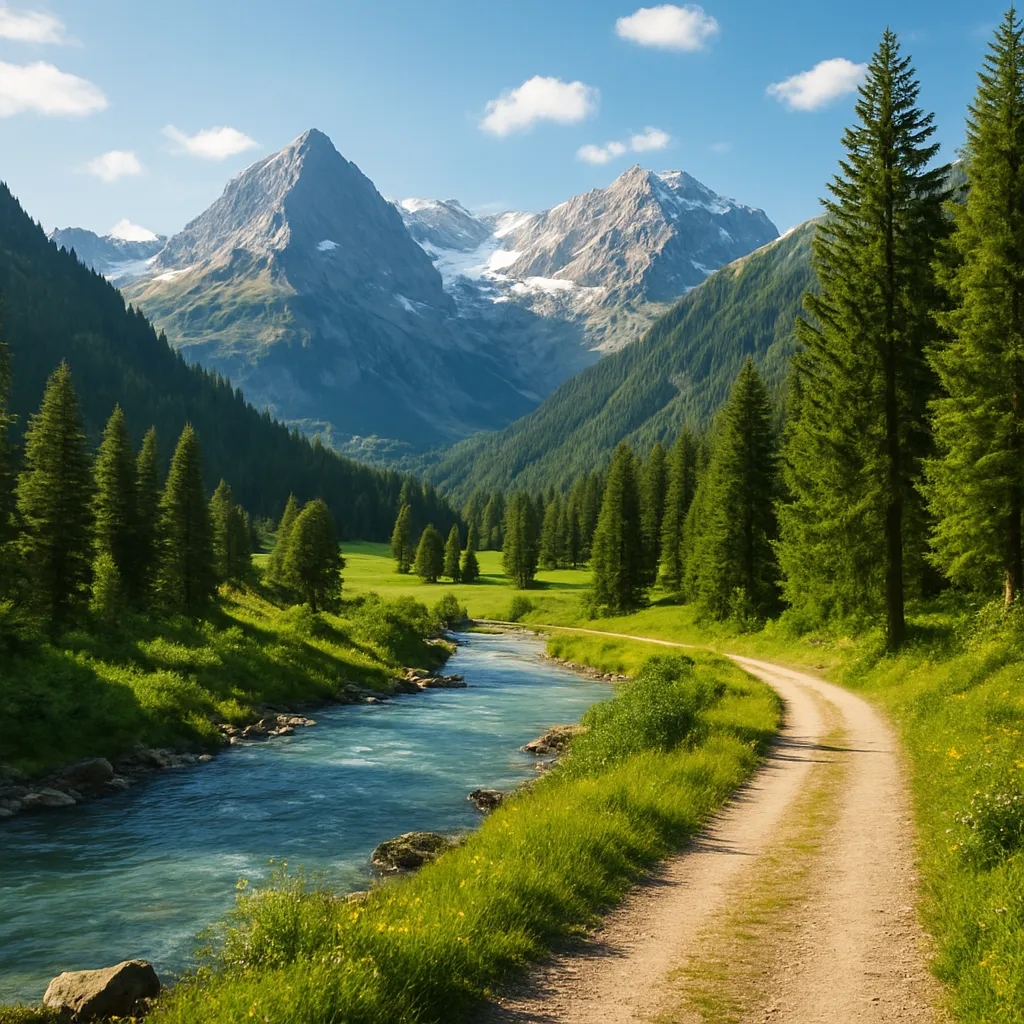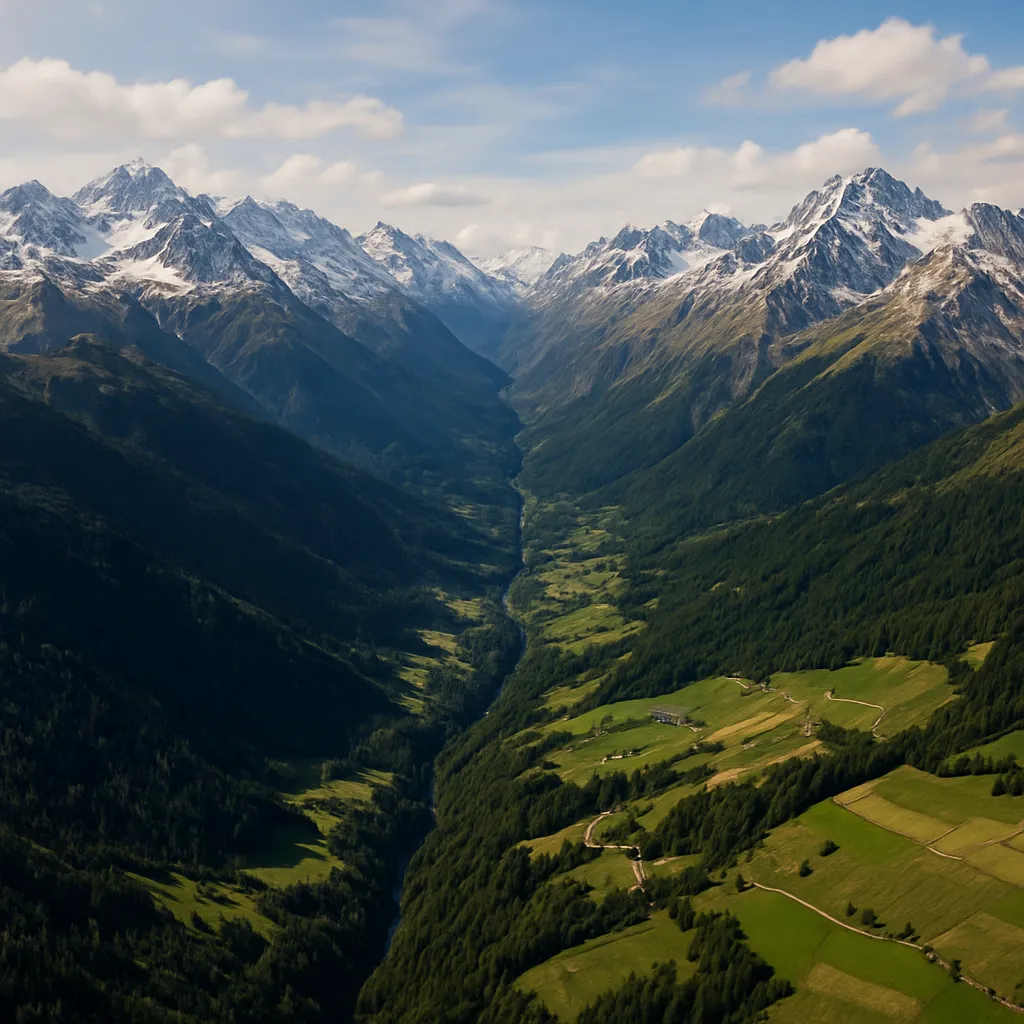
The towering mountain range of the Alps stretches across eight countries in Europe, forming a majestic landscape that has shaped human history, ecosystems, and national identities. From its snow-capped peaks to deep valleys carved by ancient glaciers, the Alpine region offers insight into natural processes and human adaptation. This article explores how this rugged terrain functions as a formidable border, a cultural crossroads, and a hub for tourism and scientific study.
Geographical Overview
Spanning approximately 1,200 kilometers from southwestern France to Slovenia, the Alpine chain presents a complex mosaic of ridges, plateaus, and basins. It originated during the Alpine orogeny, a tectonic collision that began around 65 million years ago. This ongoing mountain-building event continues to influence local geology and seismic activity. The range includes prominent subranges such as the Western Alps, Eastern Alps, and the Southern Limestone Alps, each hosting unique landscapes and climates.
At the core of the Alpine system lies a major watershed dividing the Mediterranean, Atlantic, and Danube basins. Rivers like the Rhône, Po, Rhine, and Inn emerge from Alpine glaciers, delivering vital water resources to millions of people downstream. Elevations range from humble foothills at 500 meters to Mont Blanc’s soaring 4,808 meters, presenting extreme weather gradients and microclimates that support diverse flora and fauna.
A Natural Barrier Between Nations
The Alps serve as a rugged divider that historically limited large-scale invasions and shaped political boundaries. Mountain passes acted as strategic gateways rather than uniform pathways, controlling the flow of goods, armies, and ideas. Key Transalpine routes such as the Great St Bernard Pass (2,469 meters) and the Brenner Pass (1,370 meters) have been instrumental in connecting northern and southern Europe.
- Great St Bernard Pass – one of the highest and oldest in Europe
- Brenner Pass – a former Roman road and modern highway linking Austria and Italy
- Simplon Pass – built by Napoleon to supply troops in Italy
- Col de l’Iseran – France’s highest paved pass, over 2,700 meters
While modern tunnels and railways have diminished the isolating effect of high altitude, the Alps still represent a formidable obstacle for migration and trade. Glacial valleys and steep cliffs funnel movement into narrow corridors, reinforcing the concept of natural defense and border delineation. The political map of Europe has evolved around these mountain spines, giving rise to enclaves, exclaves, and microstates that celebrate Alpine independence.
Cultural and Economic Influences
Alpine communities developed distinct traditions in response to the terrain’s challenges. Transhumance shaped seasonal migration patterns of livestock, leading to chalet-style architecture and artisanal cheese making. Languages and dialects diversified, with Romansh in Switzerland and Ladin in Italy preserving pre-Roman linguistic heritage. The interplay of Germanic, Romance, and Slavic cultures creates a rich tapestry of festivals, costumes, and folklore tied to Alpine identity.
The economic backbone of many Alpine regions includes forestry, agriculture, and biodiversity-based industries. Timber from conifer forests and mineral resources such as salt and iron ore fueled early economic growth. Today, hydroelectric dams harness mountain streams to generate renewable energy, while local cooperatives manage sustainable wood harvesting. Alpine valleys also serve as important transit corridors for heavy industries, balancing modern commerce with ecological concerns.
Flora, Fauna, and Conservation Efforts
The dramatic altitude gradient fosters a remarkable variety of ecosystems. Subalpine meadows burst with wildflowers such as edelweiss and gentian, while montane forests teem with beech, fir, and spruce. Above 2,000 meters, only scattered cushions of moss and lichen tolerate extreme conditions. Endemic species like the Apollo butterfly and Alpine salamander illustrate the region’s evolutionary isolation.
Large mammals including ibex, chamois, and red deer navigate steep crags, while birds of prey such as the golden eagle patrol high ridges. The reintroduction of the Eurasian lynx and the recent return of brown bears into parts of the Alps signal growing commitment to species recovery. National parks and protected areas—such as Gran Paradiso in Italy and Vanoise in France—provide refuge for threatened wildlife.
Efforts in conservation focus on habitat connectivity to allow seasonal migrations and climate-driven range shifts. Cross-border initiatives like the Alpine Convention unite multiple countries under a framework that promotes sustainable development, environmental protection, and research collaboration. Scientists monitor glacial retreat, soil erosion, and water quality to inform adaptive management strategies across political boundaries.
Alpine Transalpine Tourism and Modern Challenges
The allure of snow-capped peaks and pristine valleys has made the Alps one of the world’s premier destinations for tourism. Ski resorts such as Chamonix, Zermatt, and Cortina d’Ampezzo attract millions of visitors seeking winter sports and summer trekking adventures. Cable cars and high-speed rail lines have democratized access, allowing urban populations to experience alpine scenery within a few hours’ travel.
Despite its economic benefits, tourism places pressure on fragile ecosystems and local communities. Overbuilding of hotels and ski lifts can lead to habitat fragmentation, water scarcity, and waste management issues. Winter sports rely on artificial snow in lower-altitude resorts, increasing energy consumption and affecting stream flows. In response, some destinations adopt eco-certification programs and invest in green infrastructure to reduce footprints.
Climate change poses an existential threat to Alpine environments. Rising temperatures accelerate glacier melt and increase the frequency of rockfalls and landslides. Local governments, tour operators, and researchers collaborate on early warning systems and risk assessments to protect human lives and heritage sites. Adaptive strategies include shifting ski areas higher, diversifying winter offerings, and promoting off-season travel to balance economic viability with ecological integrity.
Cross-Border Scientific Collaboration
Because the Alps span multiple nations, international research is essential to understand their complex dynamics. Meteorological stations, weather radars, and sensor networks monitor snowfall, temperature trends, and avalanches. Geologists examine uplift rates and fault movements to assess seismic hazards. Collaborative efforts like the Alpine Space Programme fund projects in sustainable mobility, climate adaptation, and community resilience.
Educational exchanges bring together students and scientists to study Alpine ecology, hydrology, and cultural history. Mountain observatories—such as the one at Jungfraujoch in Switzerland—offer unique high-altitude laboratories where air quality, solar radiation, and cosmic rays are measured. This transnational approach underscores how natural borders can foster cooperation rather than division, uniting countries in the shared pursuit of knowledge and preservation.