The Alps have long captured the imagination of explorers, naturalists, and farmers alike. Stretching across eight countries in Europe, this mountain range embodies a world of rugged peaks, lush valleys, and enduring human endeavor. From ancient pastoral communities to cutting-edge research stations, the alpine environment continues to shape cultures, economies, and the very way we understand mountain living. This article delves into the rich tapestry of the Alps’ past and present, unveiling the interplay between geology, tradition, and the relentless drive toward innovation.
Geological Formation and Landscape
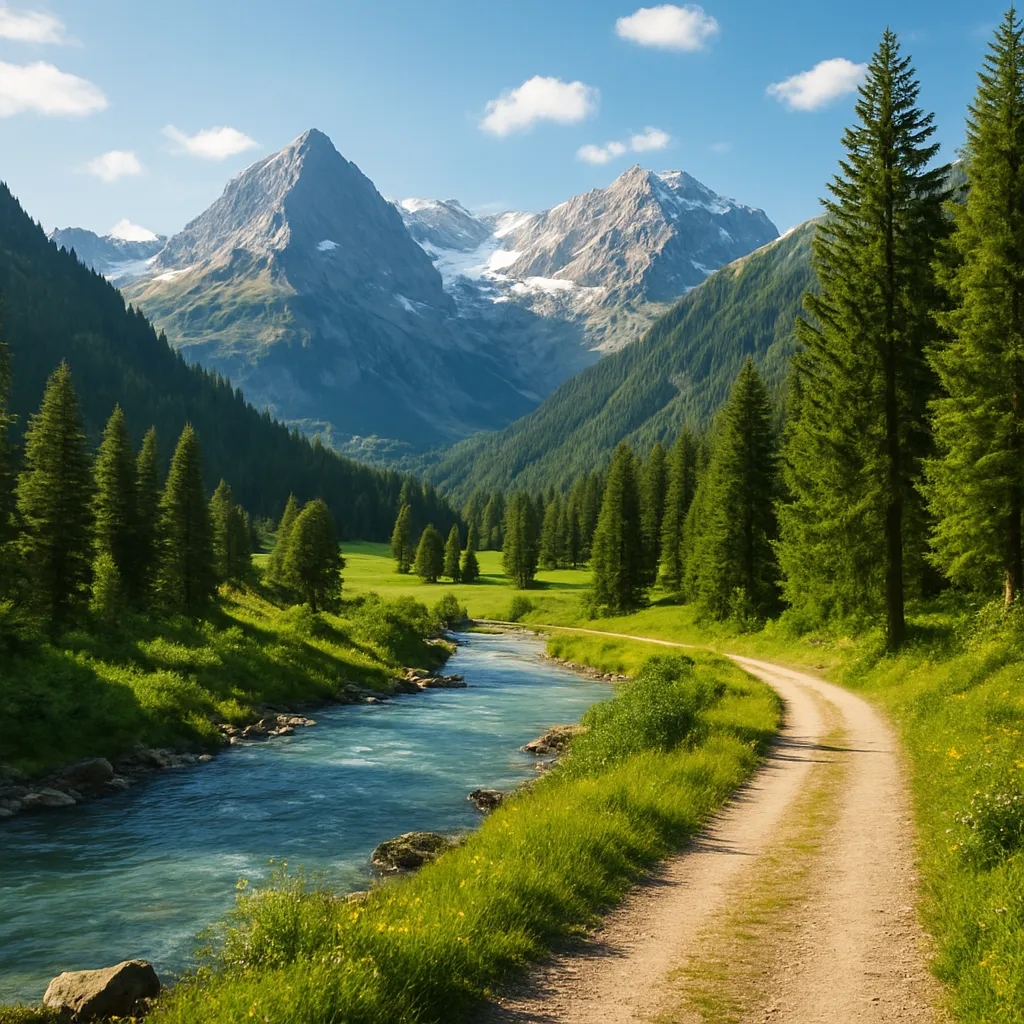
Born from the monumental collision of the African and Eurasian tectonic plates, the Alps represent one of Earth’s most dramatic examples of orogeny. Over tens of millions of years, immense pressure folded and uplifted sedimentary rock layers, giving rise to towering summits and deep glacial valleys. Today, the Alps span more than 1,200 kilometers, featuring iconic peaks such as Mont Blanc and the Matterhorn.
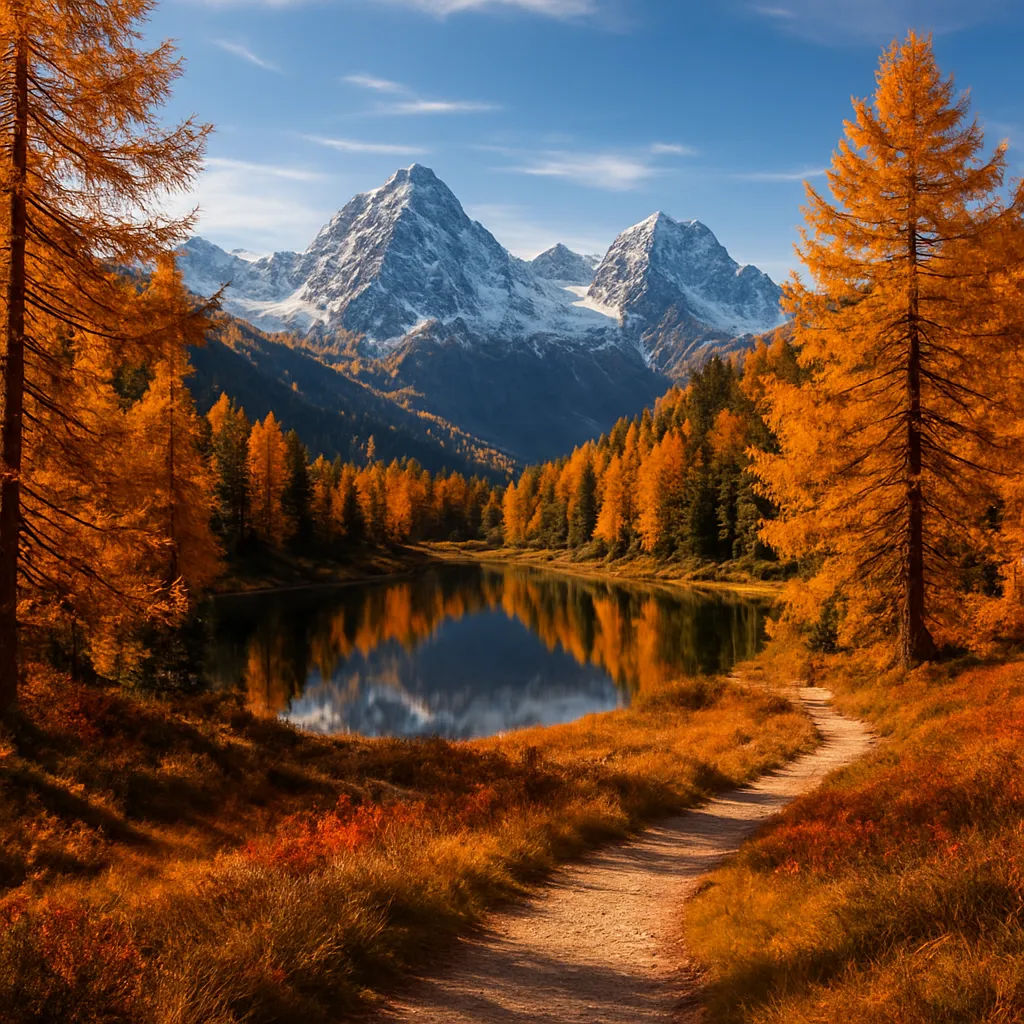
The alpine ecosystem supports a remarkable array of flora and fauna. From delicate edelweiss clinging to craggy ledges to chamois bounding across high pastures, biodiversity thrives in this rugged setting. Alpine meadows, fed by glacial meltwater, host a kaleidoscope of wildflowers that carpet valley floors in spring and summer. These pristine environments owe their existence to the dance between ice and rock, sculpting the landscape that generations of inhabitants would come to farm and cherish.
Traditional Farming Practices
Transhumance and Seasonal Migration
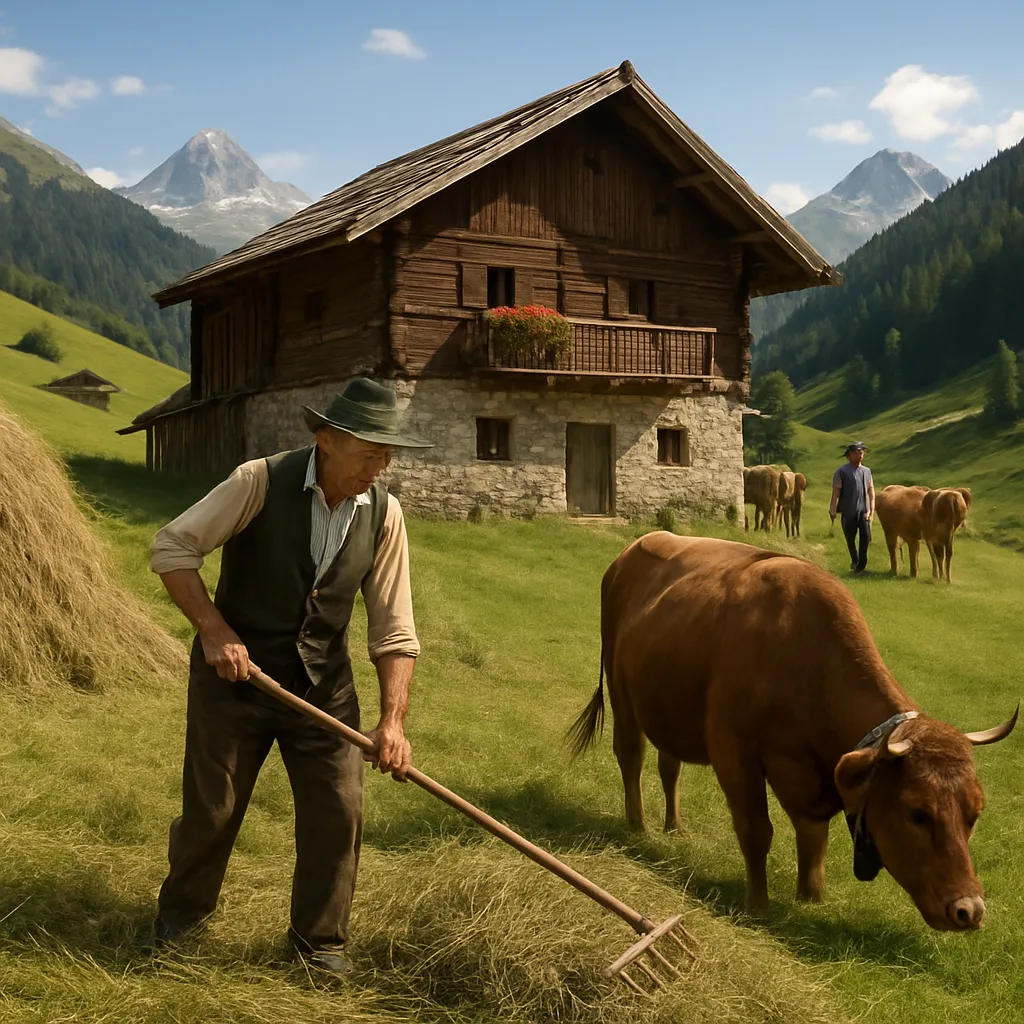
Central to the agricultural heritage of the Alps is the practice of transhumance. For centuries, shepherds led herds of cattle, sheep, and goats between lowland winter shelters and high-altitude summer pastures. This cyclical migration ensured optimal use of scarce resources, allowing mountain slopes to regenerate while providing animals with fresh grazing grounds.
- Spring ascent: Animals move uphill as snow recedes, following blossoming alpine grasses.
- Summer grazing: High pastures yield rich fodder, enhancing milk quality and cheese flavor.
- Autumn descent: Herds return to valley farms before winter snows isolate the high country.
Grazing Systems and Mountain Architecture
Alpine grazing systems demand ingenious solutions to steep, rocky terrain. Farmers developed terraced slopes and stone enclosures to control herd movement and prevent erosion. Traditional alpine huts—simple stone and wood structures—offered shelter to shepherds and seasonal workers. Many of these chalets, now restored as holiday cottages, display local architecture that harmonizes with the environment, using larch beams and slate roofs to withstand harsh mountain weather.
Cultural and Economic Impact
The mountains shaped more than just animal husbandry; they fostered unique social structures and cultural rites. Festivals marking the ascent to summer pastures often included religious blessings, music, and communal meals. Alpine traditions passed down through generations celebrate the bond between people, livestock, and land.
Economically, alpine products like cheese, butter, and cured meats became renowned beyond mountain valleys. Varieties such as Swiss Gruyère, Italian Fontina, and French Beaufort owe their distinctive flavors to high-altitude grasses rich in aromatic compounds. Today, these artisanal goods command premium prices, supporting rural communities and preserving centuries-old methods.
Mountain tourism emerged in the 19th century with scientific expeditions and early mountaineers. Inns and trading posts along valley roads gradually transformed into hotels catering to climbers and naturalists. The synergy between agriculture and tourism remains vital: visitors savor regional dishes crafted from local ingredients, linking gastronomic heritage with modern hospitality.
Modern Challenges and Innovations
Contemporary alpine farming confronts a spectrum of challenges. Climate change alters precipitation patterns and accelerates glacial retreat, impacting water availability and pasture productivity. Depopulation of remote valleys threatens the continuity of traditional knowledge.
Yet across the Alps, communities pursue creative solutions to ensure sustainability. Cooperative dairy plants enable smallholders to pool resources and maintain high-quality standards. Agri-tourism initiatives invite guests to assist with seasonal tasks, fostering appreciation for mountain life. Researchers deploy remote sensing to monitor vegetation health and optimize grazing rotations.
Heritage Conservation and Agri-tech
One striking example merges heritage with high-tech. In the Tyrol region, drone surveys map fragile hillside terraces, while GIS software tracks soil erosion. At the same time, local councils sponsor workshops on cheesemaking techniques passed down for centuries. This dual emphasis on preservation and progress illustrates the Alps’ capacity for resilience.
Renewable Energy and Land Use
Hydropower has long harnessed alpine rivers, generating clean electricity for valleys and towns. More recently, micro-hydro installations and solar arrays integrate seamlessly into farmsteads. By coupling energy production with diversified farming—such as beekeeping and herb gardens—mountain communities increase income streams while safeguarding their environment.
Across the range, young entrepreneurs launch initiatives that feature mountain-wildflower honey, distillates of herbal spirits, and handcrafted woolen goods. Their endeavors encapsulate the evolving spirit of the Alps, where biodiversity and economic vitality go hand in hand.
Outlook for Alpine Farming
As global attention turns toward climate adaptation and sustainable food systems, the Alps stand as a living laboratory. Here, centuries-old practices converge with novel innovation to confront modern realities. By valuing both ecological integrity and cultural heritage, alpine communities demonstrate how mountain agriculture can thrive in the face of change.
Whether safeguarding endangered pasturelands or reviving ancestral cheese recipes, the ongoing story of alpine farming offers lessons for mountain regions worldwide. It reminds us that in the interplay of rock, ice, plants, and people lie the keys to a more resilient and nourishing relationship with our landscapes.