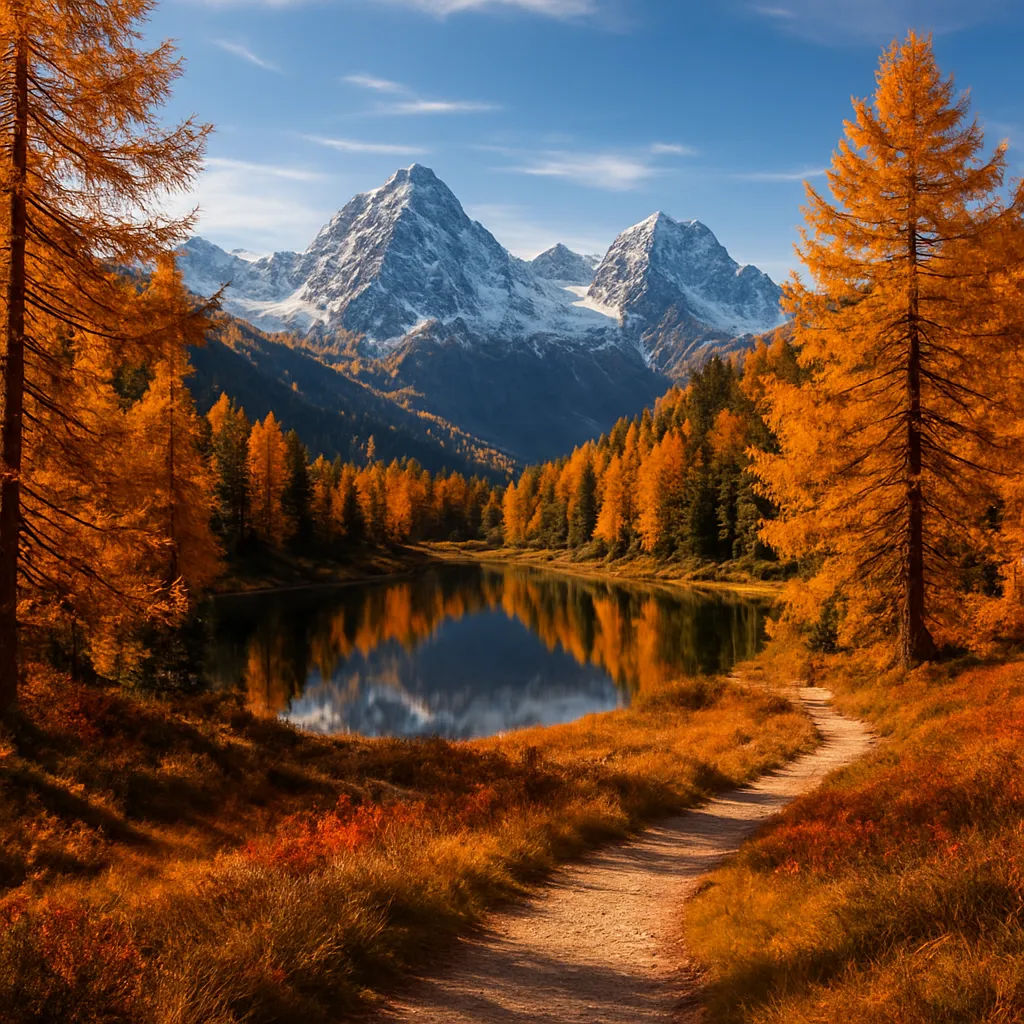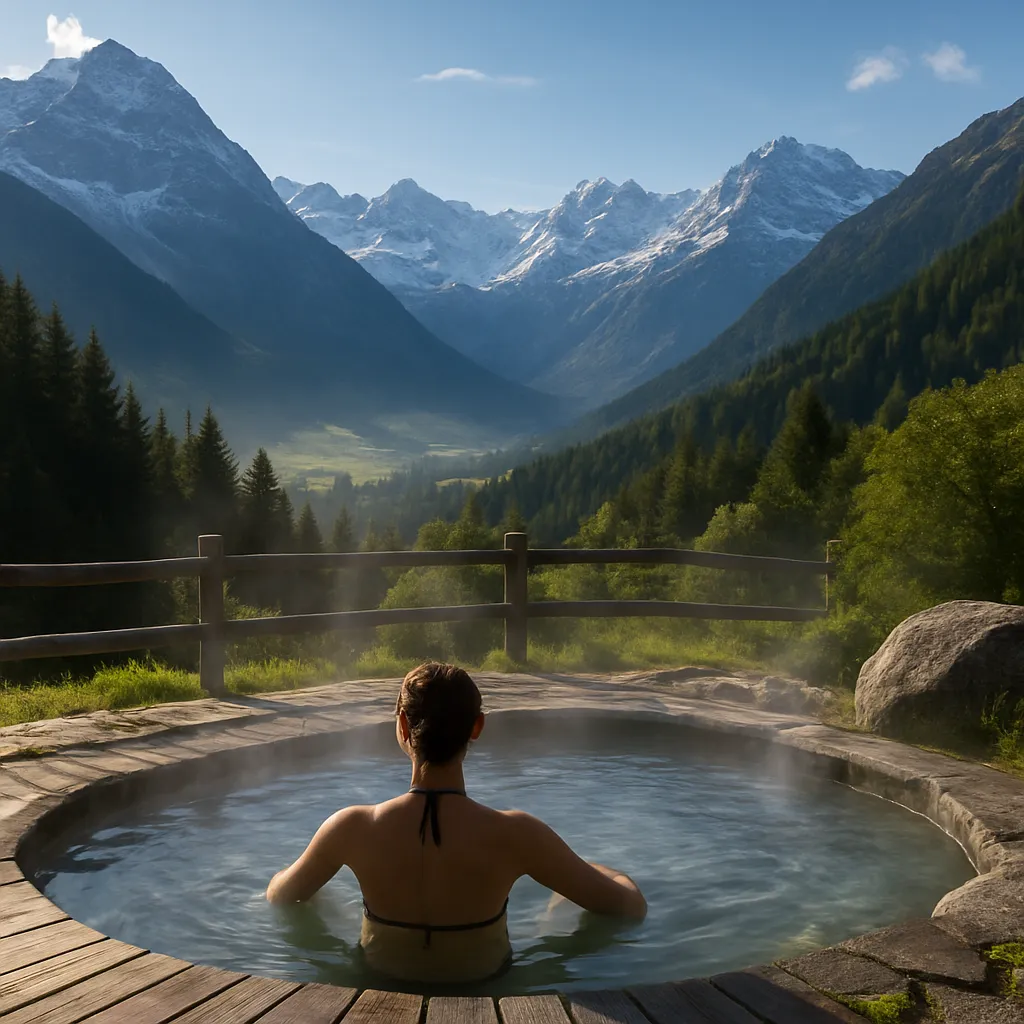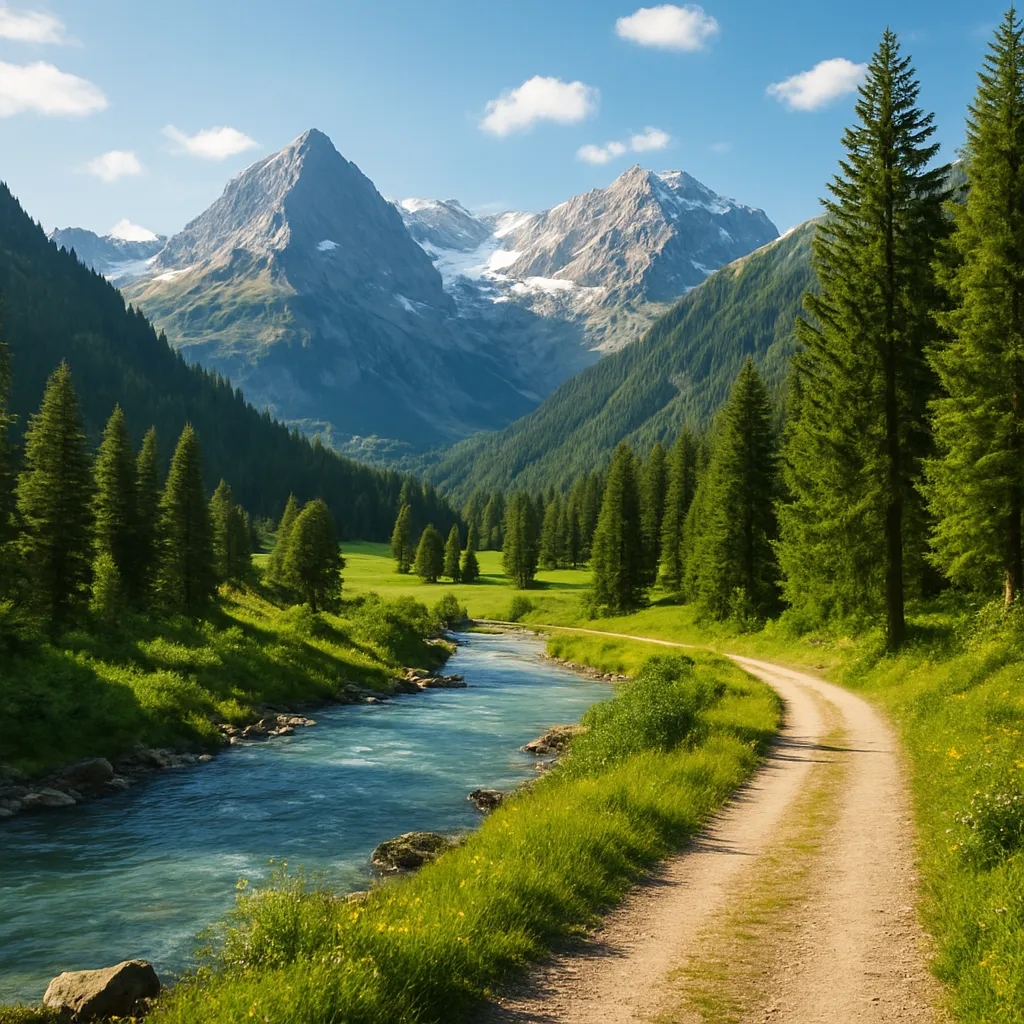
Nestled amidst soaring peaks and lush valleys, the Alps have emerged as a beacon of sustainable travel in Europe. From spotless lakes reflecting snowy summits to charming villages powered by renewable energy, this majestic mountain range showcases what happens when nature, culture, and modern innovation come together. Visitors seeking authentic experiences will find not only breathtaking landscapes but also a commitment to preserving the environment and supporting local communities. Discover why the Alps stand tall as Europe’s most sustainable travel destination.
Natural Richness and Biodiversity
Stretching over eight countries, the Alps host an astonishing array of flora and fauna. Alpine meadows carpeted with vibrant wildflowers give way to ancient conifer forests, providing critical habitat for species like the ibex, golden eagle, and lynx.
Conservation Efforts
- Protected Areas: Over 20 national and regional parks safeguard habitats across Switzerland, France, Italy, Austria, Germany, Slovenia, Liechtenstein, and Monaco.
- Rewilding Projects: Initiatives to reintroduce native species and restore natural ecosystems are bringing back wolves and beavers to their historical ranges.
- Scientific Research: Ongoing studies monitor climate impacts, glacial retreat, and species migration patterns, informing adaptive conservation strategies.
Preserving Biodiversity
Local organizations collaborate with international NGOs to maintain genetic diversity in alpine plants and prevent soil erosion on steep slopes. By promoting biodiversity corridors and wildlife crossings, the region minimizes human–wildlife conflicts and ensures ecosystem resilience.
Green Transportation and Accessibility
The Alps’ commitment to reducing its carbon footprint is evident in its advanced green transportation network. Visitors can seamlessly travel across the region without relying on polluting vehicles.
- Electrified Railways: Iconic trains like the Glacier Express and Bernina Express operate on hydroelectric power, offering panoramic journeys without CO₂ emissions.
- Electric Buses and Shuttles: Zero-emission buses connect towns to ski resorts and hiking trails, reducing traffic congestion and air pollution.
- Bike-Friendly Roads: Hundreds of kilometers of dedicated cycle paths wind through valleys and along rivers, making two-wheeled travel both enjoyable and eco-friendly.
Shared Mobility
Car-sharing platforms and e-bike rental services enable visitors to explore remote villages at their own pace. These eco-friendly options encourage a deeper appreciation of the region’s unmatched scenery while minimizing environmental impact.
Cultural Heritage and Local Communities
The Alps are more than just high peaks; they are home to rich traditions upheld by resilient communities. From centuries-old farming practices to folk festivals echoing ancient melodies, cultural heritage thrives amidst ever-changing landscapes.
Traditional Alpine Agriculture
- Organic Alpine Farming: Small-scale farms produce award-winning cheeses, honey, and smoked meats using age-old methods and natural pastures.
- Agri-Tourism: Guests can stay in mountain huts, participate in milking cows, and learn how to press apples into crisp cider.
- Preservation of Heirloom Varieties: Seed libraries protect rare grains and vegetables adapted to high-altitude climates.
Festivals and Crafts
Each autumn, villages celebrate almabtrieb – the ceremonial cattle drive down from mountain pastures – with parades, music, and local delicacies. Artisans keep alive the art of woodcarving, pottery, and weaving, offering workshops that connect visitors to centuries-old skills.
Energy Innovation and Climate Action
The Alps face unique challenges due to rising temperatures and melting glaciers. In response, regional governments and private stakeholders are pioneering renewable energy solutions.
Hydropower and Solar Initiatives
- Small-Scale Dams: Run-of-the-river hydro stations produce clean electricity without large reservoirs that disrupt river ecosystems.
- Solar Farms: High-altitude solar installations capture stronger sunlight, feeding power to remote valleys.
- Microgrids: Village-level microgrids combine solar panels, battery storage, and smart controls to ensure reliable, low-carbon energy.
Community-Led Climate Programs
Local councils have committed to carbon neutrality targets, incentivizing energy-efficient retrofits in heritage buildings and promoting waste reduction campaigns. Educational workshops encourage residents and tourists alike to adopt low-impact lifestyles.
Outdoor Adventures with a Low Footprint
Whether it’s skiing powdery slopes or trekking ancient trails, the Alps offer year-round activities designed with sustainability in mind.
Winter Sports
- Eco-Ski Resorts: Facilities use snowmaking systems powered by renewable electricity and employ heat recovery from ski lifts.
- Backcountry Routes: Guided snowshoe and ski-touring adventures minimize infrastructure development, preserving pristine areas.
- Wildlife-Friendly Zoning: Specific zones remain off-limits during breeding seasons to protect local fauna.
Summer Pursuits
- Hiking and Via Ferrata: Thousands of kilometers of marked trails encourage visitors to stay on designated paths, reducing soil erosion.
- Climbing and Mountaineering: Ethical climbing guidelines protect fragile rock formations and alpine plants.
- Water Sports: Paddleboarding and kayaking on crystal-clear glacial lakes are regulated to maintain water quality and respect sensitive shorelines.
Gastronomy and Sustainable Dining
The Alpine culinary scene champions farm-to-table concepts and celebrates regional flavors. Chefs partner with local producers to create menus that tell the story of the mountains.
- Seasonal Ingredients: Wild mushrooms, herbs foraged from meadows, and locally caught trout inspire innovative dishes.
- Zero-Waste Kitchens: Restaurants compost organic scraps, repurpose leftovers, and source biodegradable packaging.
- Fair Trade Beverage Programs: Mountain microbreweries and family-owned vineyards adhere to ethical farming standards.
Farmers’ Markets
Weekly markets in valley towns offer handcrafted cheeses like Gruyère and Comté, alongside artisanal breads, cured meats, and heirloom preserves. Engaging directly with producers fosters transparency and supports local economies.
Educational and Volunteer Opportunities
For travelers seeking deeper engagement, the Alps provide a variety of educational programs and volunteer projects focusing on conservation and cultural preservation.
Citizen Science
- Glacier Monitoring: Volunteers record ice thickness and melting rates under expert supervision.
- Wildlife Tracking: Guided fieldwork involves setting up camera traps and identifying animal tracks.
- Plant Surveys: Citizen botanists contribute data on altitude-driven shifts in plant communities.
Community Projects
Participants assist in restoring historical trail networks, building birdhouses, and supporting mountain rescue services. These hands-on experiences provide lasting memories and meaningful contributions to the region’s cultural heritage.
Conclusion
By harmonizing modern innovation with age-old traditions, the Alps have become a world-class example of how to travel responsibly. With a strong emphasis on sustainable infrastructure, conservation, and community engagement, this mountain paradise inspires visitors to tread lightly and leave a positive legacy.