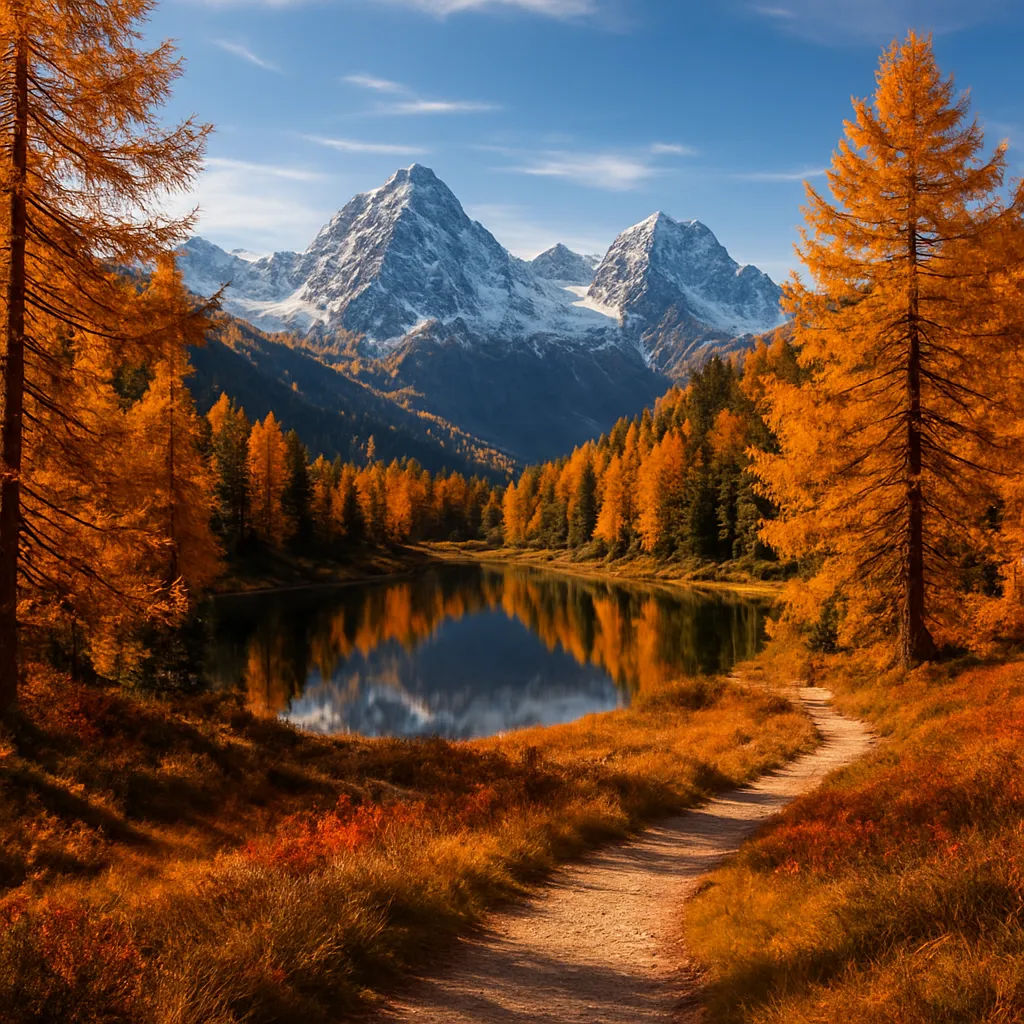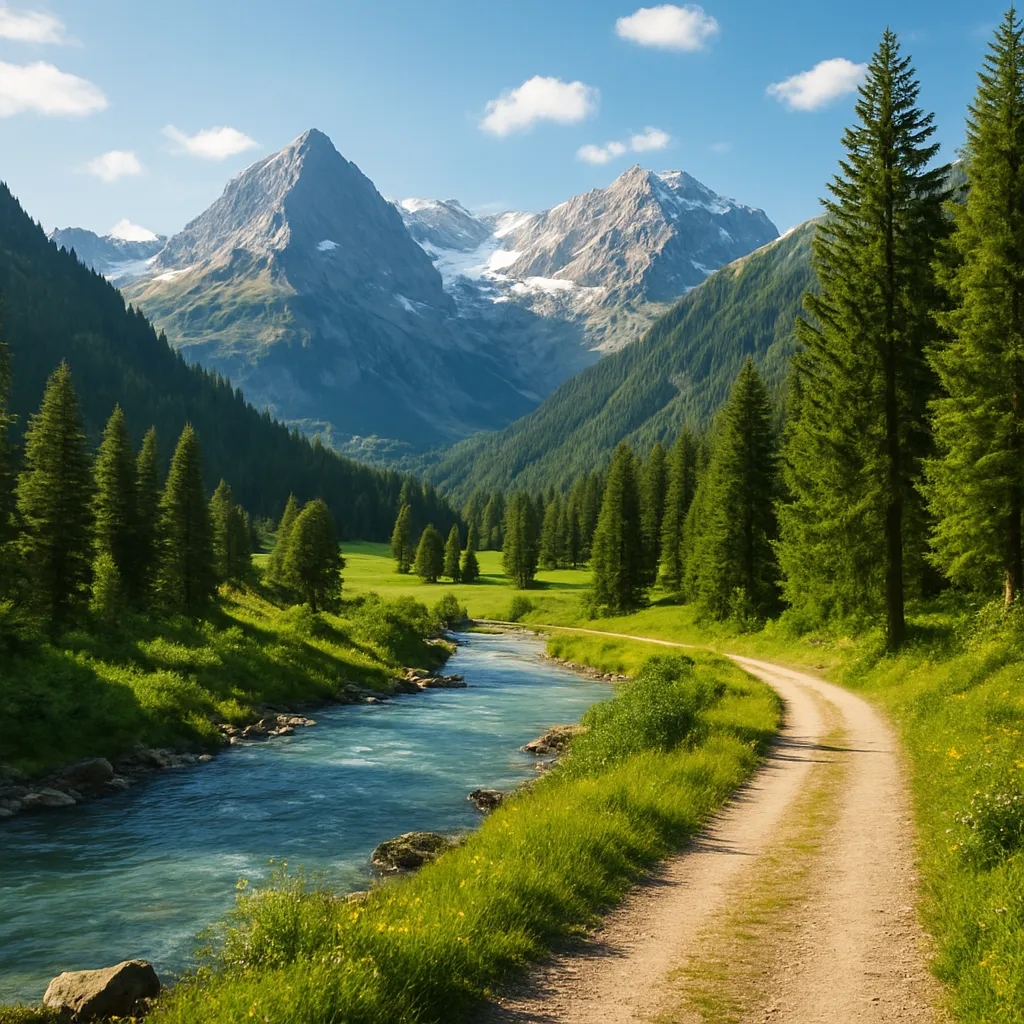
The majestic peaks and lush valleys of the Alps offer an unparalleled setting for travelers seeking genuine escape and restoration. Framed by snow-capped summits, crystal-clear lakes and verdant forests, this region has long been celebrated for its restorative qualities. From centuries-old healing traditions to cutting-edge wellness facilities, the Alps combine cultural heritage with modern comfort to nurture both body and mind.
Alpine Landscape and Natural Healing Powers
The Alpine environment is a living laboratory of well-being. High-altitude air is crisp and low in allergens, promoting clearer breathing and improved oxygen uptake. As you wander through pine-scented woodlands or linger beside glacier-fed streams, you experience tangible benefits of pure mountain air.
Local guides encourage gentle activities that harmonize with the terrain, such as:
- hiking along winding trails that reveal panoramic views of soaring ridges
- forest bathing sessions beneath centuries-old firs, releasing stress and calming the nervous system
- snowshoe treks in winter’s hush, turning each step into a meditation on silence
- cycling circuits through flower-strewn meadows, awakening joints and elevating mood
These immersive encounters with nature foster deep serenity and encourage a sense of rejuvenation seldom found in urban surroundings.
Thermal Springs and Spa Traditions
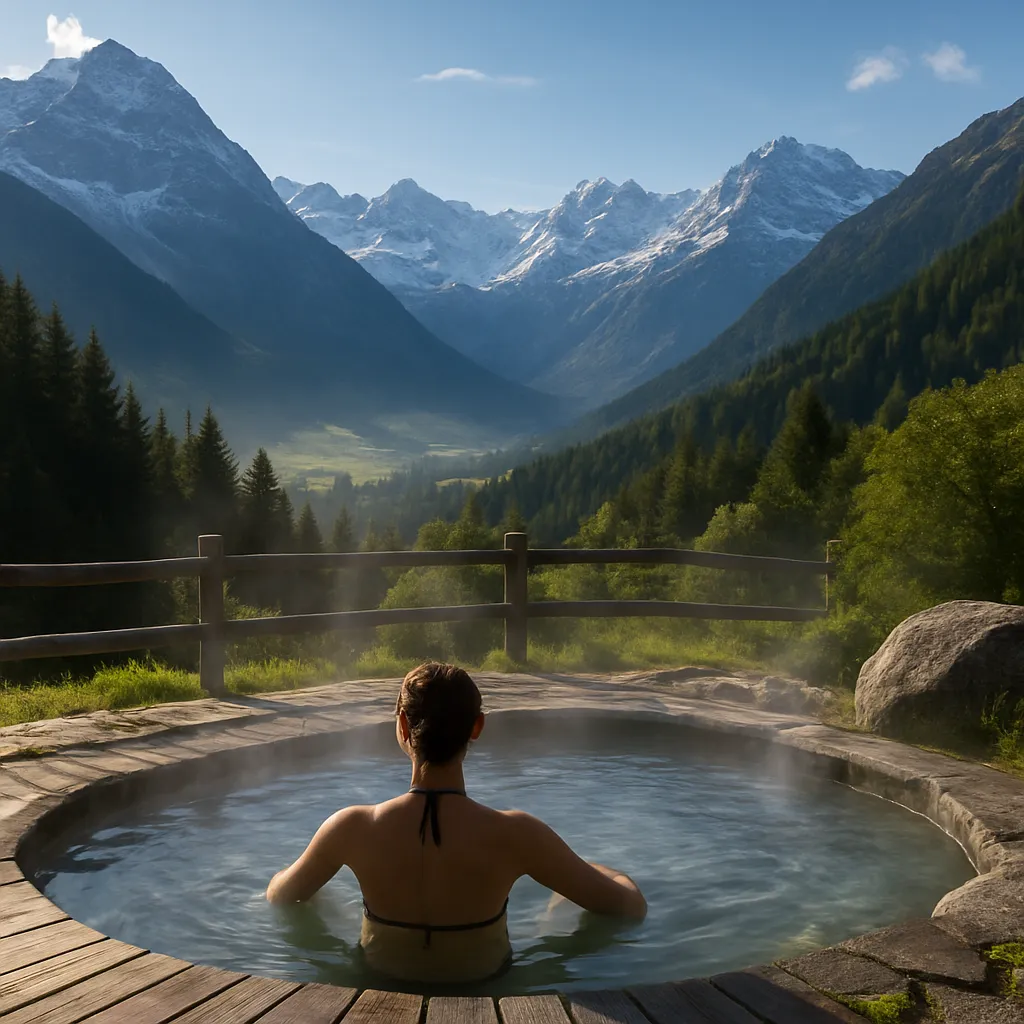
Thanks to ancient tectonic activity, the Alps boast myriad thermal springs rich in minerals like sulfur, magnesium and calcium. Towns such as Leukerbad in Switzerland and Bormio in Italy have become synonymous with hydrotherapy and healing waters.
Elegant bathhouses blend traditional architecture with modern design, offering:
- outdoor thermal pools overlooking mountain panoramas
- steam baths infused with local herbal essences
- cold plunges fed by alpine streams to stimulate circulation
- massages and body wraps using mineral-rich muds
These spa rituals detoxify the body and soothe aching muscles, making the Alps a refuge for anyone needing restoration after strenuous activity or simply craving profound relaxation.
Holistic Retreats and Mindful Practices
Across the region, wellness resorts have embraced holistic philosophies that address mental, emotional and spiritual health alongside physical fitness. Daily schedules may feature sunrise yoga classes atop terraced hillsides or guided breathing workshops under open skies.
Mindfulness in Motion
Trained instructors lead sessions in mindfulness meditation or qi gong, encouraging participants to cultivate present-moment awareness. This practice enhances stress resilience, improves sleep quality and fosters a balanced outlook.
Customized Well-Being Programs
Guests can tailor their stays with personalized consultations, choosing from therapies such as sound baths, forest-guided tea ceremonies and Ayurvedic treatments. By merging ancient wisdom with contemporary science, these retreats support sustainable lifestyle changes long after departure.
Nutrition and Alpine Cuisine for Health
The culinary scene in alpine villages champions farm-to-table principles, highlighting regional produce, dairy and game. Chefs craft dishes that are both hearty and nourishing, reflecting generations of sustainable farming.
- Fresh goat cheese, yogurt and butter from family-run dairies
- Wild herbs and berries hand foraged from meadows
- Whole-grain breads baked in wood-fired ovens
- Seasonal soups and stews featuring barley, root vegetables and lean meats
Attention to nutrition goes beyond ingredients. Many establishments offer cooking classes on preparing balanced meals, demonstrating how simple recipes can optimize energy levels and digestive health. Local markets also provide immersive experiences, allowing visitors to learn about sustainable agriculture and artisanal food production.
Sustainable Tourism and Community Involvement
Preserving the region’s natural beauty is at the heart of alpine hospitality. Eco-friendly lodges employ solar power, geothermal heating and water recycling systems. Trails are maintained in partnership with conservation organizations to protect delicate alpine flora and fauna.
Community-driven initiatives invite tourists to participate in village life—be it volunteering at a cheese cooperative or joining traditional folk festivals. Such authentic interactions deepen cultural appreciation and foster a sense of belonging, further enhancing the restorative journey.
Local Artisans and Crafts
From handcrafted woodwork to traditional textile studios, alpine artisans welcome visitors into their workshops. By learning age-old techniques, guests gain insight into the region’s heritage while supporting local economies and sustainable craftsmanship.