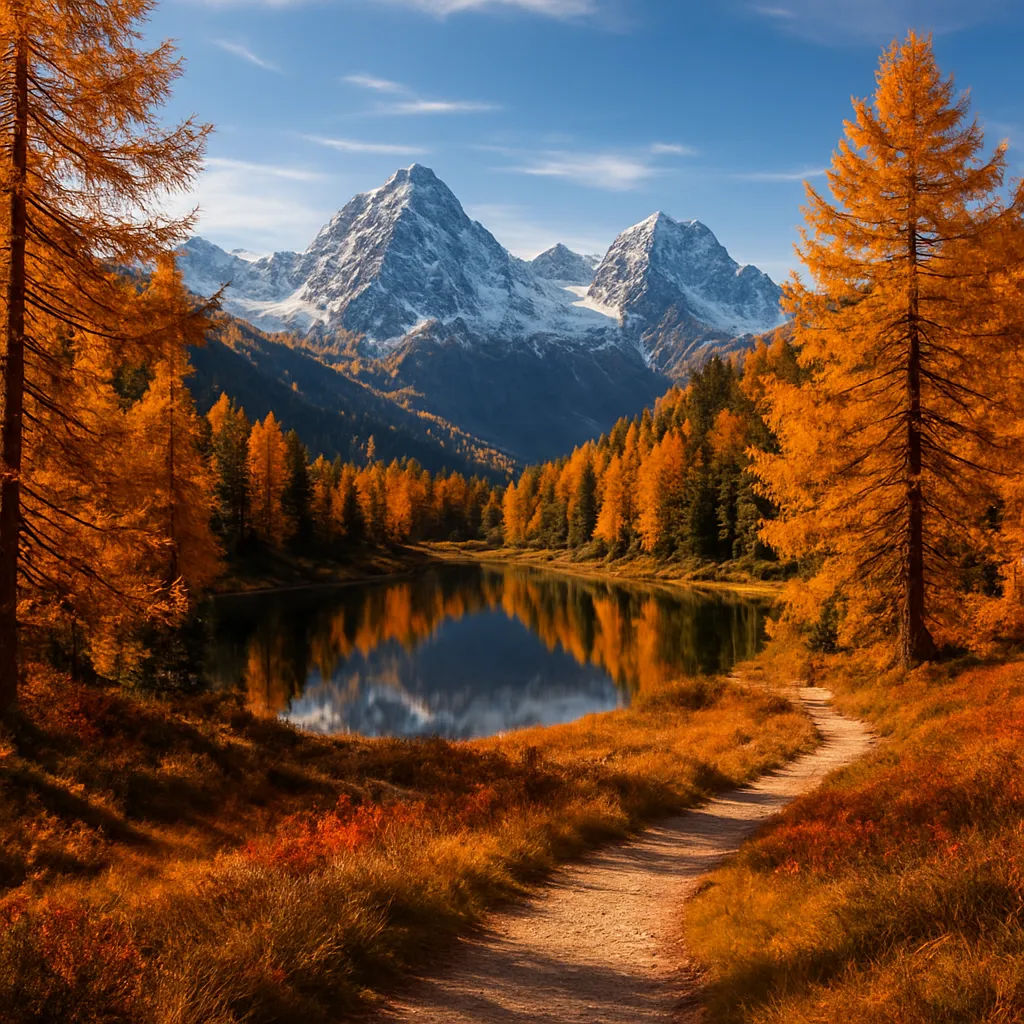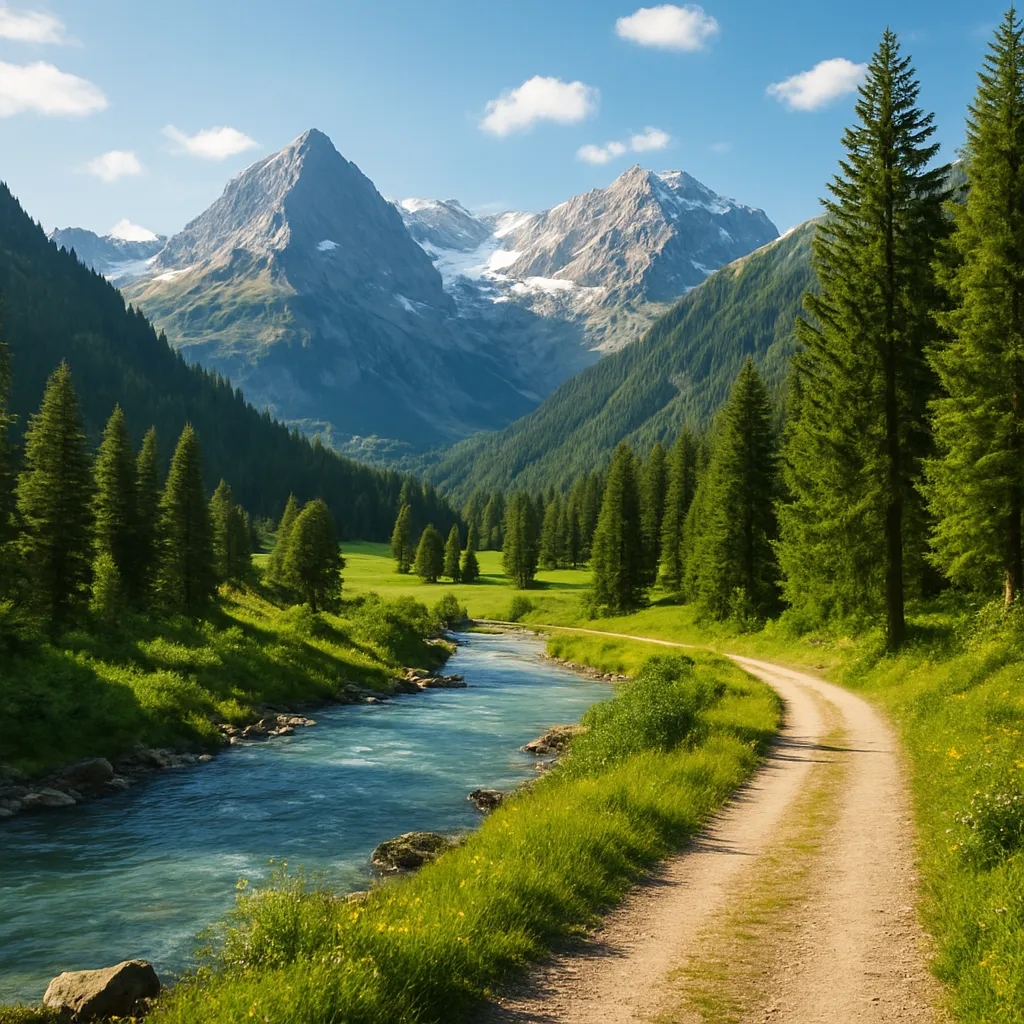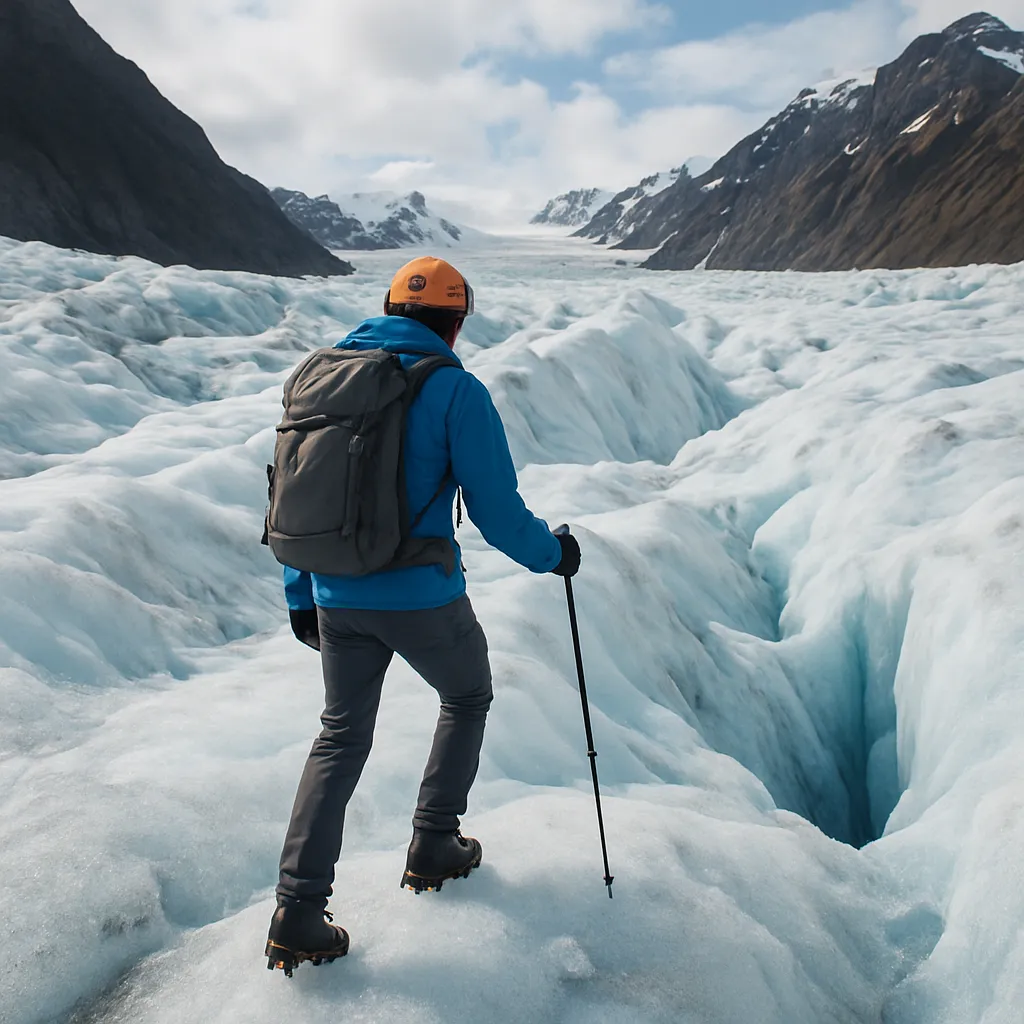
The Alps, stretching across eight European countries, represent one of the most iconic and diverse mountain ranges in the world. From soaring peaks to ancient valleys, these rugged landscapes offer thrilling opportunities for glacier hiking, mountaineering, and immersive alpine adventures. Whether you are a curious beginner or an aspiring alpinist, this guide will equip you with the knowledge, gear, and insights needed to tackle icy expanses safely and responsibly.
Geography, Climate, and Cultural Heritage of the Alps
The Alpine arc extends over 1,200 kilometers, touching the borders of France, Switzerland, Italy, Germany, Austria, Slovenia, Liechtenstein, and Monaco. Its highest summit, Mont Blanc, rises to 4,809 meters, crowned by a perpetual blanket of snow and glacier. The range is divided into Western, Central, and Eastern Alps, each with unique features:
- Western Alps: Home to Mont Blanc and the Matterhorn, famous for dramatic ridges and deep valleys.
- Central Alps: Characterized by vast plateaus, Alpine lakes, and high passes connecting Italy and Switzerland.
- Eastern Alps: Known for limestone formations, karst systems, and verdant meadows stretching across Austria and Slovenia.
Climate Zones and Seasonal Variations
- Lower Elevations (up to 1,500 m): Temperate climate with mild summers and snowy winters—ideal for hiking and skiing.
- Montane Zone (1,500–2,500 m): Coniferous forests give way to rocky slopes; frequent afternoon thunderstorms in summer.
- Alpine Zone (2,500–3,500 m): Harsh weather, strong winds, and year-round snowfields. Temperatures can plummet below –20°C.
- Nival Zone (above 3,500 m): Permanent ice and glaciers dominate; only specialized expeditions venture here.
The local communities living in Alpine valleys have developed a rich heritage of mountain farming, cheese-making, and folklore. Warm hospitality awaits hikers in cozy mountain huts (refuges) serving regional delicacies and offering a glimpse into centuries-old traditions.
Essential Gear and Preparation for Glacier Hiking
Successful glacier travel hinges on choosing the right equipment and developing essential skills. Preparation starts long before you set foot on ice, with careful planning and physical conditioning.
Physical Conditioning and Skill Development
- Endurance Training: Incorporate long-distance hiking with elevation gain to build cardiovascular strength.
- Core and Leg Strength: Squats, lunges, and stability exercises improve balance on uneven terrain.
- Practice walking with a loaded backpack to simulate the climber’s load and posture.
- Attend a basic glacier travel course focusing on rope work, crevasse rescue, and ice-axe self-arrest.
Must-Have Equipment
- Crampons: Secure traction devices with front points for ascending steep ice.
- Ice Axe: Multi-purpose tool for climbing, balance, and emergency self-arrest.
- Harness and Ropes: Dynamic climbing ropes and a comfortable harness for crevasse rescue systems.
- Helmet: Essential protection from falling ice, rocks, and equipment dropped by climbers above.
- Mountaineering Boots: Insulated, stiff-soled boots compatible with crampons.
- Layered clothing system:
- Base Layer: Moisture-wicking synthetic or merino wool.
- Insulation Layer: Fleece or down jacket for warmth.
- Hardshell: Waterproof, breathable jacket and pants.
- Navigation tools: GPS, topographic maps, altimeter, and compass.
- Sun protection: high-SPF sunscreen, UV-blocking sunglasses or glacier goggles.
- Crampon-compatible gaiters to keep snow out of boots.
- First-aid kit with blister care, painkillers, and emergency blanket.
All equipment should be tested during training hikes to ensure proper fit and functionality under stress.
Route Planning, Safety Measures, and Environmental Stewardship
Meticulous planning and respect for mountain ecology are crucial to ensure both personal safety and the long-term preservation of Alpine environments.
Route Selection and Weather Assessment
- Study route guidebooks and reputable websites for glacier conditions, common hazards, and historical accident reports.
- Check daily forecasts from mountain weather services—sharp weather changes can occur within hours.
- Monitor avalanche bulletins in winter and spring; identify serac fall zones and crevasse fields.
- Plan turn-around times based on altitude gain, daylight hours, and group fitness.
On-Ice Techniques and Group Dynamics
- Roped Travel: Maintain proper spacing (10–15 meters) between climbers to reduce fall impact.
- Anchor placement for glacier anchors and snow pickets during belays or crevasse rescues.
- Ice-axe arrest practice drills: simulate self-arrest in a controlled setting.
- Clear communication signals for leading, belaying, and responding to emergencies.
- Group decision-making: continuous risk assessment and readiness to abort objectives if conditions deteriorate.
Crevasse Rescue Fundamentals
- Pre-rig rope for quick deployment: know the Munter hitch, Prusik knots, and pulley systems.
- Practice patient extraction using Z-pulley mechanical advantage systems.
- Designate roles: rescuer, anchor, patient handler, and rope tender to streamline operations.
- Carry rescue slings, carabiners, and prusik loops for rapid access.
Environmental Considerations and Alpine Ethics
- Leave No Trace: Pack out all waste, including organic matter, and use designated toilet facilities when available.
- Respect wildlife habitats; avoid disturbing nesting areas and mammal feeding grounds.
- Stay on established trails and marked routes to protect fragile alpine vegetation.
- Support local mountain huts; they provide essential services and help sustain rural economies.
- Spread awareness about climate change impacts: receding glaciers, permafrost thaw, and increased rockfall hazards.
By combining preparation, technical proficiency, and environmental respect, glacier hiking in the Alps transforms from a mere adventure into a profound journey of self-discovery amid some of the planet’s most spectacular landscapes. Lace up your boots, harness your spirit of exploration, and tread lightly upon the timeless ice.