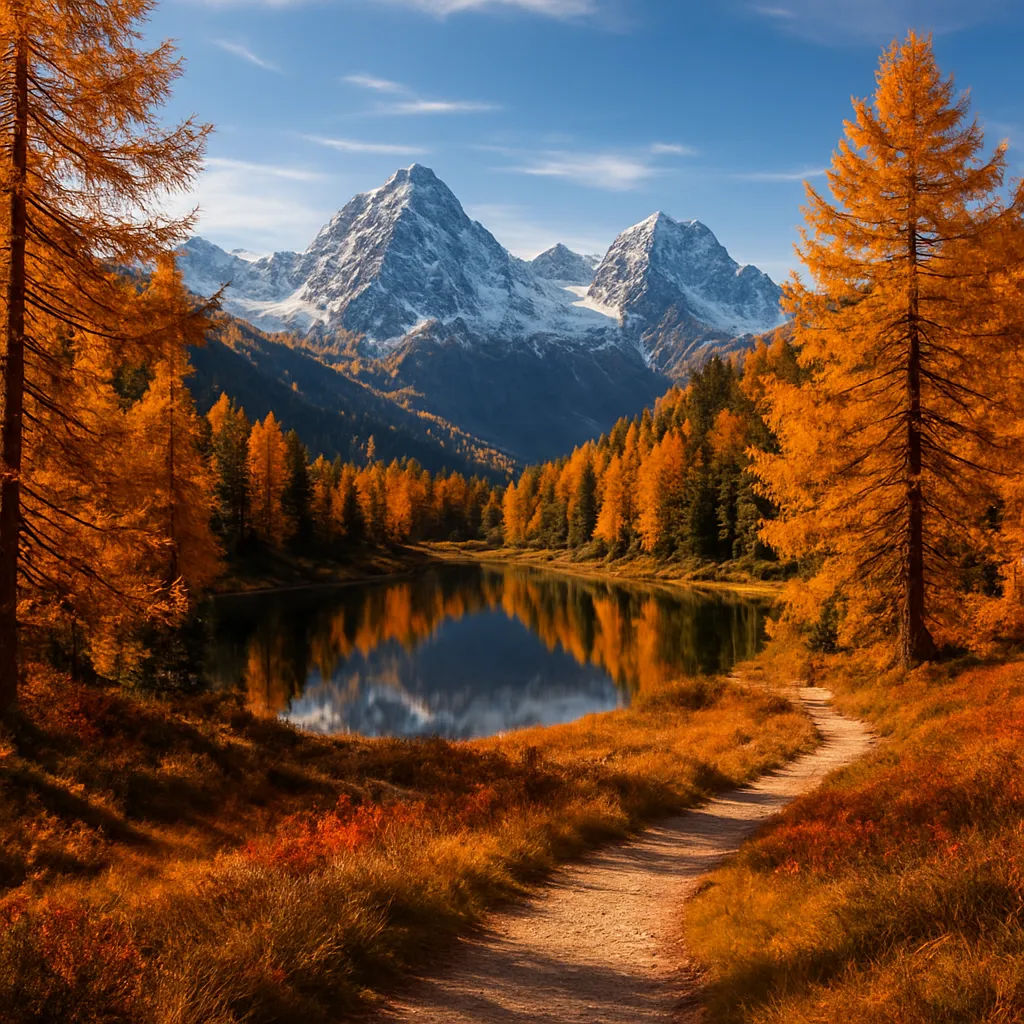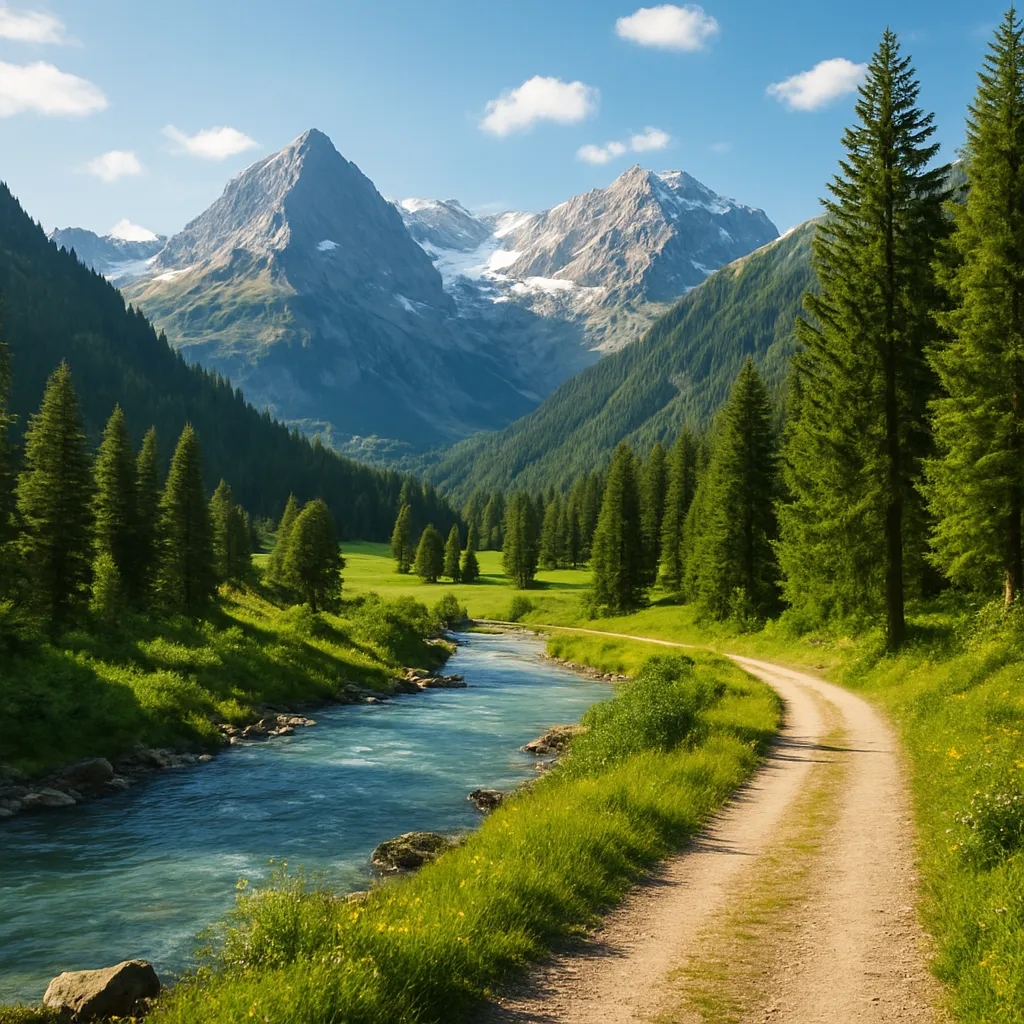
The Alpine region, stretching across eight European countries, stands as one of the most iconic mountain ranges on the planet. It has shaped climates, ecosystems, cultures and sports for centuries. Its towering peaks, deep valleys and glacial landscapes beckon adventurers, scientists and artists alike. From the earliest geological upheavals to today’s advanced ski resorts, the Alps continue to inspire awe and foster innovation.
Geological Origins and Formation of the Alps
The story of the Alps began some 65 million years ago, when the African and Eurasian continental plates converged. This colossal collision triggered intense folding, faulting and uplift, raising sedimentary layers once deposited beneath a shallow sea to dramatic altitudes. Over subsequent millennia, powerful glacial activity carved deep valleys and sculpted jagged ridges. Rivers and weathering processes further refined the relief, exposing limestone cliffs and crystalline cores.
Key Geological Processes
- Plate convergence and folding
- Metamorphism of marine sediments
- Glacial erosion and depositional moraines
- Ongoing weathering and mass wasting
The result is an intricate tapestry of rock types, from the high karst plateaus of the northern Limestone Alps to the igneous and metamorphic massifs of the Central Alps. These dynamic forces continue today, generating micro-earthquakes in some valleys and influencing groundwater flow patterns critical to local agriculture and tourism.
Cultural and Historical Significance
Human presence in the Alps dates back to Paleolithic hunters following game paths. Over time, shepherding communities established high pastures where they grazed goats and cattle. Medieval trade routes, such as the Brenner and Saint Gotthard passes, linked northern Europe with the Mediterranean, fostering economic and cultural exchange.
Alpine Traditions and Heritage
- Mountain chalets decorated with colorful murals
- Folk costumes and yodeling songs echoing in valleys
- Local festivals celebrating transhumance
- Historic pilgrimage routes to mountain sanctuaries
Many villages have preserved centuries-old architecture, and local crafts like wood carving and cheesemaking remain vibrant. The Alps also gave birth to modern heritage appreciation movements, inspiring mountaineers like Edward Whymper and Julius Kugy whose accounts blended exploration with environmental awareness.
Skiing, Mountaineering, and Adventure Tourism
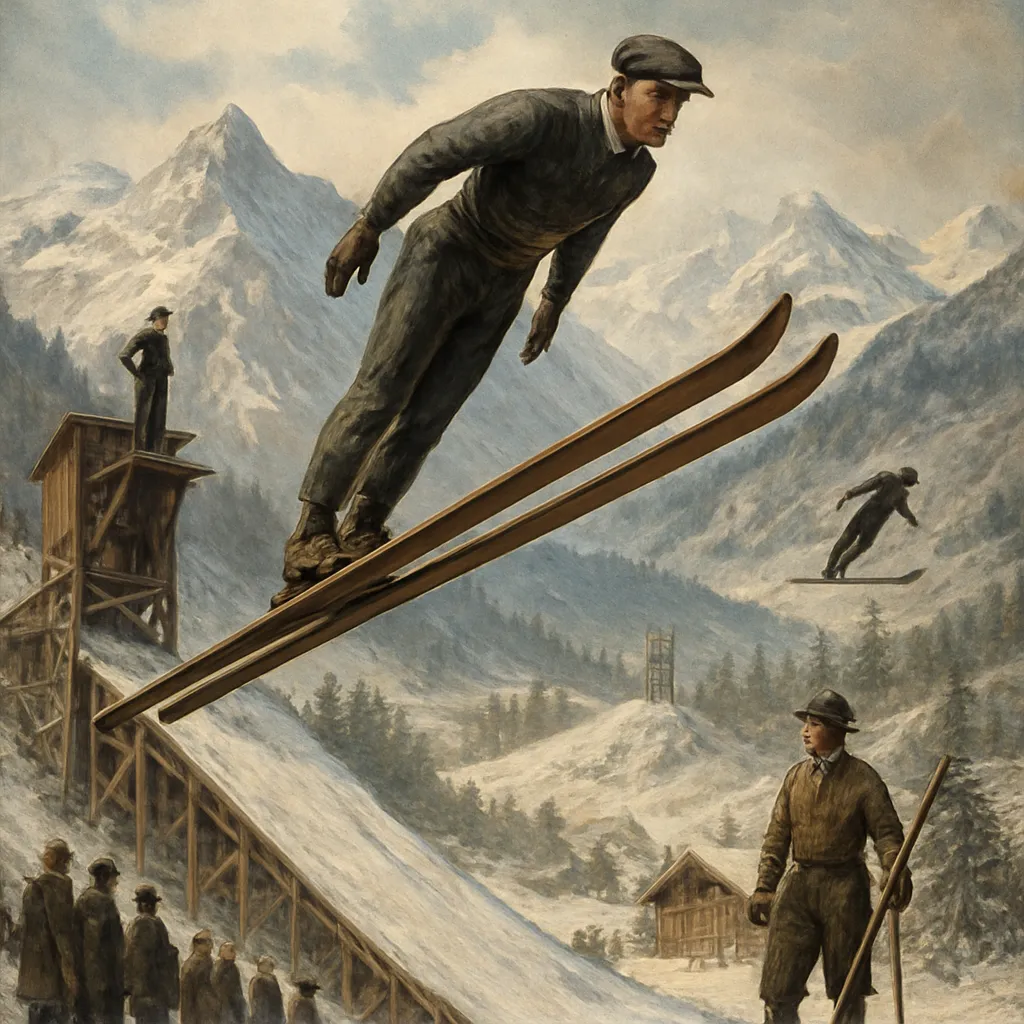
By the late 19th century, winter sports began to transform Alpine economies. Early enthusiasts strapped planks of wood to their feet, paving the way for organized competitions. Today, the Alps boast world-class resorts specializing in alpine skiing and ski jumping, drawing millions of visitors each season.
Growth of Winter Sports
- Emergence of ski clubs and federations
- Construction of chairlifts and gondolas
- International competitions and Olympic venues
- Development of safety protocols and avalanche control
Beyond skiing, mountaineers tackle peaks like Mont Blanc and the Matterhorn on daring expeditions. Via Ferrata routes, high-altitude huts and specialized guides have made remote summits more accessible, while paragliding, ice climbing and mountain biking add layers of adventure tourism. Infrastructure investments in cable cars and trail networks continue to balance visitor comfort with ecological preservation.
Flora, Fauna, and Environmental Challenges
The Alpine environment nurtures remarkable biodiversity, hosting thousands of plant species, many endemic to isolated valleys. From colorful alpine meadows to dwarf conifers clinging to rock faces, vegetation zones shift in elevation and aspect. Wildlife includes ibex, chamois, golden eagles and elusive lynx reintroduced through conservation efforts.
Pressures on Alpine Ecosystems
- Climate change accelerating glacial retreat
- Habitat fragmentation from tourism infrastructure
- Invasive species altering native communities
- Air pollution and nitrogen deposition impacting soil health
Retreating glaciers not only signal warming trends but also affect water supplies downstream. Conservation zones and cross-border agreements aim to protect fragile habitats, while research stations monitor long‐term ecological changes. Innovative restoration projects replant native vegetation and create wildlife corridors to enhance resilience.
Modern Innovations and Sustainable Development
Faced with environmental and economic challenges, Alpine regions are pioneering solutions in sustainability. Renewable energy installations, such as small‐scale hydropower and solar arrays on mountain huts, reduce dependence on fossil fuels. Smart tourism platforms optimize visitor flow, minimizing overcrowding and preserving sensitive landscapes.
Emerging Strategies
- Climate‐adaptive architecture for snow reliability
- Electric shuttle networks connecting villages
- Community‐based initiatives promoting local products
- Digital mapping and remote monitoring of permafrost
Collaboration among scientists, policymakers and local stakeholders fosters multi‐disciplinary research. Alpine universities lead studies on glaciology, avalanche dynamics and cultural geography. Public outreach programs encourage responsible travel, ensuring that the Alps remain a source of wonder and sustenance for future generations.