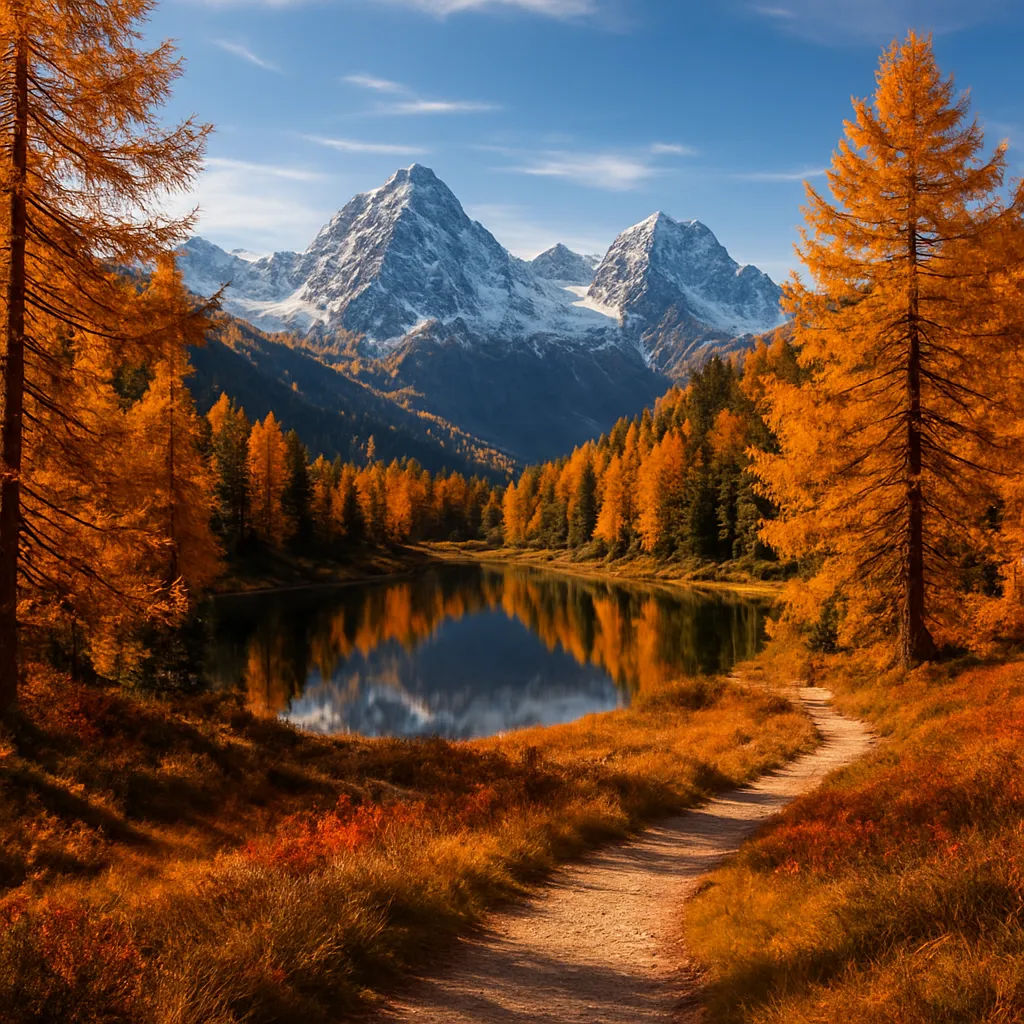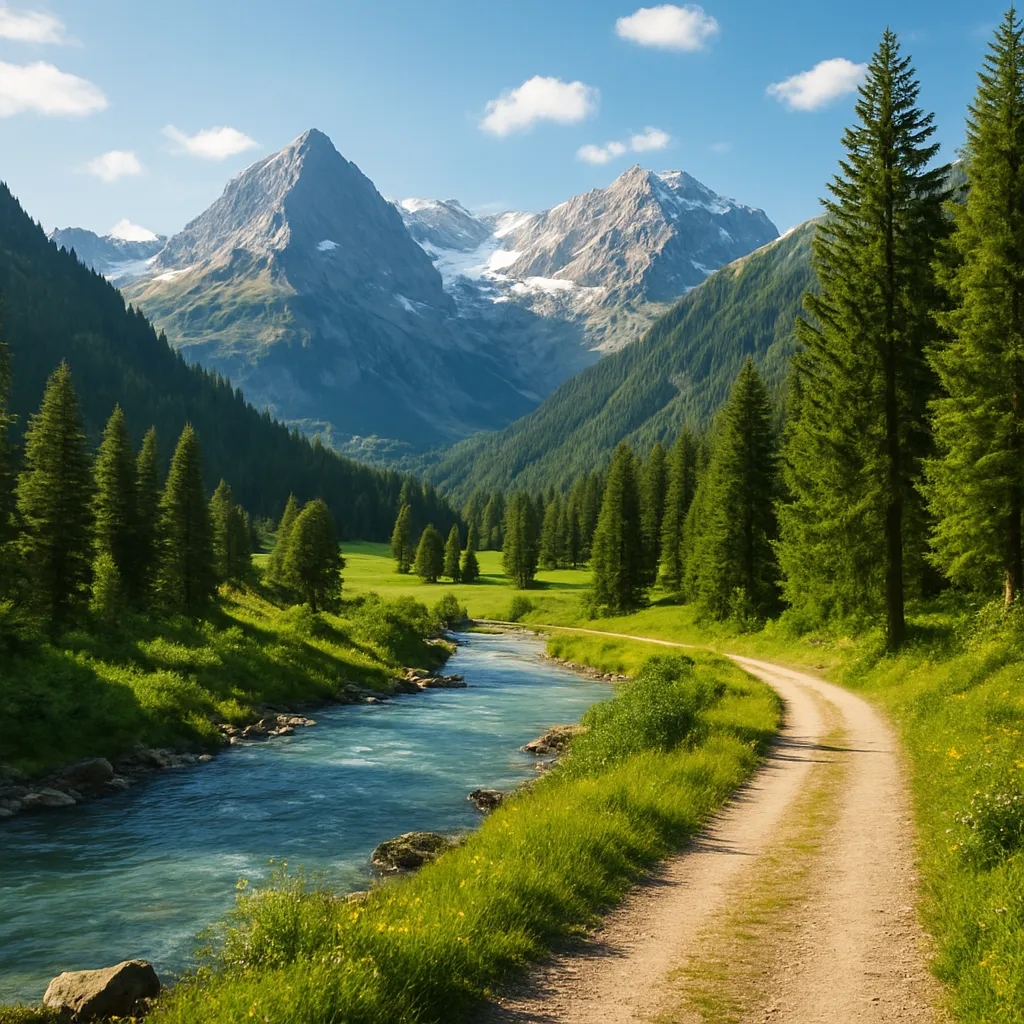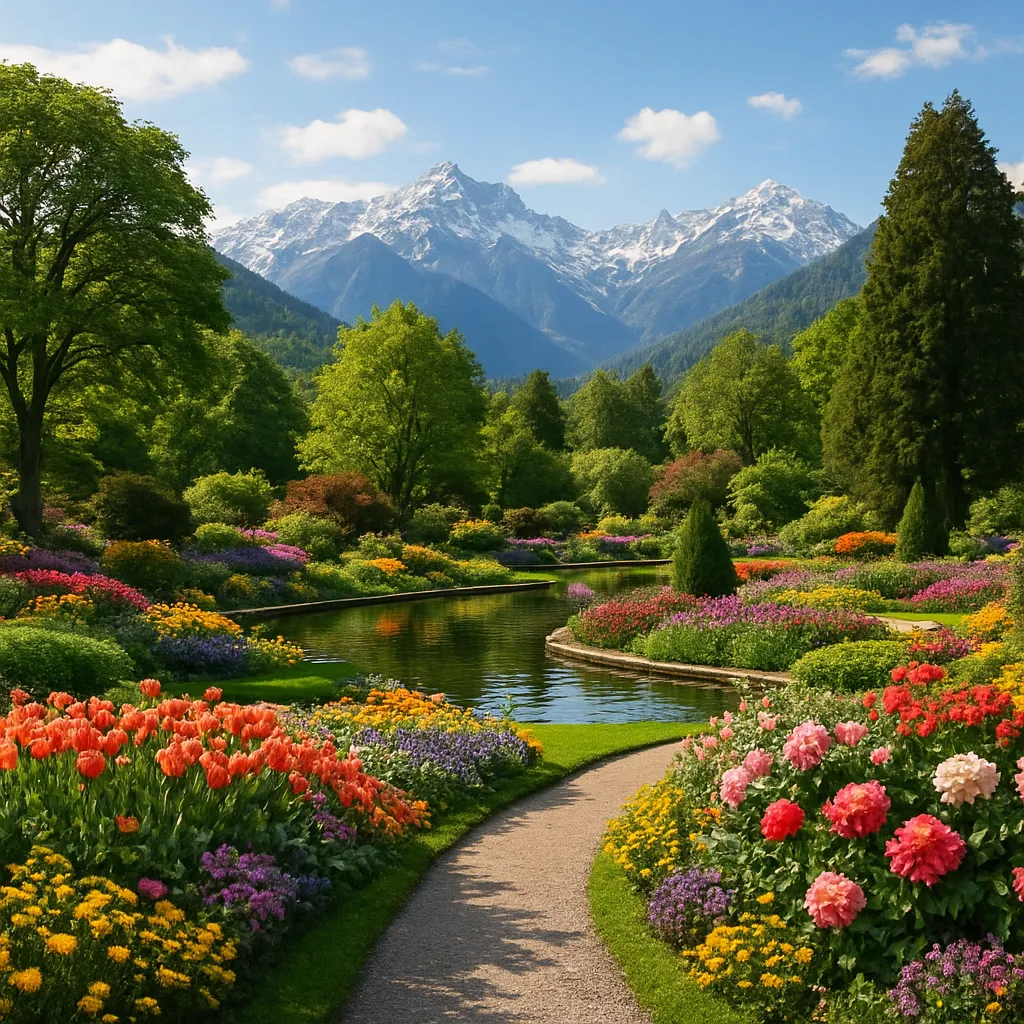
Nestled between soaring peaks and verdant valleys, the Alpine Region unfolds as a realm of unmatched natural beauty and botanical wonder. From centuries-old arboreta to cutting-edge research stations, the landscapes here showcase a kaleidoscope of diversity and resilience. Travelers and scientists alike find inspiration in the delicate interplay of flora and fauna, shaped by a challenging high-altitude climate. This article invites readers on a journey through the most breathtaking botanical gardens in the Alps, highlighting their rich histories, scientific contributions, and visitor experiences.
Geographical and Cultural Context of the Alps
The Alpine mountain range stretches across eight countries, creating a mosaic of customs, languages, and landscapes. From the lavender fields on the southern slopes to the dense conifer forests on the northern flanks, the region supports an astonishing variety of plant communities. Human settlement has adapted to steep inclines and short growing seasons, leading to traditional mountain farming practices that celebrate local crops. Over centuries, monasteries and noble estates established protected gardens to cultivate rare species, laying the groundwork for today’s modern botanical sanctuaries. The combination of geological upheaval, glacial carving, and human stewardship has forged an environment where scientific curiosity meets cultural heritage.
Unique Alpine Flora and Fauna
The Alps host more than 13,000 plant species, many of which are endemic and delicately adapted to high elevations. Alpine meadows burst into color during summer, carpeted by bold reds of Rhododendron ferrugineum and the pale yellows of Gentiana lutea. Mosses and lichens cling to rocky outcrops, tolerating freezing temperatures and intense UV radiation. Mountain goats and marmots play vital roles in seed dispersal, while pollinators such as specialist bees synchronize their life cycles with fleeting bloom periods. Botanical gardens across the region have become living libraries, preserving genetic material and offering refuge to threatened species.
Iconic Botanical Gardens in the Alpine Region
Below are some of the most celebrated alpine gardens where history, science, and beauty converge:
- Villach Alpine Garden (Austria): Founded in 1880, this arboretum features over 5,000 taxa arranged along terraced slopes, including a renowned collection of edelweiss and rock garden species.
- Alpinum Kaiser Franz Josef (Italy): Perched above Merano, this garden boasts exotic high-altitude plants from Asia and the Americas, alongside native mountain herbs once used in traditional medicine.
- Montana Botanical Center (Switzerland): Known for pioneering research in plant physiology, this center integrates glasshouses that simulate different alpine microclimates.
- Château de Montagne (France): A romantic estate turned scientific hub, hosting public exhibitions and nighttime star-gazing events to emphasize the link between mountain ecosystems and celestial cycles.
- High Mountain Garden München (Germany): Specializing in endangered species, this garden maintains a seed bank that supports reintroduction programs across the Alps.
Visitors to these sites can marvel at meticulously designed rockeries, shaded groves of mountain pines, and glasshouses filled with tropical analogues that mirror alpine conditions.
Conservation and Research Initiatives
Modern botanical gardens in the Alps serve dual roles as tourist attractions and bastions of conservation. Through seed banking, ex-situ cultivation, and collaborative fieldwork, garden curators contribute to global efforts against biodiversity loss. Several institutions have established cross-border research networks to track the impact of climate change on alpine species. Key projects include:
Phenology Monitoring
Scientists record flowering and leaf-out dates to detect shifts in seasonal cycles. Early snowmelt and temperature anomalies have already altered the reproductive timing of delicate wildflowers.
Habitat Restoration Programs
Working with local farmers and foresters, gardens sponsor reforestation of eroded slopes. Native species such as Salix reticulata are propagated in nurseries before transplantation into degraded sites.
Genetic Diversity Studies
Advanced molecular techniques reveal population structures and gene flow among isolated mountain communities. This research guides seed exchange protocols and helps maintain healthy plant reservoirs.
Visitor Experience and Practical Tips
Exploring alpine botanical gardens can be both relaxing and enlightening. To make the most of your trip, consider these pointers:
- Plan your visit in late spring or early summer for peak bloom displays.
- Pack layered clothing to accommodate rapid weather changes at altitude.
- Wear sturdy footwear suitable for rocky paths and slippery boardwalks.
- Check garden websites for guided tours, workshops, and seasonal events.
- Support local conservation by purchasing seeds or artisanal products in gift shops.
Many gardens offer family-friendly trails, interactive exhibits on plant physiology, and multimedia presentations that illustrate alpine ecological dynamics. Whether you are a seasoned botanist or a casual admirer, these living museums promise an unforgettable encounter with nature’s resilience.
Future Outlook and Sustainability
As alpine regions face warming trends and human pressures, botanical gardens must adapt their strategies to safeguard fragile species. Innovations in greenhouse technology enable the simulation of future climate scenarios, helping scientists predict plant responses. Educational outreach programs engage communities, emphasizing the importance of sustainable tourism and responsible hiking practices. By integrating traditional knowledge with modern science, alpine gardens continue to champion a vision of harmonious coexistence between people and mountains. Their ongoing work ensures that the remarkable ecosystems of the Alps remain vibrant for generations to come.