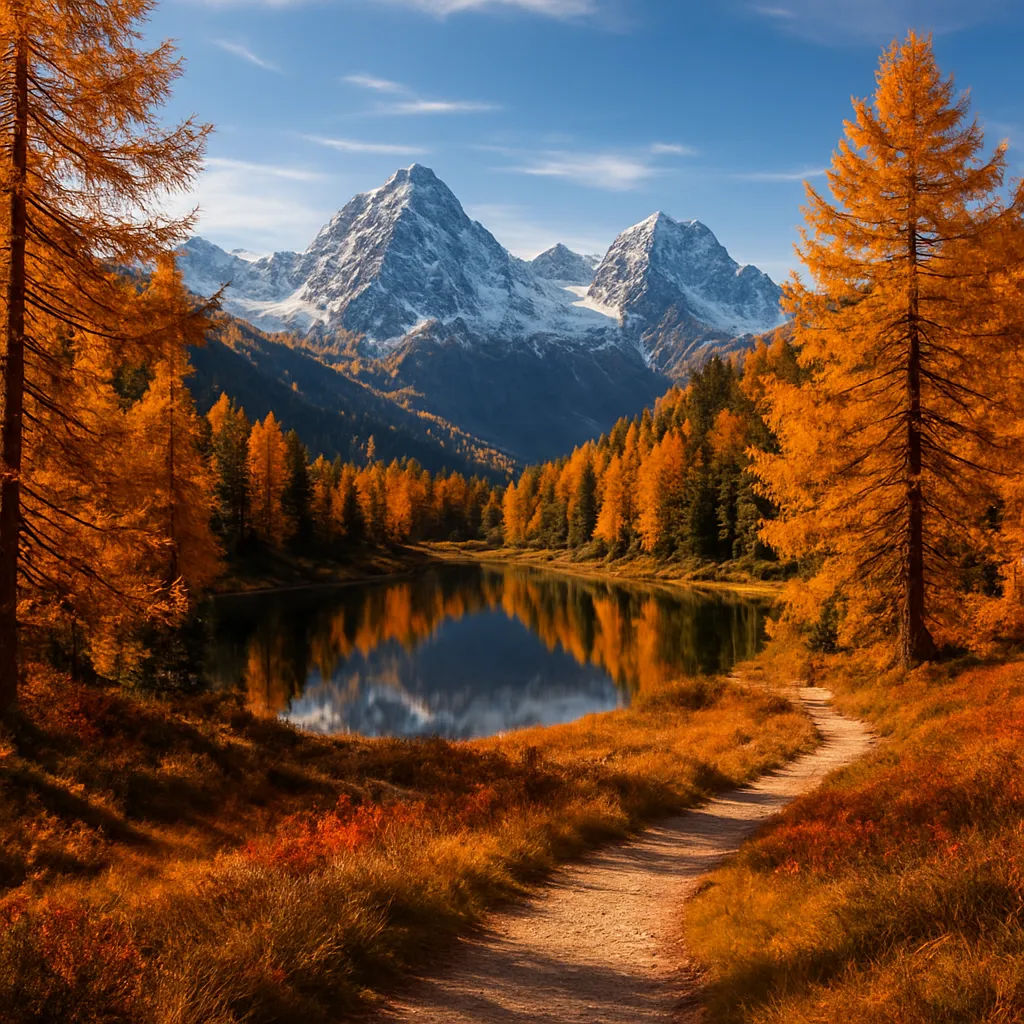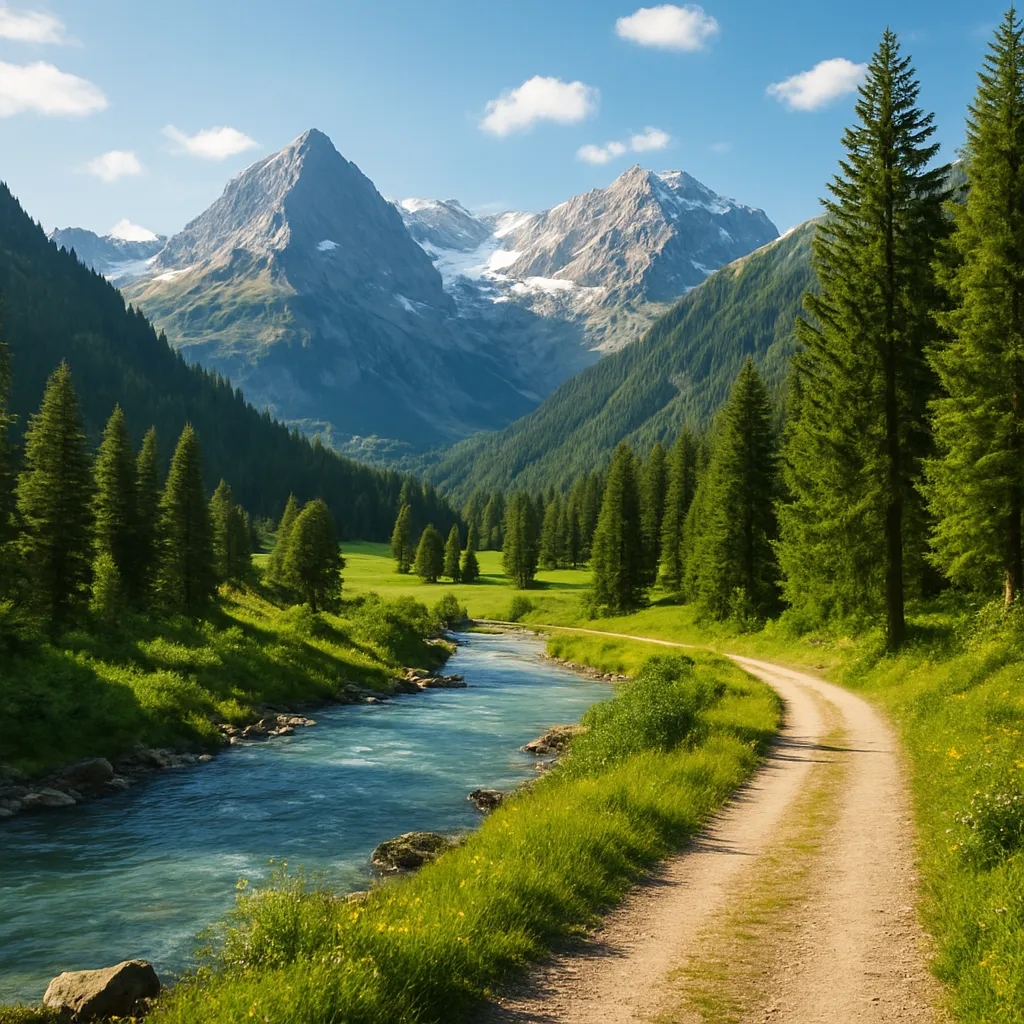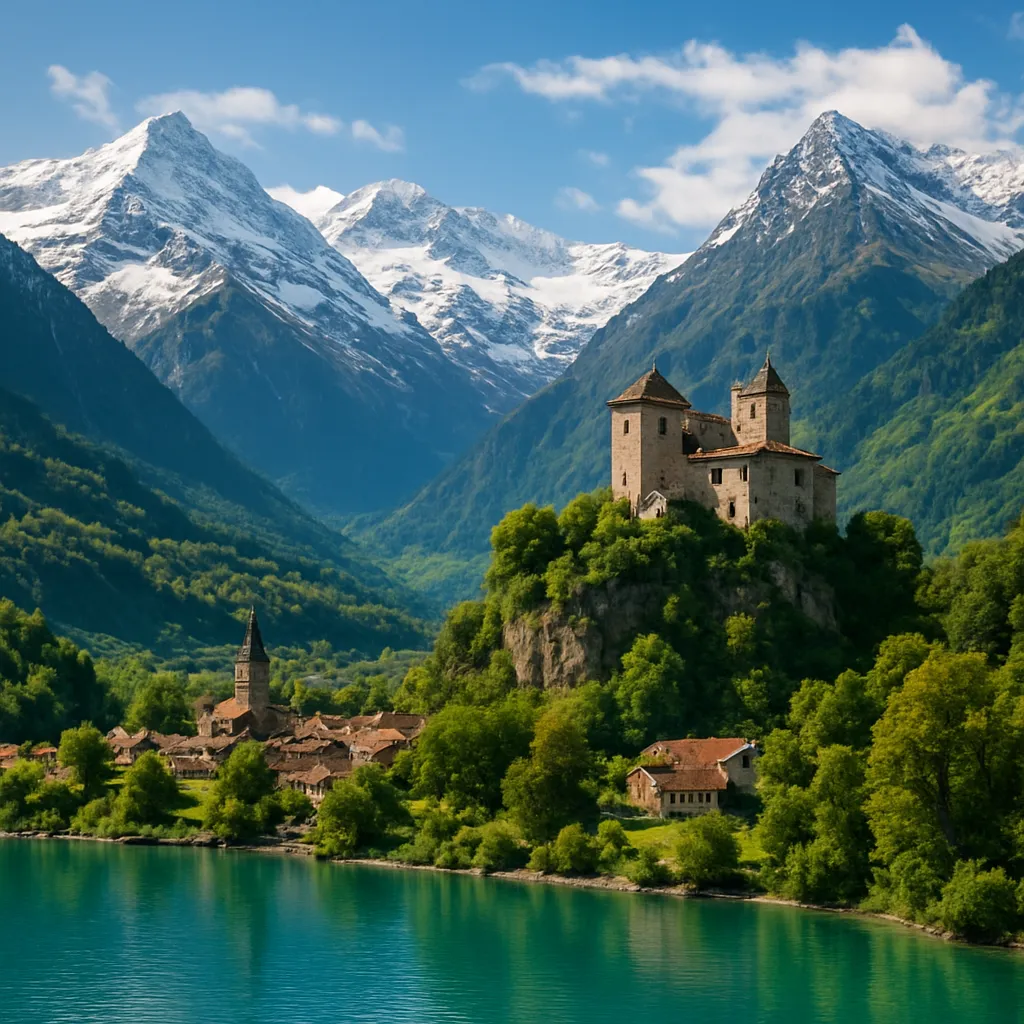
The Alps stretch across eight European countries, forming one of the most iconic mountain ranges in the world. Renowned for their soaring peaks, crystal-clear lakes, and vibrant ecosystems, they have long captivated mountaineers, hikers, and nature enthusiasts. From the dramatic cliffs of the Dolomites to the sprawling glacial plateaus of Mont Blanc, this region is a mosaic of breathtaking scenery and rich cultural traditions. In this article, we explore some of the most incredible aspects of the Alps, highlighting distinguished UNESCO sites, geological wonders, biodiverse habitats, and the resilient communities that call these heights home.
UNESCO Heritage Sites in the Alps
Several Alpine landscapes have been recognized by UNESCO for their outstanding universal value. These designated areas preserve not only geological and ecological features but also centuries-old human interactions with the mountain environment.
Swiss Alps Jungfrau-Aletsch
The Jungfrau-Aletsch region boasts the largest continuous glacial system in Europe. Its vast ice fields carve dramatic valleys, feeding rivers that sustain life far below. Visitors marvel at the UNESCO-protected landscape, which exemplifies the ongoing processes of glacial erosion and deposition.
Rhaetian Railway in the Albula / Bernina Landscapes
This remarkable railway network links Switzerland to Italy, winding through high mountain passes, viaducts, and spiraling tunnels. It showcases early 20th-century engineering and harmonious integration into the alpine environment. Travelers aboard the red panoramic trains enjoy spectacular vistas of snow-capped summits and emerald valleys.
Prehistoric Pile Dwellings around the Alps
These ancient stilt-house settlements, found along lakeshores and wetlands, date back to 5000–500 BC. They reveal invaluable information about early agrarian communities, their social structures, and adaptation strategies in a changing climate. Artifacts recovered from these sites illuminate daily life in prehistoric Europe.
Majestic Peaks and Geological Marvels
The Alps are a testament to the dynamic forces shaping our planet. Formed by the collision of the African and Eurasian tectonic plates, they present a complex tapestry of rock types and structures. Geologists and hikers alike come here to witness nature’s raw power firsthand.
- Mont Blanc (4,808 m): The highest summit in Western Europe, shrouded in legends and scaling challenges. Its imposing granite flanks attract climbers seeking high-altitude adventures.
- Matterhorn (4,478 m): Famed for its near-perfect pyramidal shape, it dominates the Zermatt horizon. The Matterhorn’s steep faces require technical prowess and respect for rapidly changing weather.
- Gran Paradiso (4,061 m): Nestled entirely within Italy, it offers wildlife enthusiasts prime opportunities to spot alpine ibex and chamois grazing on rocky ledges.
- Eiger (3,967 m): Famous for its daunting North Face, nicknamed the “Murder Wall,” it stands as a symbol of mountaineering ambition and risk.
Over millennia, ice and water have sculpted deep cirques, horn peaks, and U-shaped valleys. Today, carefully maintained trails allow visitors to observe these features up close. Interpretive panels along key routes explain ongoing erosion, rockfalls, and the impacts of climate change on shrinking glaciers.
Alpine Flora and Fauna
Despite harsh climates and steep gradients, the Alps harbor an impressive array of life. From flowering meadows to dense conifer forests, elevation belts support unique communities of plants and animals.
Floral Diversity
Alpine meadows burst with color each summer as thousands of species bloom in a short window. Look for rare edelweiss peeking from crevices, while gentians add brilliant blue hues. Botanists track the shifting ranges of these plants as warming temperatures push some species to higher slopes.
Wildlife Highlights
- Alpine ibex: Known for their spectacular horn curves, they navigate dizzying heights with effortless grace.
- Chamois: Agile mountain goats that forage among rocky outcrops at dawn and dusk.
- Golden eagle: Soaring above the peaks in search of small mammals and carrion.
- Alpine salamander: A secretive amphibian adapted to cool, moist environments beneath stones and logs.
Protected reserves and national parks play a crucial role in sustaining this web of life. Conservation programs monitor populations and restore degraded habitats. Educators lead guided tours to foster appreciation for the delicate balance that allows these species to thrive.
Cultural Traditions and Mountain Communities
Human presence in the Alps dates back thousands of years, shaping unique customs and architectural styles. Today, local communities preserve their ancestral heritage while embracing innovation for a sustainable future.
Traditional Architecture
Wooden chalets, stone barns, and slate-roofed farmhouses blend seamlessly with the landscape. Skilled carpenters and masons maintain these structures, which feature deep eaves and sturdy foundations designed to withstand heavy snowfall.
Festivals and Folklore
- Alpine cattle drives: Every summer, cows wearing ornate bells are herded to high pastures, celebrated with music, feasting, and colorful attire.
- Folk music: Yodeling and alphorn performances echo across valleys, connecting communities to their mountain roots.
- Artisan crafts: Local artisans produce intricate wood carvings, textiles, and cheeses using time-honored techniques.
Sustainable tourism initiatives ensure that economic benefits remain within the region. Eco-lodges utilize renewable energy, while guided eco-tours educate visitors about responsible practices. By supporting local producers and conservation efforts, travelers help protect the Alps for generations to come.