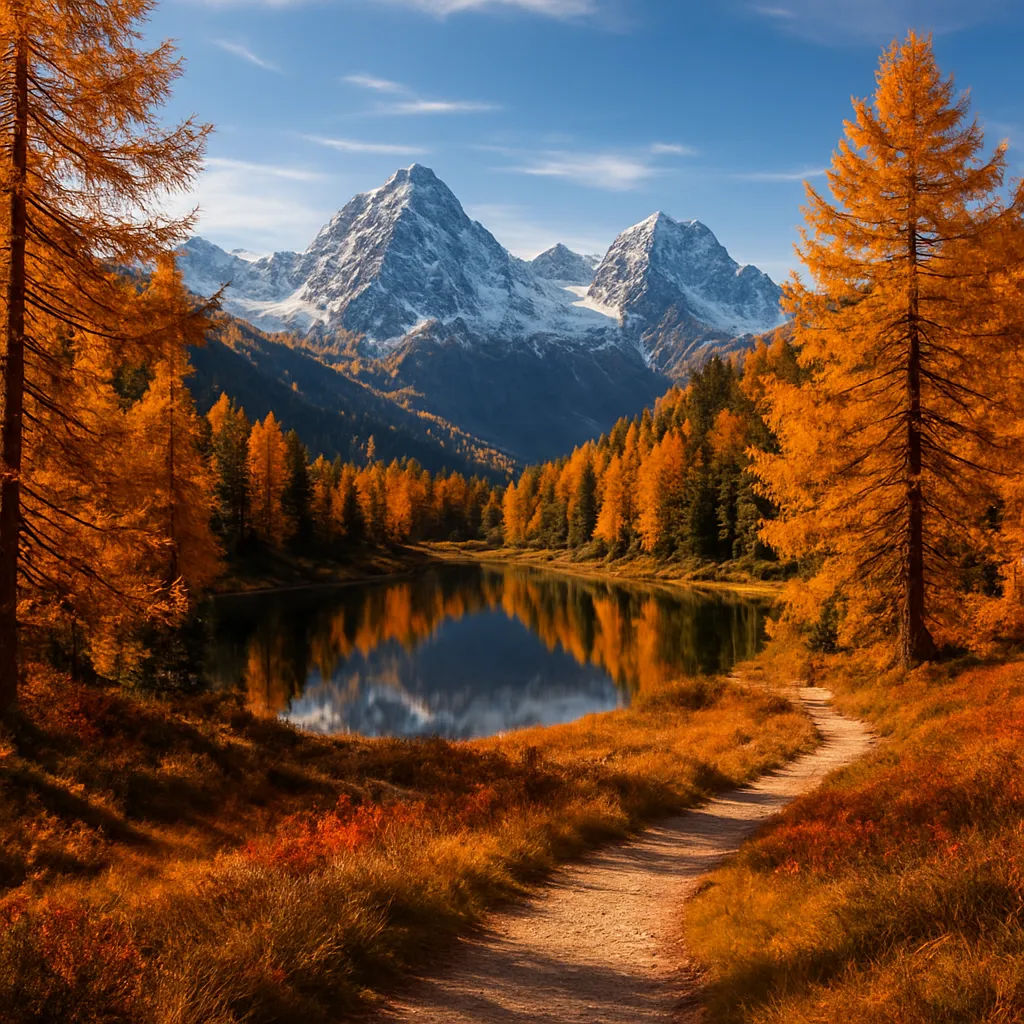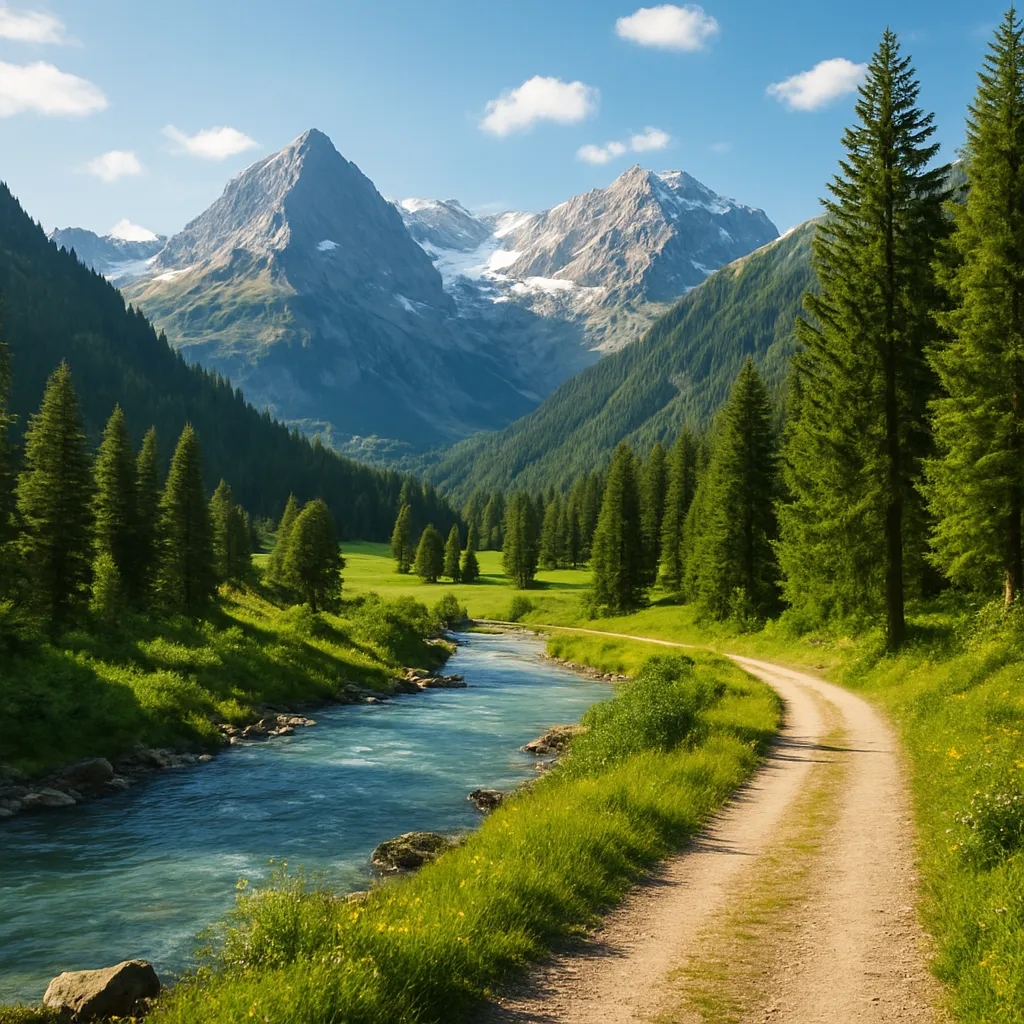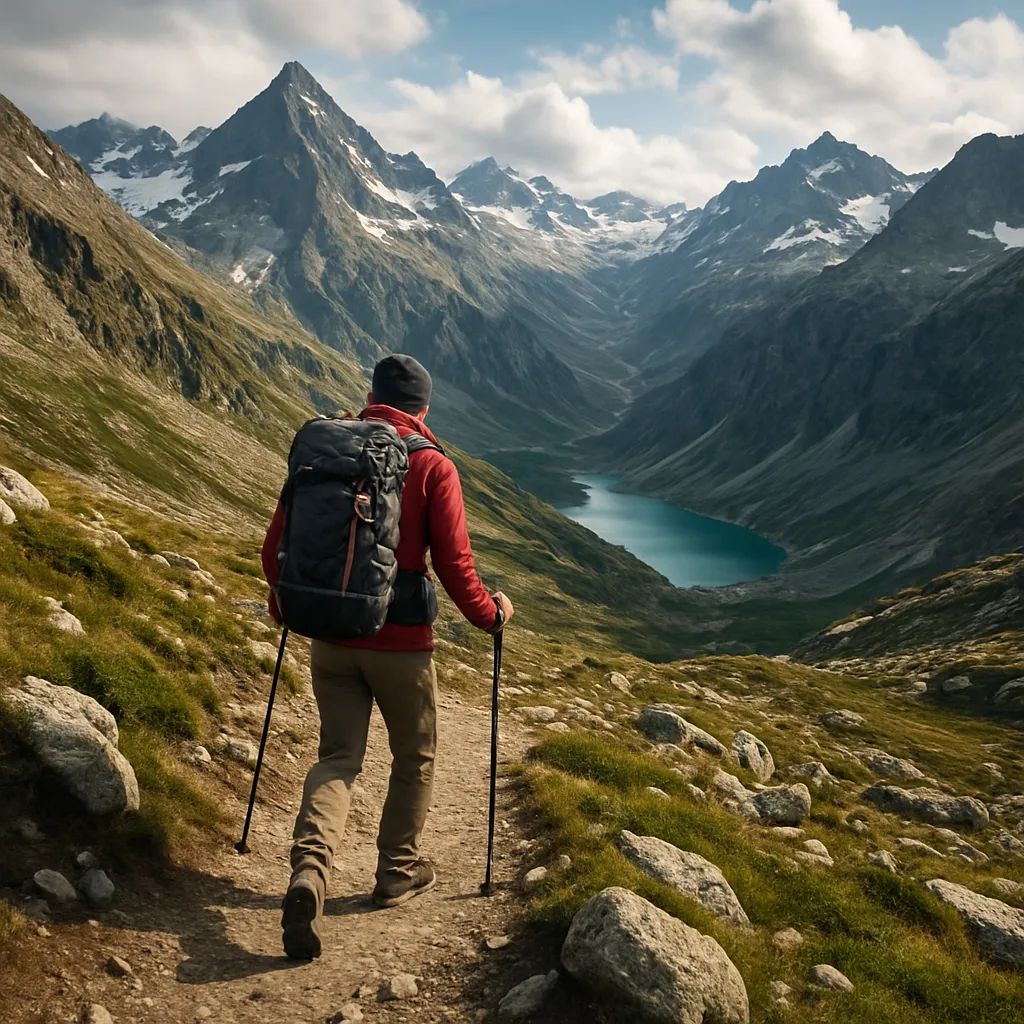
The Alps stand as a testament to nature’s raw power and enduring beauty, offering thrill-seekers corridors of ice, rock, and snow that beckon to the heart of every adventure enthusiast. These jagged peaks and verdant valleys present an unparalleled playground for those seeking both physical challenge and spiritual renewal. From legendary long-distance treks to high-altitude ski traverses, the Alpine crossings push participants to confront their limits while basking in some of the most breathtaking panoramas on Earth.
Origins of Alpine Exploration
Long before modern gear and organized guiding companies, daring souls traversed these peaks with rudimentary equipment, driven by the spirit of exploration. The early 19th century heralded the “Golden Age of Alpinism,” when climbers like Edward Whymper made historic first ascents and opened routes that remain iconic today. Their accounts chronicled not only the physical challenges but also the sense of awe in standing on a lofty summit, gazing across an endless sea of peaks.
Early explorers balanced on wooden crampons, hacked trails through crevassed glaciers, and navigated without modern maps. Their persistence laid the foundation for contemporary Alpine culture, where safety, respect for the wilderness, and enthusiasm for innovation coalesce. This heritage informs the way modern adventurers prepare, emphasizing the importance of knowledge, teamwork, and environmental stewardship.
Iconic Crossing Routes
Traversing the Alps can take many forms, from ski undertakings across high passes to multi-day trekking expeditions that thread through rugged ridges and lush valleys.
Haute Route: Chamonix to Zermatt
One of the most renowned ski traverses, the Haute Route connects France’s Chamonix valley with Switzerland’s Zermatt, passing beneath the famous Matterhorn. Over seven to ten days, participants tackle high-altitude glaciers and remote alpine huts.
- Duration: 7–10 days
- Elevation Gain: Approximately 12,000 meters
- Main Challenges: Crevasse navigation, avalanche risk, rapid weather changes
- High Point: Col du Chardonnet (3,824 m)
Tour du Mont Blanc
A classic trekking loop encircling Europe’s highest peak, the Tour du Mont Blanc spans France, Italy, and Switzerland. Hikers undertake a 170-kilometer journey with over 10,000 meters of cumulative ascent, passing through alpine meadows and traditional villages.
- Duration: 8–12 days
- Difficulty: Moderate to strenuous
- Highlights: White clouds of edelweiss, panoramic views of the Mont Blanc massif, authentic mountain cuisine
Via Alpina Red Trail
Stretching from Slovenia to Monaco, the Red Trail is a long-distance trek covering over 5,000 kilometers. While most adventurers choose segments rather than the entire route, each section offers unique cultural and geological experiences. The journey crosses eight countries and takes travelers across a mosaic of alpine ecosystems.
- Segments: 161 stages
- Countries: Slovenia, Austria, Germany, Liechtenstein, Switzerland, Italy, France, Monaco
- Features: Alpine flora, UNESCO heritage sites, historic mountain passes
Preparing for an Epic Journey
Successful Alpine crossings hinge on meticulous planning and training. Physical conditioning is paramount, but equal attention must be given to technical skills and logistical details.
- Physical Training: High-intensity interval workouts, uphill stair sessions, weighted backpack hikes
- Technical Skills: Ice axe self-arrest, rope team coordination, crevasse rescue techniques
- Equipment Essentials:
- Technical pack (40–60 L)
- Crampons and ice tools
- Layered clothing for variable weather
- GPS device and alpine maps
- Emergency bivouac gear
- Nutrition & Hydration: High-calorie, lightweight foods; electrolyte supplements
- Mental Preparation: Visualization exercises, teamwork drills, contingency planning
Equally critical is securing accommodation—whether in rustic mountain huts perched on ridges or in designated wilderness campsites. Many routes require advance reservations, especially during peak season (June to September for trekking, February to April for ski tours).
Safety and Environmental Stewardship
Respect for the mountain environment goes hand in hand with personal safety. The Alps are dynamic, with shifting glaciers, unpredictable storms, and wildlife habitats that demand cautious passage.
- Avalanche Awareness: Regular SNOWPACK tests, avalanche beacon drills, real-time weather monitoring
- Leave No Trace Principles: Minimizing waste, avoiding sensitive habitats, using established trails
- Mountain Hazards: Falling ice, sudden drop-offs, altitude sickness
- Wildlife Encounters: Alpine chamois, marmots, ibex—maintain safe distances and avoid feeding
Innovations such as solar-powered huts, group-guiding certifications, and multilingual trail signage enhance both safety and accessibility. However, each traveler bears personal responsibility for route-finding and decision-making under changing conditions.
Beyond the Classics: Lesser-Known Alpine Routes
For those seeking solitude and fresh challenges, the Alps harbor hidden gems far from the crowds.
TMB Plus Variant
An offshoot of the Tour du Mont Blanc, this variant loops through less-traveled valleys in Italy, offering deeper immersion in rural alpine culture and quieter high passes.
Dolomiti di Brenta Traverse
Nestled in Italy’s Brenta Dolomites, this traverse passes through dramatic spires and narrow couloirs. Via ferrata sections add vertical excitement for climbers.
Alpi Marittime Traverse
Stretching from southern France into northwest Italy, these mountains blend Mediterranean flora with high-alpine terrain. The route offers mixed scrambling and camping beneath star-studded skies.
The Transformative Power of Alpine Travel
Crossing an Alpine corridor is more than a physical feat; it’s a journey of self-discovery and communion with nature. Every step tests resilience, every ridge reveals sweeping panorama, and every night under canvas evokes humility before the vastness of these mountains. The Alps, with their century-spanning legacy of mountaineering, continue to call adventurers to write their own chapters of triumph, fatigue, and wonder. Embrace the challenge, honor the historic spirit of those who blazed trails before you, and forge memories that will endure long after the final descent.