The winding roads of the Alpine regions have long fascinated travelers, historians, and engineers alike. From ancient trade caravans to modern-day cyclists, these mountain corridors tell tales of daring crossings, monumental feats of engineering, and vibrant cultural exchanges. Spanning countries and centuries, the Alps remain a living canvas of human perseverance and natural wonder.
Historic Alpine Passes: Gateways of Empires
High above the valleys, the mountain pass routes forged connections between disparate peoples. Their origins often trace back to prehistoric times, when small bands of traders sought new markets. Over the centuries, these paths evolved into essential arteries for armies, pilgrims, merchants, and adventurers. Each pass holds a unique chapter in the grand story of Europe’s rise.
Great St Bernard Pass
At nearly 2,500 meters above sea level, the Great St Bernard deserves legendary status. Roman legions once marched along its narrow trail, followed centuries later by Christian pilgrims seeking guidance at the monastery that still stands guard. With its hospices and iconic rescue dogs, this pass symbolizes compassion in one of the world’s most frigid landscapes.
Stelvio Pass
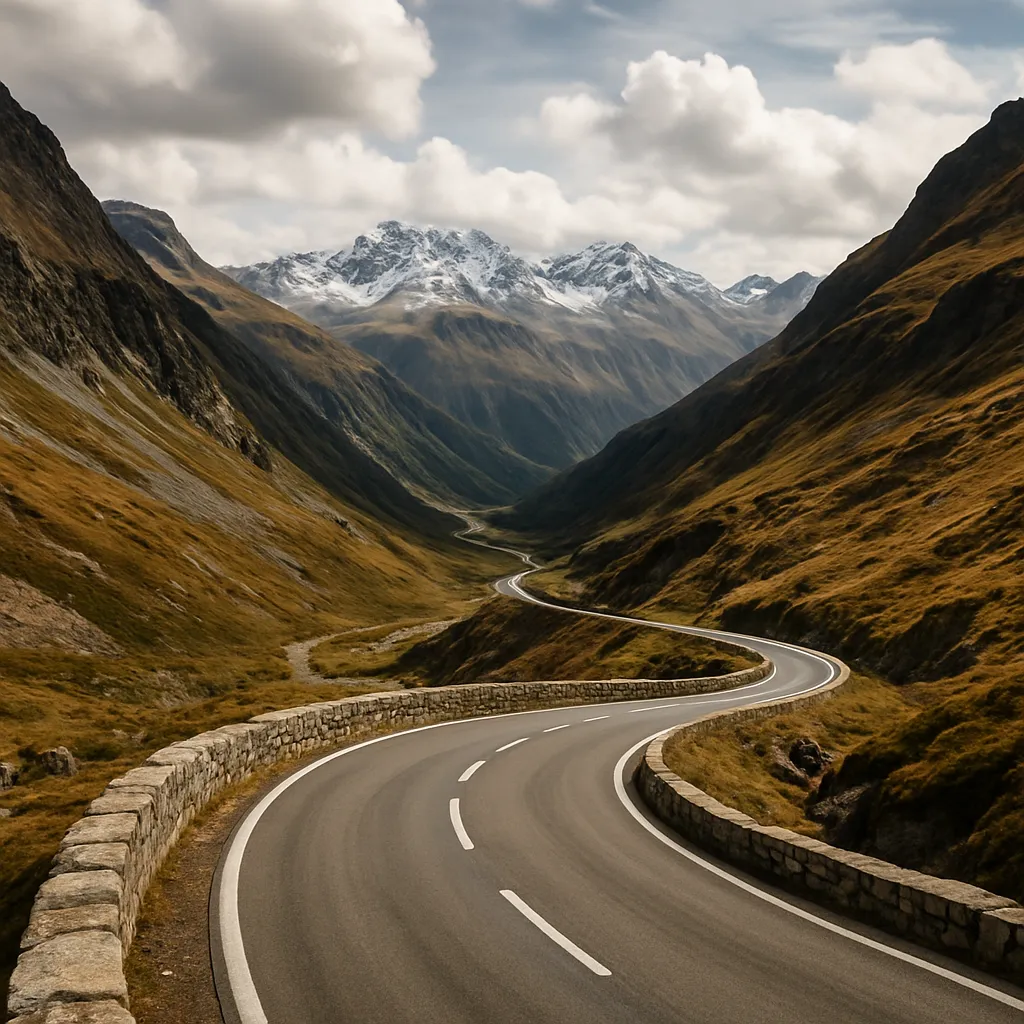
Perhaps the most hairpin-laden of all Alpine roads, the Stelvio involves 48 bends carved into steep slopes. Initially built in the early 19th century to connect Austria to the newly acquired province of Lombardy, it has since become a mecca for cycling and motorsport enthusiasts. Conquering Stelvio remains an ultimate test of human grit and mechanical endurance.
Brenner Pass
Lower and gentler than many of its neighbors, the Brenner has served as Europe’s principal north-south axis since Roman times. Under snow or sunshine, it has witnessed the diplomatic negotiations between kingdoms, the movement of goods in bustling caravans, and the merging of Alpine cultures into a shared tapestry of languages and traditions.
Engineering Marvels: Building Roads Through the Heights
Constructing reliable roads in an environment prone to avalanches, rockslides, and severe storms required innovative solutions. Engineers pushed the boundaries of contemporary technology to stabilize slopes, drain icy torrents, and create tunnels that pierced through once-impenetrable ridges. The result is a network of routes that combine aesthetic brilliance with absolute functionality.
- Use of retaining walls and reinforced concrete
- Design of avalanche galleries to protect travelers
- Implementation of heated road sections in avalanche-prone zones
- Tunneling breakthroughs: from primitive hand tools to tunnel-boring machines
Today’s road crews continue to enhance safety measures, introducing monitoring systems and advanced weather forecasting to guarantee year-round accessibility. These improvements not only safeguard cargo trucks and holidaymakers but also preserve the fragile alpine wildlife and ecosystems that thrive near the roadsides.
Cultural Legends and Stories Carved in Snow
Beyond their physical presence, the passes inspired myths and legends. Alpine communities passed down tales of spectral guides, hidden treasures, and miraculous rescues. Minstrels and poets wove these stories into ballads, celebrating the triumph of human spirit over unforgiving terrain.
During medieval times, the passes morphed into stages for painters and sculptors who documented the grandeur of snow-capped peaks and shifting clouds. Pilgrims crossing on foot recorded their spiritual encounters, while merchants etched their marks on wooden signposts—early testaments to the enduring significance of these routes.
Legends of the Ice Maiden
In remote valleys, legend speaks of a silent guardian known as the Ice Maiden. Said to appear when travelers lose hope, she offers warmth and guidance, then vanishes at dawn. This figure embodies resilience, reminding all who journey through the high Alps that faith and benevolence can conquer the harshest winters.
Saints, Smugglers, and Soldiers
The duality of Alpine history is evident in the same rock walls that sheltered devout pilgrims also facilitating covert smuggling operations. During wartime, the passes became vital supply routes for armies, often guarded by sentries but still whispered about as the last refuge for fugitives and revolutionaries seeking safe haven.
Modern Relevance: Tourism, Transport, and Conservation
In the contemporary era, these mountain arteries balance heavy freight traffic with a booming tourism industry. Trucks laden with goods rumble alongside sleek coaches carrying sightseers eager to admire panoramic vistas. Meanwhile, dedicated cycle lanes invite challengers to measure themselves against legendary ascents.
Efforts to protect Alpine biodiversity have led to integrated approaches, where road maintenance collaborates with conservationists. Wildlife corridors allow ibex, marmots, and golden eagles to navigate across human-made obstacles safely. Alpine meadows regrow around tunnel portals, while specialized fencing and eco-bridges reduce habitat fragmentation.
- Eco-friendly snow-clearing machinery
- Solar-powered lighting in tunnels
- Real-time avalanche detection networks
- Visitor centers promoting local heritage and sustainable practices
The spirit of adventure still draws road trippers and hiking enthusiasts, eager to trace the footsteps of history. For many, traversing these passes is more than a journey; it is an encounter with centuries of human determination, cultural exchange, and the breathtaking landscape that shaped Europe itself.