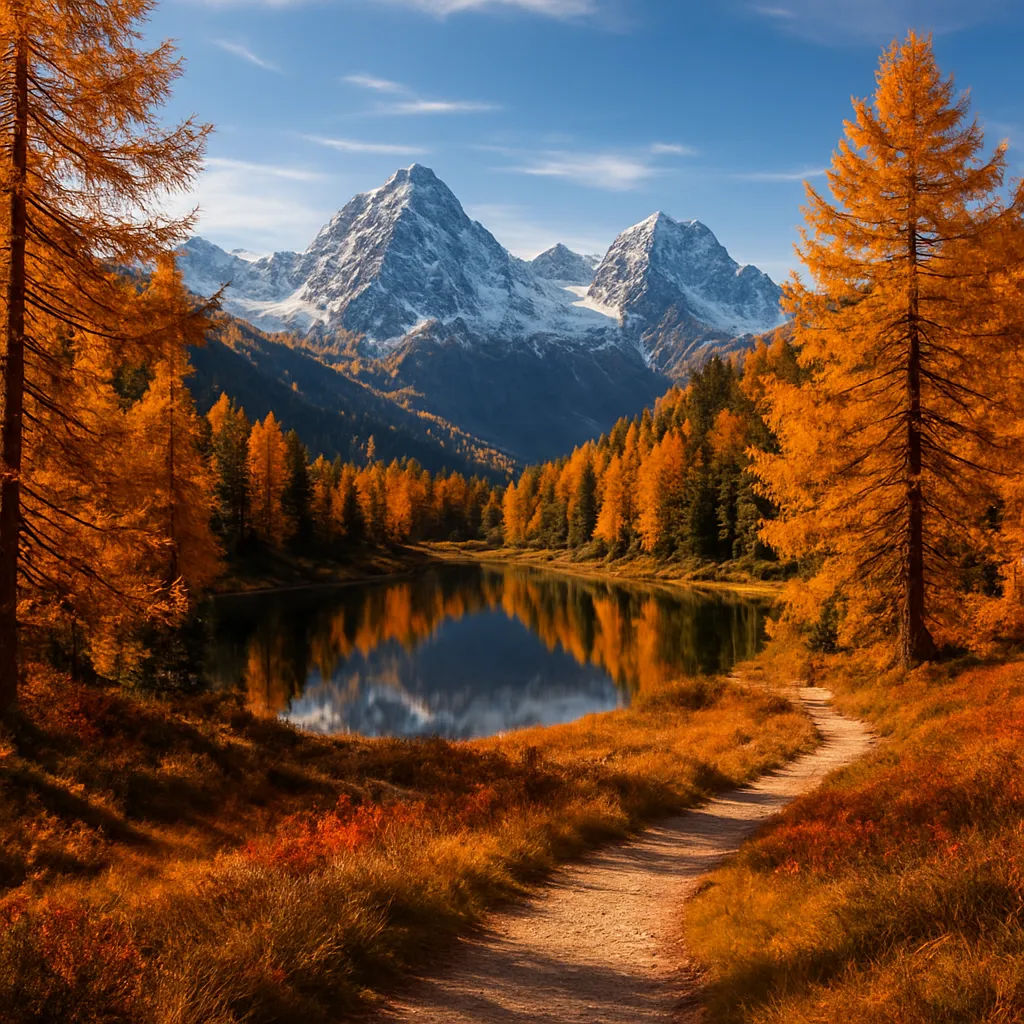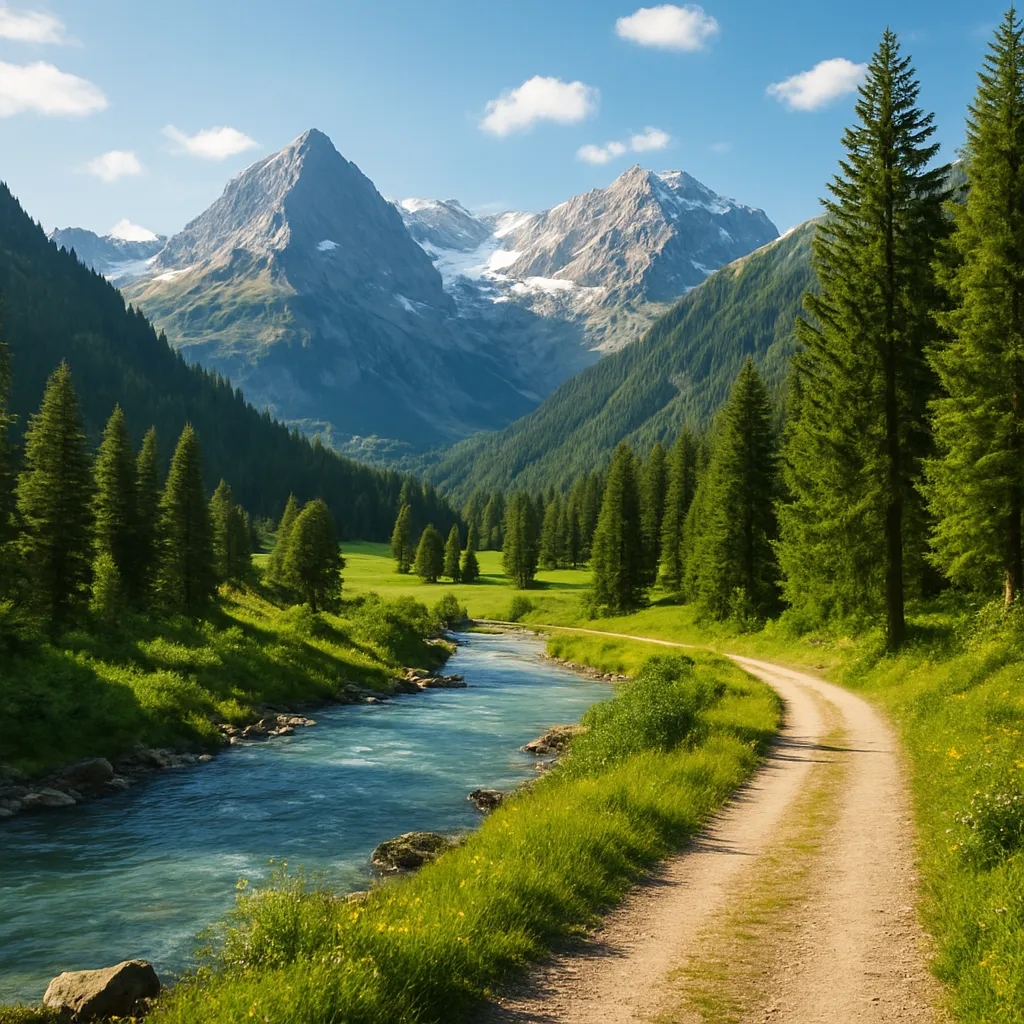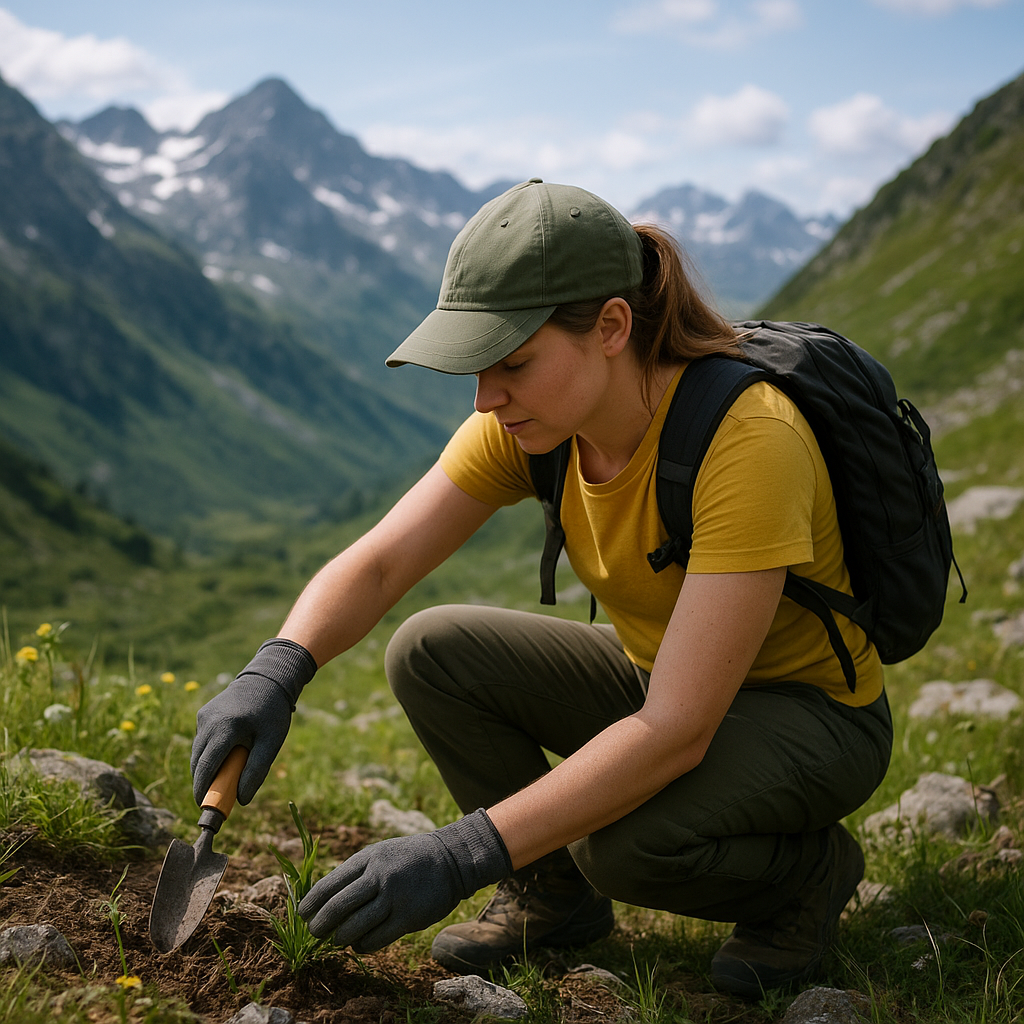
The Alps stand as an iconic mountain range that stretches across eight countries, offering a unique blend of rugged peaks, lush valleys, and vibrant cultures. Volunteering in an Alpine conservation project presents an extraordinary opportunity to engage directly with this stunning environment, contribute to vital preservation efforts, and cultivate a profound connection with nature. As you embark on this journey, you will discover how your efforts in trail restoration, species monitoring, and community outreach can make a lasting impact on the region’s biodiversity and future resilience.
Understanding Alpine Ecosystems
Landscape and Climate
At the heart of any conservation initiative lies a comprehensive grasp of the local environment. Alpine landscapes are characterized by steep slopes, rocky summits, glacial features, and mosaic forests. Seasonal temperature swings, heavy snowfall, and occasional avalanches shape the daily lives of flora and fauna. These extreme conditions foster specialized adaptations and create microhabitats that harbor endemic plants and endangered species.
Flora and Fauna
The Alpine region is a hotspot for ecology enthusiasts. You may encounter the delicate edelweiss clinging to cliff faces, vibrant alpine meadows teeming with gentians, and hearty conifers at lower elevations. Wildlife includes chamois, ibex, marmots, and golden eagles, each playing a crucial role in maintaining balanced food webs. Understanding these interconnections helps volunteers appreciate the significance of preserving every habitat, no matter how small.
Values of Ecosystem Services
Alpine valleys provide critical services such as water purification, carbon storage, and flood regulation. Mountains act as natural barriers, influencing weather patterns that benefit agriculture and human settlements downstream. Recognizing these ecosystem services underscores how conservation extends far beyond preserving scenery—it sustains livelihoods and global environmental health.
Preparing for a Conservation Project
Research and Training
Before arriving on-site, thorough preparation is essential. Begin by researching organizations active in the Alps—national parks, NGOs, or research institutes—and identify projects aligning with your interests. Many programs offer pre-departure training modules that cover:
- Basic mountain safety and navigation techniques
- First aid and emergency protocols
- Scientific methods for data collection and species identification
Familiarity with GPS devices, mapping software, and digital data entry can greatly enhance your effectiveness in the field. Additionally, learning key phrases in local languages fosters better communication with residents and fellow volunteers.
Key Steps to Secure Your Placement
- Complete volunteer application forms well in advance.
- Obtain necessary permits and insurance.
- Arrange travel logistics and accommodation.
- Pack appropriate gear, including weatherproof clothing, sturdy boots, and reusable supplies to minimize waste.
Effective planning demonstrates your commitment and ensures a smoother integration into the project team.
Health and Safety Considerations
Volunteering at high altitudes requires vigilance regarding altitude sickness, hypothermia, and changing weather. Conditioning hikes, proper hydration, and knowledge of altitude adaptation methods help build resilience. Carrying a basic medical kit and establishing check-in routines with project coordinators further reduce risks.
Volunteering Roles and Responsibilities
Trail Restoration and Erosion Control
Mountain trails face constant wear from hikers and harsh weather. Your tasks may involve:
- Repairing stone steps and retaining walls.
- Installing drainage features to prevent soil erosion.
- Clearing debris while avoiding disturbance to nearby vegetation.
These efforts support sustainable tourism by ensuring safe access and protecting fragile ecosystems.
Wildlife Monitoring and Habitat Assessment
Citizen science plays a vital role in gathering long-term data. Under expert guidance, volunteers can:
- Conduct wildlife surveys using camera traps and point counts.
- Map vegetation zones and track phenological changes (flowering, leaf-out).
- Record water quality parameters in alpine streams.
Accurate data informs management decisions and helps authorities identify critical areas for protection.
Environmental Education and Outreach
Sharing knowledge strengthens local community engagement. As a volunteer, you might:
- Lead guided nature walks for school groups or tourists.
- Develop informational signage on sustainable practices.
- Host workshops on waste reduction, native plant gardening, or climate change impacts.
Effective outreach fosters a culture of stewardship and inspires long-term support for conservation.
Challenges and Rewards
Overcoming Physical and Emotional Demands
Working in remote mountain areas can be physically taxing and mentally demanding. Early mornings, manual labor, and isolation test your endurance and adaptability. However, these challenges often lead to personal growth:
- Building perseverance through strenuous tasks.
- Developing problem-solving skills when resources are limited.
- Forming deep bonds with teammates and local residents.
These experiences reinforce the value of collaboration and shared commitment to a greater cause.
Witnessing Tangible Impact
Few experiences rival the satisfaction of seeing restored trails, healthier habitats, and thriving wildlife firsthand. Each sapling planted or invasive species removed contributes to the larger goal of preserving Alpine grandeur. Volunteers often report a renewed sense of purpose and an enduring connection to the mountains long after their time on-site concludes.
Building a Global Conservation Network
Projects in the Alps attract participants from around the world. Through volunteer exchanges and online forums, you can establish lasting professional and personal relationships. These networks provide support for future initiatives and amplify your contributions to global environmental efforts.
Continuing Your Alpine Conservation Journey
Volunteering in an Alpine conservation project is not merely a short-term commitment; it’s an invitation to become part of a vibrant legacy of environmental protection. By immersing yourself in the rhythms of mountain life, you help safeguard an ecosystem of unparalleled beauty and importance. Whether you return season after season or apply your newfound skills to other regions, your efforts will echo across ridges and valleys, inspiring future generations to cherish and conserve the Alps.