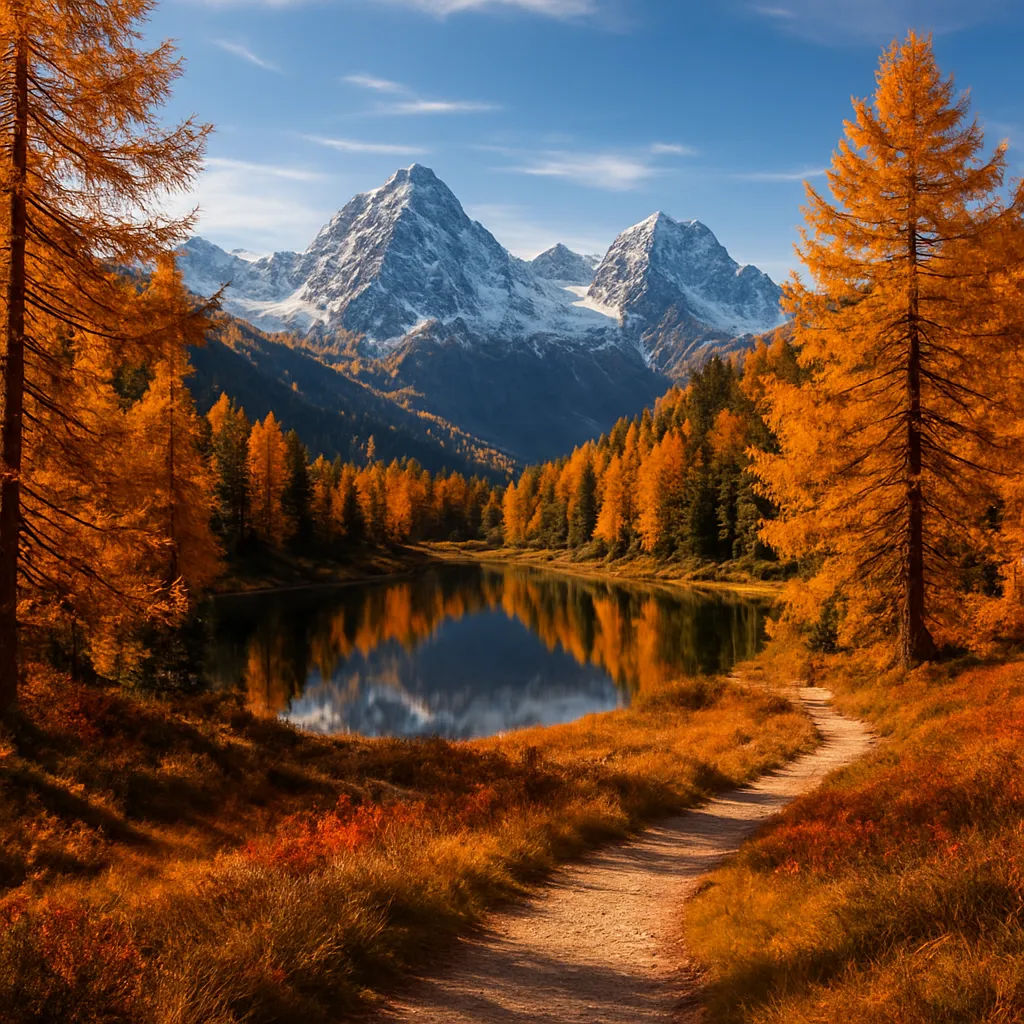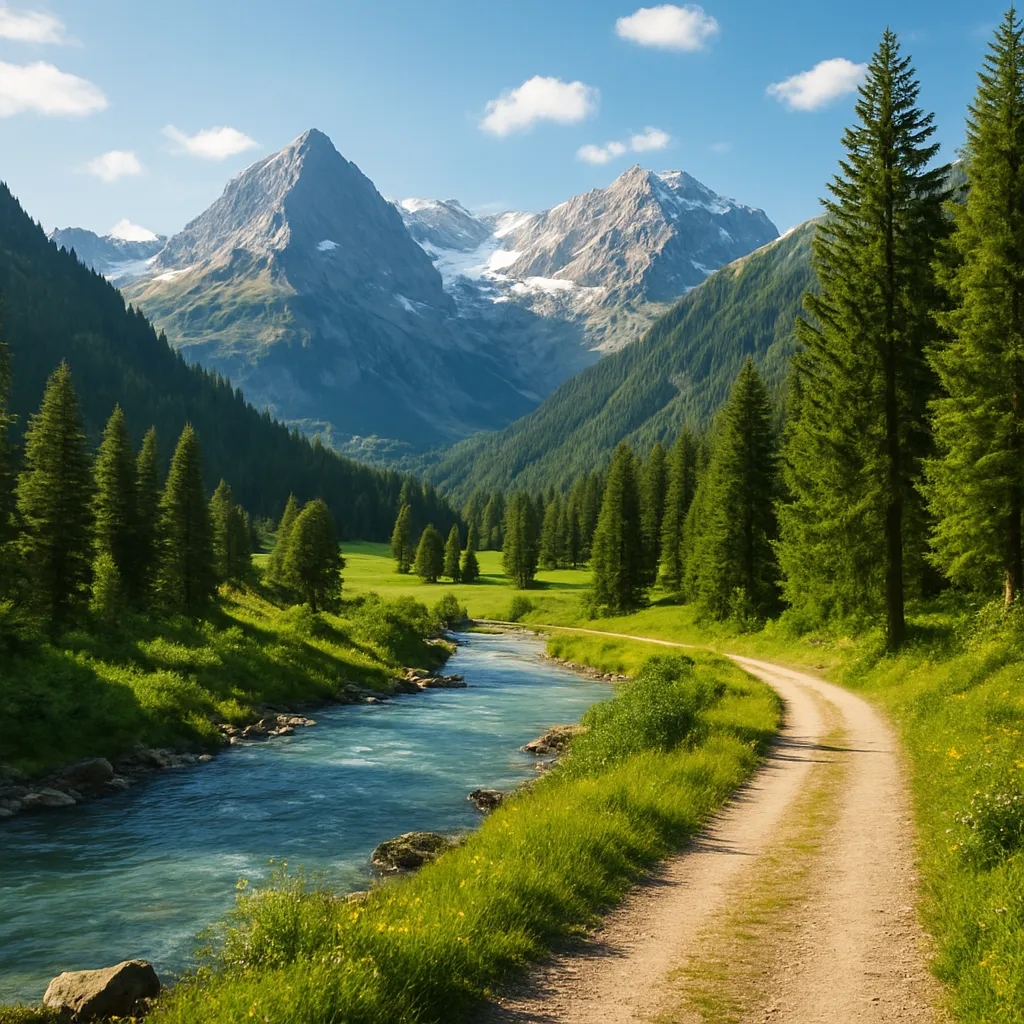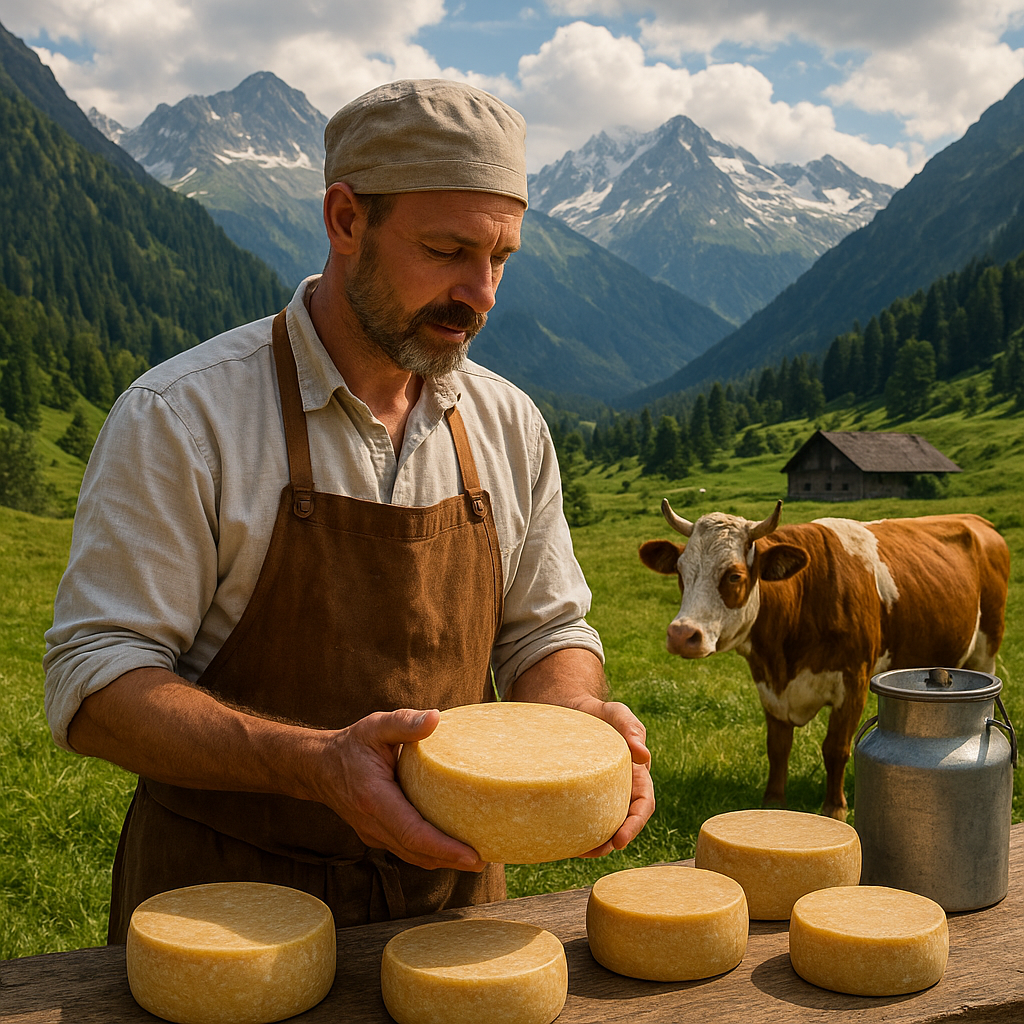
The majestic peaks of the Alpine landscape have nurtured a remarkable legacy of cheese making that spans centuries. Carved by glaciers and crowned with wildflower meadows, these mountains are home to families of artisanal farmers who transform fresh milk into beloved varieties like Gruyère, Beaufort, and Raclette. Rooted in time-honored methods, each wheel of cheese embodies the region’s heritage and the delicate balance of its ecosystem. From mountain pastures to cool cellars, every step in the journey showcases the interplay of skill, environment, and community.
Origins of Alpine Cheese Making
Long before modern conveniences, mountain dwellers relied on milk preservation to withstand harsh winters. The practice of curdling fresh milk with natural rennet led to robust, ageable cheeses. Over generations, local farmers refined techniques, adjusting acid levels and pressing methods to suit seasonal variations. Monasteries often acted as centers of knowledge, sharing recipes and aging practices. This shared wisdom fostered a network of alpine villages where tradition was as vital as the crisp mountain air.
Terroir and Pasture: The Heart of Flavor
The Influence of Alpine Meadows
The unique character of mountain cheese stems from the flowers and grasses grazing cows feast upon. Alpine pastures burst with aromatic herbs—thyme, gentian, and edelweiss—that infuse milk with subtle notes. These meadows yield a complex bouquet, empowering cheesemakers to craft wheels with distinguishable flavor profiles. As cows ascend to higher altitudes in summer, the diversity of plants heightens, further elevating the taste.
Seasonal Transhumance
Every year, herds embark on a ritual migration known as pastoral transhumance. In spring, livestock travel from lowland valleys to high meadows, following thawing snowlines. This migration not only optimizes forage use but also preserves fragile soils by preventing overgrazing. As livestock return downhill in autumn, farmers celebrate with festivals that honor their enduring connection to the land.
The Art of Cheesemaking
Milk Collection and Quality Control
Cheesemaking begins at dawn, when fresh milk arrives directly from mountain farms. Stringent hygiene and temperature monitoring ensure the best starting material. Small cooperatives conduct real-time tests, measuring acidity and fat content to guarantee consistency. Any variation in these parameters can influence the final texture and aging process.
Curd Formation and Cutting
Within copper vats or stainless-steel tanks, milk is gently warmed to a precise temperature. Natural rennet, often derived from calf, kid, or lamb stomach lining, is added to initiate coagulation. When the curd reaches the ideal firmness, it is carefully scooped and cut into small granules. The size of these granules determines moisture levels: the finer the curd, the harder the cheese.
Pressing, Brining, and Aging
- Pressing: Curds are transferred to molds, where pressure expels whey and unites the mass.
- Brining: A salt bath adds flavor, aids rind formation, and inhibits unwanted microbial growth.
- Aging: Cheeses mature in cellars with controlled humidity and temperature. Some wheels age for months, while others rest for years, developing deep aromas and complex textures.
Sustainability and Community
Respect for the mountain environment is crucial to Alpine cheesemaking. Farmers practice rotational grazing to protect biodiversity and maintain pasture health. Many cooperatives have embraced sustainability certifications, ensuring water conservation, wildlife protection, and reduced carbon footprints. By promoting local sales and tourism, these communities reinforce their economic stability and safeguard their cultural legacy.
Central to this effort is the concept of craftsmanship. Young apprentices train under master cheesemakers, learning everything from rennet selection to salt rub techniques. This mentorship upholds quality standards and preserves age-old wisdom, ensuring that every wheel reflects the authentic spirit of the Alps.
Protected Designations and Quality Labels
European frameworks like the Protected Designation of Origin (DOP) guarantee authenticity. Cheeses such as Emmental de Savoie or Vacherin Mont d’Or must adhere to strict guidelines governing milk source, production locale, and maturation methods. These labels offer consumers assurance of origin and quality, while farmers benefit from market recognition and fair pricing.
Gastronomy and Pairings
Traditional Alpine Dishes
Cheese is at the center of hearty mountain cuisine. Fondue, a communal tradition, melds cubes of bread with melted Gruyère and Emmental, flavored with garlic and wine. Raclette involves scraping molten cheese over boiled potatoes, pickles, and cured meats—an engaging sensory experience. Each dish highlights the cheese’s melting properties and rich aromas.
Pairing with Wine and Cider
Alpine cheeses excel when matched with regional beverages. Crisp white wines like Chasselas complement mild varieties, while robust reds balance nutty, aged wheels. Pear cider or herbal liqueurs such as genepi can also accentuate alpine notes, creating a harmonious tasting journey from farm to table.
Contemporary Innovations
While rooted in heritage, Alpine cheesemaking continues to evolve. Research centers collaborate with local dairies to develop microbial cultures that enhance safety and flavor complexity. Sustainable packaging solutions and digital traceability systems are being adopted to meet modern consumer demands. Yet, even with innovation, the essence of this craft remains unchanged: a deep respect for nature and a commitment to excellence.
Exploring Alpine Cheese Culture
Travelers seeking an authentic taste of mountain life can tour working farms, participate in milking sessions, and witness the transformation of fresh milk into cheese. Seasonal festivals bring together producers and enthusiasts, showcasing competitions, tastings, and workshops. These immersive experiences reveal the profound bond between the land, its people, and the cheeses that define the Alpine identity.